

Luxury has become extraordinarily loud. Today it arrives wrapped in carbon fibre, stitched in exotic leather, and announced through Instagram stories filmed aboard private jets. Wealth now has a habit of introducing itself before you even ask its name. Yet for more than a century, tucked behind manicured lawns and shaded avenues in the heart of New Delhi, stood a different idea of prestige. One that whispered rather than shouted.
Delhi Gymkhana Club was never about displaying wealth. It was about belonging. The sort of belonging that money alone could not guarantee. For generations of diplomats, industrialists, military officers, civil servants, politicians, and old Delhi families, the club represented something far rarer than ownership—it represented acceptance into one of India’s most exclusive social institutions. The waiting list became almost as famous as the club itself, transforming membership into a symbol of status that could neither be rushed nor purchased outright. In an age obsessed with acquiring things, Delhi Gymkhana offered something infinitely more valuable: access.
Where It All Began
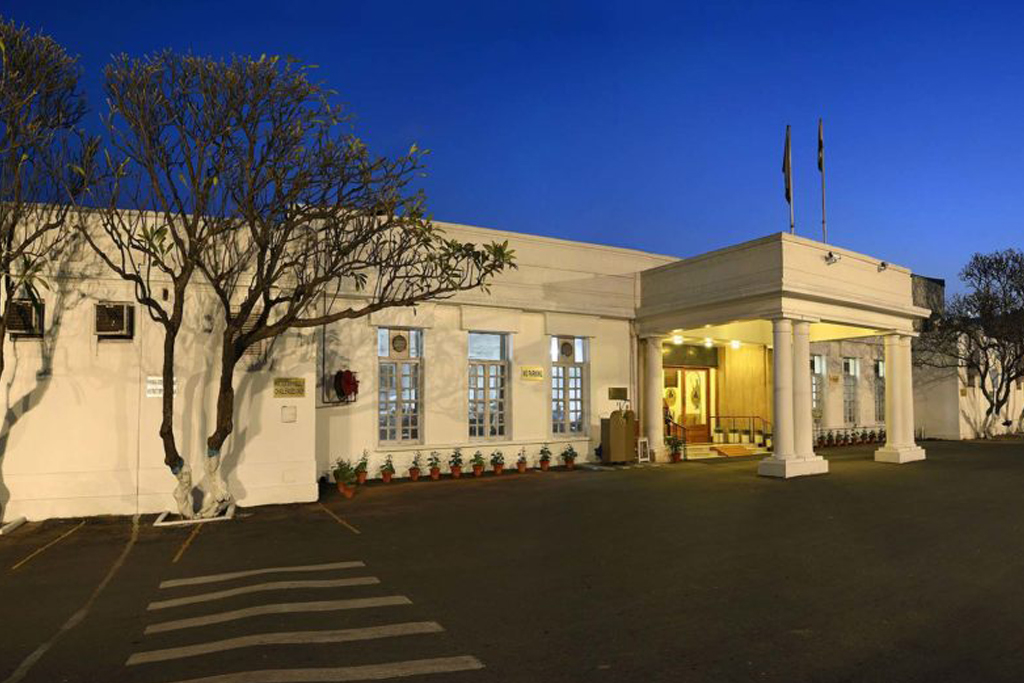
The story begins on 3 July 1913, when the institution shifted to its then-new location under the name Imperial Delhi Gymkhana Club. Its first President was Spencer Harcourt Butler, a prominent administrator of British India. The club emerged during a period when New Delhi itself was still being imagined and constructed. The city was evolving from an imperial ambition into a physical reality, and the Gymkhana quickly became one of the social anchors of that vision.
Its beginnings were surprisingly modest. In those early years, the Polo Club functioned as part of the Gymkhana before becoming an independent entity during the 1930s and relocating elsewhere in New Delhi. Historical documentation of the club’s formative years remains scarce, with detailed records only becoming more consistently available from 1927 onwards. Yet even without exhaustive archives, one thing is clear: the institution rapidly became a defining social space for the capital’s elite. When India gained independence in 1947, the word “Imperial” disappeared from the name. What remained was Delhi Gymkhana Club—a colonial institution that would gradually evolve into one of independent India’s most enduring symbols of exclusivity.
The Architect of an Institution
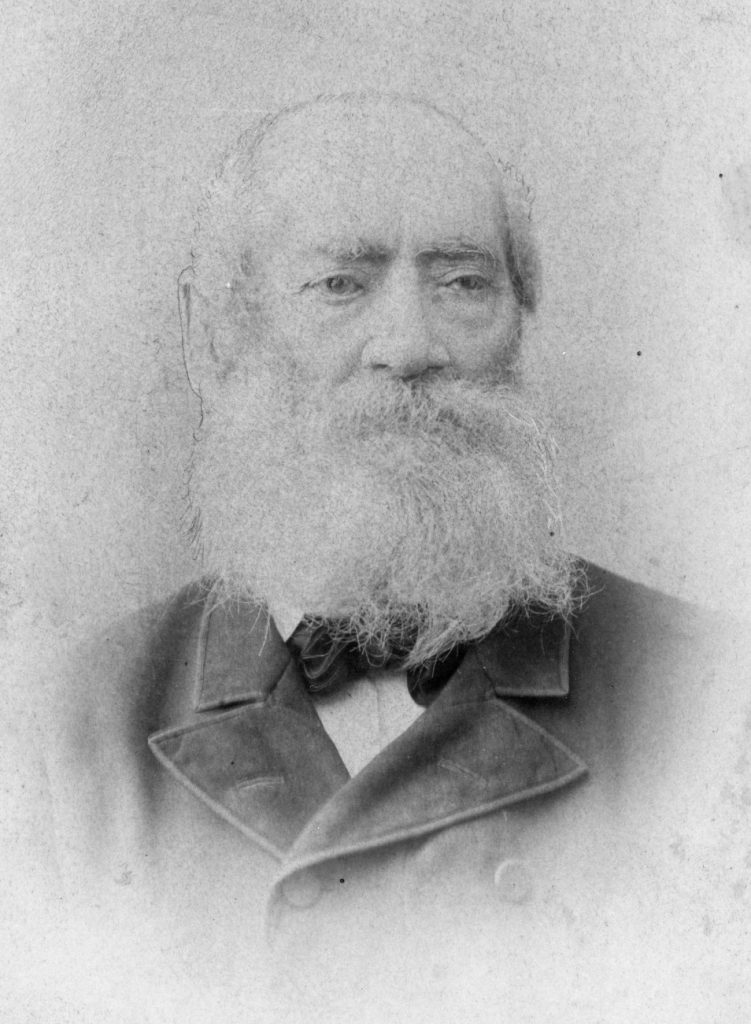
If membership created the mythology, architecture created the atmosphere. The club’s current identity began taking shape in the early 1930s when celebrated architect Robert Tor Russell was commissioned to design the new premises. Russell was already shaping New Delhi’s visual identity through projects that would become landmarks, including Connaught Place and the Commander-in-Chief’s residence, later known as Teen Murti House.
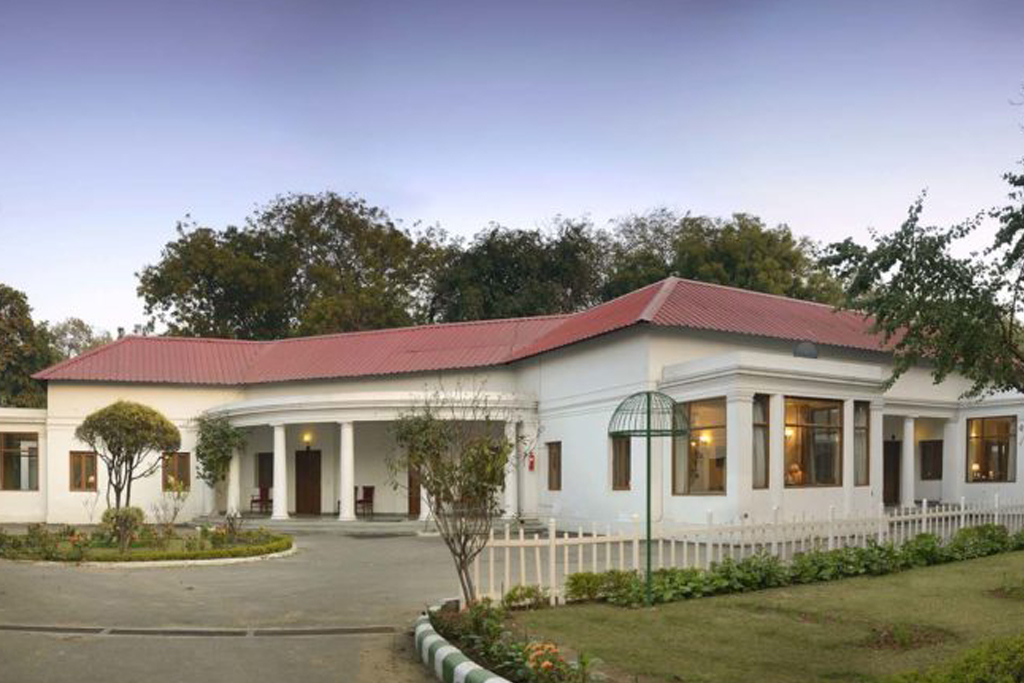
Rather than imposing grandeur for its own sake, Russell pursued harmony. His designs complemented the stately bungalows developing across the road, creating a built environment that felt elegant without being ostentatious. The result was quintessentially Gymkhana. Long verandas. Expansive lawns. Low-rise structures. Gravel pathways. Residential quarters discreetly positioned around the property. Every element reflected restraint rather than spectacle.
It was architecture designed not to impress visitors for a moment but to endure for generations. Even after completion, Russell remained actively involved in the club’s management and refurbishment as a member of its General Committee, ensuring the institution retained its carefully cultivated character. Construction itself was undertaken by Sir Teja Singh Malik, one of New Delhi’s most prominent contractors, helping transform architectural drawings into the landmark that members know today.
Also Read: Inside The Rise Of India’s Private Member Clubs: Where Luxury Meets Lifestyle
The Swimming Pool Built for a Vicereine
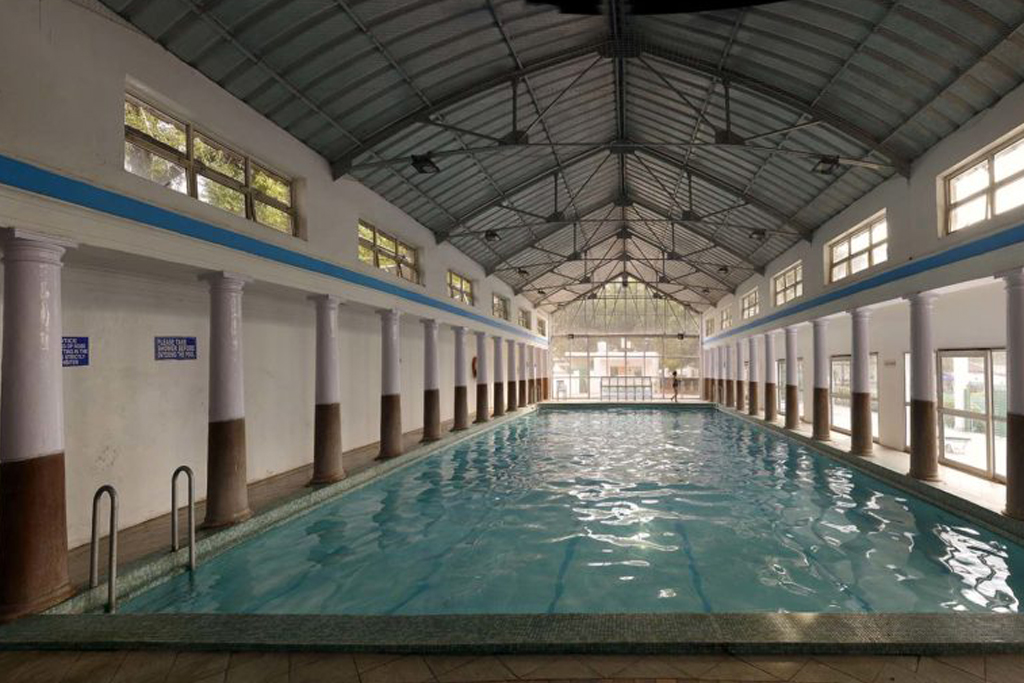
Every great institution has its favourite story. For Delhi Gymkhana, one of the most charming revolves around a swimming pool. In the early 1930s, despite being a premier sporting club, Gymkhana lacked a swimming pool and squash courts. Ironically, the under-construction Viceregal House suffered from the same omission.
This created an unexpected inconvenience for Lady Willingdon, wife of the Viceroy of India. Unable to find a suitable place to swim regularly, she often relied on private pools owned by wealthy Indian families across New Delhi. The arrangement frustrated her. Construction delays at the Viceregal House only added to the irritation.
Eventually she solved the problem herself. Lady Willingdon donated an impressive ₹21,000 toward the construction of a swimming pool at Delhi Gymkhana. Her generosity was swiftly acknowledged. The club ordered commemorative plaques bearing the names “Lady Willingdon Swimming Bath” and “The Willingdon Squash Courts.” By March 1936, both facilities were completed and proudly presented before Lord and Lady Willingdon attended their farewell visit to the club. It remains one of those delightfully old-world stories where privilege, practicality, and philanthropy converged to create a lasting legacy.
A Club Designed for Living Well
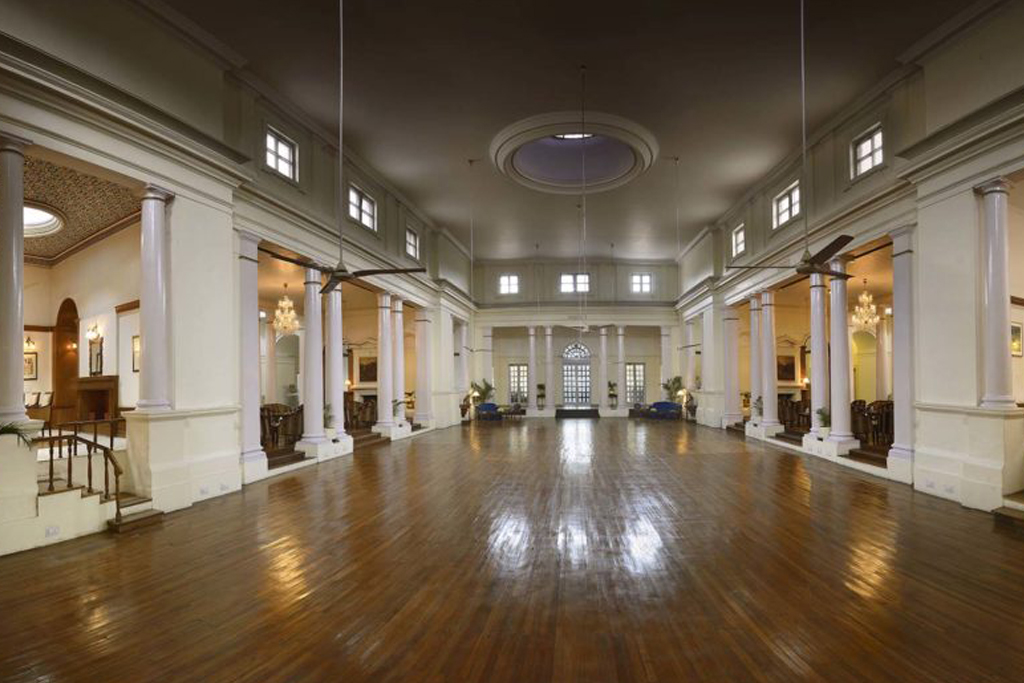
The modern Gymkhana experience extends far beyond sporting facilities. Its lobby and ballroom continue to serve as social hubs where members and guests gather for celebrations, meetings, and leisurely afternoons. A dedicated front desk operates from early morning until late evening, maintaining the personalised hospitality that has become synonymous with the institution.
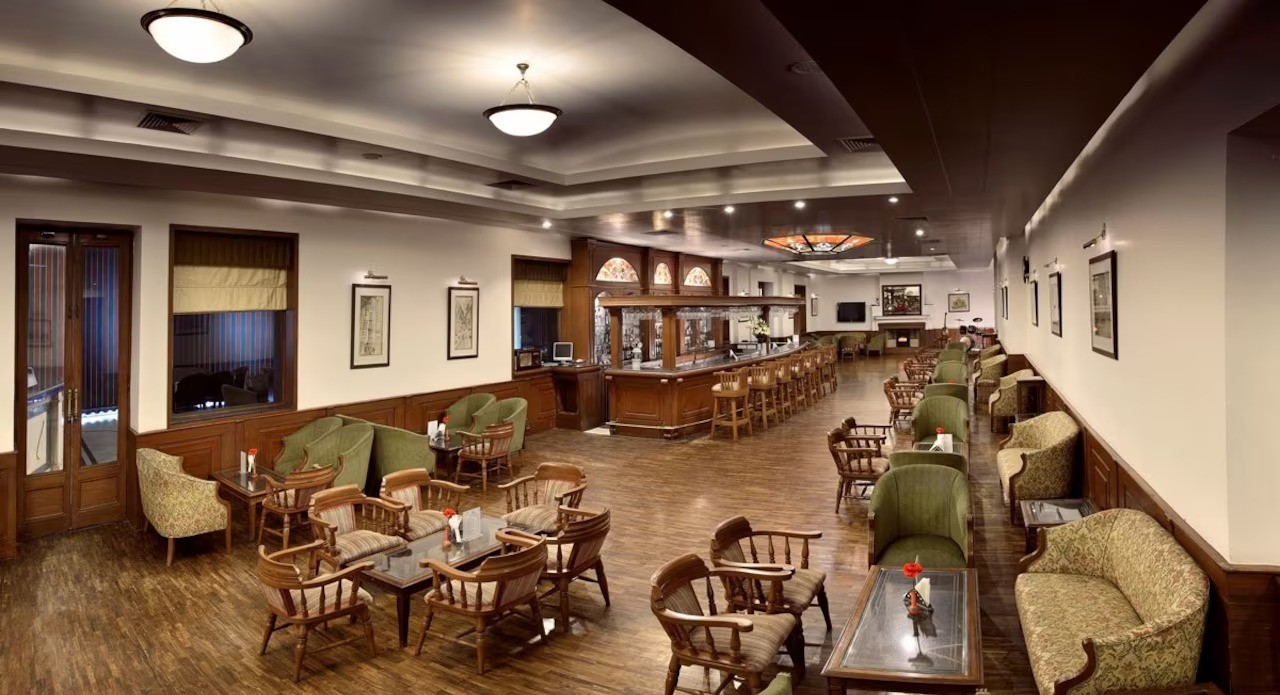
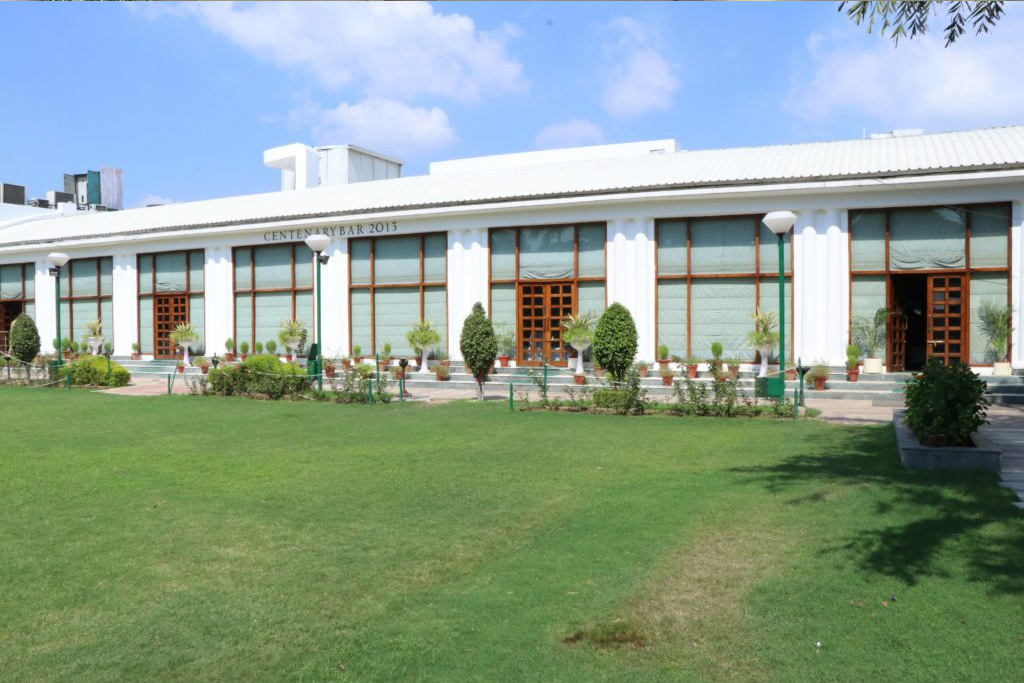
Dining remains central to club life. Restaurants, lounges, and bars provide spaces where conversations frequently last longer than meals. The Main Bar, Cocktail Bar, and Centenary Bar have hosted everything from casual gatherings to significant discussions over the decades. What distinguishes these spaces is not extravagance but familiarity. The staff often know members by name. Favourite tables develop unofficial ownership. Conversations continue across generations. Luxury here is measured not in excess but in comfort.
Where Sport Meets Society
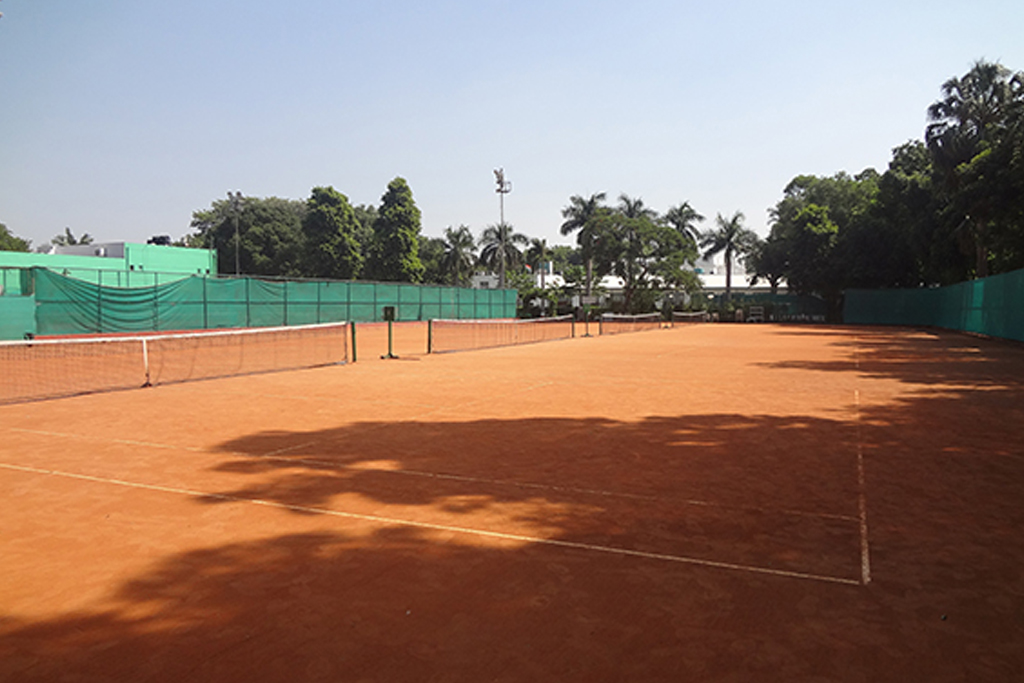
The word “Gymkhana” itself suggests movement, competition, and recreation. True to its origins, sport remains woven into the club’s identity. Outdoor facilities include tennis courts and the iconic swimming pool, while indoor pursuits range from billiards to card games such as rummy. Sporting participation has long functioned as a social equaliser within the club’s walls, creating interactions that transcend professional titles and public stature. Deals have been discussed after tennis matches. Friendships have been forged across billiards tables. Entire social networks have emerged through sporting routines repeated over decades.
The Quietest Luxury of All: A Library
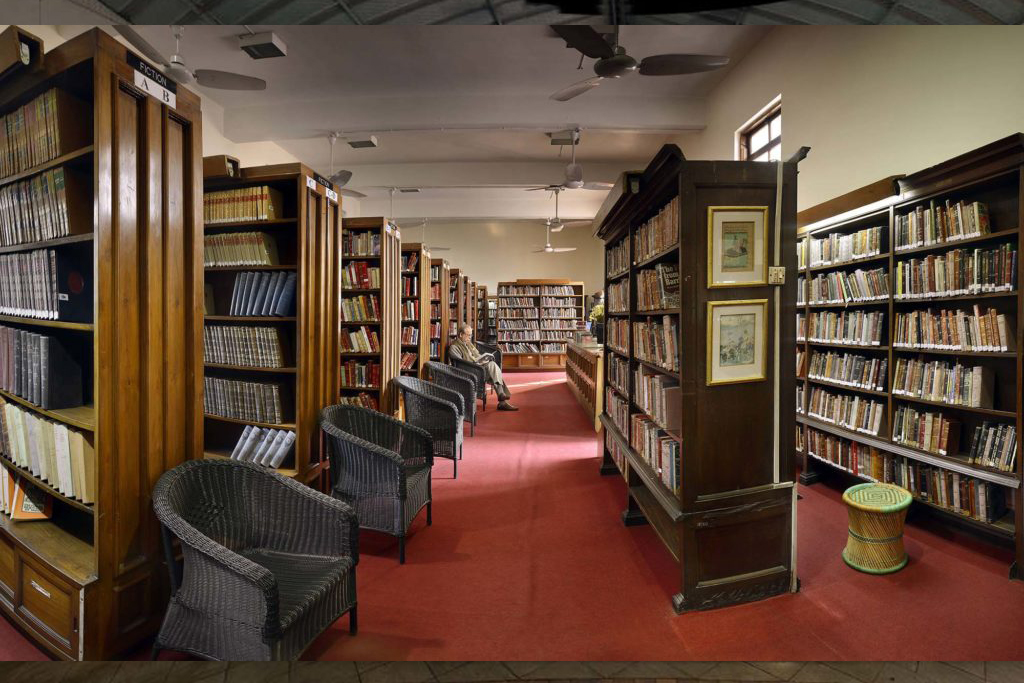
While bars and lawns attract attention, perhaps the club’s greatest hidden treasure is its library. It is almost as old as the institution itself. What began as a collection of approximately 500 books during the 1930s has evolved into a remarkable repository of nearly 35,000 volumes. Every year, another 1,100 to 1,200 books join the shelves. Members have access to Indian and international periodicals, newspapers, dedicated reading spaces for adults and children, and modern digital facilities including printing and photocopying services.
In a world increasingly dominated by screens, the library remains a reminder of a different form of privilege. Time. The ability to spend an afternoon reading beneath high ceilings and quiet fans may be one of the rarest luxuries left. The borrowing system itself reflects an older rhythm of life. Members may issue six books at a time, keeping them for fourteen days with renewal options available when demand permits. It is a system built around trust, responsibility, and shared ownership of knowledge. Not everything valuable needs to be digitised.
The Waiting List That Became a Status Symbol
And yet, for all its architecture, sporting history, dining rooms, and cultural significance, Delhi Gymkhana’s greatest mystique has always been its membership. The waiting list became legendary. In an age where almost every luxury can be acquired instantly with sufficient resources, Gymkhana represented delay. Patience. Recommendation. Legacy. Membership often travelled through generations, transforming the club from a recreational facility into a family inheritance. People did not simply join Gymkhana. They aspired to belong. That distinction explains why the club occupies such a unique position in India’s luxury landscape. It has never been defined by what members owned outside its gates. Instead, it was defined by what happened once they entered them.
The Original Quiet Luxury
Long before quiet luxury became a fashionable phrase, Delhi Gymkhana embodied its principles. No logos. No marketing campaigns. No need for validation. Just architecture, history, community, sport, conversation, books, and tradition accumulated over more than a century. Its enduring appeal lies in the fact that it was never designed to be exclusive for the sake of exclusivity. Rather, exclusivity emerged naturally from continuity, heritage, and reputation.
That is why Delhi Gymkhana remains more than a club. It is a living archive of a disappearing India—an India where status was conveyed through discretion, where influence often arrived without introduction, and where the ultimate luxury was not possession but belonging. Because sometimes the most valuable thing in the room is not the watch on your wrist, the car in the driveway, or the house on the avenue. Sometimes it is simply the chair with your name on it. Delhi Gymkhana Club has been ordered to vacate its iconic 27.3-acre Lutyens’ Delhi home by June 5, 2026, as the government’s Land and Development Office (L&DO) reclaims the land for defence and governance infrastructure.