

Watchmaking has always had a strange habit of hiding its greatest achievements in plain sight. A collector may spend hours admiring a movement with polished bridges, hand-finished bevels and microscopic decoration, yet sometimes the detail that creates the strongest visual impact is sitting right on the dial. Enter Clous de Paris, a tiny geometric pattern that looks simple, almost obvious, until you realise the extraordinary skill required to create it. In the world of haute horlogerie, where perfection is measured in fractions of a millimetre, these miniature pyramids are not decoration for decoration’s sake. They are a demonstration that even the smallest surface deserves the same attention as the engine beneath it.
Clous de Paris, which translates from French as “Parisian nails”, takes its name from the small raised pyramid shapes that cover a surface like a field of perfectly aligned studs. The technique belongs to the wider family of guilloché, an art form where intricate patterns are engraved onto metal using a specialised machine known as a rose engine or straight-line engine.
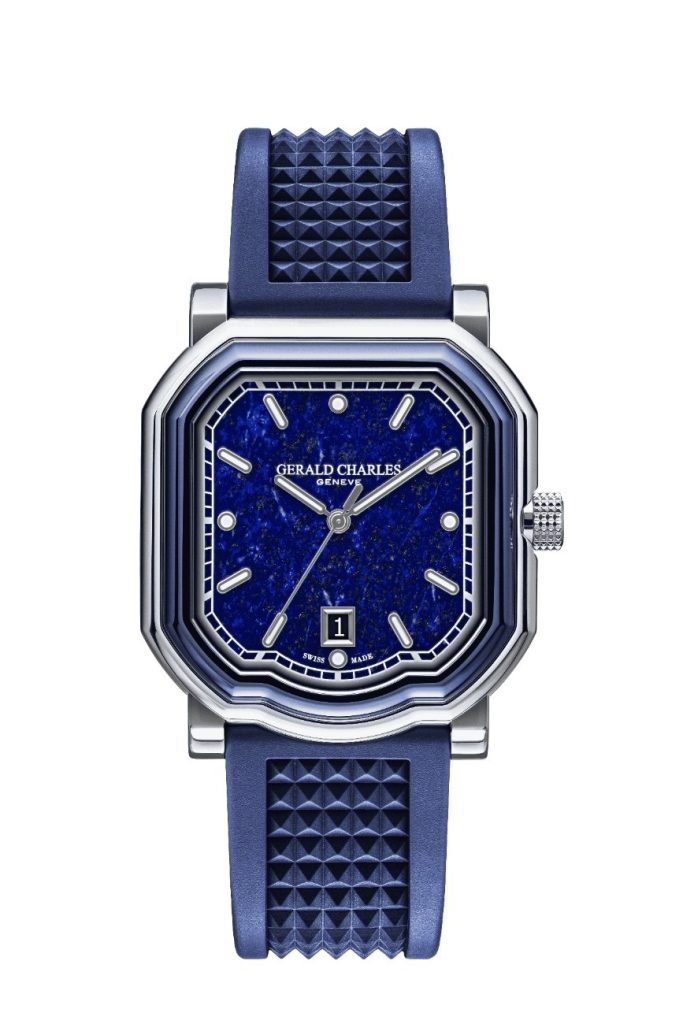
The origins of guilloché decoration can be traced back centuries, particularly to the 18th and 19th centuries when European craftsmen began using mechanical engraving techniques to create repeating patterns on luxury objects. Watchmakers eventually adopted these methods to bring texture, depth and elegance to dials, bridges and cases.
Clous de Paris became especially associated with fine Swiss watchmaking because it offered something wonderfully practical alongside its beauty. The textured surface catches light, reduces reflections and gives the dial a sense of depth that a flat surface simply cannot achieve. A small detail, perhaps. But in luxury watchmaking, small details are usually where the magic happens.
The Craft Behind The Pattern
Creating Clous de Paris is not a matter of stamping a pattern onto metal and calling it a day. Traditional guilloché requires exceptional control. The craftsman guides the engraving tool while the machine creates precise intersecting lines, forming the tiny pyramid structures. The depth, spacing and sharpness of every groove must remain consistent.
Too shallow, and the pattern disappears under light. Too deep, and the dial loses its refined character. Modern watchmakers may use advanced manufacturing techniques to achieve the effect, but the finest examples still respect the traditional approach. The goal is not simply repetition. It is creating a surface where every angle interacts with light differently. This is why two Clous de Paris dials can look completely different depending on finishing, material and lighting.
Why Clous de Paris Matters In Haute Horlogerie
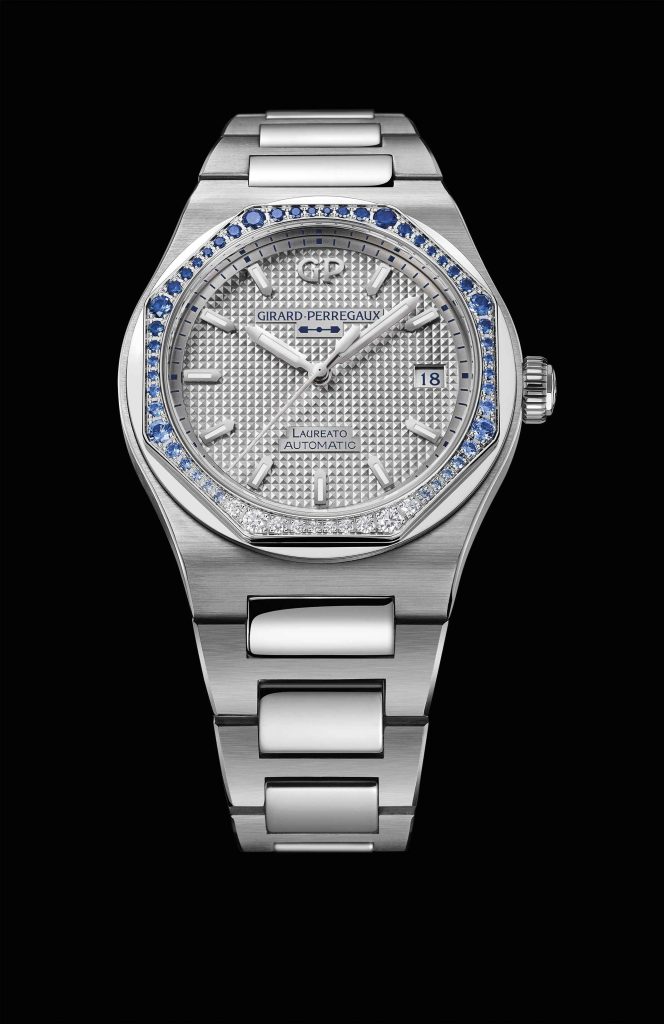
The importance of Clous de Paris goes beyond aesthetics. A luxury watch dial is one of the most visible parts of a timepiece. It must communicate information clearly while also representing the identity of the brand. Clous de Paris achieves this rare balance.
The raised texture creates shadows between the pyramids, giving the dial a three-dimensional appearance. It can make a small watch feel richer, a large dial feel more sophisticated and a minimalist design feel far more complex. It also represents something collectors value deeply: human craftsmanship. In an industry obsessed with precision engineering, Clous de Paris reminds us that watches are not just machines. They are objects designed to be admired.
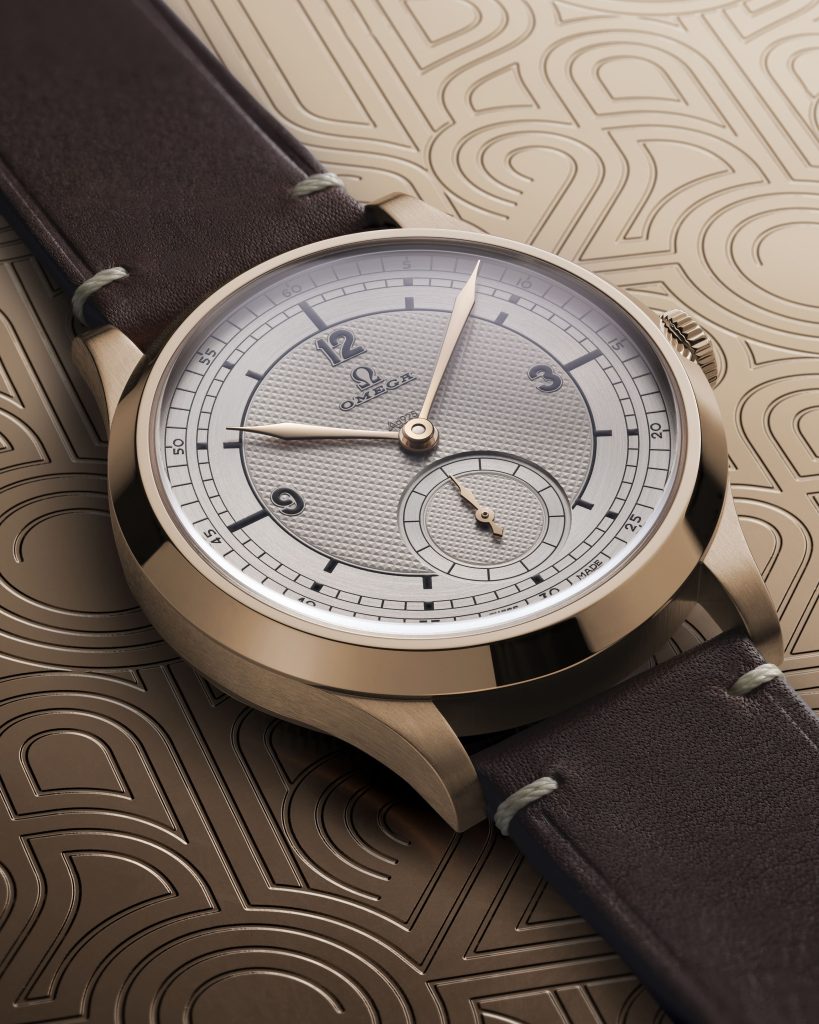
The Different Types Of Clous De Paris
Classic Clous de Paris (Hobnail Pattern)
The traditional version features tiny square pyramids arranged in a repeating grid. It is the style most commonly associated with Swiss luxury watches and creates a sharp, architectural appearance. Often called the “hobnail” pattern because it resembles the texture of old metal studs, this remains the benchmark version of the technique.
Grand Clous de Paris
As the name suggests, Grand Clous de Paris uses larger pyramidal structures. The wider pattern creates a stronger visual effect and is often used on larger watch cases or statement dials. It gives the watch a more dramatic, modern appearance while keeping the traditional geometric language.
Fine Clous de Paris
This is the delicate version of the technique. The pyramids are much smaller and closer together, creating a softer texture that can almost appear like fabric or woven material when viewed from a distance. Fine Clous de Paris is often chosen for elegant dress watches where subtlety matters.
Radiating Clous de Paris
Instead of following a straight grid, this version creates patterns that spread outward from a central point. The result is a dynamic dial where the texture appears to move across the surface, often enhancing the impression of depth.
Hand-Finished Clous de Paris
The rarest interpretation is one where the pattern receives additional manual finishing after machining. Small variations, polishing and finishing touches create a unique character, turning each dial into a slightly individual piece.