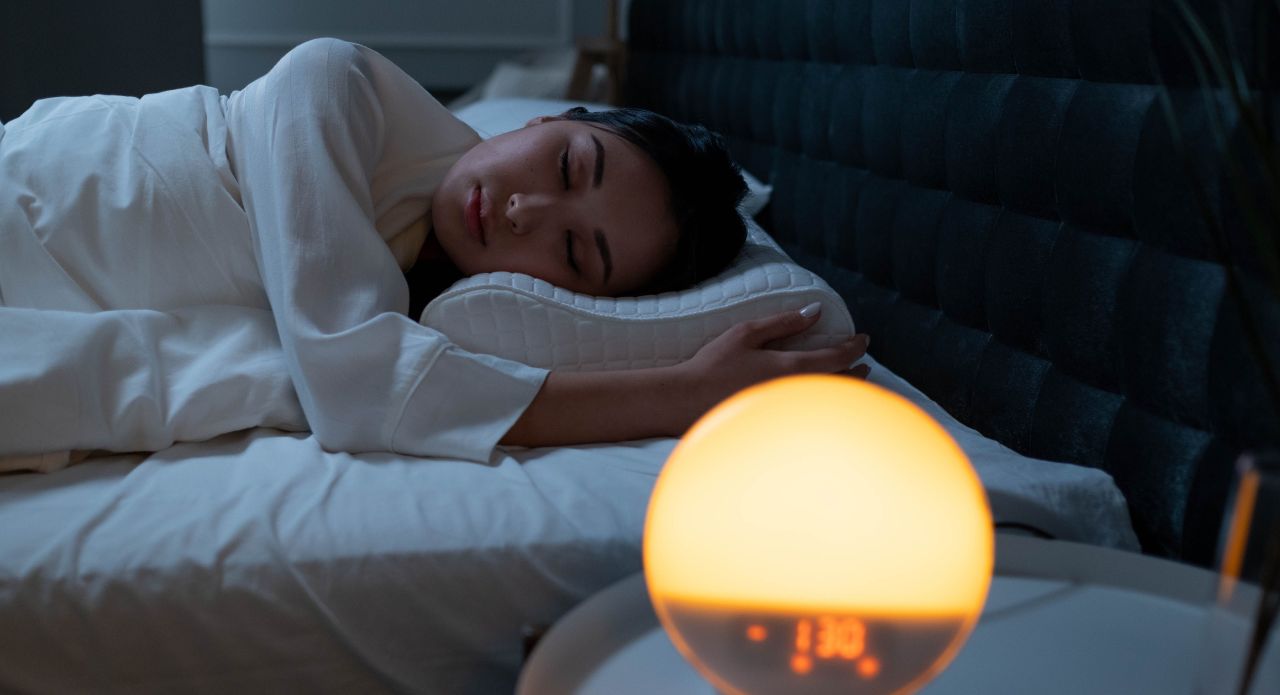


The circadian rhythm is the body’s roughly 24-hour biological cycle that helps regulate sleep and wakefulness, hormone release, body temperature, metabolism and other physiological processes. Light is one of its strongest cues, particularly the changing pattern of daylight and darkness. Travel across time zones, late-night screen exposure, irregular meals and inconsistent sleep can all disrupt this rhythm.
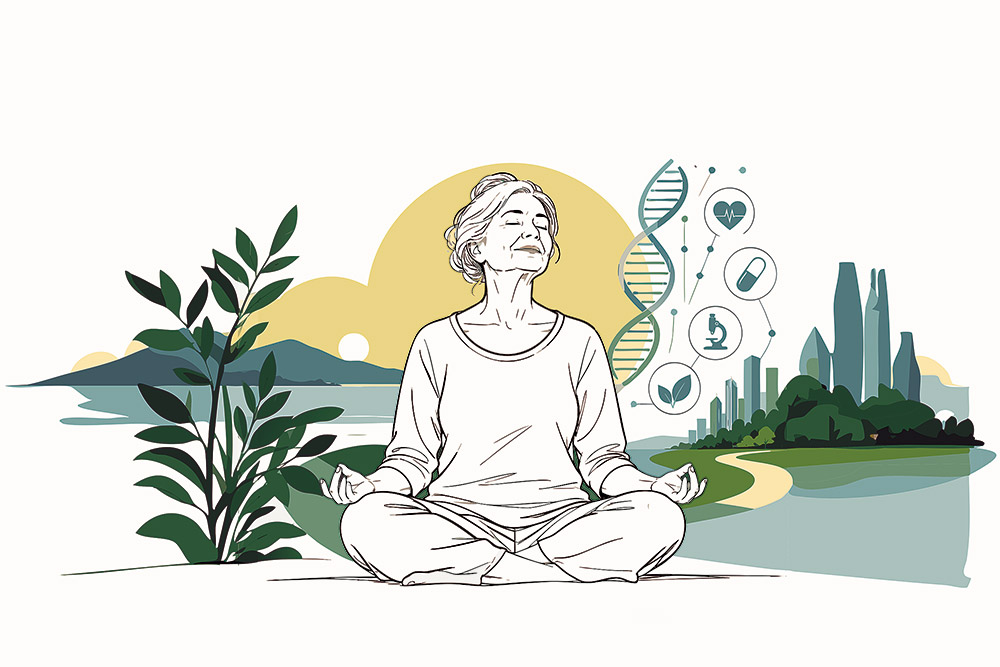
What is really happening is that luxury wellness is beginning to take the body’s internal clock or circadian rhythm into account. High-end retreats and wellness programmes are looking beyond individual treatments to understand when the body naturally wants to sleep, eat, move, recover and switch off. This growing focus on circadian wellness is bringing a more personalised dimension to the idea of rest, with timing becoming almost as important as the treatment itself.
The Clock Within Us
The room is dimly lit and quiet except for the faint hum of a sound machine. A guest has just finished a breathwork session, sipped a carefully formulated herbal infusion and stepped out of a treatment designed to leave the body deeply relaxed. There is no hurried itinerary waiting outside. Even dinner has been timed to feel unhurried, with the evening menu designed to be light and restorative. Yet, there is another schedule quietly guiding the experience, one that cannot be found on the resort’s daily programme.
Also Read: Why Sleep Is the New Luxury In A Burnout-Driven World
Circadian health, therefore, is not simply about getting eight hours of sleep. It is about whether those hours, along with eating, movement and periods of rest, are aligned with the body’s biological signals. When the rhythm is disrupted, sleep quality, energy levels and metabolic processes can be affected. A more consistent routine can help the body anticipate when it should be alert and when it should wind down.

Wellness Gets More Personal
Luxury wellness is particularly suited to this approach because its programmes already tend to be highly personalised. A retreat may assess sleep patterns, daily habits and lifestyle before suggesting treatments, meals or activities. The result is a schedule built around the individual rather than a fixed sequence of massages, meditation sessions and fitness classes.
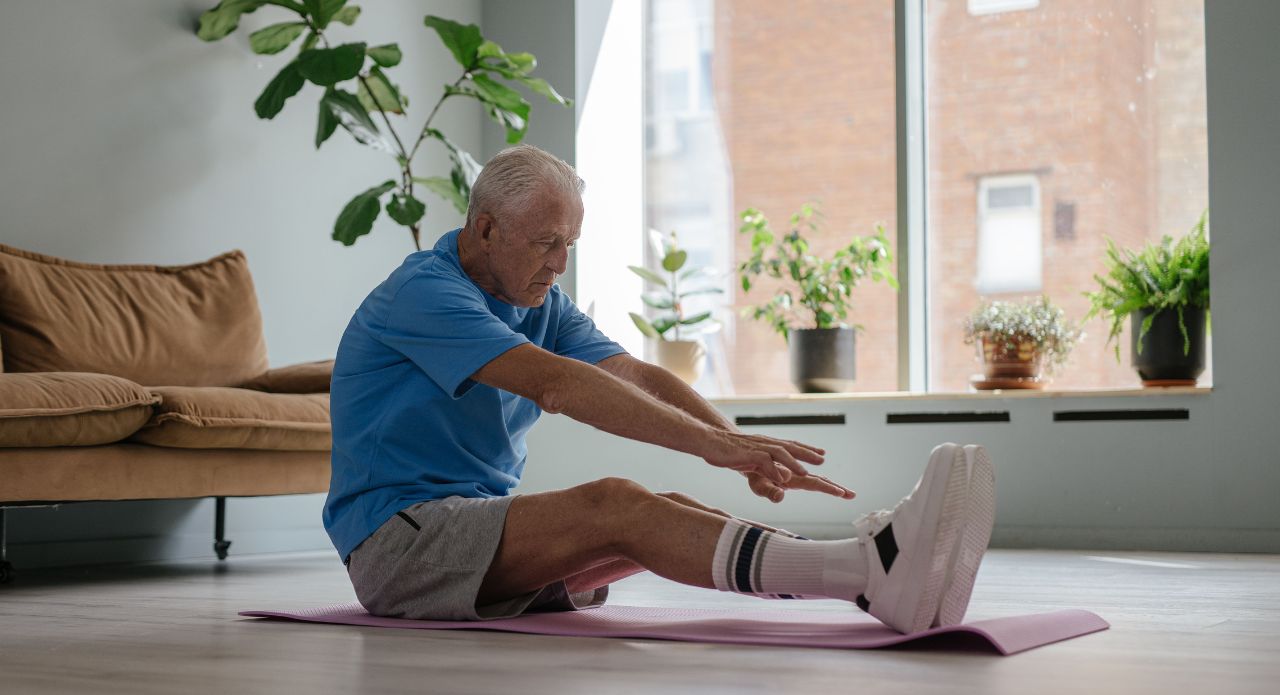
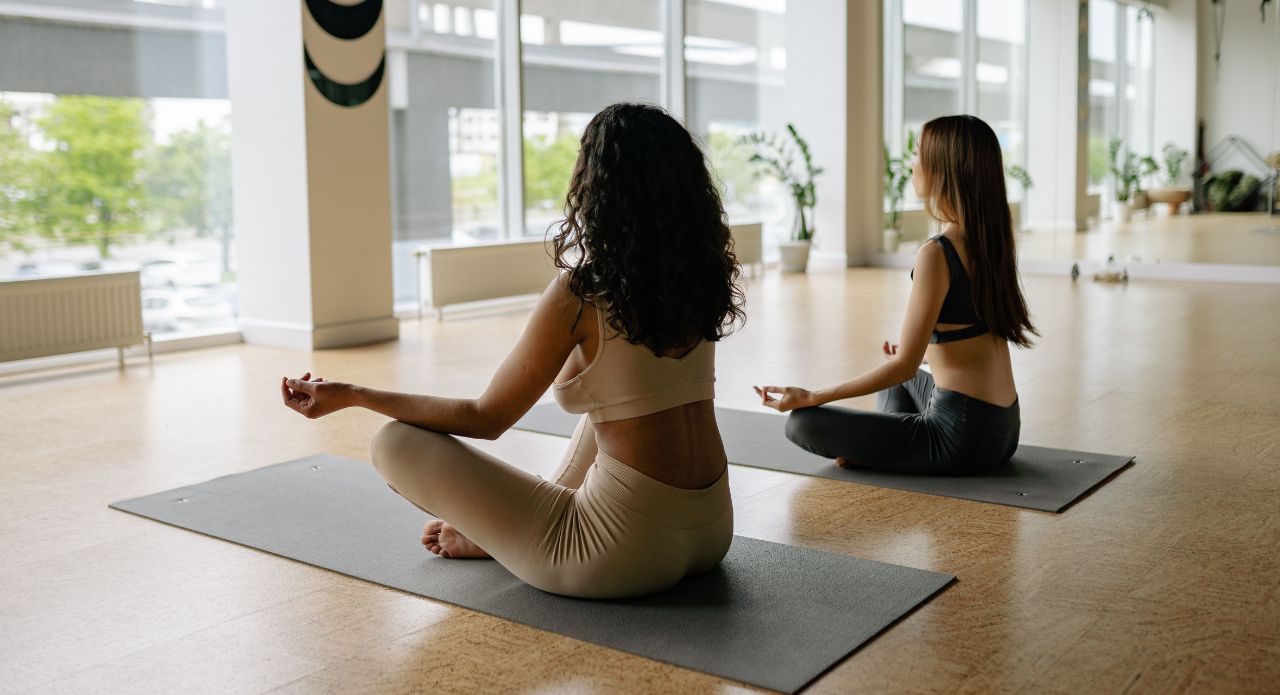
A circadian-focused programme could encourage exposure to natural morning light, schedule exercise according to the guest’s energy patterns and move stimulating treatments earlier in the day. Evening routines may instead favour breathwork, gentle movement, relaxation therapies and reduced exposure to bright light. Meals can also be timed more thoughtfully, with heavier food earlier and dinner positioned to support the body’s transition towards rest.
Also Read: Why Breathwork Is the New Luxury Wellness Ritual for High Performers
The appeal of luxury wellness circadian rhythm programmes lies in this precision. The goal is not to introduce another complicated health ritual, but to make existing habits work more intelligently with the body clock.
The benefits of circadian wellness extend beyond better sleep. Aligning daily routines with the body’s natural timing may support energy, recovery, metabolic health and overall wellbeing. It also changes how wellness is measured. Instead of asking only what treatment a guest received, luxury retreats are increasingly considering when that treatment happened and how it fits into the person’s biological rhythm.