

As longevity becomes a bigger part of luxury wellness, the ability to move freely is gaining importance. From personalised fitness to movement-led retreats, here is how a considered approach to wellbeing can support physical independence as we age.
A leisurely walk through a European city, a mountain escape or an afternoon exploring an art district all share one essential luxury: the freedom to move at one’s own pace. Yet these experiences can become more challenging when joint pain, stiffness or declining strength begin to interfere with everyday movement.
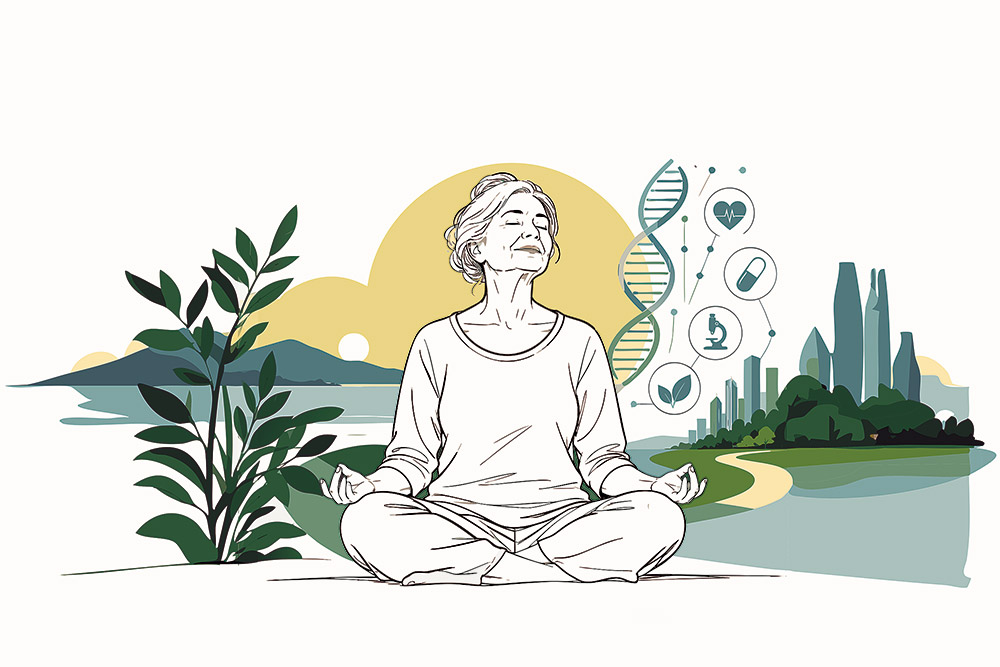
As longevity takes centre stage in wellness conversations, the focus is shifting from simply living longer to preserving the ability to enjoy those extra years. Mobility is becoming an important measure of healthy ageing, shaping everything from independent travel to the ability to pursue familiar hobbies. On World Arthritis Day, observed on October 12, joint health offers a timely entry point into this wider conversation.
Why Mobility Matters for Longevity
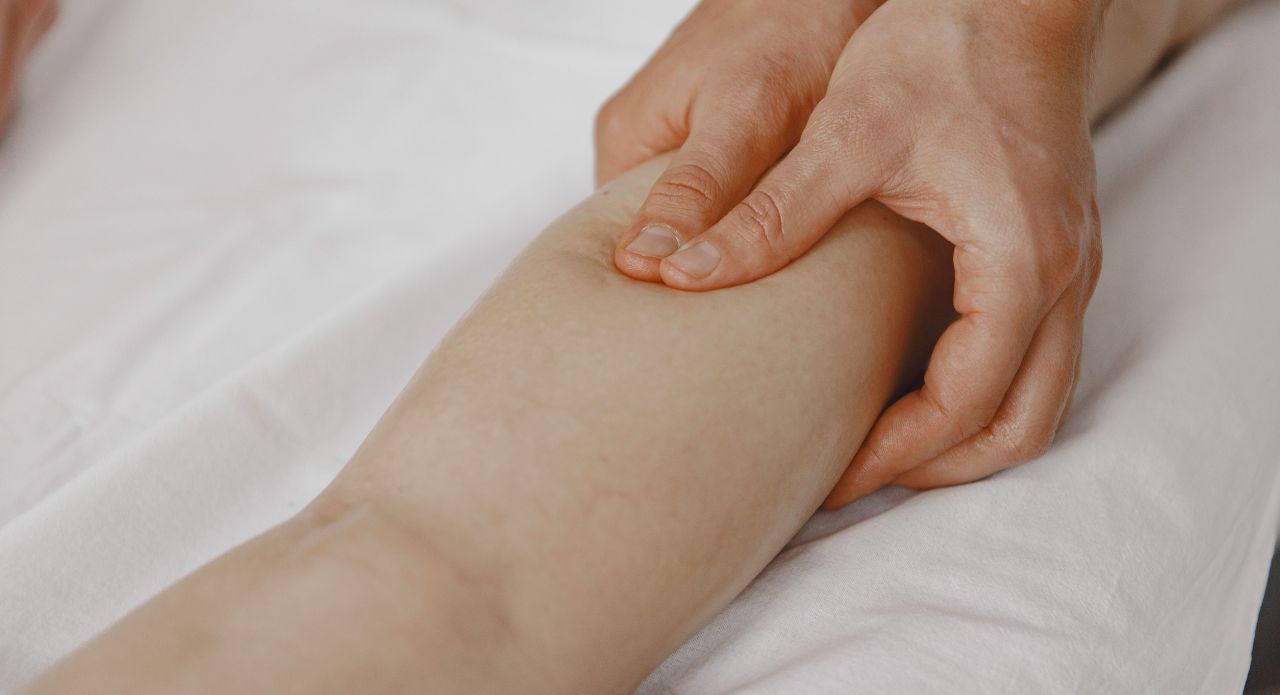
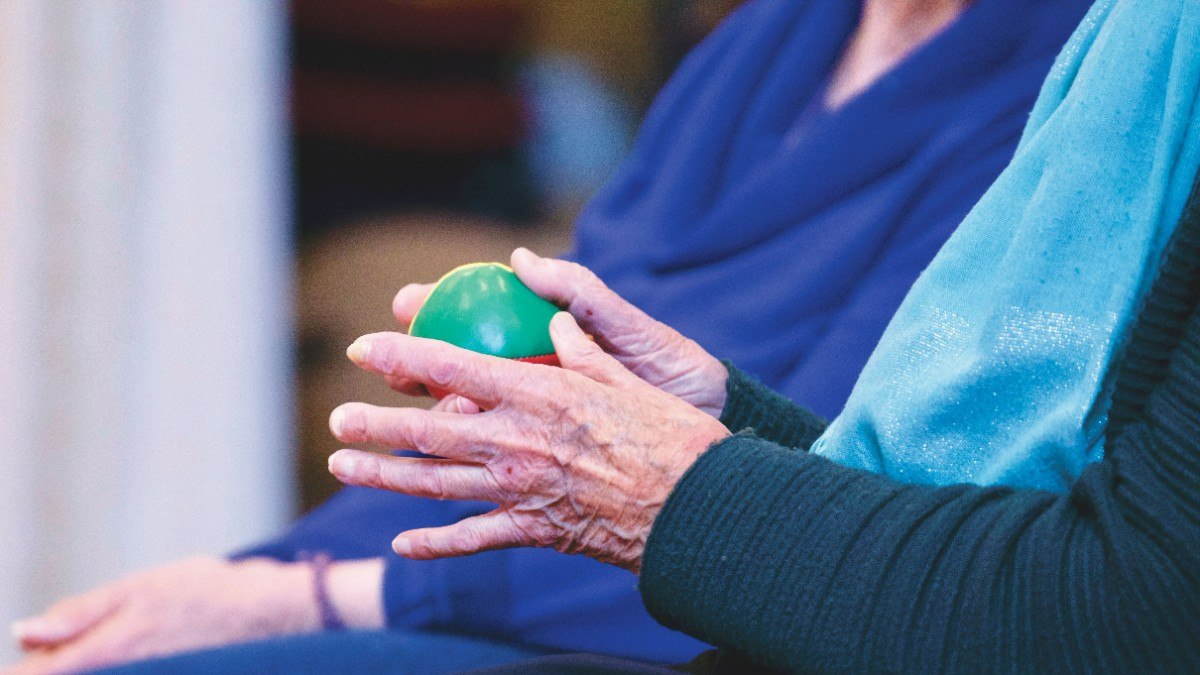
Arthritis encompasses conditions affecting the joints and surrounding tissues. Osteoarthritis, one of the most common forms, can cause pain and stiffness, particularly in the knees and hips. The World Health Organization estimated that 528 mn people worldwide were living with osteoarthritis in 2019.
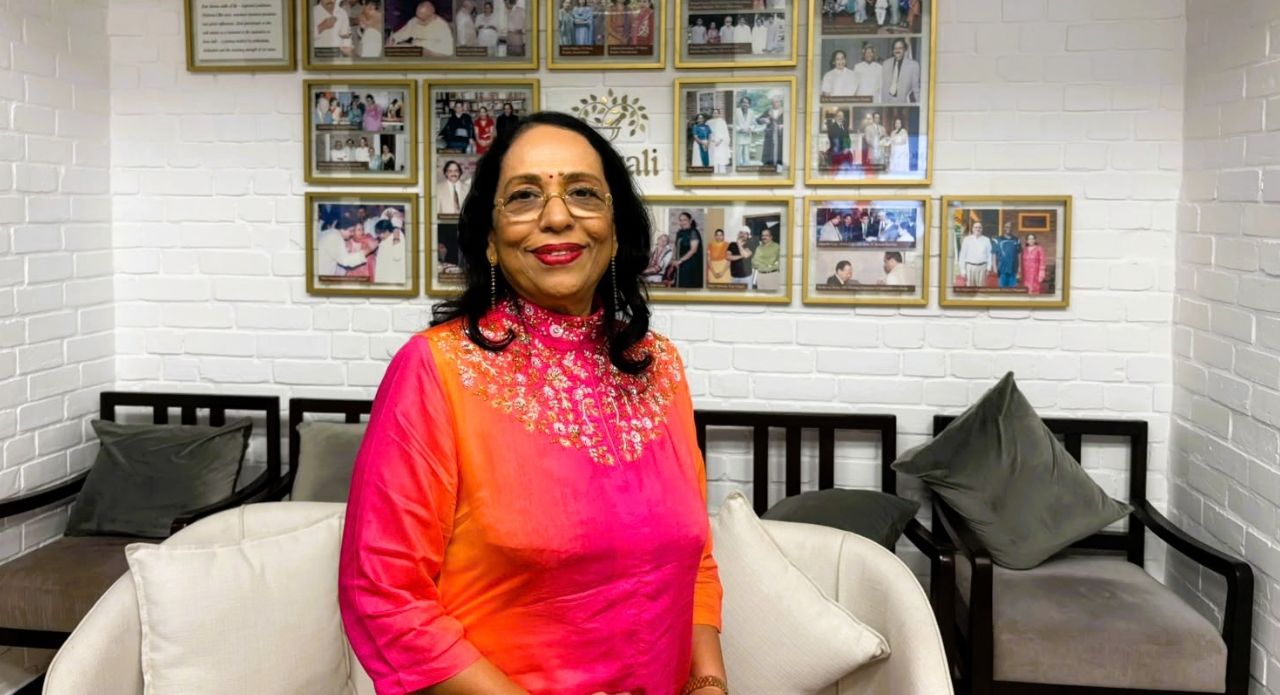
Also Read: Interview | Gita Ramesh On Ayurveda And The One Luxury Money Can’t Buy
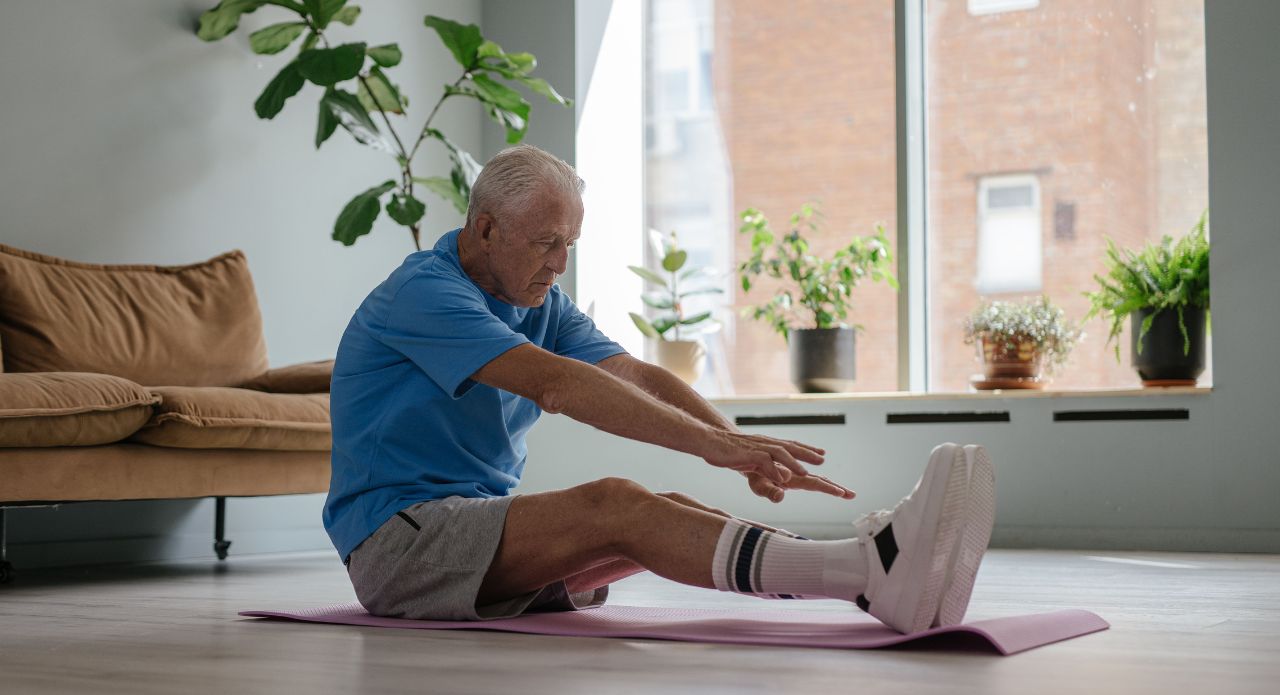
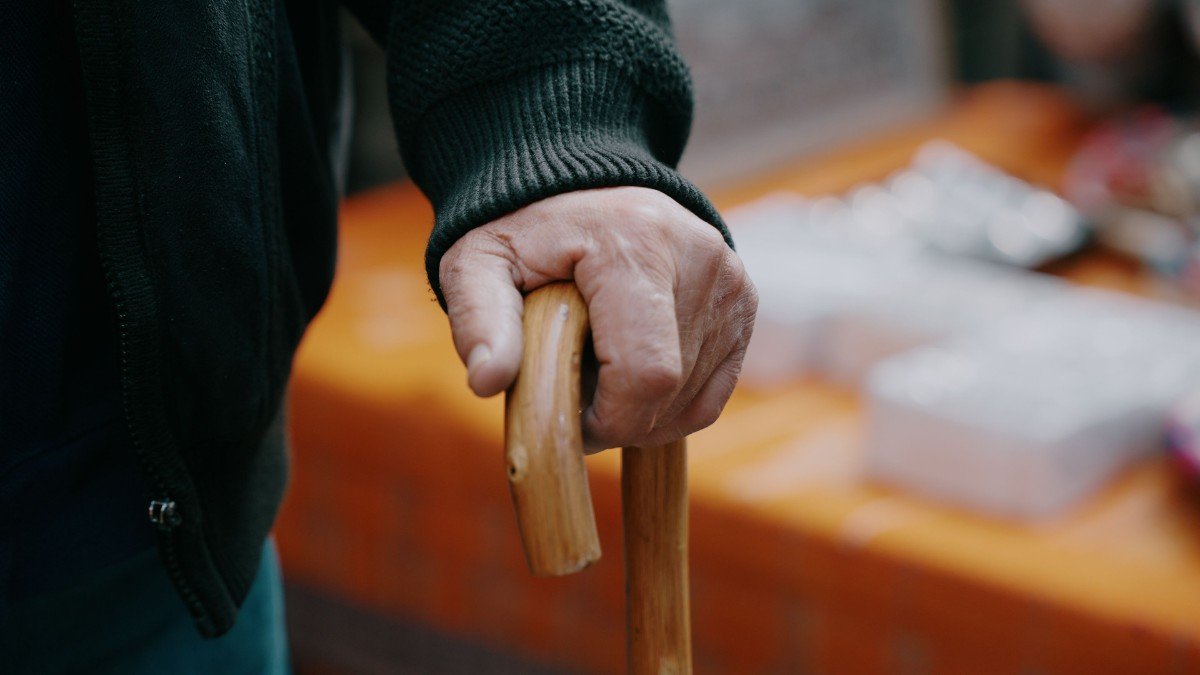
Maintaining mobility involves more than managing joint discomfort. Muscle strength, balance and flexibility contribute to everyday independence, while persistent pain can discourage physical activity. Appropriate medical care and individually tailored exercise can help many people manage symptoms and maintain function.
A More Considered Approach to Joint Health
Luxury wellness is increasingly looking beyond spa treatments towards personalised approaches to physical wellbeing. At Switzerland’s ‘Clinique La Prairie’, its seven-day Revitalisation Premium programme costs Rs 58.2 lakh (approx.) and includes movement assessments and personal training. ‘SHA Spain’ offers functional assessments, guided fitness and hydrotherapy access through its Rebalance & Energize programme, priced at Rs 4.7 lakh (approx.) for seven nights, excluding accommodation.
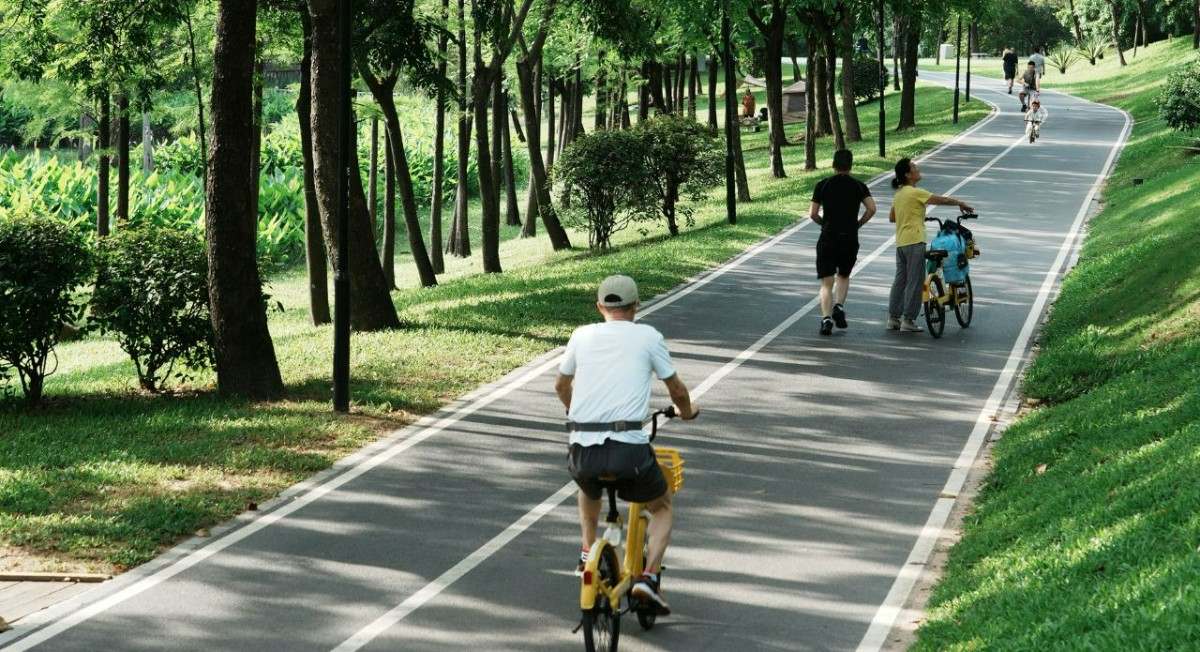
Movement-led retreats offer another avenue for those seeking structured wellness experiences. ‘Lanserhof Tegernsee’ in Germany combines medical consultations, therapeutic treatments and guided exercise in its seven-night Classic programme, priced at Rs 3.2 lakh (approx.). Meanwhile, ‘Chenot Palace Weggis’ in Switzerland offers its seven-night Prevention & Ageing Well package, including entry-level accommodation, for Rs 11.6 lakh (approx.).
Restorative experiences can complement these approaches where appropriate. ‘Chenot Palace Weggis’ incorporates hydrotherapy into its wider wellness offering, while ‘SHA Spain’ provides access to hydrotherapy facilities through eligible programmes. These experiences may support relaxation, but should not be presented as arthritis treatments or guarantees of improved joint function. For persistent joint pain, swelling or stiffness, medical assessment remains essential.
Redefining Luxury of Ageing Well
The luxury of ageing well may ultimately be measured in experiences rather than amenities, i.e., exploring a destination comfortably, continuing a favourite activity or managing everyday life with confidence. For luxury hospitality, accessible facilities, expert-led movement sessions and personalised wellness guidance can make a stay more meaningful than an itinerary centred solely on relaxation.
Also Read: Live Better, Longer: What The Science Of Healthspan Really Says
No retreat can guarantee lifelong mobility, but sustainable movement habits and appropriate care can help support physical independence. This World Arthritis Day, longevity is worth considering not simply in terms of how long we live but how fully we can participate in life along the way.