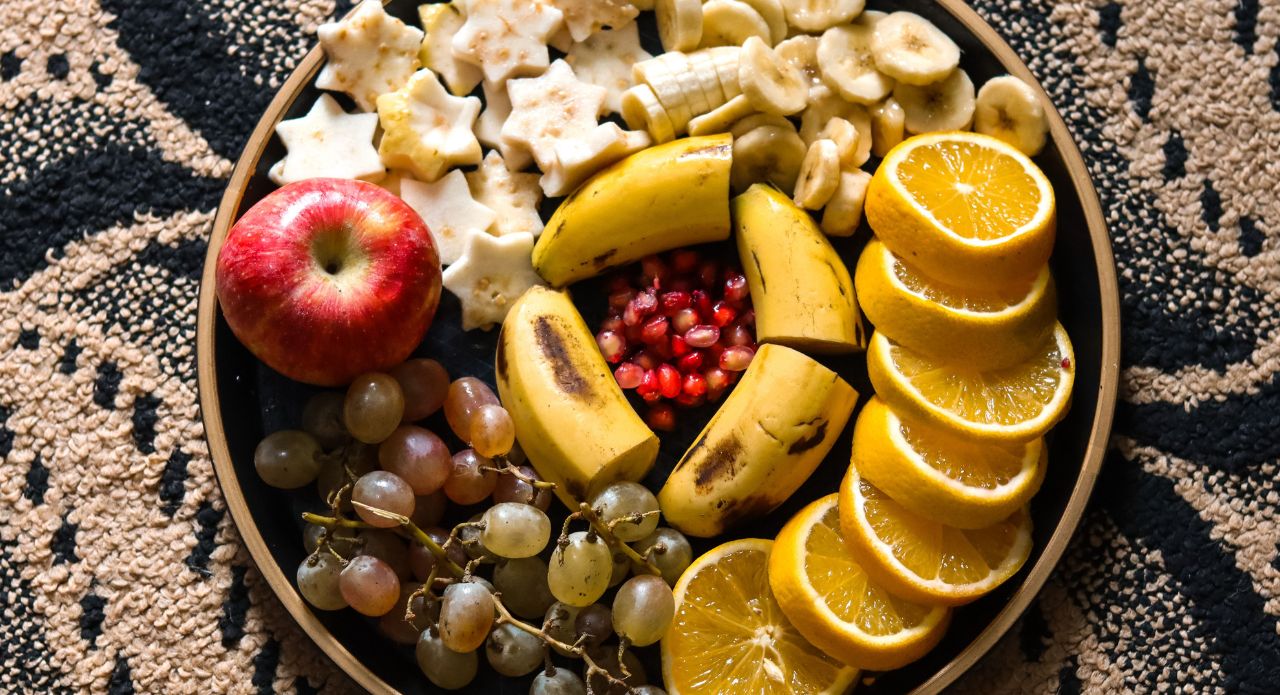


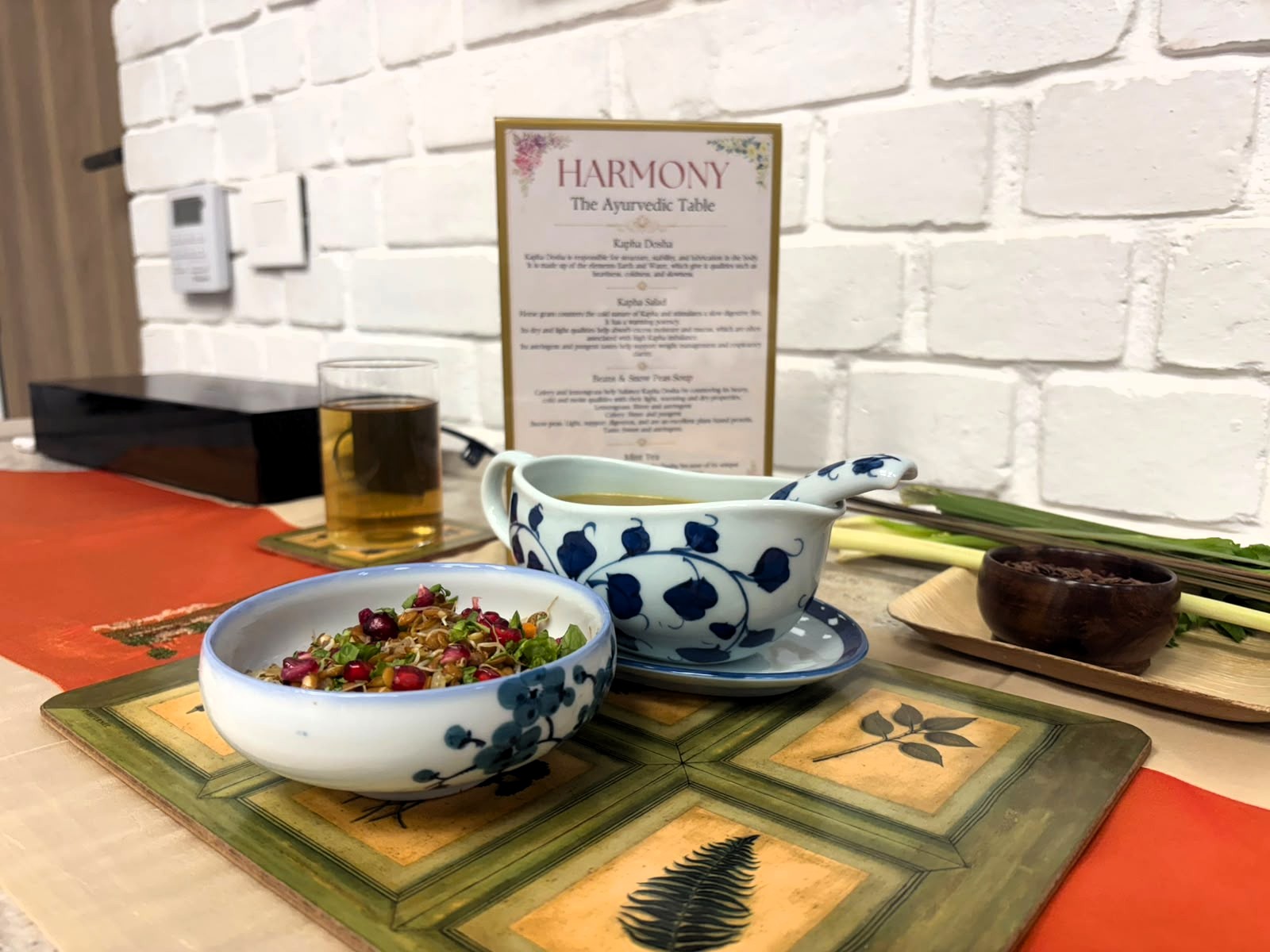
Most book launches end with wine and canapés. Gita Ramesh’s ended with lunch. For Harmony, her new book published by Roli Books, the author and Co-Founder of Kairali Ayurvedic Centre skipped the bookstore and invited guests to her Delhi centre, the first one Kairali opened. There, they sat down to a meal cooked from the book’s own recipes, simple, light and easy to digest. By the end of it, Ramesh was beaming. “I am so happy that I have come up with something so good that is benefiting so many people,” she said.
It was a fitting way to introduce a book that treats the kitchen as the place where healing begins. Before anyone had turned a page, the guests had already tasted its central idea, that what you eat and how you eat it, can do much of the work of medicine. The rest, Ramesh believes, comes down to how you live your day.
The Discipline of Small Things
For all its ancient roots, Ramesh describes is surprisingly practical. You don’t need a clinic for it. Its preventive side is built on dinacharya, the daily routine, and she runs through it with the ease of someone who has lived by it for years. You wake on time and tend to oral hygiene. Then comes a daily oil bath, followed by yoga and meditation and a fresh, well-cooked breakfast. Lunch is the heaviest meal of the day, the evening is for rest, and bedtime is around 10 pm. “If you follow a routine every day, you can live life long without disease,” added. A little flexibility is fine, she added, but the body does best when its clock stays steady.
Also Read: Live Better, Longer: What The Science Of Healthspan Really Says
Where most people slip, she has noticed, is at the table. Some people tend to pair curd with fruit or have fruit with hot morning coffee. Others follow an iced coffee with a cold drink and then a cup of hot tea, mixing hot and cold in a way the body struggles to handle over time. Many also eat too much tamarind and other sour foods, which she links to arthritis and gout. These habits seem harmless on any single day but over the years, she said, they add up. Some of this guidance has made its way into the book.
Rooted in Kerala’s Tradition
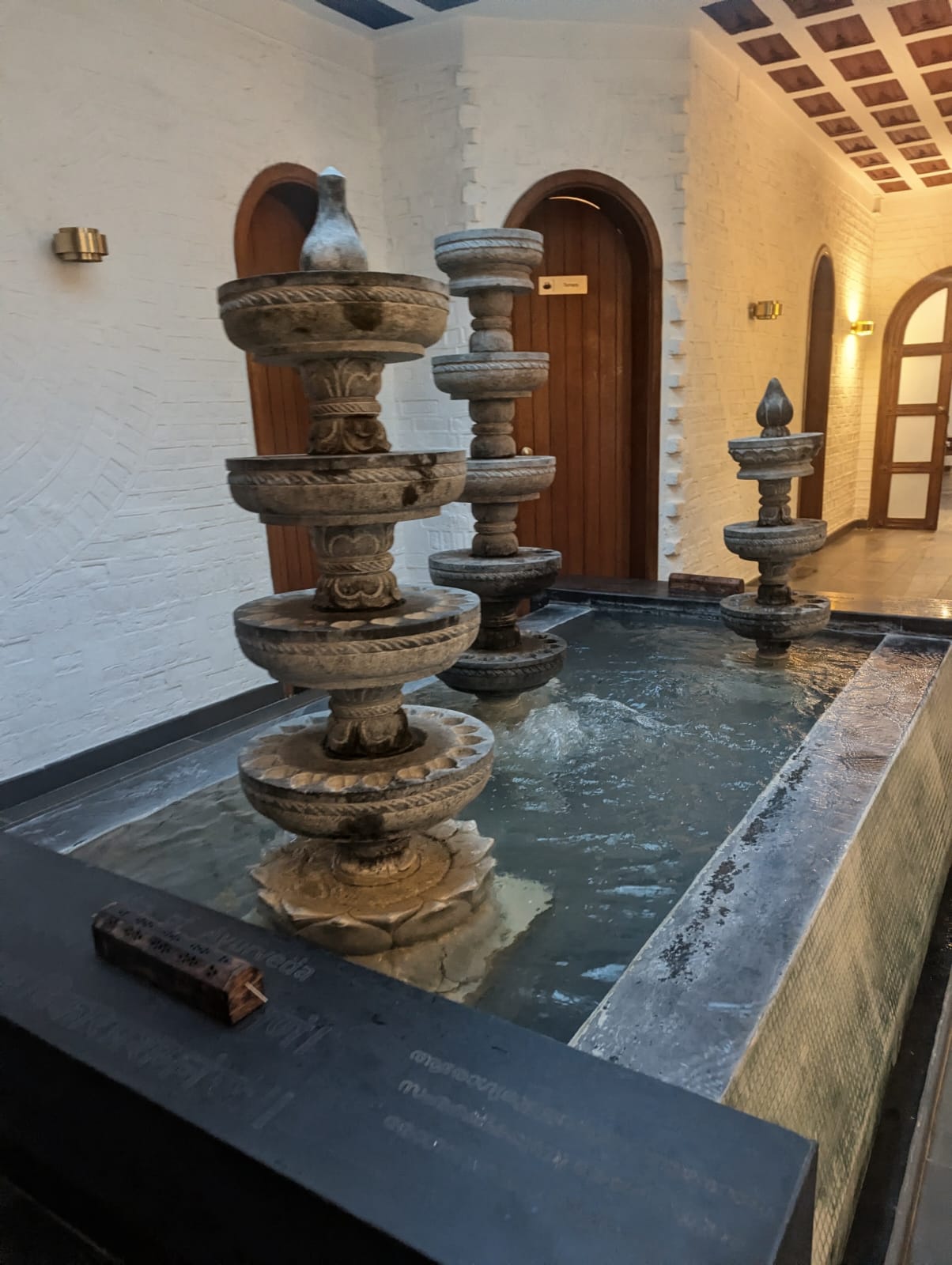
That conviction runs in the family. Ramesh comes from an Ayurvedic background, and in 1989 her family began bringing Kerala’s healing tradition to Delhi. “We never looked back,” she said. One day centre grew into several across Delhi and nearby areas, and later into a residential healing village where guests can stay for longer treatments.
The book came later, prompted by a change she saw after the pandemic. Suddenly everyone was looking for wellness and immunity, and Ramesh wanted to give them something they could use without any background in Ayurveda. It covers the three doshas and brings together recipes, everyday rituals, and beauty routines for skin, face and hair that use ingredients most kitchens already have. QR codes in the yoga and meditation sections let readers watch the asanas and follow along at home. Her first book was about Ayurvedic treatments. This one is about everyday life.
Also Read: Why Breathwork Is the New Luxury Wellness Ritual for High Performers
Sharing the reason for picking the title Harmony, she explained that it follows from everything else. “If your body is in balance, you automatically are in harmony,” she mentioned. Balanced food and a balanced routine lead to a holistic life, and that is what the book sets out to teach.
Luxury, Redefined
This is also where Ramesh draws her sharpest line. As wellness becomes a luxury category, has Ayurveda gained or lost something? She separates the practice from the trend. “Ayurveda is being diluted by people who want to just take it in a quick fix,” she asserted, though the tradition itself remains intact. In her view, versions built for quick money won’t last, and authentic practice will. “The benefits for the authentic will always prevail. And that’s the actual luxury,” she shared.
That belief explains why, by her own account, nothing at Kairali has changed since it opened. Its preparations, treatments and food still follow the classical texts. The only thing that has grown is the number of people it reaches.

Where It All Began
This brings the story back to where the launch began. Choosing her oldest centre over a bookstore was deliberate. “This is where I practise my Ayurveda,” she said. In the early years, patients came here only when they were already unwell, often with arthritis. Many returned for a session every week or two and found their problems eased. Word spread, and what began as treatment became maintenance. Long before the pandemic made wellness a global obsession, this centre had already shown people what prevention could do.
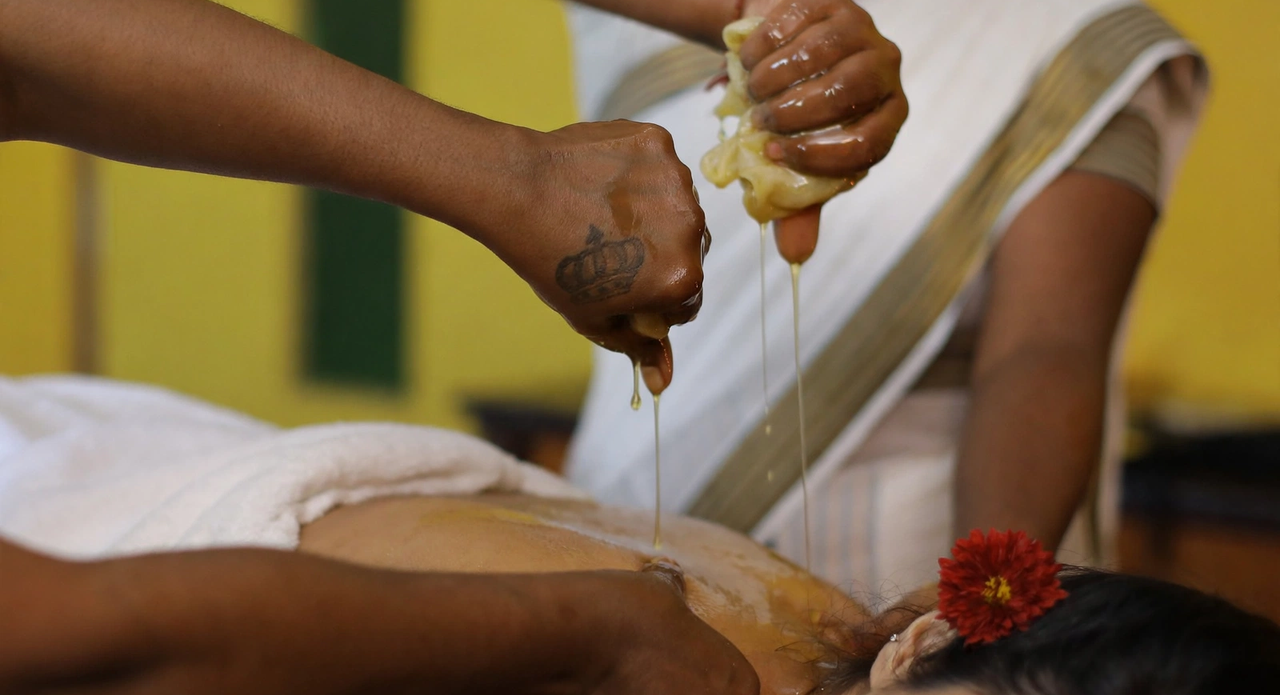
Asked for the one practice she swears by, Ramesh names the daily oil bath without a moment’s hesitation. “It’s like an exercise. You just take a little bit. Not lots of oil,” she shared. You massage it in from head to toe and follow it with a warm shower. The right oil depends on your prakriti, or constitution, and a doctor can help you work that out. It is a small ritual, and a fitting one to end on, because it sums up the book’s whole argument, i.e., longevity isn’t a treatment you book once but a habit you keep every day.