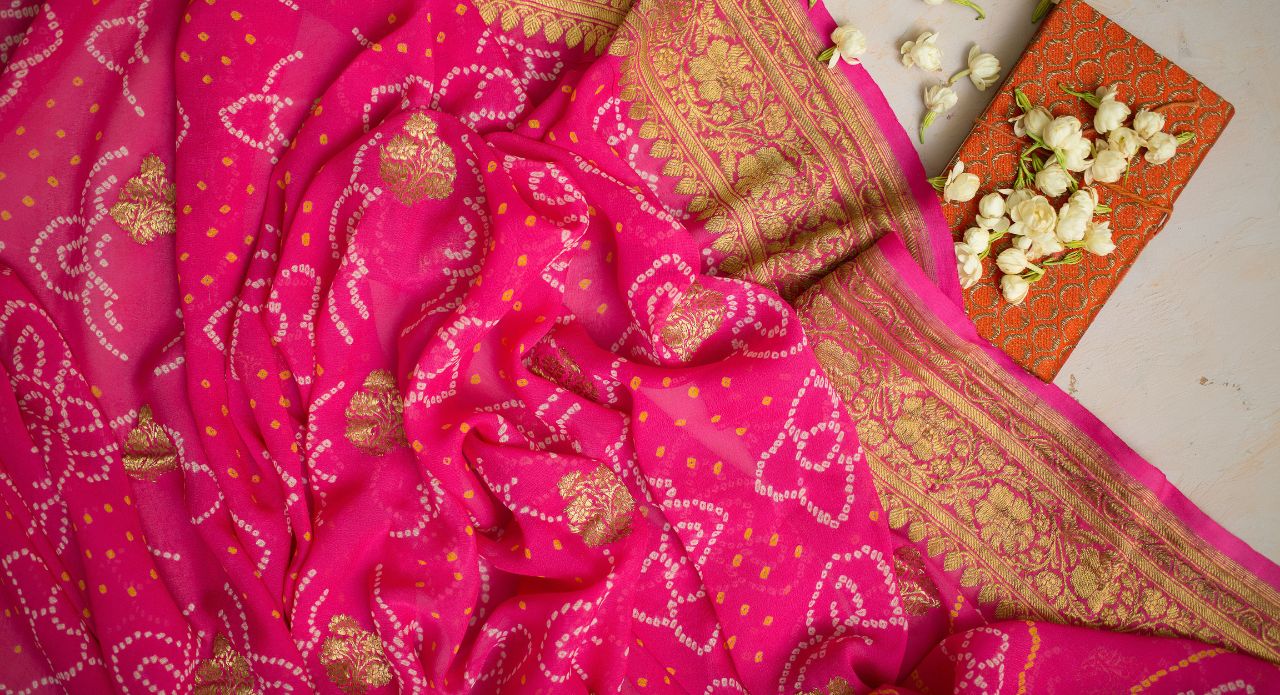


In April 2026, Ralph Lauren was called out by Indians all over the world for launching ‘Print Cotton Wrap Skirt’ under the Polo line. Priced at INR 44,800 the skirt comes in a ‘Tie-Dye Multi’ colour-way, is ‘beautifully draped’ and features a ‘vibrant design inspired by traditional Bandhini tie-dye techniques and motifs’.
The skirt started a controversial journey for the brand with many calling it out online for copying Indian culture.
Also Read: Ralph Lauren’s Rs 44,800 Bandhani Skirt Sparks Row: Is the Brand Ignoring India’s Craft Legacy?
The art of Bandhani, tracing back to around 4000BCE, has its roots in Gujarat and Rajasthan. Variations of this art are manufactured in Anjar, Mandvi, Pethapur, Udaipur, Porbandar, Rajkot, Jaipur, Bikaner, Jetpur and other places on fabrics including georgette, silk, cotton, chiffon and more.
India’s attractive market for luxury brands values its deep-rooted cultural heritage which presents an opportunity for brands to honour craftsmanship and uphold artistic integrity of these intricate traditions.
What Is Bandhani?
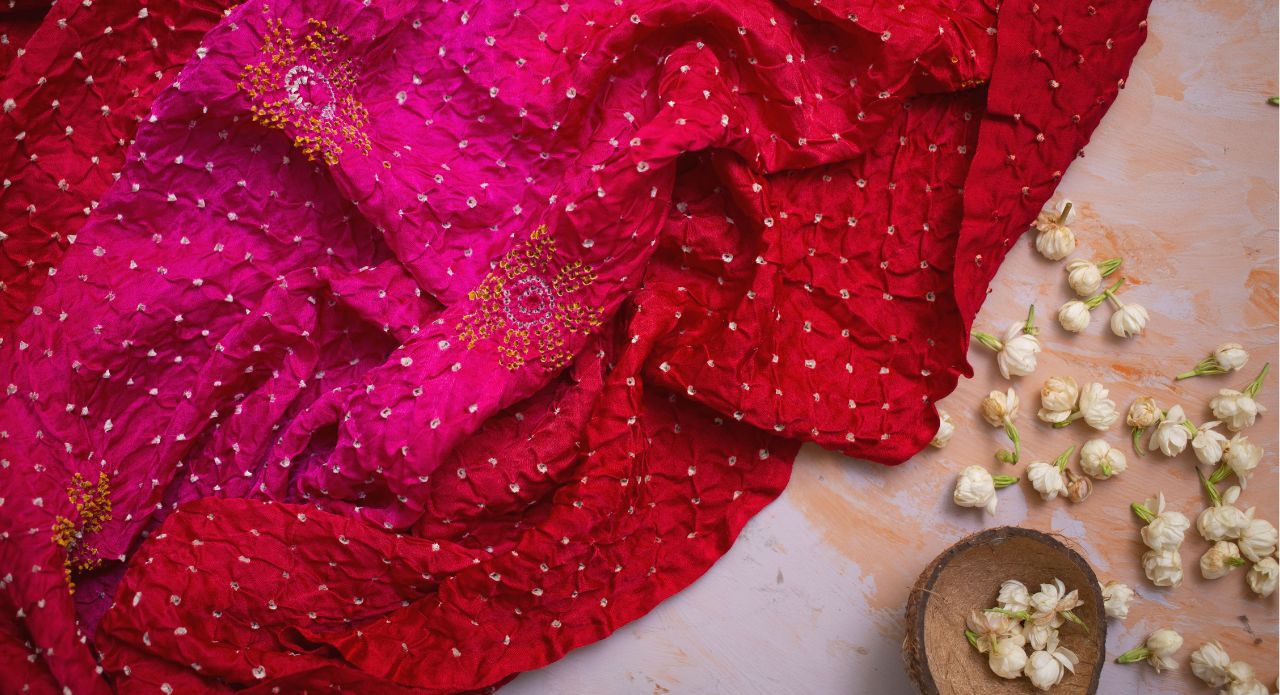
Bandhani is a type of pattern created using traditional tie-dye techniques and traces its origins to the Indus Valley Civilisation over 5,000 years ago. Archeological evidences indicate its early use in the region. The design also finds its mention in ancient Indian texts such as the Harshacharita and 6th century Ajanta cave paintings, attesting its existence in South Asia before modern times.
The term is derived from the Sanskrit word ‘bandhana’, meaning ‘to tie’, a nod to the meticulous process whereby each dot is formed by hand-tied techniques before dyeing, resulting in intricate patterns.
Over the centuries, Bandhani has spread and evolved, becoming integral to major life events such as festivals and wedding across Gujarat and Rajasthan. The colours used carry specific meanings: red symbolises marriage, yellow marks stand beginning and green represents prosperity.
Also Read: Discover India’s Textile Legacy: 6 Books You Shouldn’t Miss
Each region has its distinct style; for example, Kutch, Jamnagar, Jaipur, Jodhpur, Sindh and Surendranagar all feature unique dot patterns and motifs. Leheriya’s flowing lines evoke the movement of water, while the Chunari is crafted meticulously, with each dot built by hand.
The Sindhi Fakir(hippy) community introduced Bandhani to the Khatri community in Kutch. During the Mughal era, the craft gained popularity in royal courts under Emperor Akbar. By the 18th century, Bandhani silk apparel had already reached fashion capitals like London.
The Kutch Bandhani received the Geographical Indication (GI) tag in 2021, officially recognising its regional and cultural significance.
Brands Taking Indian Heritage to Global Stage
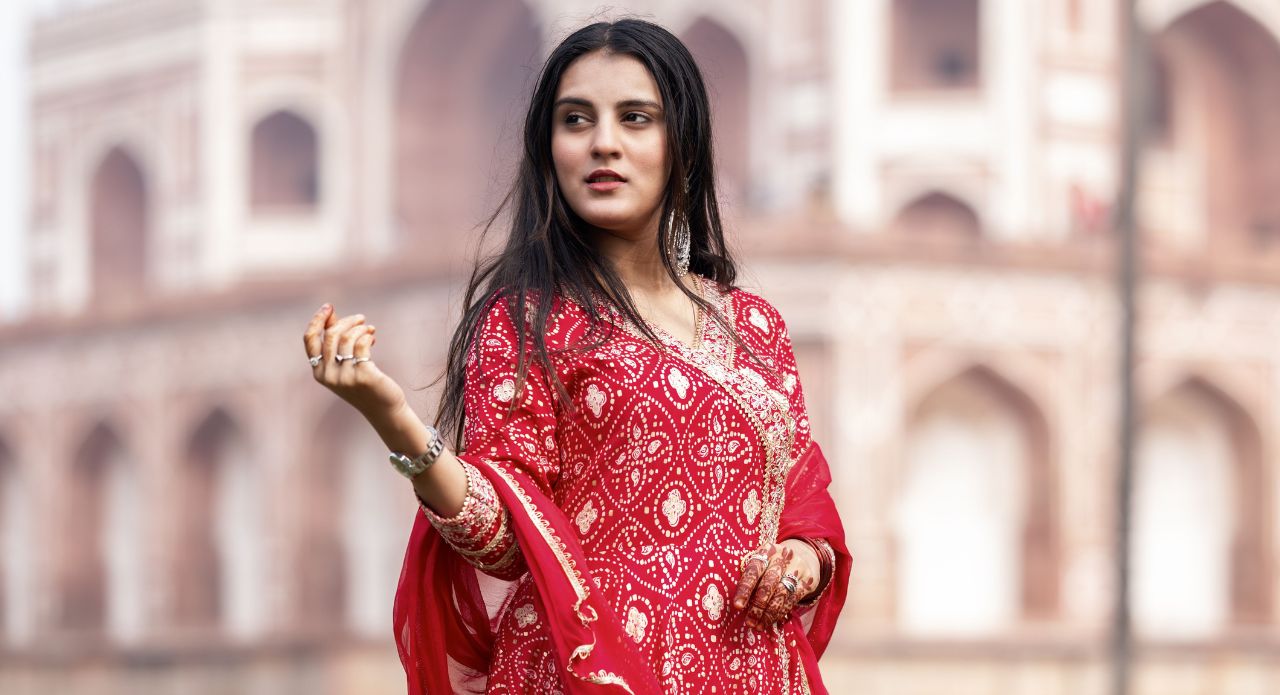
Taking this Indian heritage to a wider platform, Indian brands craft exceptional quality of the ‘Bandhani’ print.
Ritu Kumar is a seasoned Indian designer celebrated for her intricate collections that take traditional art of tie-dye coupled with textile.
Other designers such as Abu Jani-Sandeep Khosla and Anamika Khanna have integrated the ready-to-wear lines, giving the connoisseurs a premium mix of heritage craftsmanship and contemporary style.
Other brands such as Misri by Meghna Nayyar, Mulmul, iTokri, Karaj Jaipur and Zari Jaipur have introduced affordable, modern ready-to-wear trendy pieces that appeal younger audiences.
Torani India, in particular, has captured the attention and admiration of trendsetting celebrities and young fashion enthusiasts in India’s urban centres.