

We spend much of our lives, quietly or consciously, in search of identity. It is a question that follows us everywhere – who we are, where we come from, what we carry forward. Sometimes we look for answers in places we don’t immediately recognise, in memory, in ritual, in the things we inherit without choosing.
Textiles have always been one of those places.
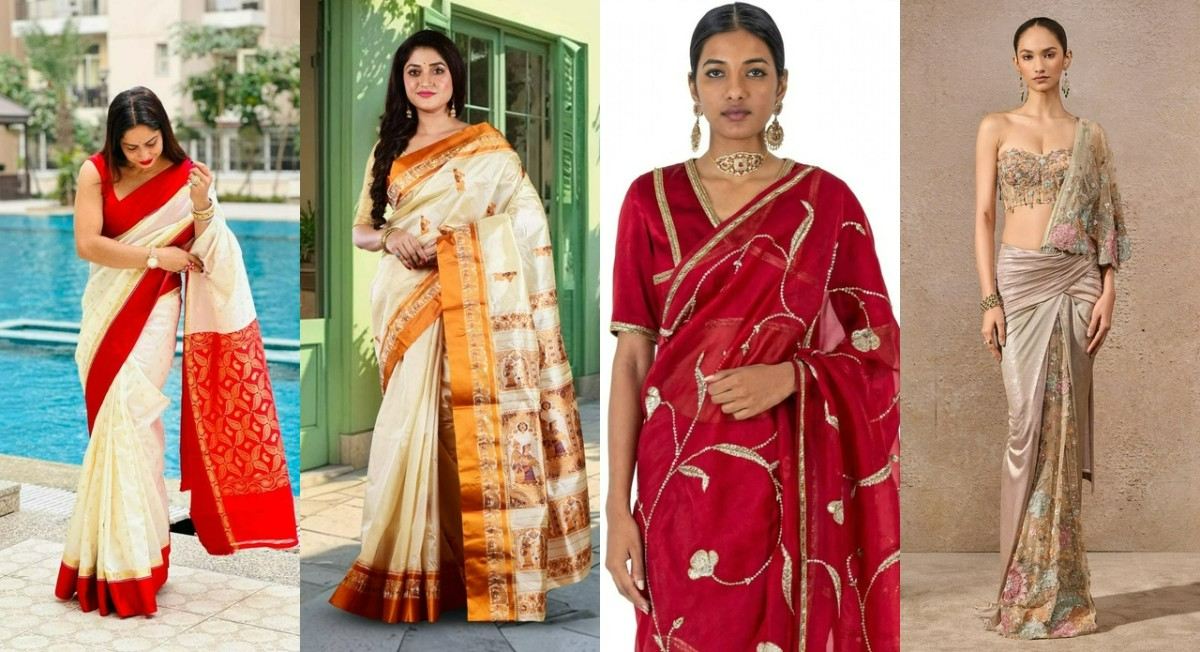
In India, cloth has never been just cloth. It has held identity long before we thought to name it as such. A weave could tell you where someone belonged. A motif could speak of community, of status, of belief. Threads carried geography, but also emotion, passed down, worn close, lived in. Long before the language of fashion, textiles were already telling deeply personal stories.
To understand them, then, is not simply to study craft. It is to come closer to the idea of identity itself. How it is made, how it is expressed, and how it endures.
In much the same way, true luxury isn’t really about acquiring things. It begins with understanding. Indian textiles, perhaps more than most, ask for that kind of attention. They are not just fabrics, but records of trade, ritual, politics, and memory. To read them well is to look past the surface and into the story. These books invite you to do just that.
The Fabric Of India By Rosemary Crill
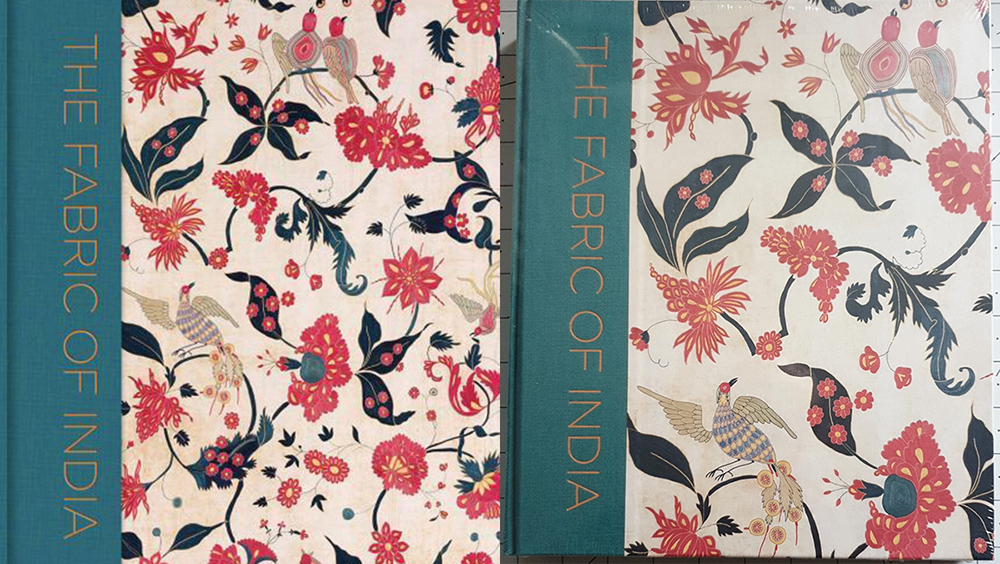
Originally created alongside the Victoria and Albert Museum’s landmark exhibition, this book has the authority of an archive but the clarity of a beautifully told narrative with stunning pictures. What stays with you is not just the scale of India’s textile history but its global influence. Indian cloth travelled far before fashion became globalised. It shaped taste, trade and even empire. Reading this book shifts your perspective. You stop seeing textiles as decorative and start seeing them as powerful tools of politics and identity.
Costumes and Textiles of Royal India By Ritu Kumar
Ritu Kumar writes with the instinct of someone who has worked with textiles all her life. The book explores how royalty dressed, but more importantly why they dressed that way. Textiles here signal rank, alliances and identity.
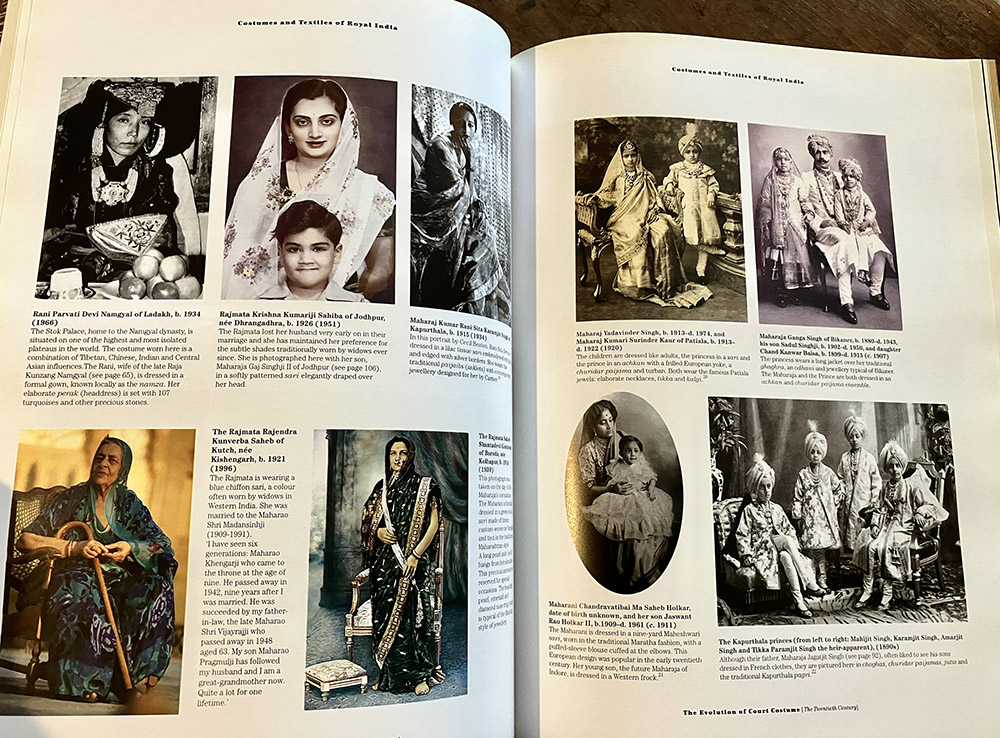
The book also traces the remarkable range of materials and craftsmanship that flourished under royal patronage, from intricate embroideries to richly woven silks, many of which continue to influence Indian textiles today. It helps explain why certain fabrics and styles still hold cultural weight, long after the courts themselves have faded. Visually, it is just as compelling filled with detailed images, archival references, and objects that feel like fragments of a larger, living history.
Tradition and Beyond: Handcrafted Indian Textiles (Rta Kapur Chishti and Rahul Jain)
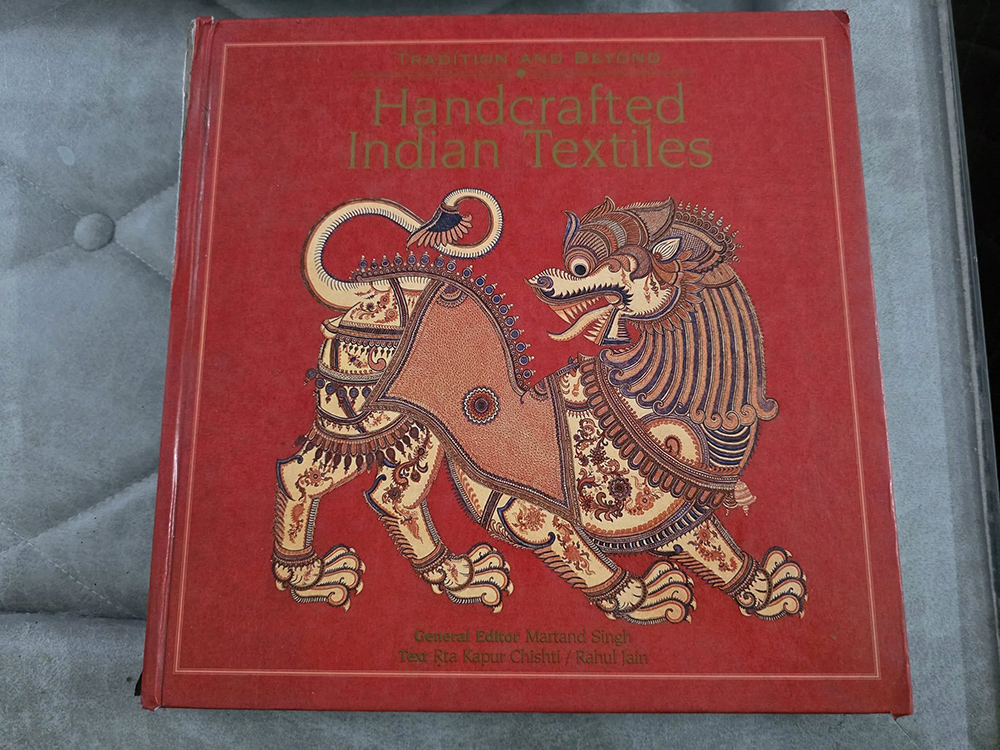
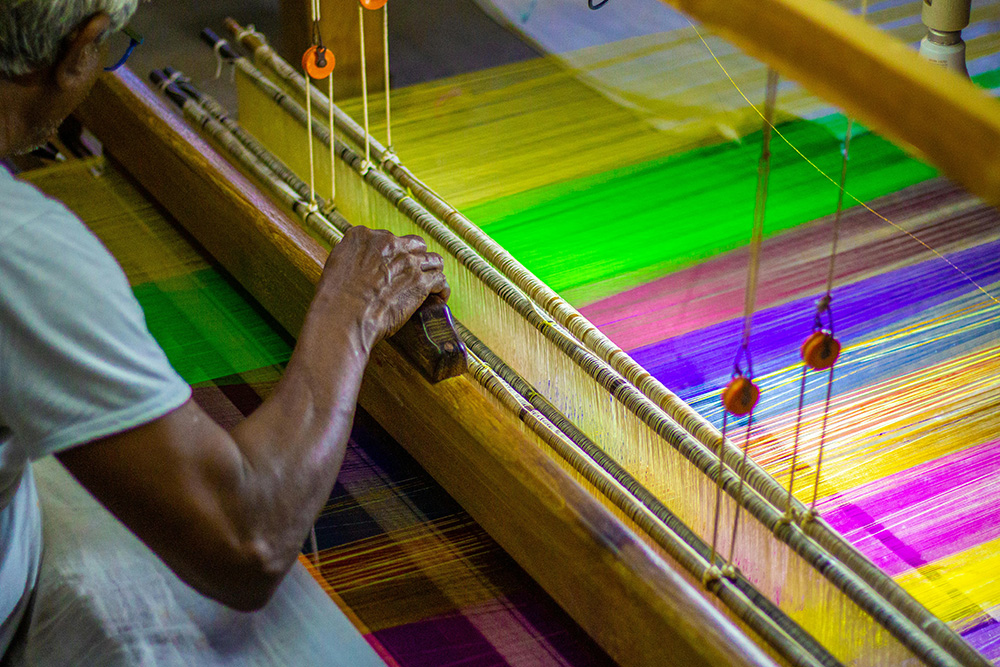
This book shifts your attention away from the finished object and back to where it begins – the loom, the hand, the slow logic of making. Although it includes extensive visual material, its real strength is in the way it breaks down how textiles are actually made.
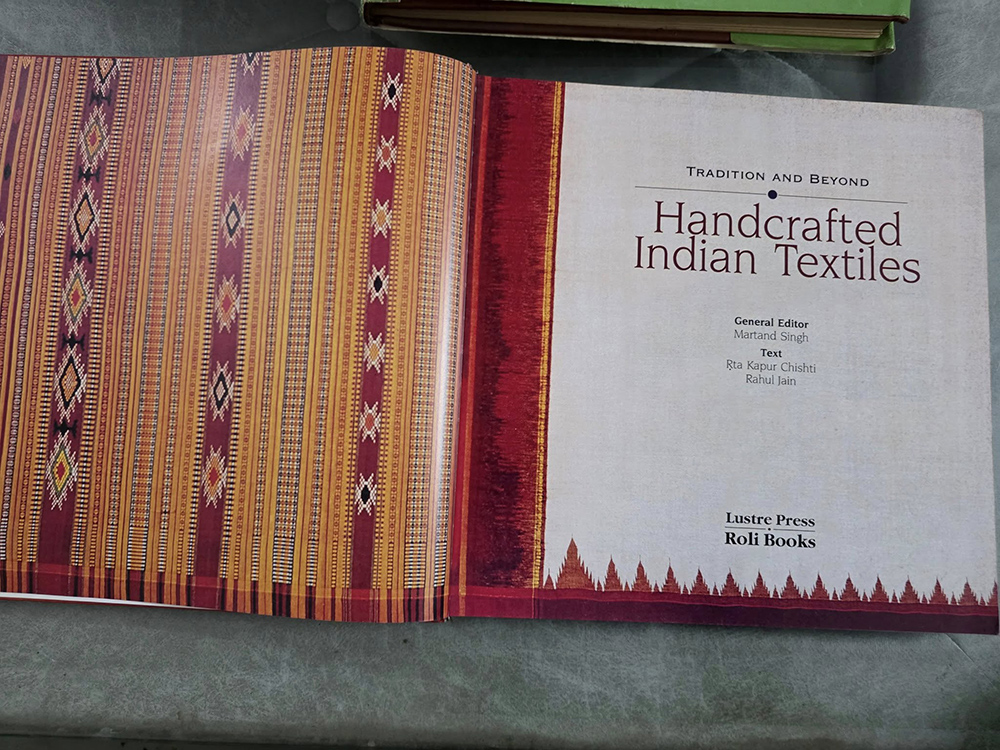
It looks closely at different techniques, such as painting with pigments, working with dyes, printing, and weaving, and uses these categories to show the distinct skill and process behind each form.
Indian Textiles By John Gillow and Nicholas Barnard
India does not have one textile story. It has hundreds. This book travels across regions and communities, showing just how varied that landscape is.
View this post on Instagram
From desert embroidery to coastal prints, every textile is shaped by where it comes from. What makes this book important is its breadth. It reminds you that Indian textiles cannot be reduced to a single aesthetic. They are diverse, specific and rooted in place.
Also Read: Mayyur Girotra Wants You To See The Calloused Hands Behind His Couture, Will You?
Cloth and India: 1947–2015 Edited by Mayank Mansingh Kaul
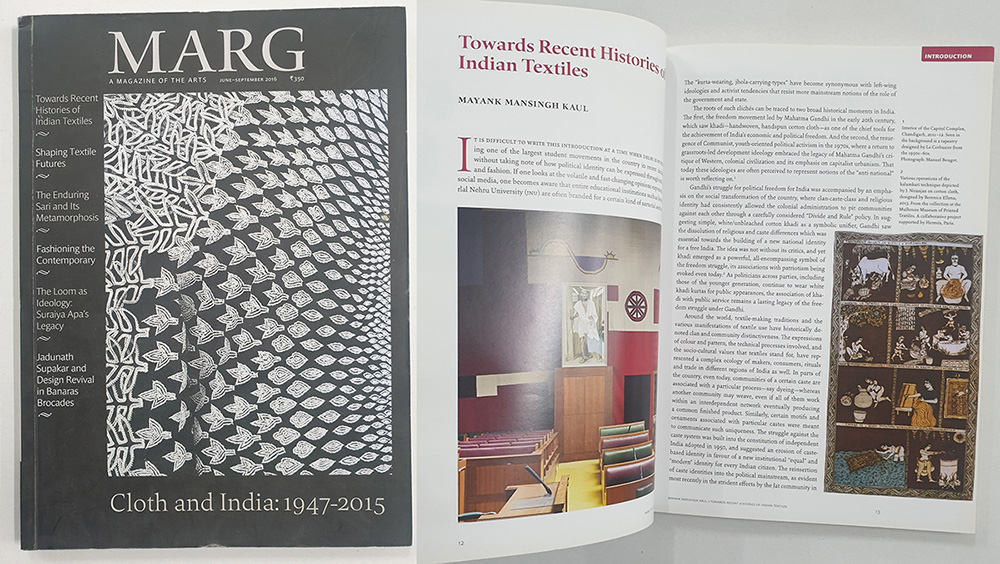
This book brings the conversation into the present. It looks at what happened after independence, when India had to decide what to preserve and what to reinvent. Through essays and images, it tracks designers, movements and shifts in thinking. You come away with the sense that tradition is not fixed. It evolves, sometimes subconsciously, sometimes with intent.
Oying Motsü: The Story of Our Threads By Abeni TCK
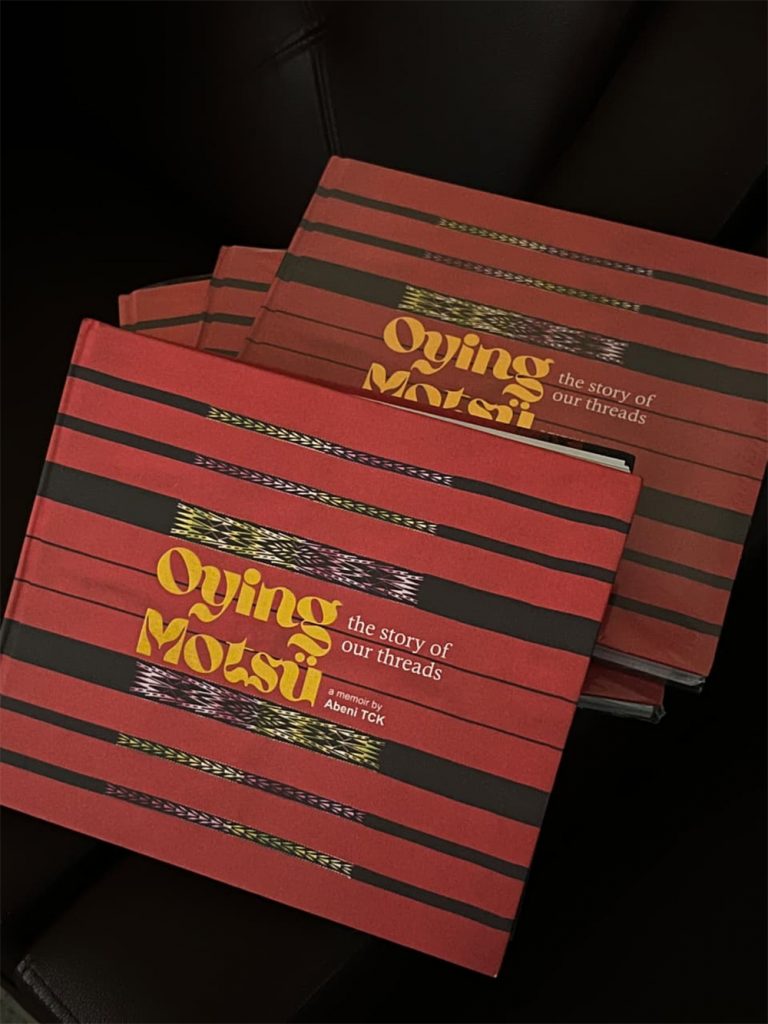
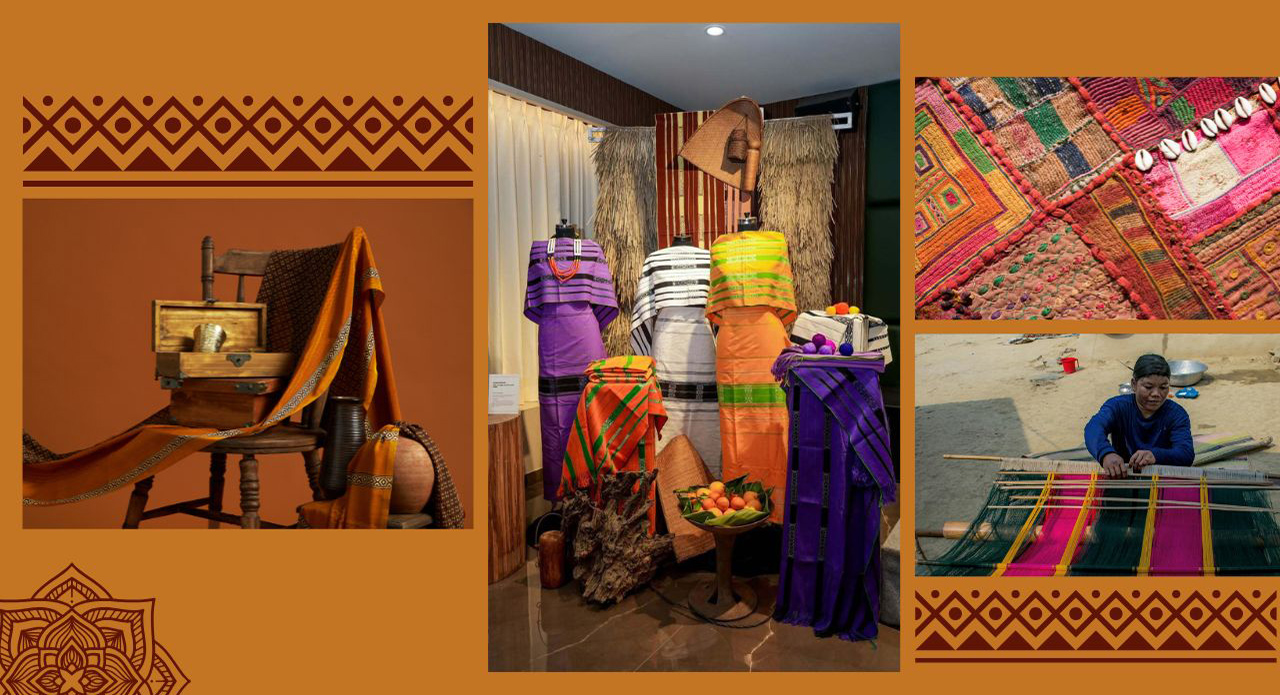
This is the most intimate of the lot. Abeni TCK writes from within the Lotha Naga community from Nagaland, tracing the ancient textile traditions of the Naga people across time, past and present. The book moves between memory and practice, tracing how weaving knowledge is passed down through generations.
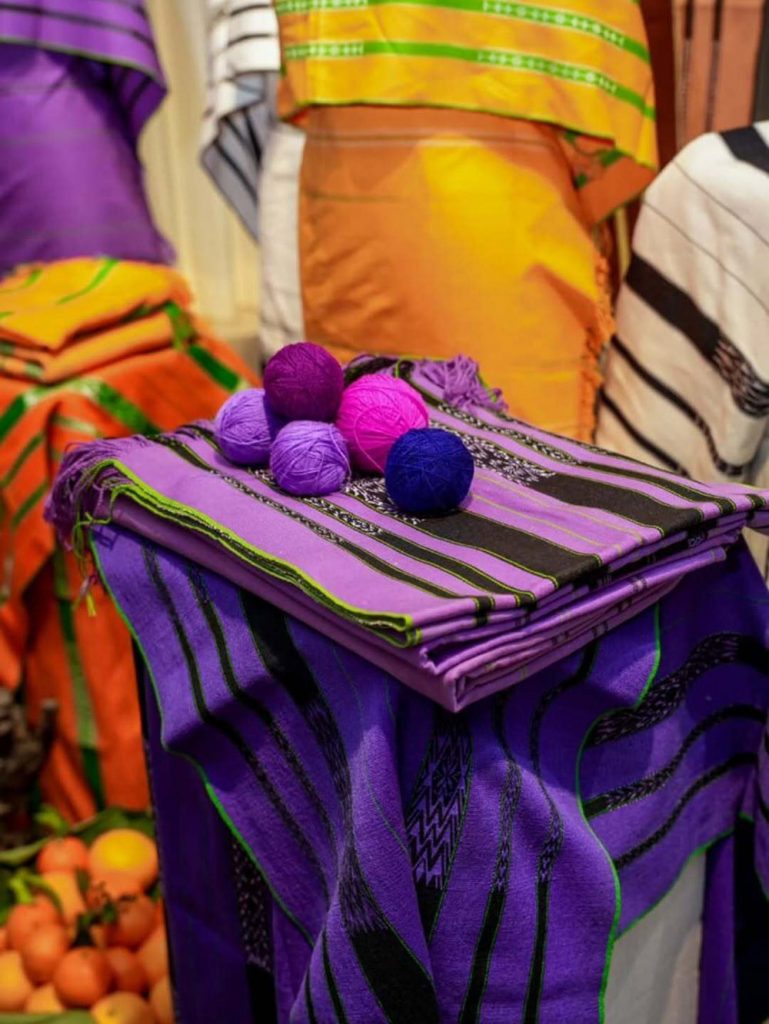
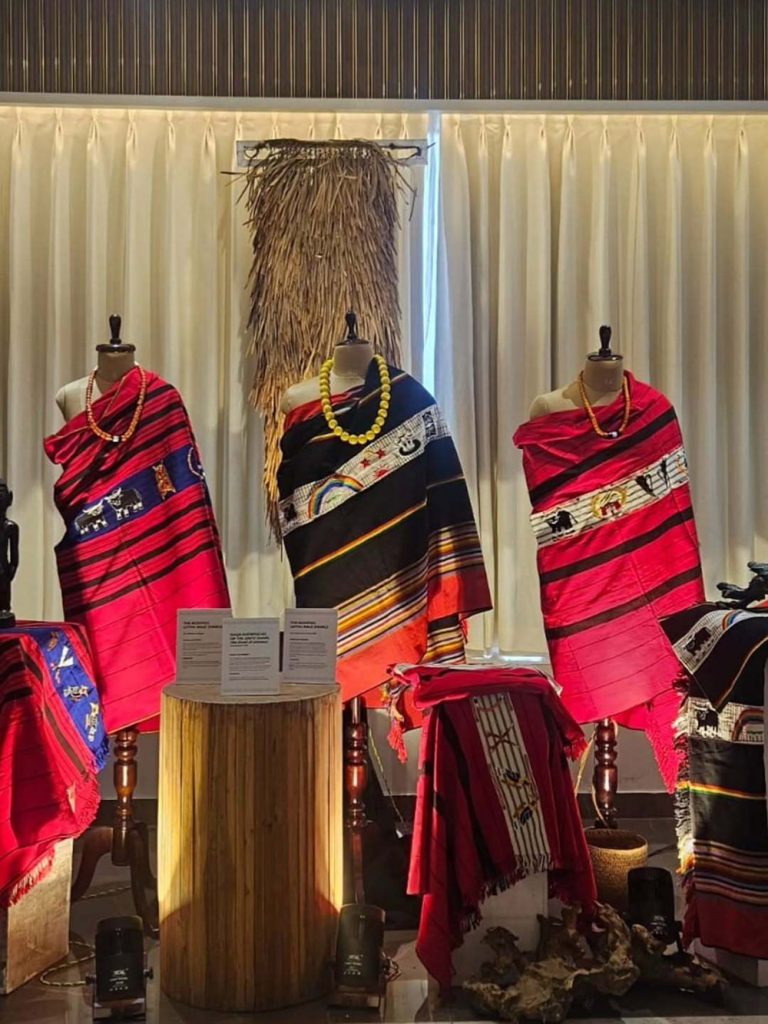
What makes it stand apart is its honesty. There is no attempt to romanticise. Instead, it insists that textiles carry identity of a culture that has survived through centuries of oral tradition. Abeni TCK, a weaver, designer and pioneer in the modern Naga weaving movement, emphasizes that, contrary to what many might assume, the patterns in Naga attire are far more than decorative choices. Each motif has been deliberately selected by ancestors to convey meaning – love, courage, brotherhood. These symbols hold significance for every tribe, village, and clan. They are rooted in identity and belonging, each existing in its rightful place for a reason.
The Final Thread
Identity is not always something we declare. Often, it is something we inherit, something we wear, something we carry without fully realising it. Indian textiles have always held that space. They have preserved stories of who we were, even as everything else changed around them and while we cannot return to that time or fully relive it, we still have books that remind us where we come from.
Also Read: Threading The Margins Into The Mainstream With Manipur’s East Label