


At a time marked by geopolitical uncertainty where sudden border tensions, airspace closures, and shifting visa policies can upend even the most predictable routes, travel has become as much about resilience as it is about discovery. What was once a straightforward journey can now be reshaped overnight by forces far beyond a traveller’s control.
And yet, the digital age has made travel planning more accessible than ever. With 24/7 online booking platforms, travellers can map out complex itineraries with remarkable ease, comparing routes, securing accommodations, and adjusting plans in real time. The illusion of control, however, can be just that – an illusion.
Also Read: The 1% Itinerary: Where The World’s Billionaires Are Headed In 2026
Travelling In An Age Of Uncertainty: Preparing For The Unexpected
Because beyond the convenience of seamless bookings lies a more fragile reality. Trips can unravel due to visa complications, political unrest, flight disruptions, or something as simple and devastating as a lost passport. In this environment, preparation is no longer just about packing efficiently or confirming reservations, it is about anticipating uncertainty and responding with clarity under pressure.
Understanding the risks and knowing how to navigate them can be the difference between a crisis and a manageable inconvenience. If you’re passionate about travel and discovering new destinations, it’s worth being prepared for the unexpected.
Challenges You May Encounter While Traveling Abroad
Here are seven common travel disruptions and how to navigate them with confidence when they arise.
Visa Rejection Or Documentation Issues
‘Documentation errors remain one of the most underestimated risks in international travel,’ warns Tural Alasgarov, CEO and Founder of TURALUX DMC & MICE. He emphasizes that ‘travellers should treat visa applications with the same diligence as a financial investment,’ verifying embassy requirements through official channels, keeping financial statements up to date, and avoiding booking non-refundable tickets before approval.

For destinations with complex rules, he advises that ‘working with an experienced visa consultant or local DMC can prevent costly oversights.’ He recalls instances where business travellers nearly missed flights due to outdated documentation, yet ‘timely reviews allowed them to secure refunds on otherwise non-refundable tickets.’
Over-Tourism Backlash
Access to iconic landmarks like the Eiffel Tower has become increasingly challenging due to over-tourism. In response, travellers are seeking alternative ways to experience destinations, enjoying them while avoiding overcrowded hotspots.

Leena Jhugroo, Managing Director of Travel Lounge Leisure & Tours Ltd., highlights the value of flexibility in travel. ‘Heritage sites often impose strict visitor limits, leaving many tourists unable to enter. Travellers who are flexible and willing to adjust their itineraries—exploring lesser-known experiences instead—often report more meaningful and enjoyable visits than those focused solely on headline attractions,’ she says.
Also Read: UAE Real Estate Market In Trouble As Iran Strikes Shake Investor Confidence?
Lost Passport Or Important Documents
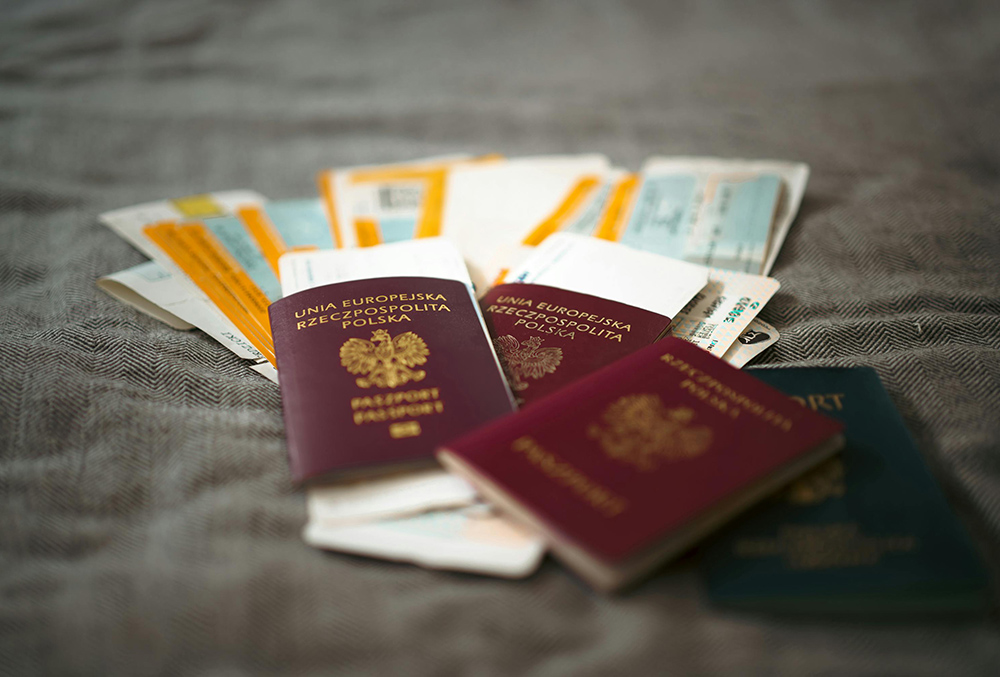
Mira Bid, Managing Director of Muthaiga Travel Limited, stresses the importance of preparedness when travelling. Travellers should keep physical copies of essential documents and secure cloud backups. She recalls losing her passport during a road tour in Kenya, noting that ‘thanks to electronic document backups and prompt communication with the embassy, I was able to report the loss quickly and continue my travel plans with minimal disruption.’
Political Unrest Or Sudden Travel Advisories

Mira Bid, Managing Director of Muthaiga Travel Limited, also emphasizes the importance of vigilance in uncertain times. ‘Geopolitical situations can change rapidly. Staying informed through official travel advisories, avoiding protest-prone areas, and relying on trusted local DMCs or ground contacts for real-time updates are crucial.’
She adds, ‘Having access to emergency funds—like cash and flexible tickets—provides an extra layer of security. During unexpected protests in Nairobi, travellers who worked closely with their local partners were able to reroute safely and shift meetings or events online until conditions stabilized.’
Financial Disruptions (Card Blocks or Cash Shortages)
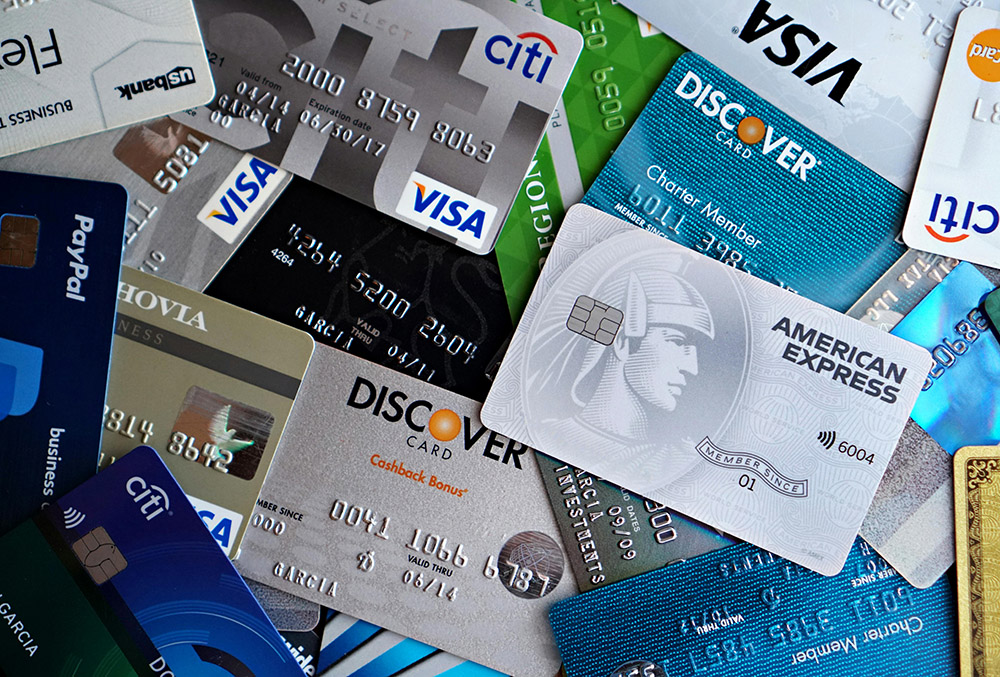
Leena Jhugroo, Managing Director of Travel Lounge Leisure & Tours Ltd., warns, ‘Declined debit or credit cards while travelling internationally are more common than many realise. Travellers should notify their banks before departure, carry multiple cards separately, and keep a reserve of local currency. Digital payment backups also provide valuable protection.’
She adds from experience, ‘I’ve seen travellers struggle at hotel checkouts due to blocked cards, but those with alternate payment methods were able to resolve the situation smoothly while their banks addressed the issue.’
Baggage Loss

Tural Alasgarov, CEO and Founder of TURALUX DMC & MICE, highlights how baggage issues can derail travel plans. He says, ‘lost or delayed luggage can significantly disrupt a trip, so essentials like a change of clothes, medications, and valuables should always be in carry-on luggage.’ He also recommends photographing checked bags before handing them to the airline and reporting any missing items immediately.
Health Emergencies Abroad
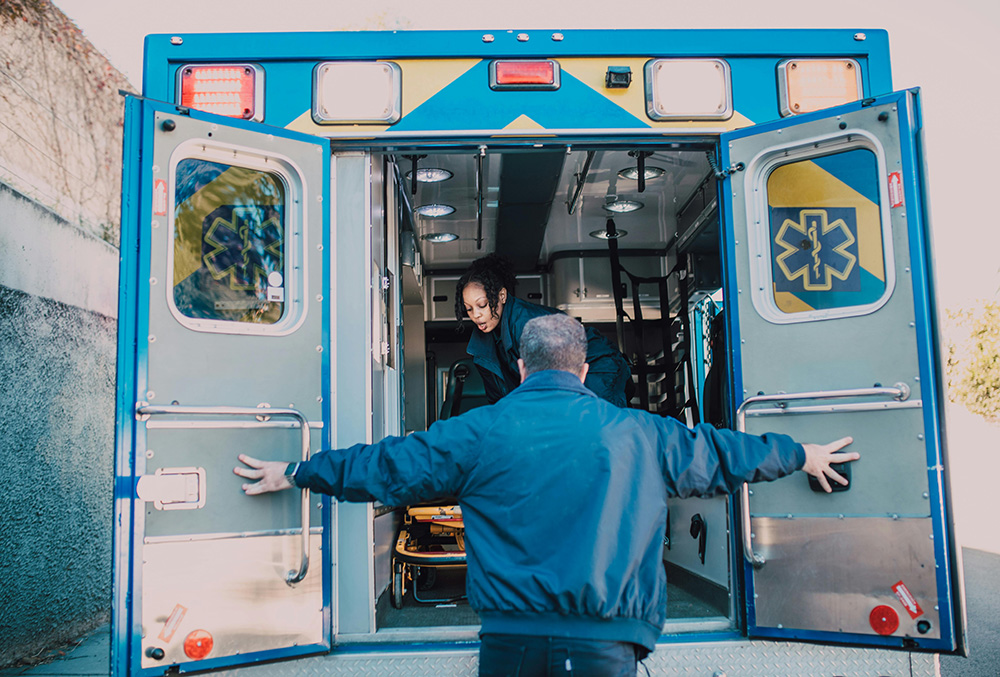
Unexpected illnesses or injuries can quickly derail a trip if travellers are unprepared. It’s essential to have comprehensive travel insurance, carry a basic medical kit, and know the location of nearby hospitals or clinics. Vaccinations and any regular medications should be up to date, and digital copies of prescriptions can be lifesavers. Being proactive can turn a potential health crisis into a manageable situation, ensuring your journey continues safely.
Navigating the Unexpected: Strategies For Safer, Smarter Travel
While travel offers the thrill of discovery, it also comes with uncertainties that can test even the most seasoned travellers. By anticipating potential disruptions – from visa issues and over-tourism to lost documents, financial hiccups, and health emergencies, travellers can respond calmly and decisively. Preparation, flexibility, and the right local support are key to transforming challenges into manageable experiences, ensuring that every journey remains memorable for all the right reasons.