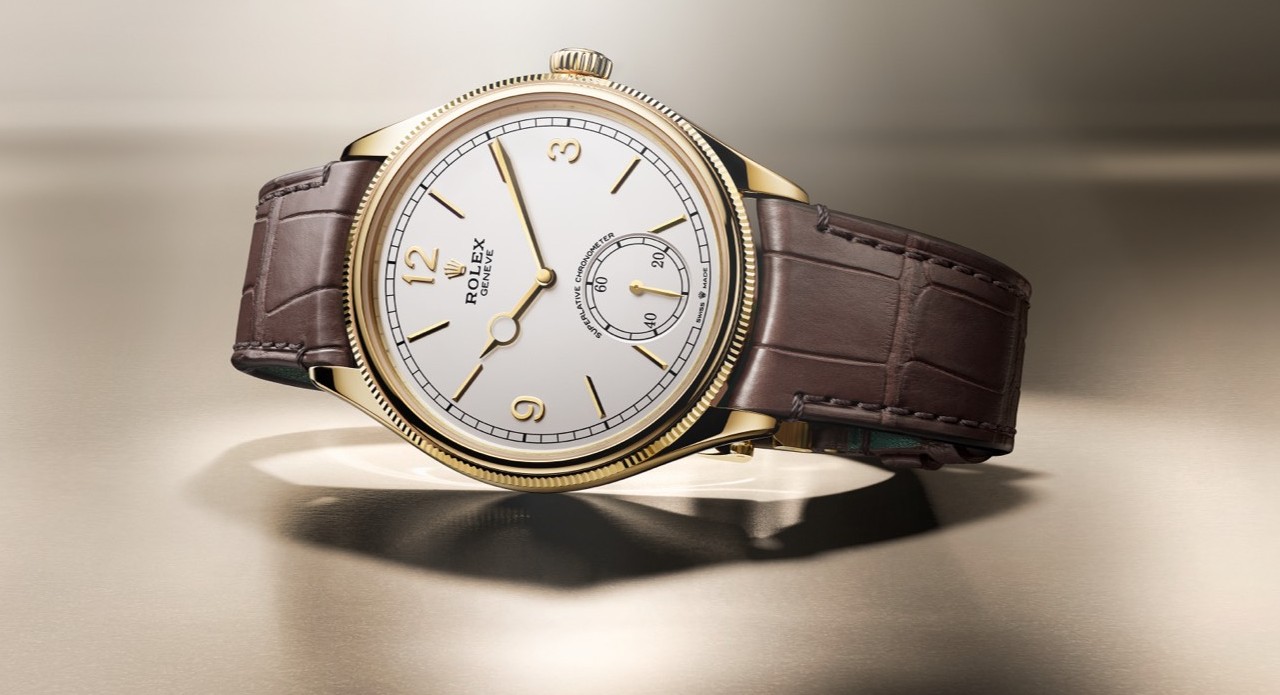


There was a time, not so long ago, when watch brands seemed to believe that the human wrist had evolved into something roughly the size of a frying pan. Forty-four millimetres? Perfectly sensible. Forty-seven? Why not. If your cuff could still close, clearly the watch was too small. It was the age of oversized bravado, when every sports watch wanted to look like it could survive re-entry from space and every boardroom executive wore something that looked capable of opening a bank vault. And then, quietly, something rather clever happened.
Collectors started looking backward. Not toward louder watches, but smaller ones. Toward 36mm Oyster cases, elegant 34mm dress watches, and vintage proportions that felt more like tailored clothing than mechanical body armour. Suddenly, size stopped being a flex and started becoming a question of taste.
When Smaller Was Simply Normal
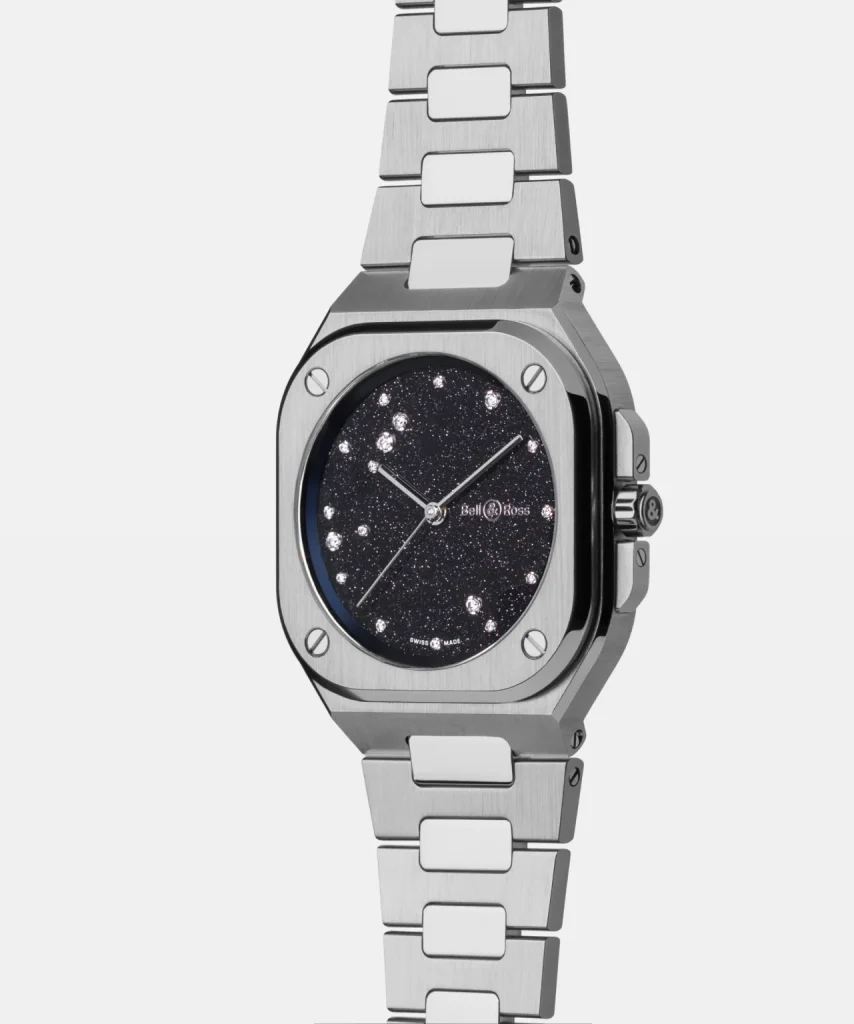
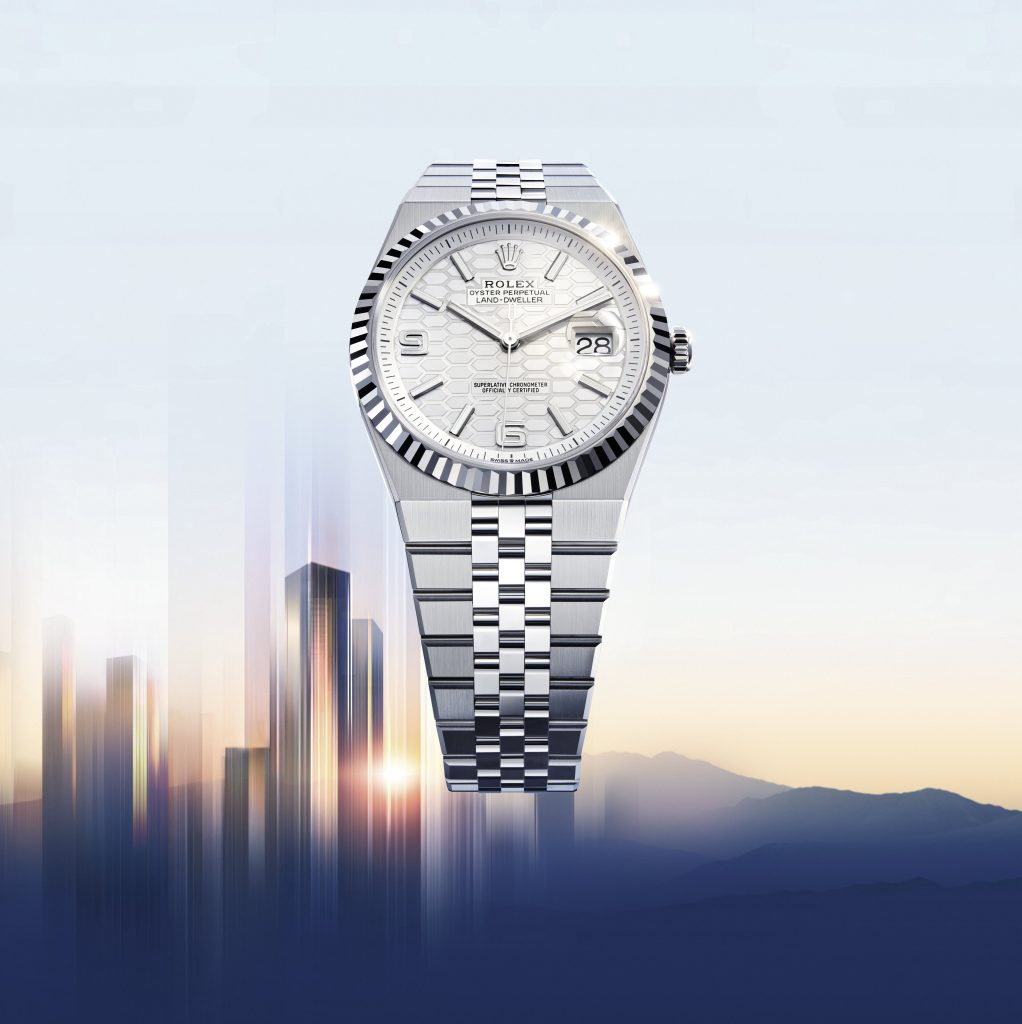
For most of watchmaking history, small cases were not a niche preference, they were the standard. Look at the golden decades of Swiss watchmaking, from the 1940s through the 1970s, and you will find icons like the Rolex Datejust, the Omega Seamaster, and early Patek Philippe Calatrava pieces sitting comfortably between 34mm and 36mm. Even sports watches, by modern standards, were restrained.
The original Rolex Submariner looked elegant rather than aggressive. Early Cartier Santos models were compact, refined, and wore like jewellery with purpose. This was not because people had smaller wrists or weaker egos. It was because proportions mattered. A watch was meant to complement the wrist, not dominate it like an architectural feature.
Then Came the Big Watch Era
The late 1990s and early 2000s changed everything. Luxury shifted toward visibility. Watches became status symbols worn loudly rather than appreciated quietly. Brands like Panerai made oversized cases desirable, and suddenly the industry followed. Bigger meant sportier. Bigger meant richer. Bigger meant you were apparently important enough to require your own satellite dish on your arm.
Celebrities embraced giant chronographs, athletes wore watches that looked like gym equipment, and the market convinced itself that subtlety was for people without ambition. Collectors bought in. For a while. But trends built on excess usually end the same way: exhaustion.
Also Read: How To Start Your Watch Collection: A Beginner’s Guide To Building The Perfect Collection
Why the Shift Happened
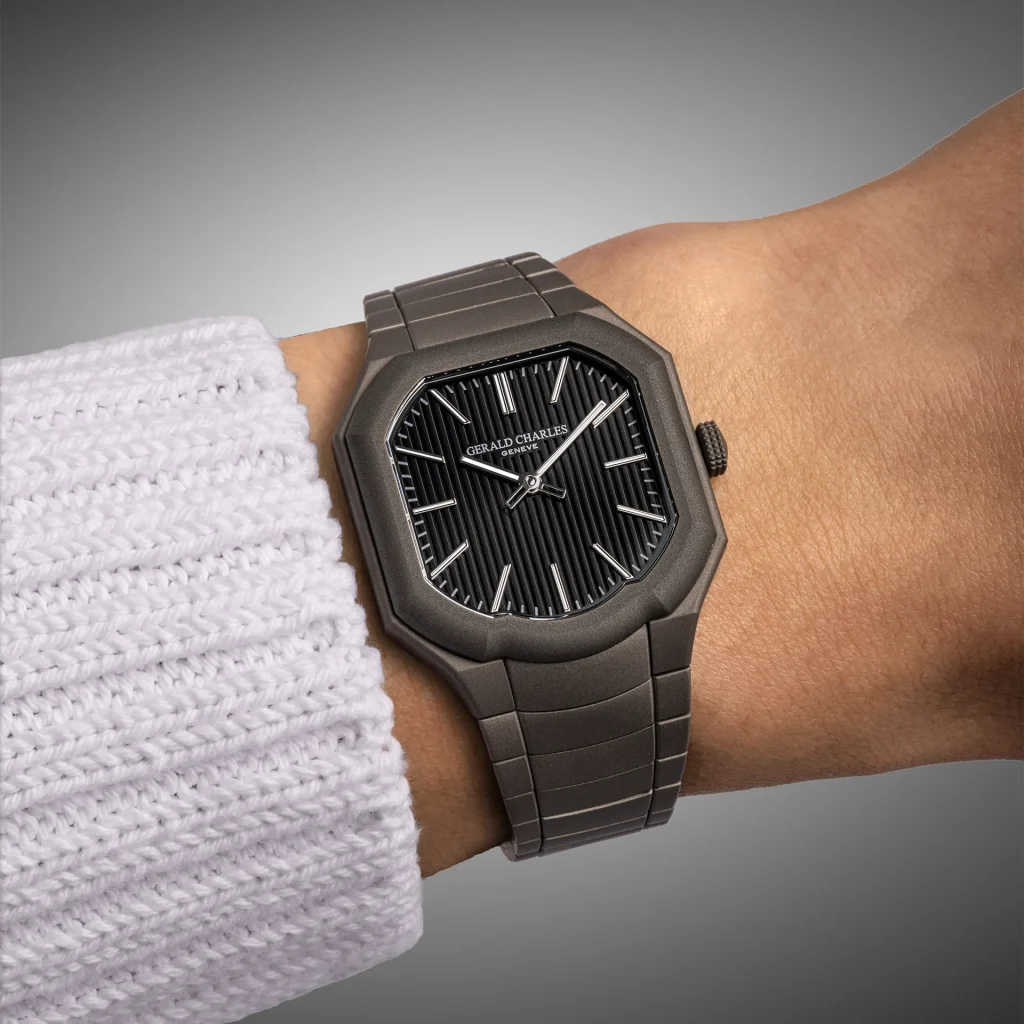
The return to smaller watches is not nostalgia alone. It is maturity. Collectors today are more informed. They read auction catalogues, study vintage references, and understand that the most elegant watches in history were rarely oversized. They realise that a 36mm watch with the right proportions can wear better than a bulky 42mm piece trying too hard.
Vintage collecting played a major role. As enthusiasts spent time with older references, they discovered something surprising: smaller watches feel better. They slide under cuffs, balance beautifully on the wrist, and possess a kind of confidence that does not need to announce itself. There is also the influence of modern reissues. Brands like Tudor, Longines, and Omega began releasing heritage-inspired pieces in restrained dimensions, proving that collectors were ready for proportion over presence. And then, perhaps most importantly, people simply got tired of knocking their watches into door frames.