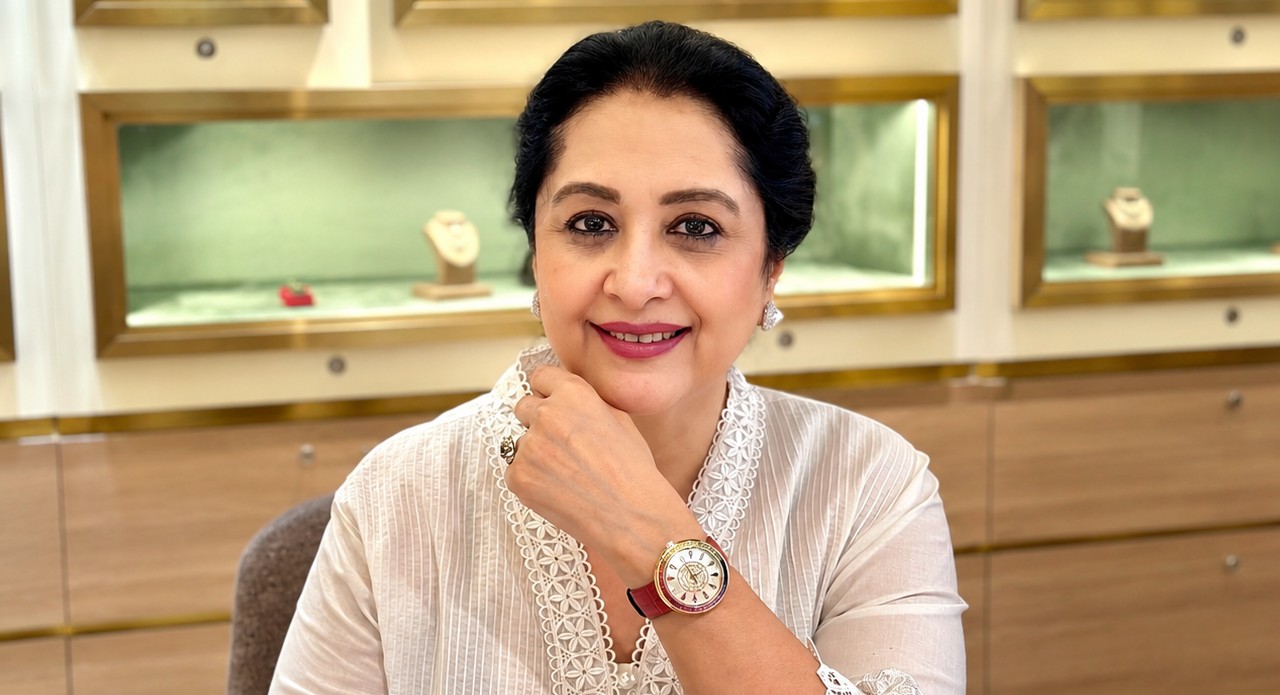


A great watch collection is never built in a hurry, not assembled like a shopping list, but gathered like chapters in a life well lived, with each piece carrying its own memory, milestone, and mood. Some watches arrive as rewards, some as quiet reminders of where you began, and some simply because they speak to a part of your personality that words cannot quite explain. In the hands of the right collector, a Franck Muller becomes more than a bold design statement, a Rolex becomes more than a symbol of success, and a Cartier becomes less about jewellery and more about identity itself. Add Mother’s Day to that conversation, and suddenly, watches stop being accessories altogether and become something far more meaningful: legacy pieces that hold stories, strength, elegance, and the kind of timeless presence that deserves to be passed on. Outlook Luxe sat with Rachna Wadhwa, Founder, Time and Style, on building a luxury watch collection shaped by emotion, individuality, and the enduring value of legacy.
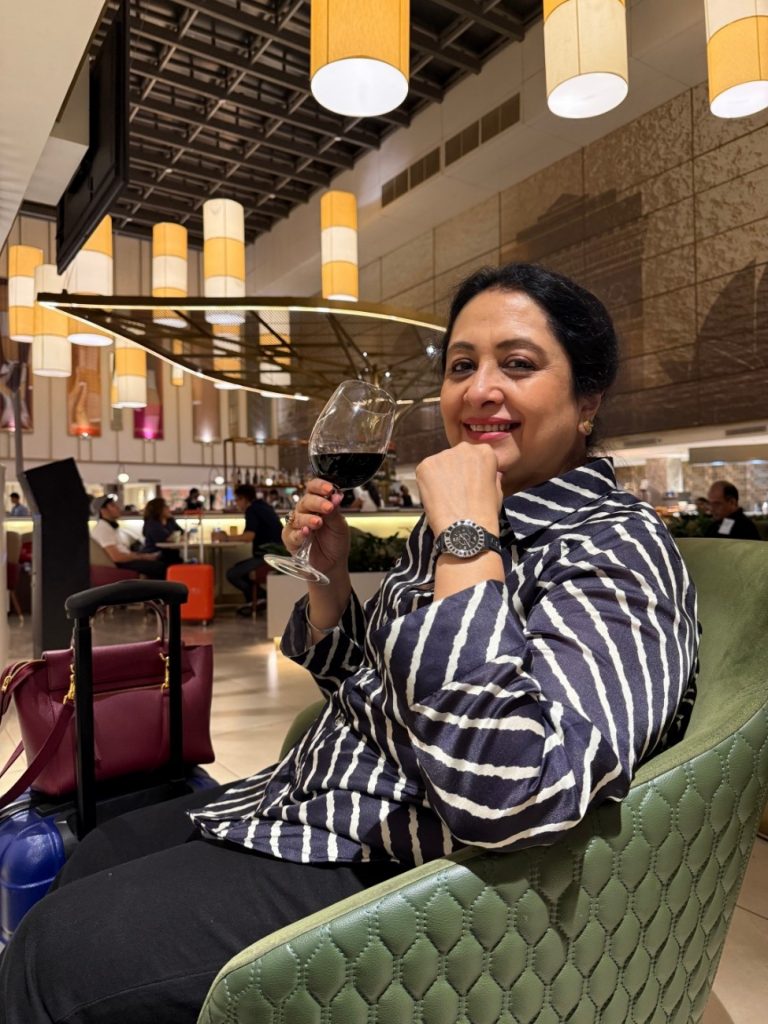
Q1. Before we talk watches, tell us about Rachna Wadhwa the person. What first drew you towards the world of luxury, design, and personal style?
Rachna Wadhwa: I was not from the watch industry at all. After marriage, I came into this industry and gradually started working with my husband. At that time, we were more focused on distribution, while retail was something I opened for myself. As a person, I have always liked luxury watches. I am drawn to brands that are full of craftsmanship and have great movements. I am very particular about brands. If you tell me to buy a microbrand at half the price, I may not buy it. Luxury is one segment that attracts me, not only in watches but also in bags and clothing. Luxury has always been my preference.
Also Read: Top 6 Watches for Mother’s Day 2026: Elegant And Timeless Picks For Every Mom
Q2. As the Founder of Time & Style, what was the original vision behind the business, and how has that vision evolved over the years?
RW: When we started Time & Style, the concept was very different because people were not that educated about watches. Whatever we used to tell them, they would buy based on trust and faith in us. Now, the entire system has changed. People come fully educated and already know what they want to buy. You cannot convince them; you have to give them exactly what they require. They know everything about the watch, so you also have to be very well educated while speaking to the client. Earlier, a client would simply come and say they had a budget and ask what I would advise. At that time, brands like Rado and Raymond Weil were more common choices. We would guide them based on things like finishing and durability, and they would trust that recommendation. Today, it is completely different.
Q3. Watches are often deeply personal objects. When did your own relationship with fine watchmaking begin, and what was your very first serious watch purchase?
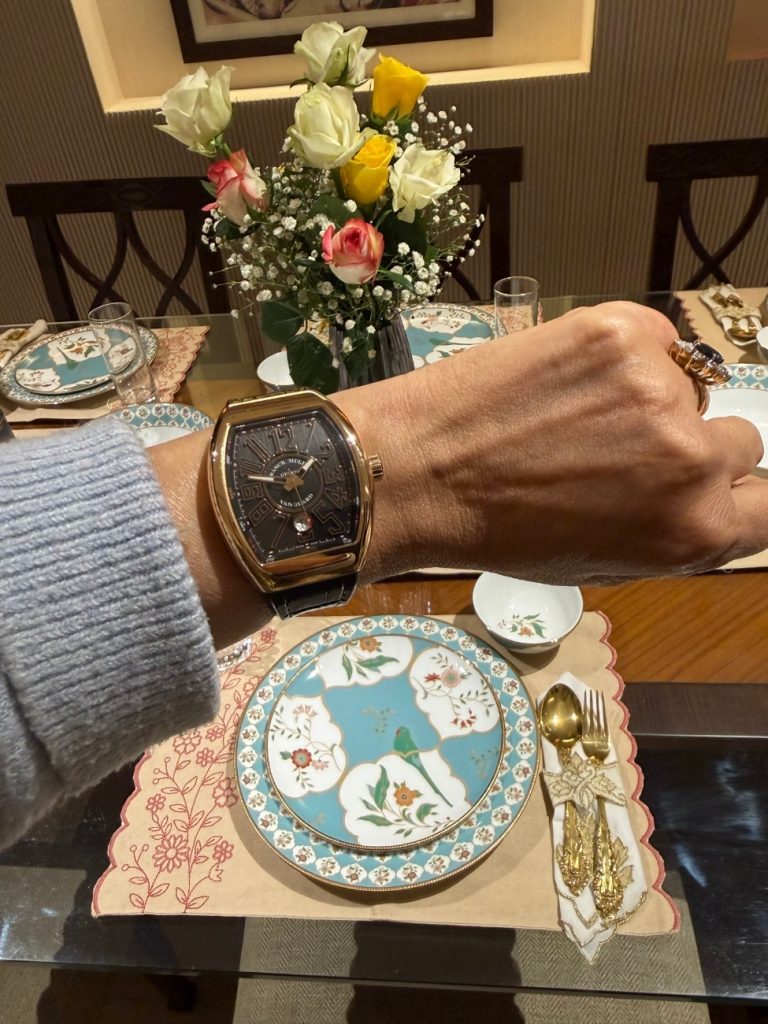
RW: When you are surrounded by watches all the time, they naturally become your passion. My first serious watch purchase was an Omega, around 25 years ago. Before that, I had Raymond Weil, Rado, and other watches, but when I thought of buying a truly good brand, it was Omega. My husband and I bought it as a pair watch at that time.
Q4. Your collection reflects both bold statement pieces and timeless classics. How would you describe your collecting philosophy: emotional, aesthetic, investment-driven, or a mix of all three?
RW: It is a mix of all three, but I never buy a watch looking only at investment. Whenever I buy a watch, I first see how it looks on my wrist. It may not be about size because I wear a 31 mm, and also a 36 mm, and I also wear Franck Muller in a tonneau shape. If something looks good on my hand, then I feel like buying it.
Secondly, I always look at brand equity. If I am investing in a brand, it should be a watch brand, not an apparel or fashion brand. That is always in my mind. Unless there is something I really like, like my Chanel watch, which I bought because I loved the concept and it was very different.
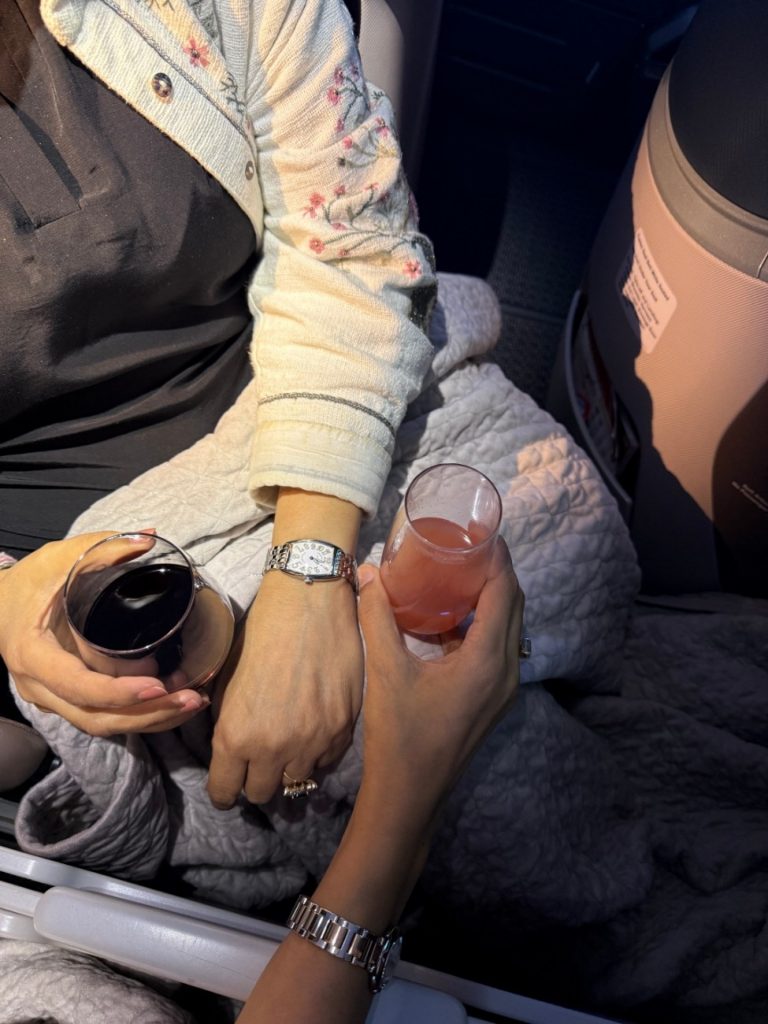
Q5. The Franck Muller Vanguard and Casablanca are two very distinct personalities within the same maison. What attracted you to these pieces, and how do they reflect different sides of your personality?
RW: Whenever I wear a Franck Muller, it is always eye-catching. People do not look at anything else; they immediately say, “Wow, what a watch are you wearing?” because it is a gold watch and it stands out. Nobody really has that tonneau shape in that big size. Mine is a mid-size, so both men and women can wear it, and that makes it even more attractive.
The Casablanca was also an old collection. When I bought it, the tonneau shape was still very unique and not so common. Later, bigger cases became more popular, but at that time it felt very special. That one was full steel, while the other one was in rose gold.
Q6. Franck Muller is known for its unconventional design language. Do you find yourself naturally drawn to watches that stand apart rather than blend in?
RW: Yes, absolutely. That is the main reason. Whenever I wear that watch, people notice it. Not once, but so many times, I have worn it and every time at least two or three people in a group ask me what brand or what watch I am wearing. Normally women wear smaller sizes or watches with diamonds on the side, but mine is a bigger mid-size watch, and that is exactly why it attracted me so much.
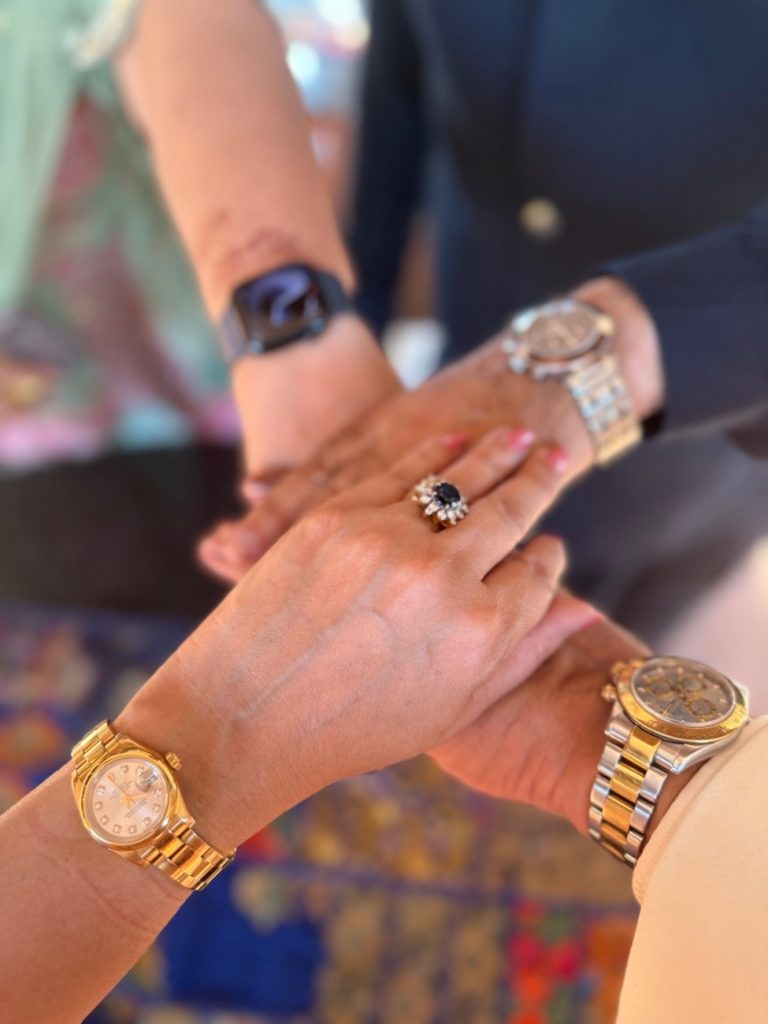
Q7. Your Rolex Oyster Perpetual Datejust with diamonds and a mother-of-pearl dial feels like a classic expression of elegance. What made that particular configuration special for you?
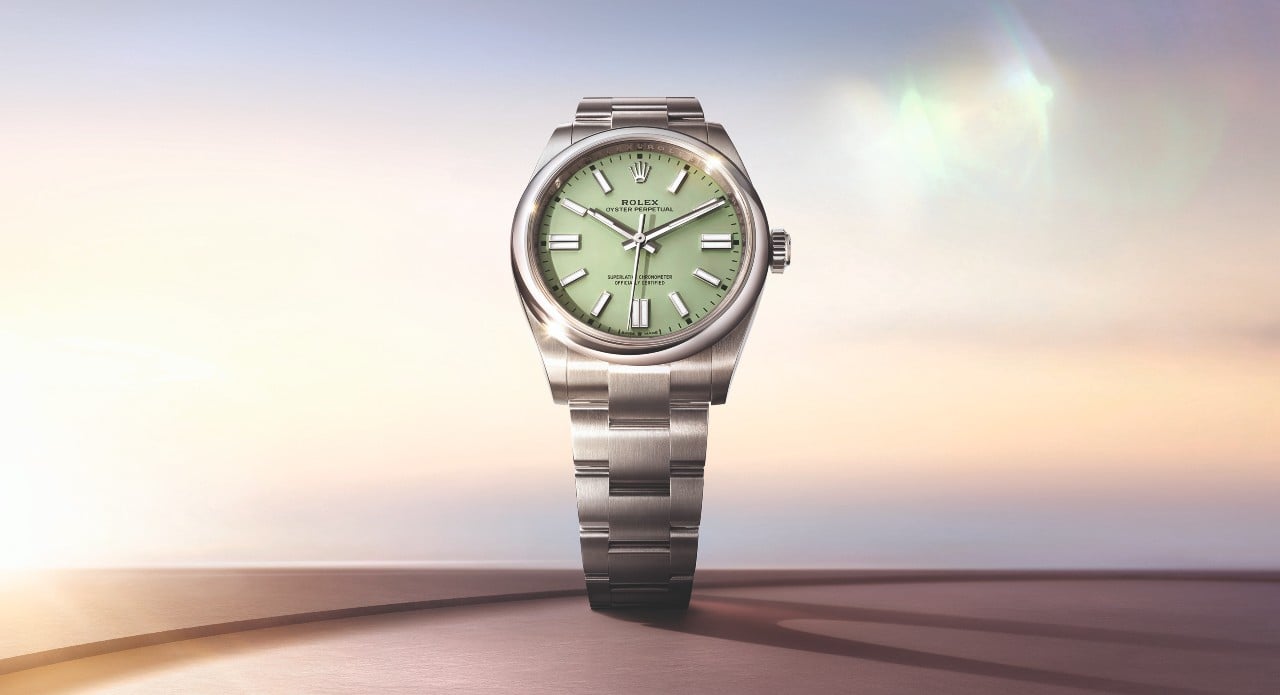
RW: When I bought that watch, rose gold had just become a very new trend. I do not like diamonds on the outside bezel because that becomes too flashy and you cannot wear it every time. What I liked was the smaller case size and the diamonds placed inside, which added more elegance to it. It felt refined rather than overly blingy. Also, the rose gold concept was very fresh at that time, and that is what made me choose it.
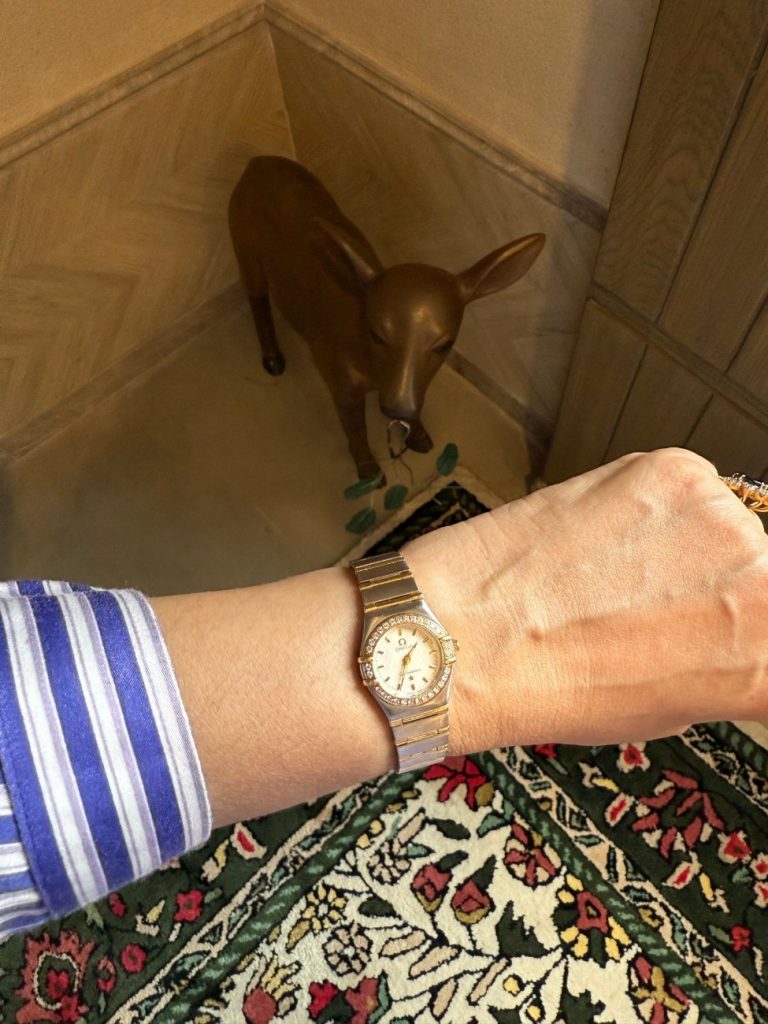
Q9. The Omega Constellation with diamonds carries a strong heritage of feminine sophistication. What does that watch represent in your collection compared to your other pieces?
RW: That particular watch is very close to me because it was my first serious watch. At that time, I did not have much of a collection apart from the lower-range watches. I wore that Omega 24×7 for years and years. Later on, I didn’t wear it as much, but if I am unsure what to wear with an outfit, I always pick up my Omega. Sometimes I still feel Omega is the best to wear.
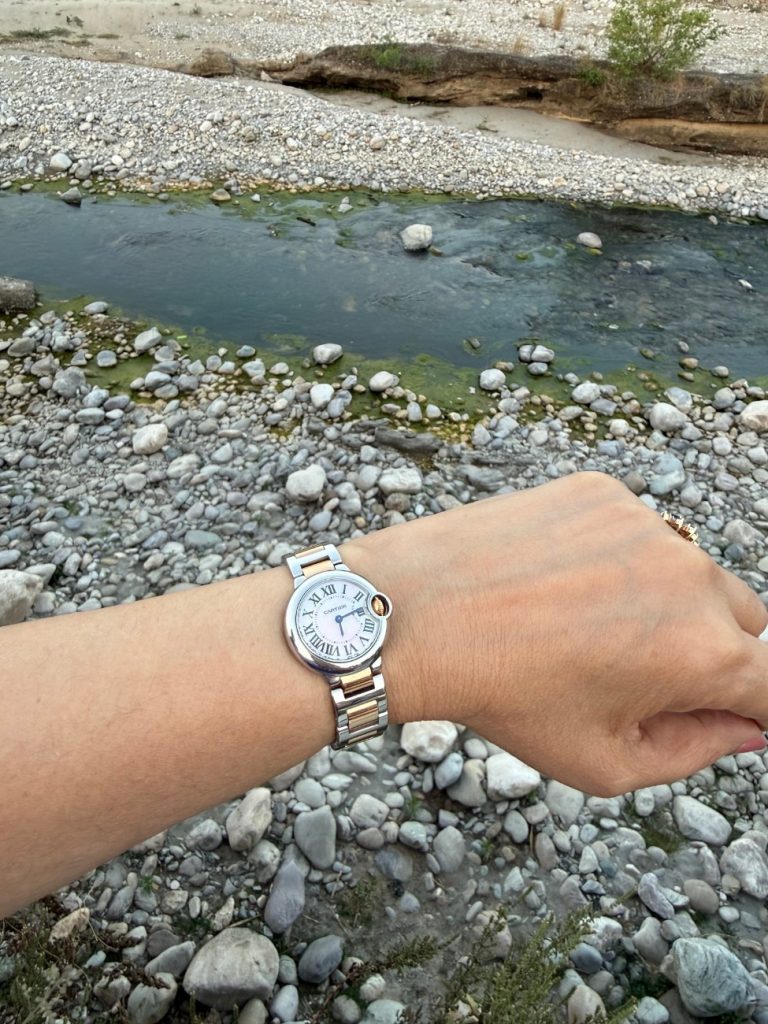
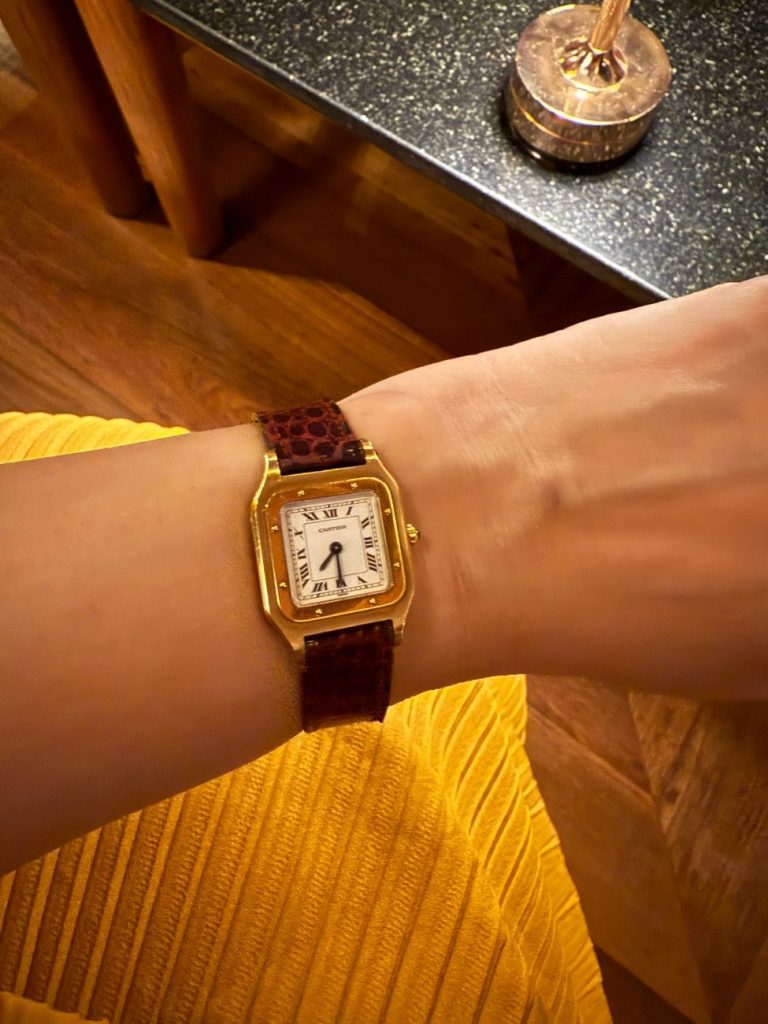
Q10. Your Cartier collection covers three very different design languages. What is it about Cartier that keeps bringing you back, and which one feels most like your power watch?
RW: Cartier has craftsmanship, elegance, and subtle design. When you look at the watch, there is always some history behind it. For example, the Tank watch—I came to know that it was designed inspired by the shape of a military tank, and that stayed in my mind when I bought it. Then there is the Ballon Bleu, where I loved the crown design because it is covered and protected by the side border. That felt very different. I like to wear different kinds of watches, not similar ones. I do not go too deep into technical details. I mainly focus on the brand and the quality of the product.
Q11. Since this conversation comes around Mother’s Day, was there an early lesson from your mother that shaped the way you approach life, business, or success today?
RW: When I talk about my parents, they made sure I received a very good education, and for that I am very grateful. Because of that, I am able to do business today.
Honestly, I never thought I would be doing business. I wanted to become a doctor, but early marriage happened and everything changed. I entered a business family, and from there I built myself into this world. Family support is always there, and only then can you work and grow.
Q12. Watches often become emotional heirlooms passed through generations. Is there a watch, a piece of jewellery, or even a personal memory connected to your mother that still holds special meaning for you?
RW: Of course. I have three watches from my mother—an Omega, a Citizen, and a Titoni. I do not wear them, but they stay by my side, and just seeing them makes me feel happy.
The Titan watch was very special because it had interchangeable cases. There was a concept where you could match the case with your outfit by changing the outer part. It was a very beautiful watch. My mother bought it from Rome, if I remember correctly, and that memory stays with me.
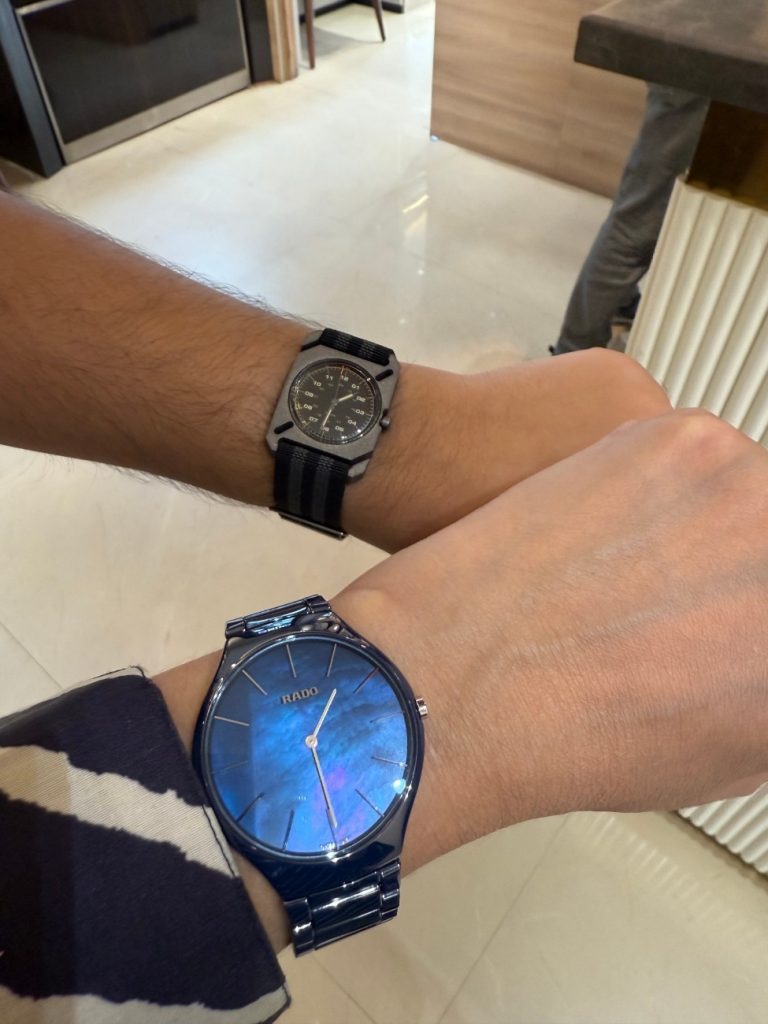
Q13. If you had to choose one watch from your collection that best represents the strength, elegance, and timeless presence of motherhood, and also pass it down as a legacy piece, which one would it be?
RW: That is a difficult question. Honestly, I would like to pass all of my watches to my daughters. None of my watches are trendy or fancy; they are all very classic watches. Every watch is special to me because every one has its own history and memory of when I bought it. So, for me, I would not like to choose just one. I would want to pass all of them because they are all precious to me.