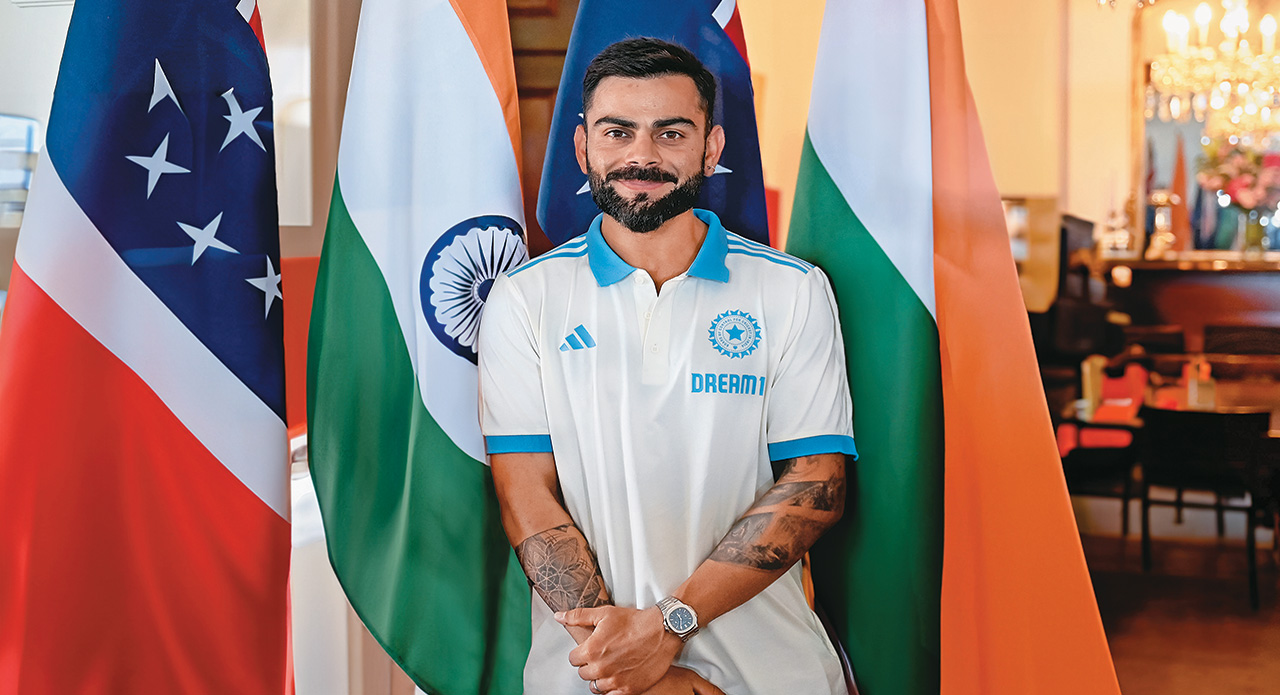


Just as art moved from décor to investment, luxury watches are undergoing a similar shift, from accessory to asset. What was once worn is now being scrutinised for value. Collectors today are not just buying watches. They are underwriting them.
The questions at the counter have changed: Which model holds resale value? Which brand has a proven auction history? Which piece is rare enough to appreciate and how quickly? In this new landscape, a watch is no longer just about time. It is about timing. “The average appreciation in luxury watches tends to be in the range of 5 to 10 per cent annually, factoring in inflation and currency movements,” says Gaurav Bhatia, director at Art of Time, a multi-brand luxury watch retailer with boutiques across Mumbai, Delhi NCR, Bengaluru, Pune and Chennai.
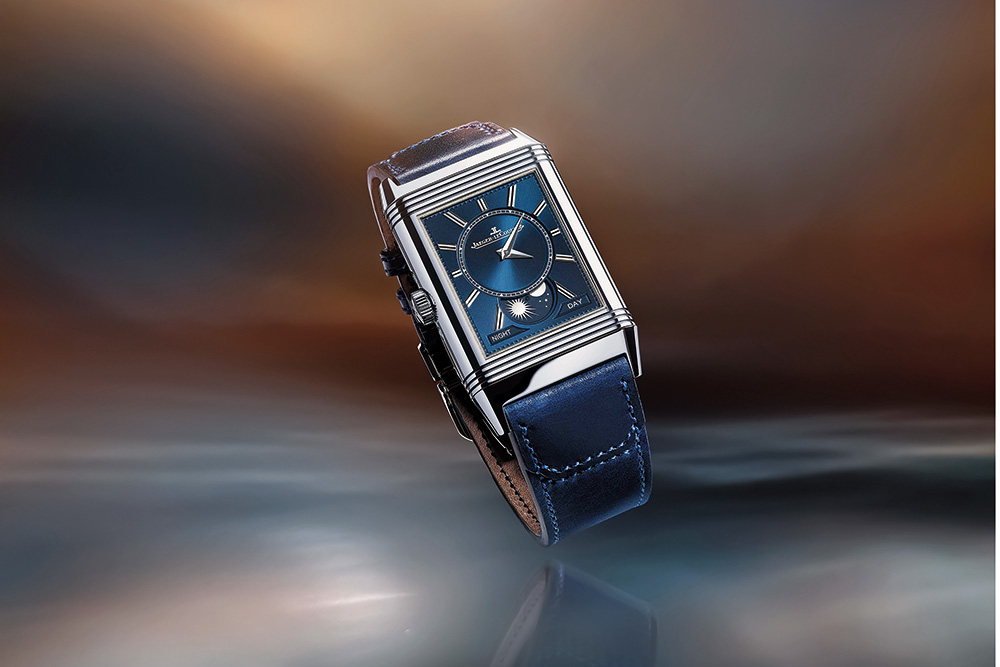
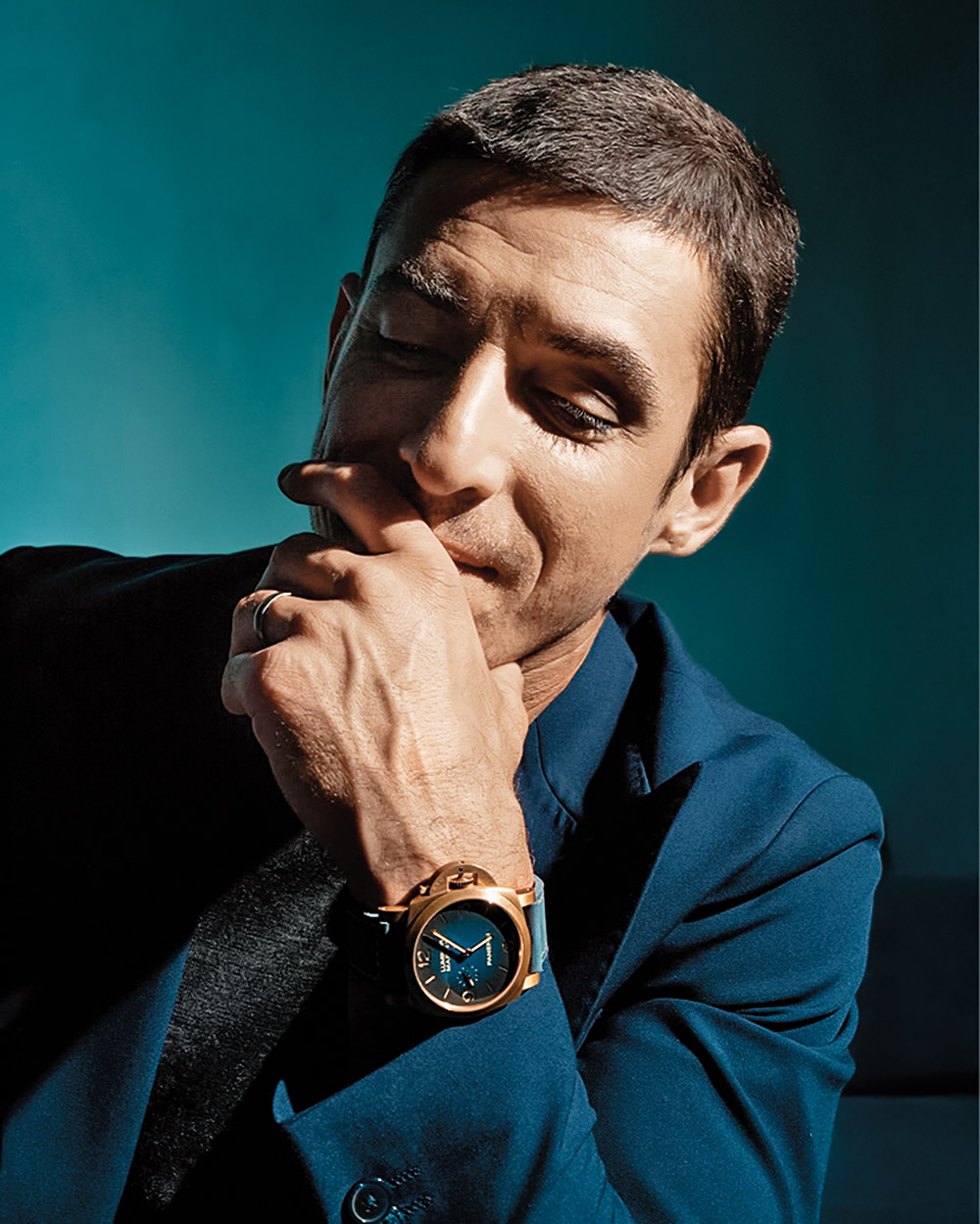
His co-founder, Bharat Kapoor, points to specific models that illustrate this shift from ownership to investment. “The Cartier Santos, priced at around Rs. 6.5 lakh in 2019, is now valued closer to Rs. 9 lakh. The Reverso Tribute Duoface Calendar, often referred to by collectors as the ‘Millerighe’, has seen a significant appreciation with wait times stretching beyond six months and values nearly doubling since 2018.” He adds that certain references consistently hold or grow in value. “Models like the Cartier Tortue, Cartier Guichet, Panerai Bronzo, Milanese Reverso variants, and the Omega Speedmaster Silver Snoopy Award have demonstrated strong resale performance over time.”
However, luxury watches in India remain a niche, evolving market. The resale ecosystem is still nascent, it is growing, but is far from mature.
The Myth of Steady Returns
Luxury watches do not behave like traditional investments and do not compound steadily. They hold value, with occasional spikes driven by rarity, demand and timing.
For Sarosh Mody, director and founder of Luxury Watch Works, a Mumbai-based authorised luxury watch service and restoration company, the idea of watches as an investment demands nuanced understanding. He says- “Globally, the secondary market peaked around 2021–22 and has since corrected. Over time, the luxury watch market typically grows at about 5 per cent CAGR. A few select models such as Rolex, Audemars Piguet, Patek Philippe may see stronger appreciation, in the range of 5 to 12 per cent over a longer horizon.”
But unlike equities, watches do not follow a predictable upward curve. “They are not compounders,” he adds. “They behave more like spike-and-plateau assets. Values can remain flat for years and then move suddenly, triggered by a discontinuation or a strong auction result.”
That unpredictability is also where risk enters. “I’ve seen buyers pay well above retail out of fear of missing out. When the market corrects, those same watches can drop 15 to 20 per cent from those inflated levels.”
In luxury watches, ownership is only the beginning. What follows is judgment, of timing, preservation, and knowing what truly holds value.
Not All Watches Are Assets
A few watches behave like assets. Most remain what they have always been – objects of desire, not guaranteed returns.
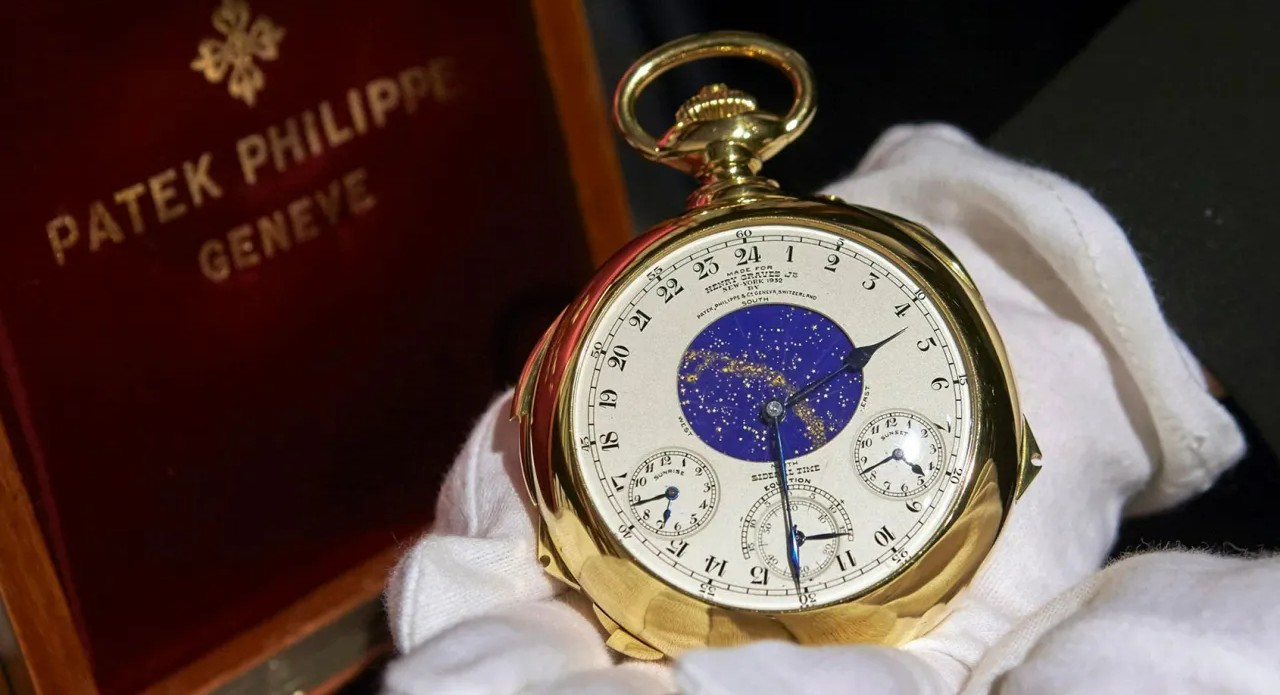
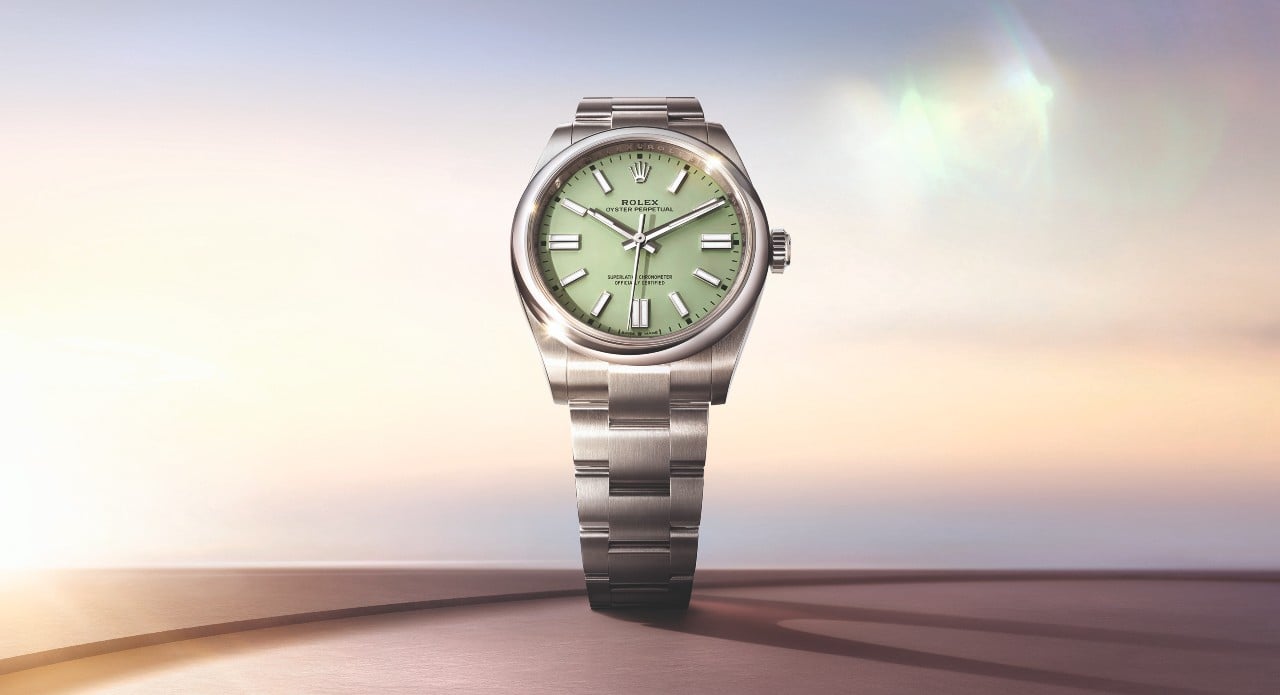
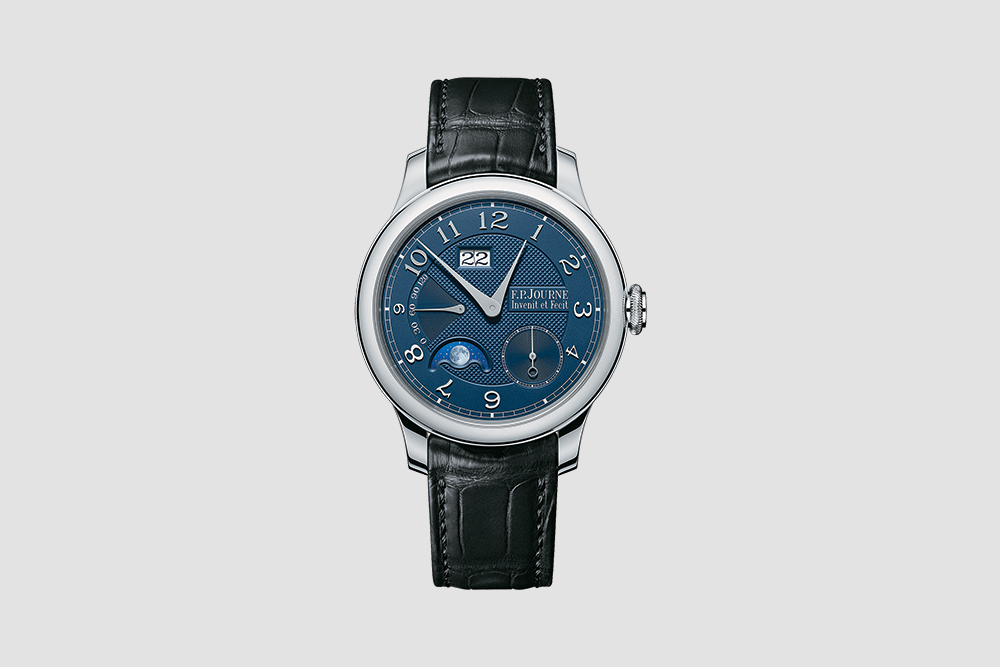
Luxury watches may be making the transition from accessory to asset but only selectively. Watch connoisseur Mody points out, “Brands like Rolex, Patek Philippe and Audemars Piguet have started to behave like financial assets. Independent watchmakers such as F.P. Journe and Richard Mille are even more sought after. But this does not apply across the board.” The distinction is critical. “Most watches still depreciate. Only a small percentage truly function as assets though that number is gradually growing.”
For those looking beyond the artisanal or emotional appeal, the approach needs to be measured. “You have to be mindful. Buy through official channels, be cautious of premiums, and verify sources in the pre-owned market. It’s no different from investing. You study the asset, or rely on experts who can guide you and help you see through the hype.”
Celeb Hype vs Real Value
Celebrity ownership in luxury watches often drives desirability, but not necessarily long-term value.
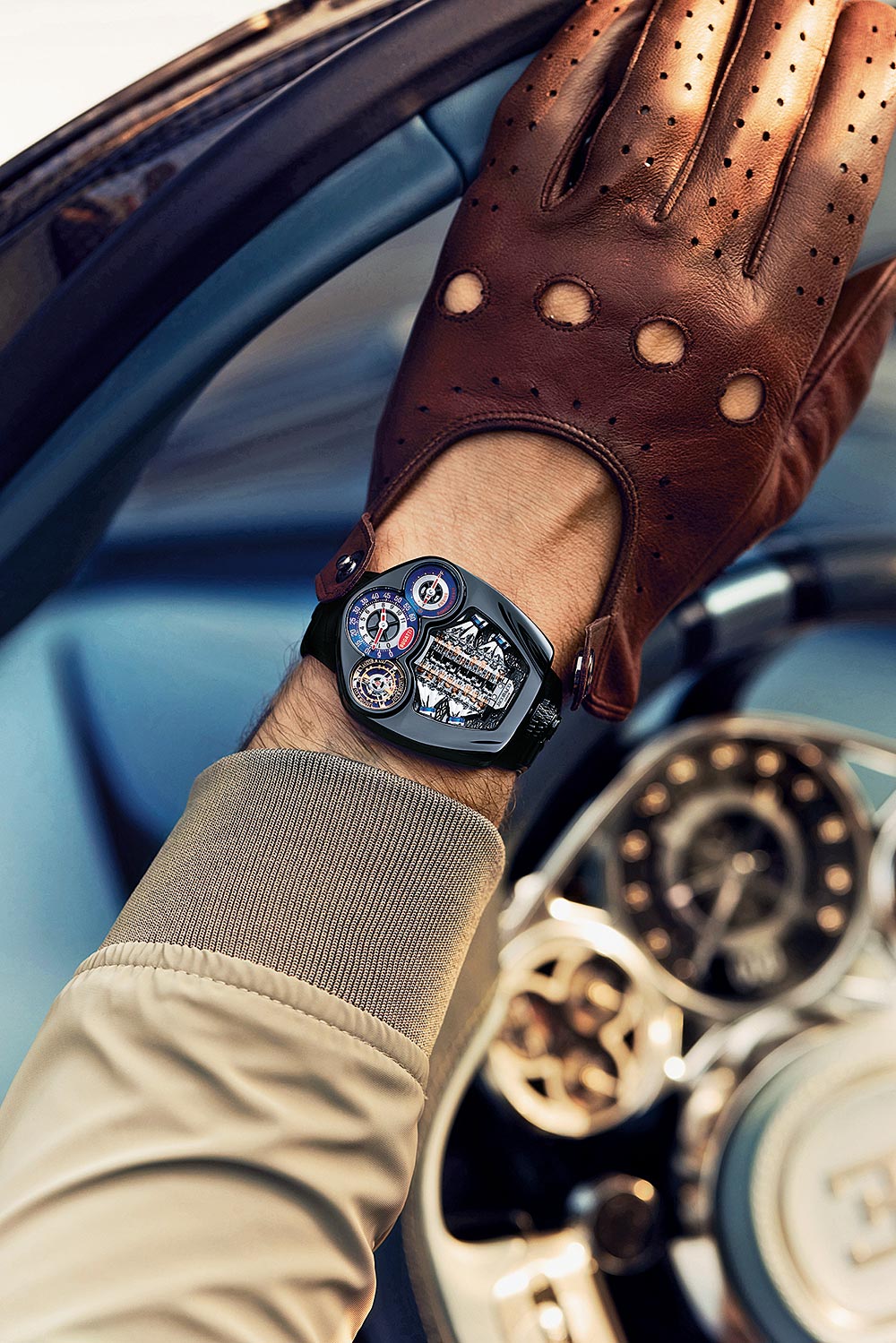
Take artists like Badshah and Karan Aujla, both of whom frequently showcase high-end pieces such as the Rolex Day-Date, Audemars Piguet Royal Oak and Patek Philippe Nautilus. Their visibility amplifies aspiration and cultural relevance, especially among younger buyers, turning these watches into status symbols.
However, market value is not driven by celebrity association alone. It is the classic, factory-set versions—like a steel Nautilus or a standard Royal Oak—backed by rarity, limited production, and brand legacy that hold or appreciate in value. In contrast, heavily customised or diamond-set pieces, often seen on celebrities, may attract attention but typically do not perform as strongly in the resale market.
The pattern is clear: while celebrity association amplifies visibility, it is brand pedigree, scarcity and collector demand that determine whether a watch holds or grows its value.
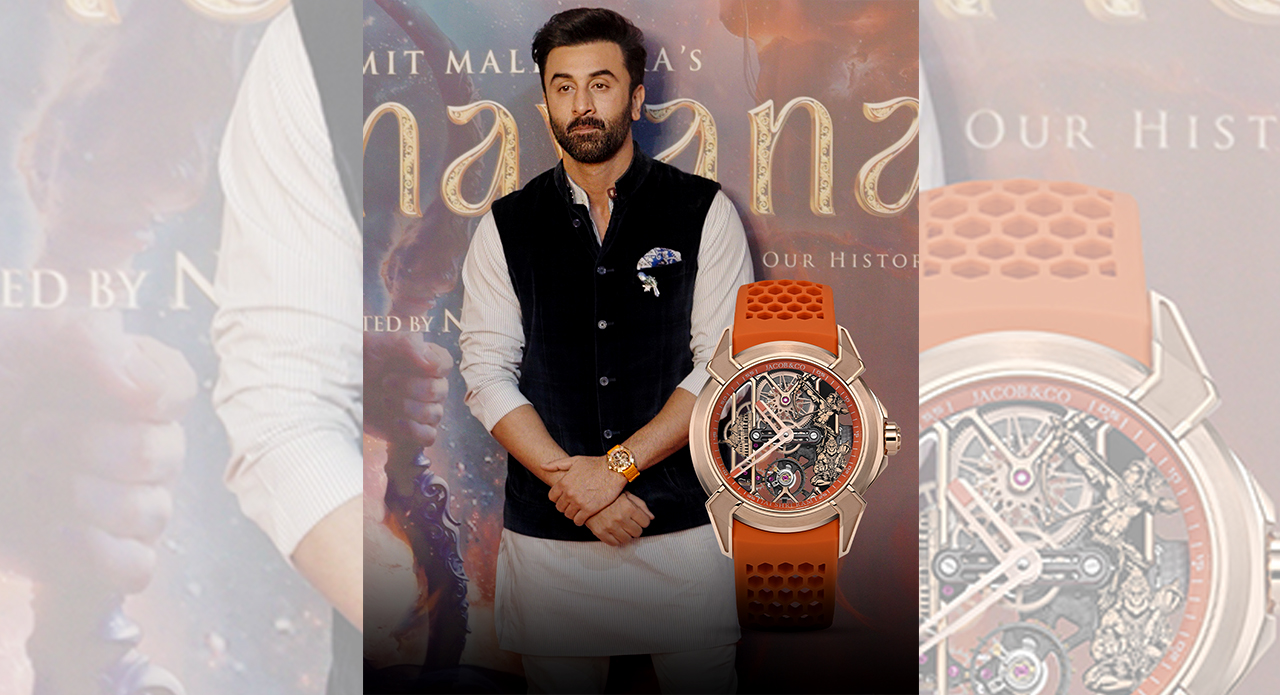
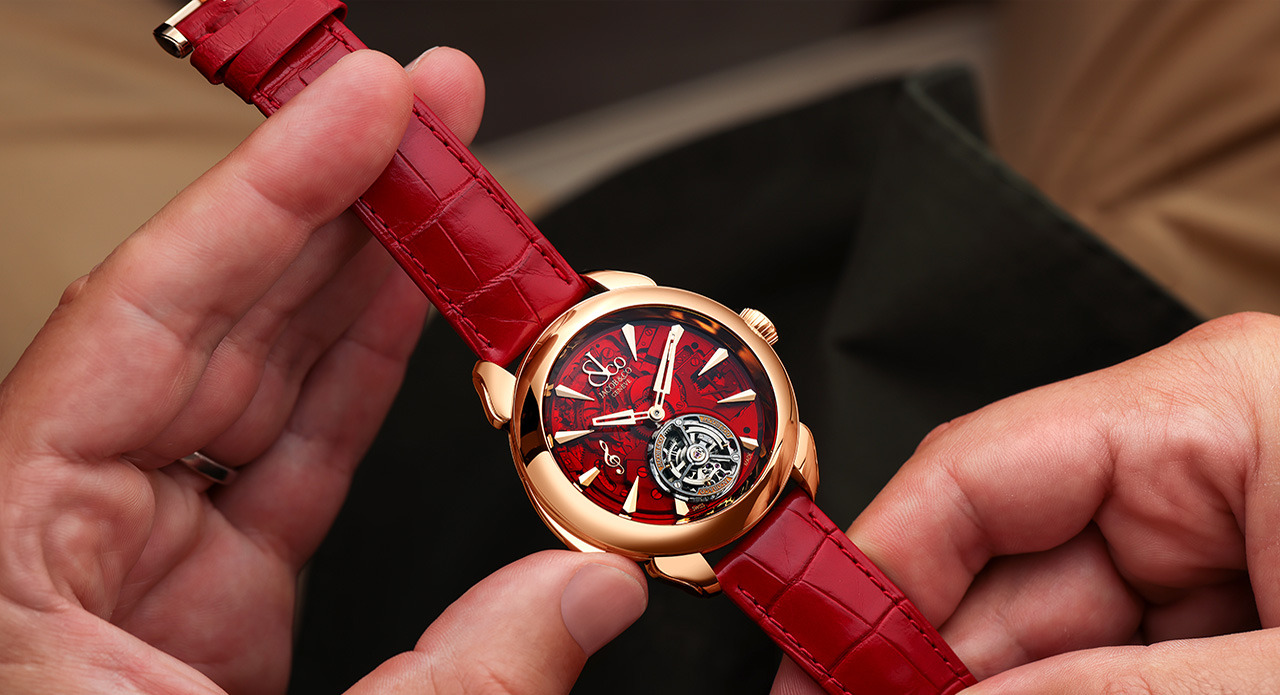
Fame may sell a watch but it does not make it an asset. Sarosh Mody explains, “Celebrity endorsements can influence perception of demand, but they rarely push up actual value. Take the Jacob × Salman collaboration, retailing at around Rs. 41 lakh, it is available in the pre-owned market closer to Rs. 37 lakh.”
The gap is telling. Even with strong celebrity backing, brands like Jacob & Co. do not outperform names such as Rolex or Patek Philippe from an investment standpoint. “Celebrity partnerships generate eyeballs,” he adds, “but serious collectors rarely base purchase decisions on them.”
In the luxury watch market, the line between attention and value is clearly drawn. One is immediate. The other is earned over time.
Condition Is Currency
In luxury watches, value is not created at purchase, it is preserved through condition, completeness and care. According to Neeraj Sehgal, boutique manager at Omega, DLF Emporio, documentation plays a critical role. “A full set is essential,” he says. “That means the watch, the box and the warranty card. Even five years down the line, buyers ask for these. We’ve seen transactions impacted simply because something was missing.”
Condition matters just as much. “The watch should appear almost unused with no visible scratches, no signs of wear. That’s what buyers look for.”
But expectations around appreciation need to be tempered. Can a Rs. 20 lakh watch become Rs. 30 lakh? “Not typically,” Sehgal clarifies. “At best, you might see a modest increase, say up to Rs. 25 lakh. What really happens is that depreciation is lower if the watch is well maintained and comes as a full set.”
In the world of luxury watches, value is rarely created, it is carefully protected.
The Rise of the Secondary Market
In Gurugram, a new layer of the luxury watch market is quietly taking shape. At Second Movement, the pre-owned arm of Ethos Watch Boutiques, the idea is simple but significant: access over ownership. Set within a boutique-style lounge near Guru Dronacharya, it allows collectors and first-time buyers to engage with pre-owned watches in a setting that mirrors primary retail.
But this is no longer just retail, it is about valuation. Each piece is inspected, authenticated and restored before being put back into circulation, often with warranties, bringing much-needed trust to what has historically been an unorganised resale market in India.
Watches are no longer static possessions. They move, are traded, upgraded, re-enter the market, creating a lifecycle that increasingly resembles an asset class. Globally, this ecosystem is mature. In India, it is only beginning to formalise.
Watch expert Sameer Tandon notes, “While India’s pre-owned watch market is estimated at around $450 million, it remains significantly under-penetrated compared to the global market, which stands at over $24 billion. The opportunity is clear but so are the gaps. Trust, infrastructure and expertise are still evolving.”
Organised platforms are beginning to bring structure but remain limited in number. For collectors, the focus is gradually shifting from acquisition to stewardship. “A proper lifecycle management system is key. From authentication and restoration to resale support, these services ensure long-term value protection.”
At the Jacob & Co. boutique at DLF Emporio, that shift is visible on the ground. For brands like Rolex, Patek Philippe and Audemars Piguet, where availability is limited and waiting periods stretch, pre-owned becomes the gateway.
Pricing here is driven less by MRP (Maximum retail price) and more by demand. Certain supply-constrained models may trade above retail, though the broader market remains measured. Most watches do not dramatically appreciate; what they offer instead is relative value retention, especially when well maintained and carefully sourced. Inside the boutique, the spectrum is wide. Entry points begin below Rs. 10 lakh, while highly customised pieces can cross Rs. 8 to 10 crore. The real activity, however, sits in the Rs. 20–30 lakh range where aspiration meets liquidity.
Nothing here is immediate. Most watches are handcrafted, often made to order, with waiting periods stretching from a few months to a few years. Ownership, therefore, is as much about patience as it is about purchase.
And the buyer is evolving. There is the seasoned collector, rotating assets with intent and the first-time entrant, leaning towards versatility. Materials like titanium are increasingly preferred for everyday wear, while gold and more elaborate pieces remain occasion-led.
To conclude, luxury watches are becoming assets but not in the way many believe. They do not reward impulse, nor do they guarantee returns. What they demand instead is patience, knowledge and restraint.