

A year ago, a space opened in Mumbai that had no obvious precedent and has found none since. Nilaya Anthology was never just a store, even if it looked like one from the outside. It was always something closer to a proposition, built around the belief that beauty lives in the making of a thing, not merely in its possession. In twelve months, it has brought over a hundred Indian and international makers and artists under one roof, introduced India to Nilufar Gallery, held a retrospective on the legendary Pinakin Patel, and consistently chosen depth over surface level beauty. In conversation with Outlook Luxe, Pavitra Rajaram, Creative Director at Nilaya Anthology, reflects on what this first year has built and where the space is headed as it grows into something larger than any single showcase.
In Conversation With Pavitra Rajaram
How would you describe Nilaya Anthology?
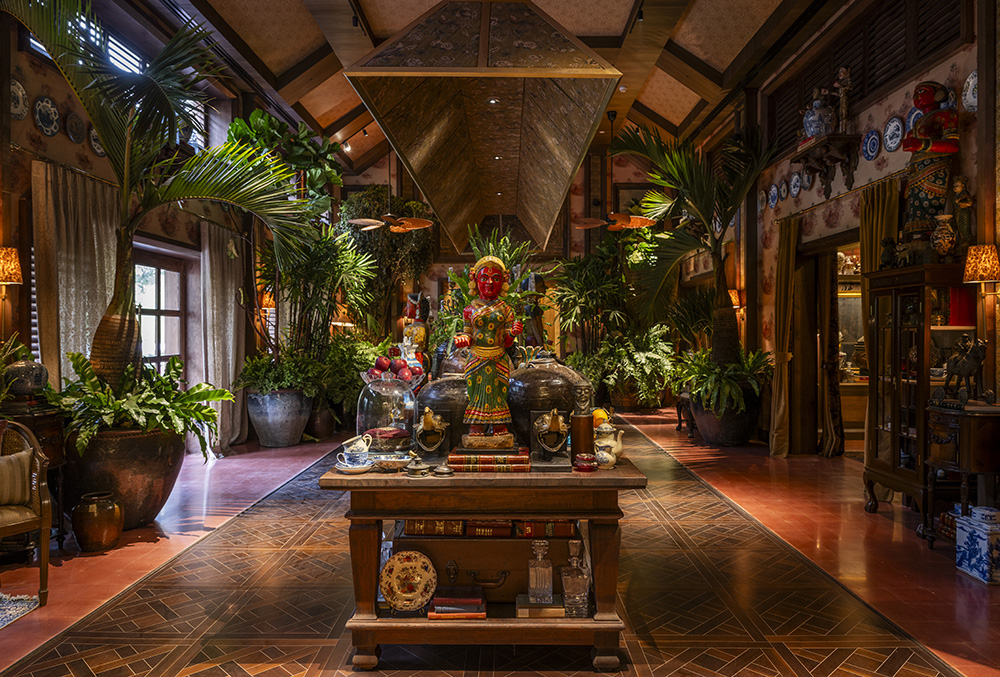
At its core, Nilaya Anthology was always imagined as a space for encounter and exchange. Here, design is not merely displayed or consumed, but meaningfully experienced as part of a larger continuum. Craft, culture, and contemporary thought intersect, and every object carries not just aesthetic value, but a deeper narrative shaped by where it comes from and what it represents.
Since the start, we have resisted a singular definition. You might think it is a retail space, or a cultural institution, or a gallery, and you would not be wrong about any. What we actually are is a layered world, and like any fertile soil, you can keep digging to discover something different on every visit.
How do you bring genuinely different makers and geographies into conversation without losing what makes each of them distinct?
At Anthology, we’re interested in how makers across the world respond to similar questions. What connects it all is a shared desire to make meaning; through objects, through ideas, and through the pursuit of beauty. When that connection is identified, the conversation becomes less about contrast and more about continuity.
For example, when we introduced Jane Yang D’Haene (who was recently shortlisted for the prestigious Loewe craft prize) or Nina Yashar’s Nilufar gallery to India for the first time, the idea was never to simply ‘present’ them. It was to find the threads that connected their thinking to conversations already happening in Indian design culture. When that translation works, people do not just see objects. They see an idea they already believed in, given form by someone they had not yet met.
View this post on Instagram
Craft in India carries centuries of knowledge but rarely gets the cultural framing it deserves. How has your relationship with that world evolved?
Almost everything I’ve learned about India’s craft heritage has come from being able to travel, observe and exchange with artisans at work; often in the same places these practices originated. There is a sensitivity shaped by the years of dedication and ancestry at play. That kind of experience is both a privilege and responsibility I don’t take lightly.
It’s taught me that true commitment to craft is an engagement with it over a period of time. What is not always obvious about Anthology at the surface is that this world is the result of real relationships nurtured over many decades. Spending time with craft practices reveals a depth of knowledge that is often overlooked or simplified. Appreciation is only a starting point; ultimately, one needs to live with the processes, realities, dreams and desires of makers and maker communities to represent them in any meaningful way, let alone intervene.
Have you accomplished what you originally set out to achieve over the past year?
Nilaya Anthology was envisioned with a core philosophy in mind – beauty is in the making – and year one has taught us that these words define all our worlds. In that sense, meaning is a more suitable metric for us than any milestones; just like process is where we choose to seek out beauty, in design. We have always known this is a long, evolving journey that cannot be defined by ‘completion’.
Also Read: Turning Discarded Wood Into Art: The Sustainable Journey Of A Naga Design Duo
How has Anthology shifted from being a retail space into something that feels more like a cultural platform?
Our approach to retail is as a format that can hold ideas, not just objects. Consumption is only part of the experience, but storytelling, in its oldest, most embodied sense is arguably the thread that binds everything together here.
India has always been a culture of oral tradition, and that has meant the stories we tell shapeshift through those who tell them. Whether we’re presenting something experiential, immersive, curatorial, or tangible design, there is a layer of intention that becomes the essence of what we hope our audience carries home with them.
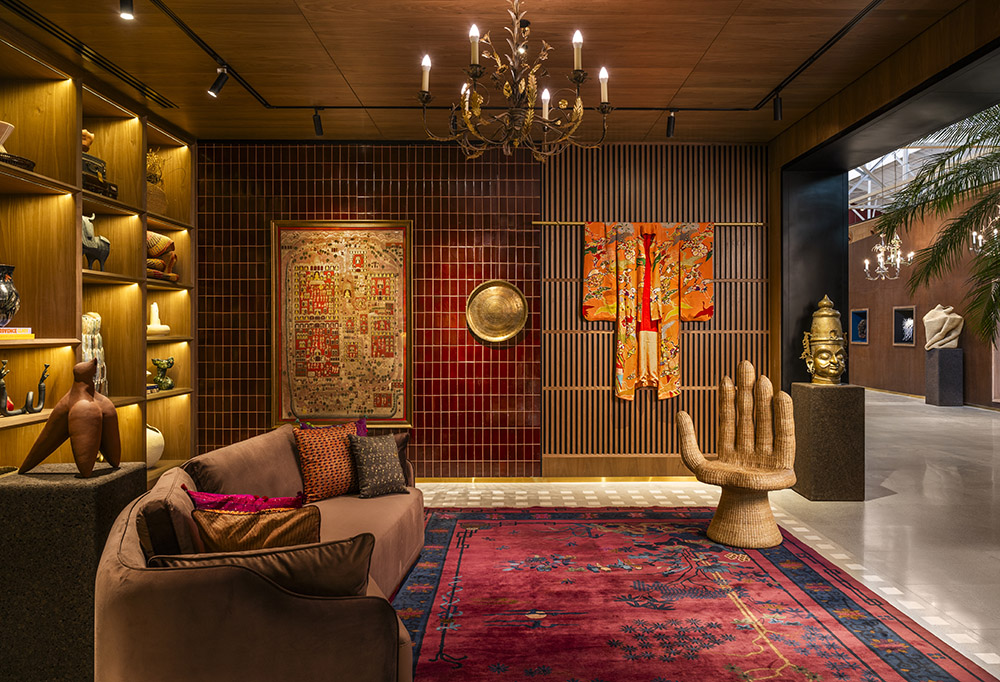
How do you define “Beauty is in the Making” and what does it actually look like in practice?
It is about acknowledging that the value of an object does not lie solely in its final form. “Making,” for me, contains ideas of human touch, time, devotion and care that go into the process that shapes design. The words also hold a marker of continuity; rooted as it is in the history and geography of craftsmanship. History provides the context for motif and form, while geography impacts materiality and technique. The fact that it is not finite signifies the constant exploration that drives our curatorial thinking, and the ability to always question what allows culture to move forward without losing sight of where we come from?
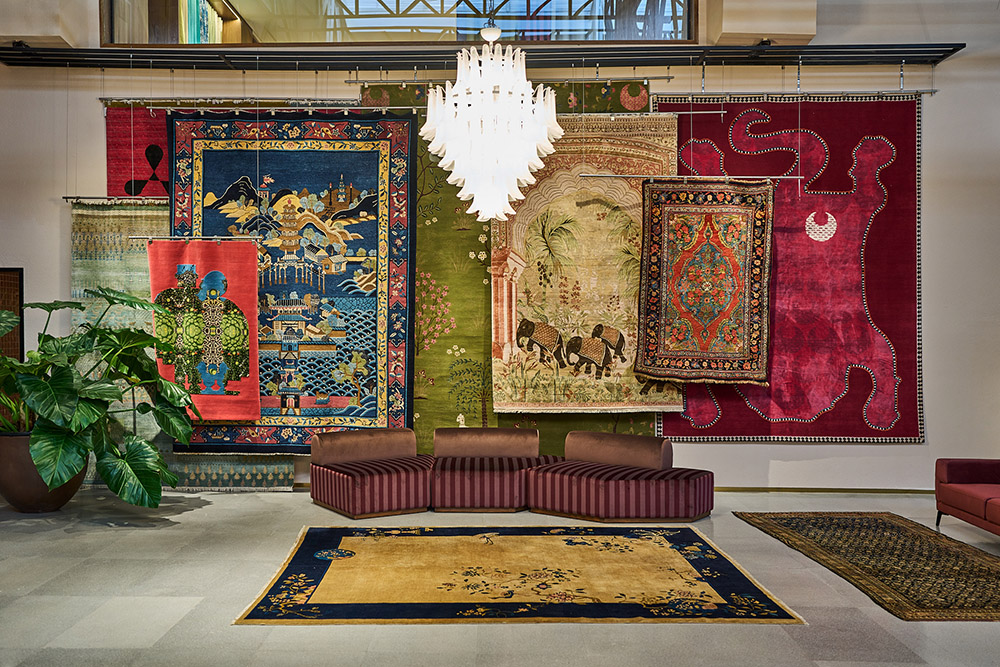
In a fast-paced, consumption-driven market, how do you sustain audience engagement with slower, process-led narratives?
What we’ve learned is that people value discovery that feels personal to them far more than they value prestige that feels borrowed. The old luxury model was top-down: a brand tells you what is valuable, you buy it to signal that you understand. That era is behind the kind of person Anthology has been speaking to.
Our engagement comes from the depth we offer. When you introduce people to the stories, the materials, and the intent behind a piece, they begin to form a more meaningful connection with it. They are looking for resonance. And when something resonates, when a piece connects to something in their own history, or opens a door to a world of making and makers they did not know they were curious about, the decision is much more deliberate.
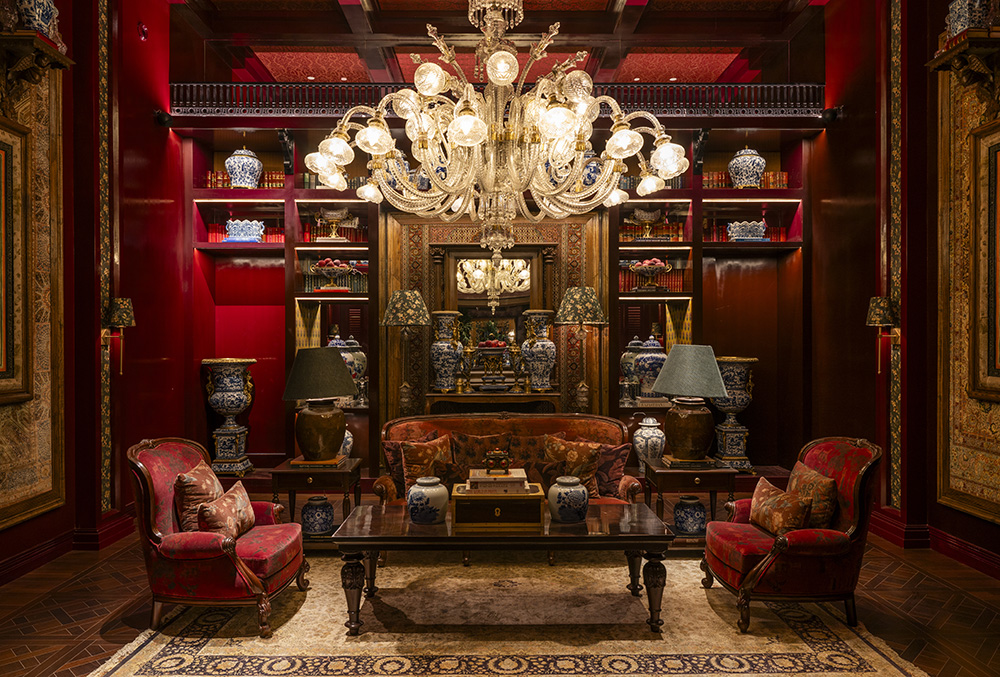
Initiatives like the presentation of Jane Yang D’Haene and the introduction of Nina Yashar’s Nilufar Gallery to India marked significant milestones. What defines a “first-of-its-kind” showcase for you?
A reputed name alone is never enough. It is the perspective we pair it with that brings value beyond novelty. A meaningful showcase introduces an unexpected way of seeing or understanding design within a particular context. When we introduced Jane Yang D’Haene or Nina Yashar’s Nilufar gallery to India for the first time, the work was never about simply presenting them. It was to find the threads that connected their thinking to conversations already happening in Indian design culture. When that translation works, people do not just see an object. They see an idea they already believed in, given form by someone they had not yet met.
View this post on Instagram
Which collaboration from this past year has stayed with you, and why?
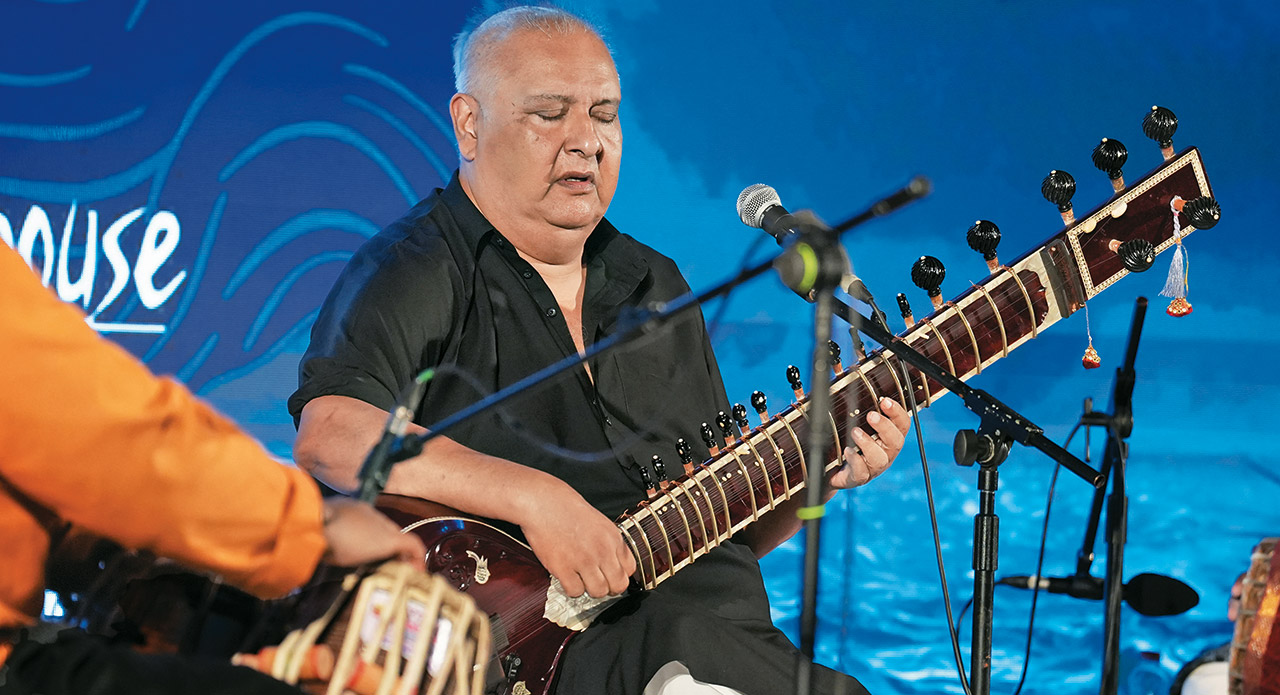
Since we’ve already covered our presentations of Nilufar and Jane Yang D’Haene, I’d say personally, our first ever retrospective on 50 years of designer, thinker and architect Pinakin Patel’s practice was very meaningful for me. It reflected many of the philosophical tangents decades of work in this space have helped me arrive at. Particularly the idea that commitment over time and human relationships can come to define the legacy of design.
View this post on Instagram
What does a successful second year look like, beyond the programming?
I think we continue with the belief that the one thing that cannot be measured is meaning. If people leave Anthology a little differently than when they entered it, it is a success.