

In the heart of Libya’s endless desert, where heat rules and rain is almost a myth, water rises from beneath the sands like an act of defiance, proving that what looks like a miracle is actually one of the most ambitious engineering projects ever attempted in the Sahara, because sometimes the greatest lake is the one the desert was never supposed to have. People imagine the Sahara as an endless empire of sand—an unforgiving ocean of dunes where heat shimmers on the horizon and survival feels like an administrative error. It is a place associated with absence: no rivers, no rain, no mercy, and certainly no lake. Which is precisely why Libya’s desert water system feels so absurdly magnificent.
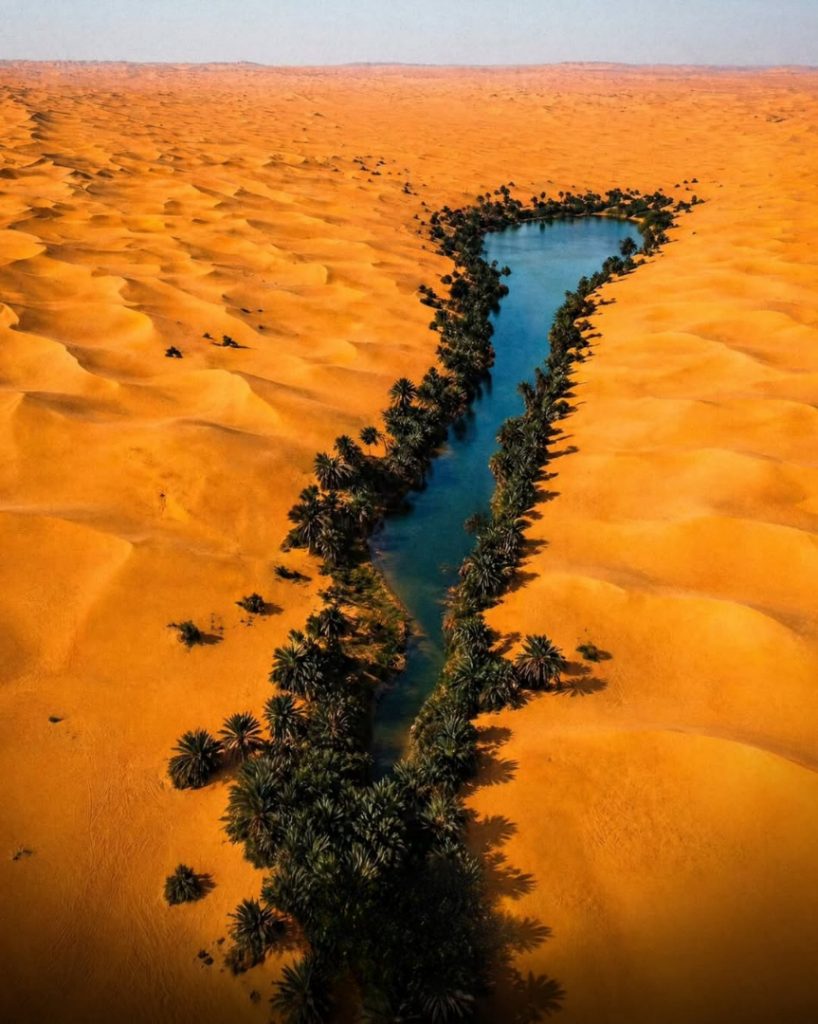
Because in the middle of that scorched emptiness, there is water—vast quantities of it. Not a romantic alpine lake with swans and postcards, but something arguably more astonishing: an entire hidden reserve of ancient groundwater buried deep beneath the Sahara, tapped and transported through one of the most ambitious engineering projects the modern world has ever attempted. It is called the Great Man-Made River, and despite sounding like the rejected title of a science fiction film, it is very real.
Also Read: The Hidden Costs Of Hypercar Ownership: Why Maintenance Is As Expensive As The Purchase
Libya, despite its enormous size, has very little surface water. Rainfall is unreliable, rivers are practically nonexistent, and much of the population lives along the Mediterranean coast, where demand for freshwater is relentless. Yet far beneath the southern desert lies the Nubian Sandstone Aquifer System, one of the largest fossil water reserves on Earth. This water is ancient—some of it tens of thousands of years old—stored underground since a time when the Sahara was greener, wetter, and far less interested in killing you.
Rather than allowing that water to remain hidden beneath the sand, Libya decided to do something magnificently ambitious: bring it north. The Great Man-Made River project began in the 1980s and became one of the largest irrigation and water supply systems ever built. Thousands of kilometres of massive underground pipes were laid across the desert, carrying fossil water from deep wells in the south to cities, farms, and coastal communities in the north. Imagine building a river where nature forgot to include one—that is essentially what happened.
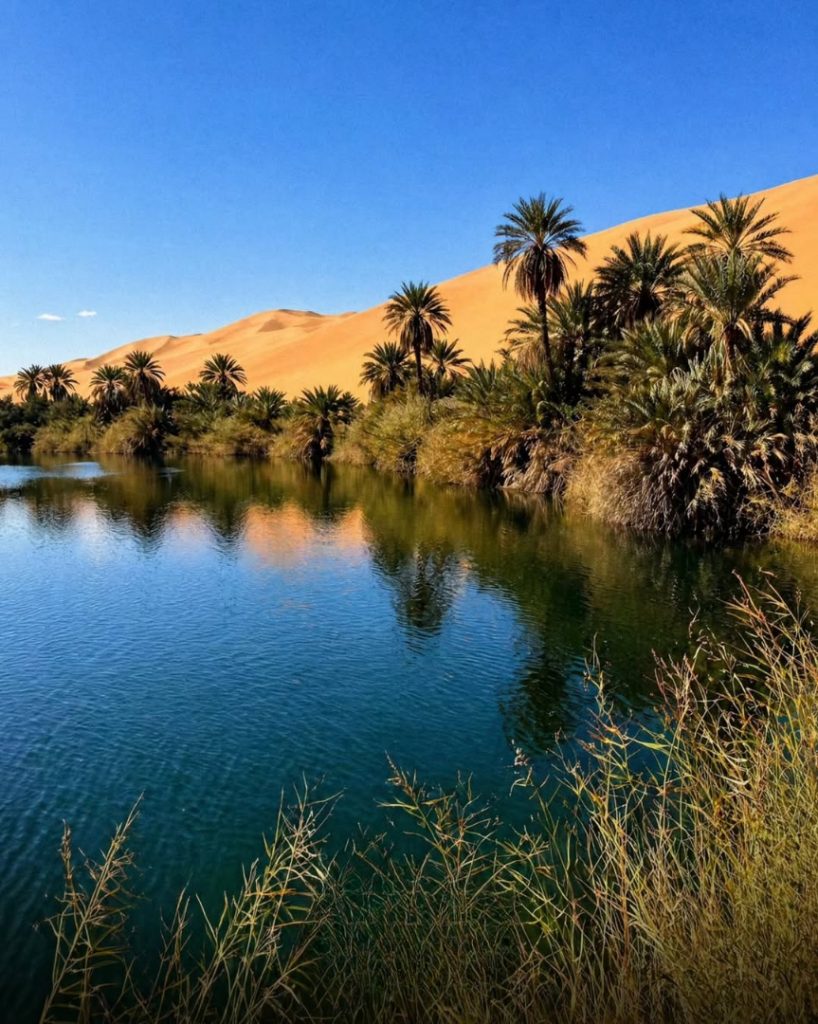
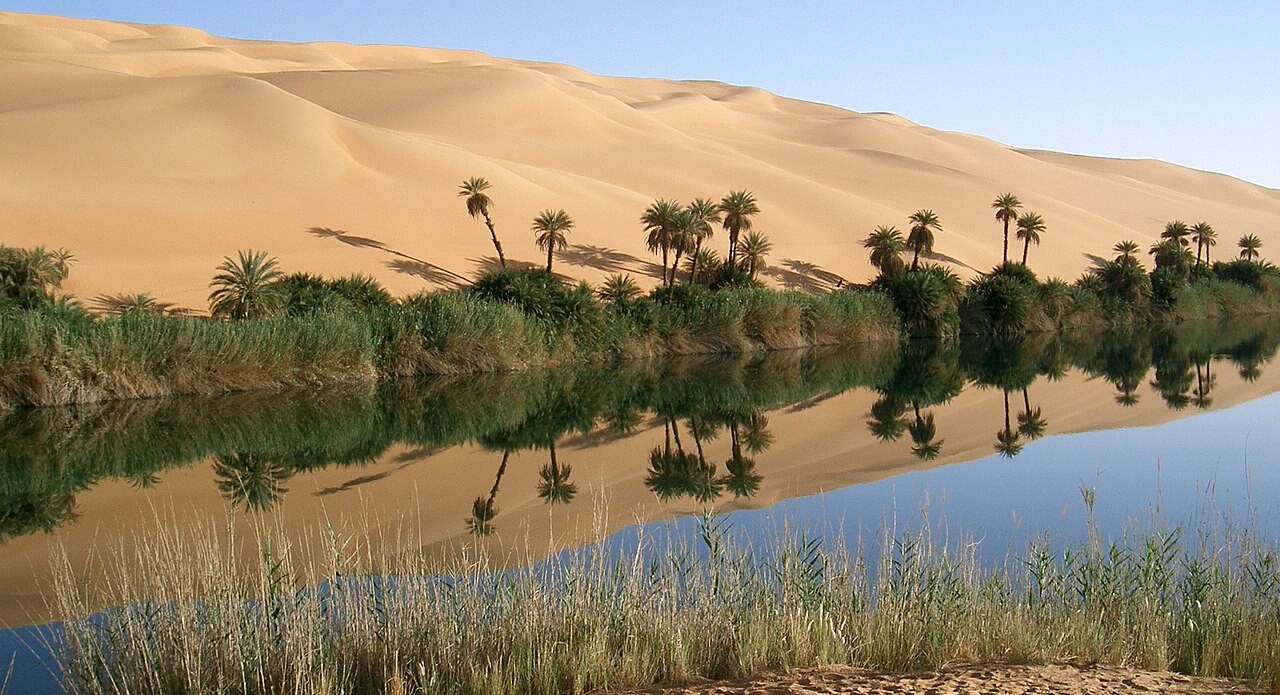
And yes, it created what many describe as a lake in the Sahara. In places where groundwater is pumped to the surface, vast reservoirs and artificial lakes have emerged, surrounded not by forests or mountains, but by endless desert and the strange silence of heat. It feels surreal because it is surreal—a body of water where logic suggests only dust should exist. But this is not magic. It is hydraulics with excellent public relations.
The scale is staggering. The pipeline network stretches for thousands of kilometres, and the concrete pipes themselves are enormous, large enough for a person to stand inside without feeling particularly claustrophobic. Billions of dollars were invested to move water across one of the harshest environments on Earth, all to support agriculture, drinking supplies, and national survival. For a time, it worked brilliantly. Cities received fresh water, agriculture expanded, and the desert, briefly, seemed negotiable.
Of course, there is a catch, because there is always a catch. This is fossil water, which means it is not being naturally replenished at any meaningful rate. It is ancient groundwater, not a renewable miracle. Using it is rather like spending inheritance money from a relative who died 20,000 years ago—useful, yes, sustainable, not exactly. There are also political and infrastructural challenges. Conflict in Libya has damaged sections of the system, maintenance is expensive, and water security has become tied to national instability. A pipeline is only useful if the country around it can keep it functioning.
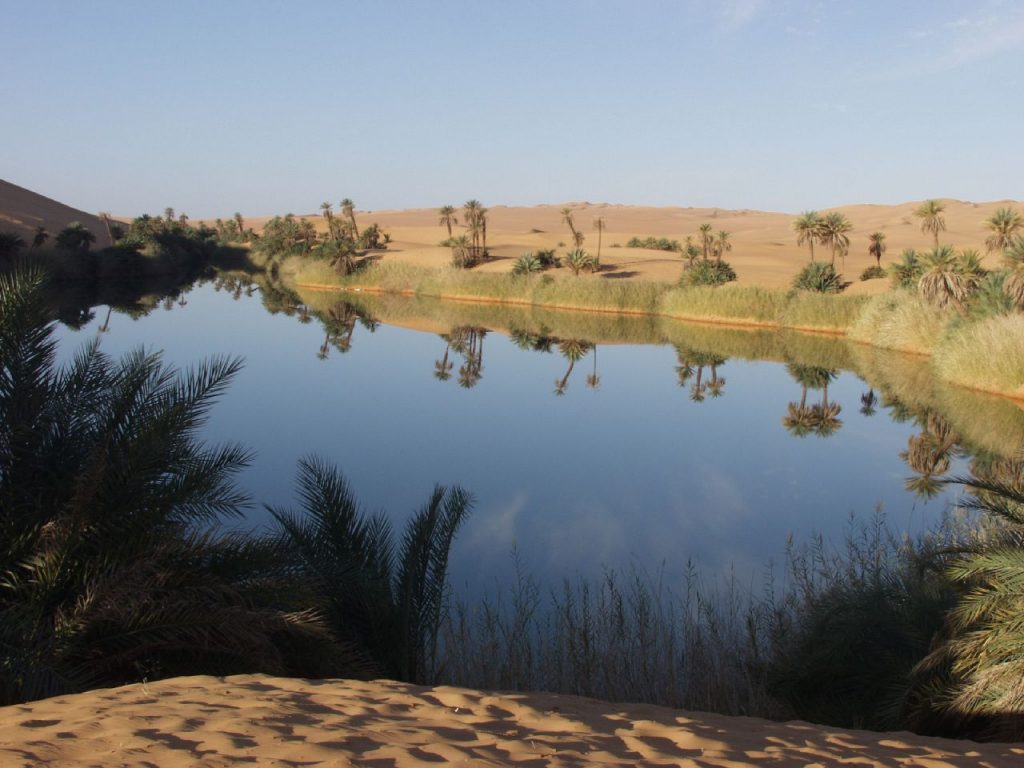
Still, the achievement remains extraordinary. In a world obsessed with skyscrapers and electric supercars, Libya’s desert water system is a reminder that true luxury is often much simpler: fresh water where there should be none. No marble lobby, no gold-plated nonsense—just the ability to turn on a tap in a place that should not have taps. That is real engineering theatre.
So yes, a lake exists in the Sahara, and no, it is not a mirage. It is the result of ancient geology, modern ambition, and a nation deciding that the desert did not get the final word. Sometimes the boldest thing humanity can build is not a tower reaching into the sky, but a river built underground, flowing silently beneath the sand.