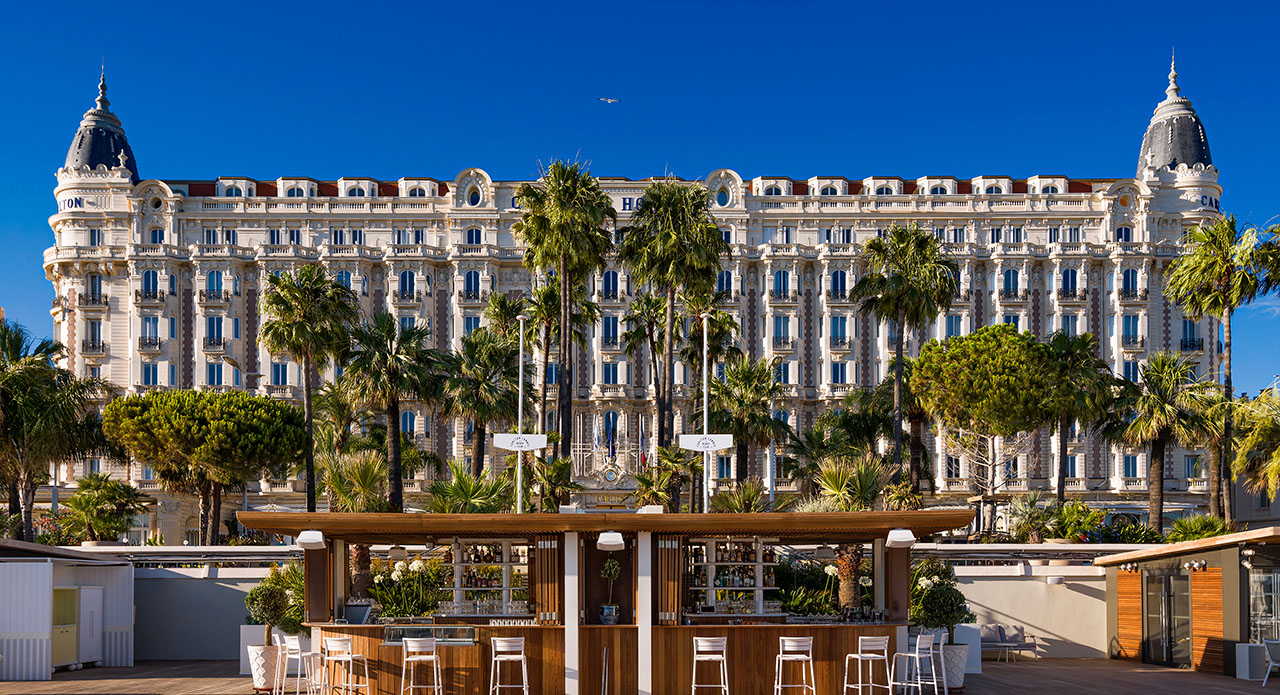


There is a version of Cannes that belongs entirely to the films. Premieres, press conferences, the slow procession up those famous steps in the evening light. And then there is the other Cannes, the one that unfolds behind heavy curtains and through marble lobbies, where the real business of cinema gets done over espresso and negotiation, where the industry’s most powerful figures retreat after the cameras stop.
Where The Stars Stay During The Cannes Film Festival
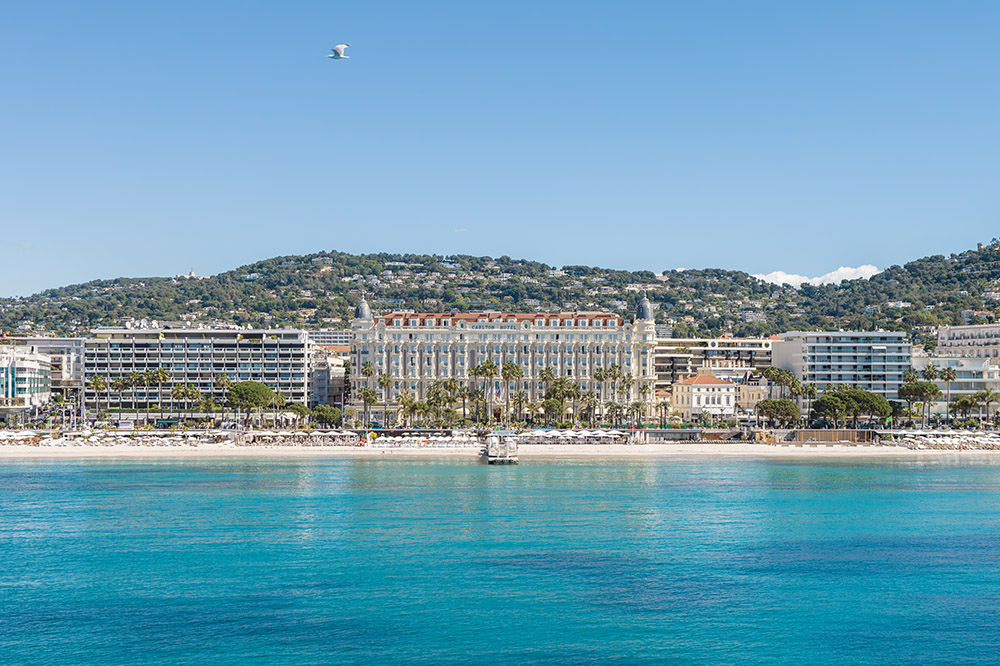
The French Riviera has always known how to hold a secret. Every May, the town transforms in ways that feel almost theatrical, a coastal city quietly rearranging itself around the arrival of the world’s most watched film event. The Croisette, that elegant sweep of boulevard running along the seafront, becomes something else entirely. The hotels lining it stop being merely places to sleep and become, for those two weeks, the true centres of the festival’s gravity. Here are the four hotels where the festival’s biggest names choose to stay.
The Carlton Cannes, a Regent Hotel
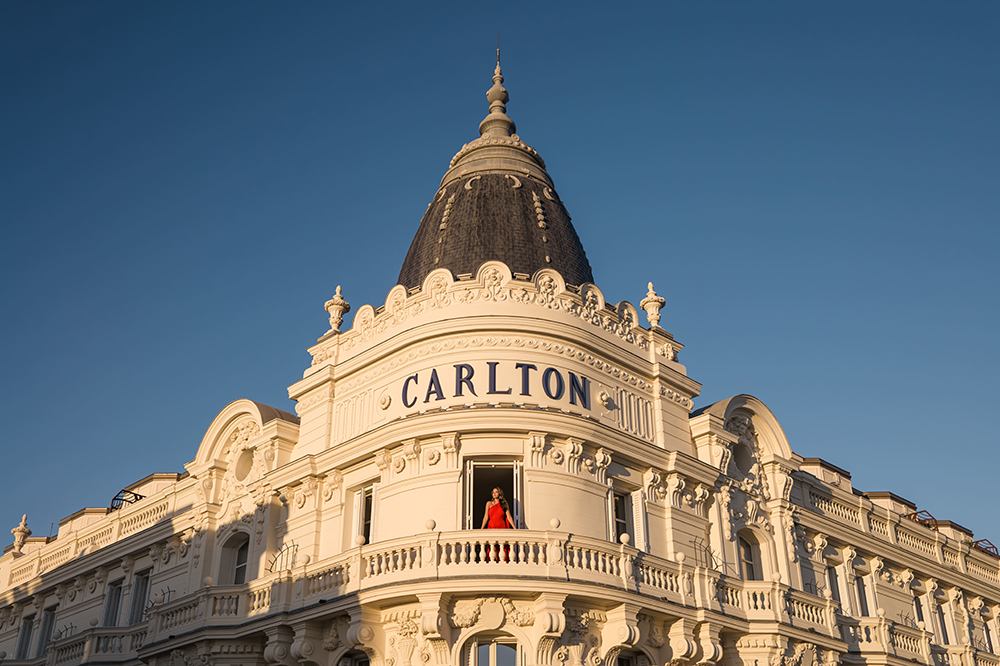
The Carlton Cannes, a Regent Hotel, sits at 58 Boulevard de la Croisette with the kind of charming authority that only a century of history can produce. Its Belle Époque facade, twin domes and unobstructed views of the Mediterranean have made it one of the most recognised buildings on the French Riviera since hotelier Henri Ruhl first opened its doors in 1913.
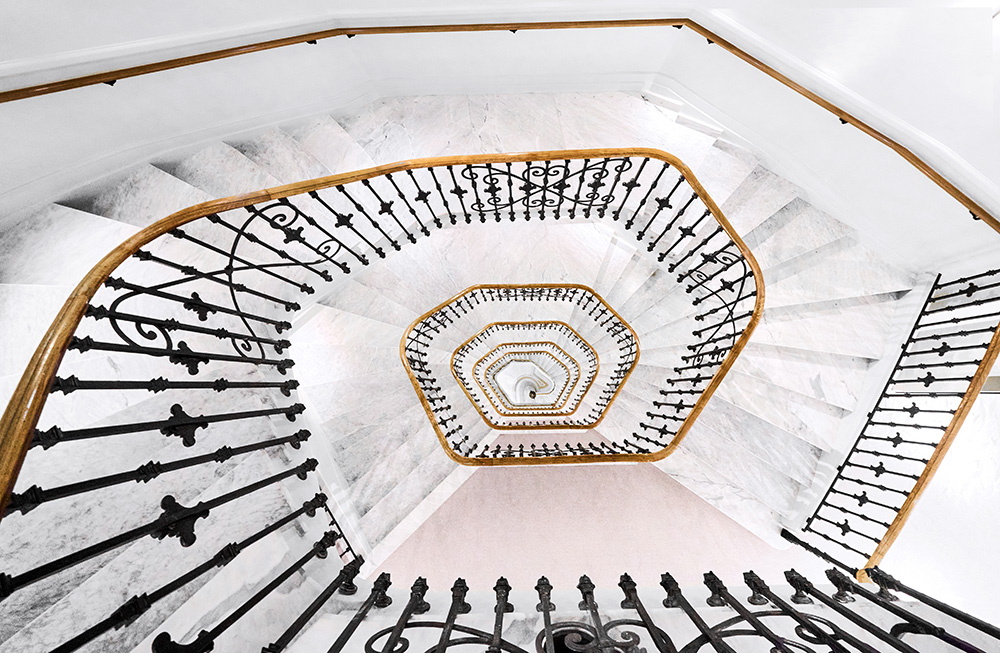
When the Cannes Film Festival held its inaugural edition in 1946, it was the Carlton’s old casino that hosted the event, with just eight journalists in attendance that first year. That modest gathering planted a connection between the property and the festival that has never loosened. Nearly eight decades on, the Carlton remains one of the most important social addresses during festival season. Grace Kelly, Cary Grant, Meryl Streep and Tom Cruise are among the generations of names who have stayed here, each adding another layer to a guest history that reads like a survey of twentieth century stardom.
In 2023, the Carlton reopened after an extensive restoration led by French interior architect Tristan Auer. The project preserved the hotel’s Belle Époque bones while updating its interiors with a contemporary Riviera sensibility. Redesigned suites, restored frescoes, courtyard gardens and one of Cannes’ largest infinity pools now sit alongside the original architecture without disrupting it.
Hotel Martinez by Hyatt
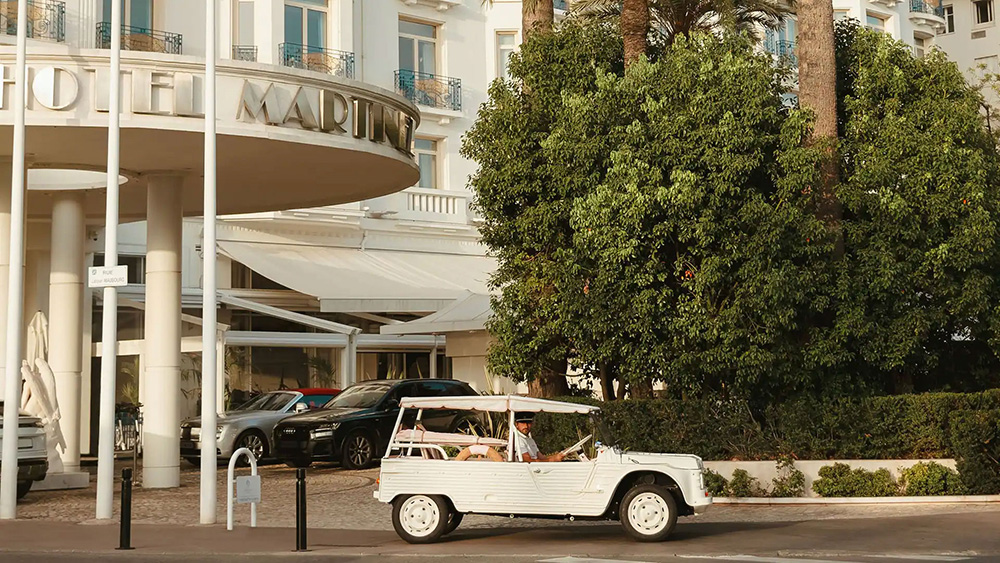
Built in 1929, Hotel Martinez by Hyatt arrived on the Croisette during an era when Art Deco was the architectural language of ambition, and the building has never really shed that mood. Its facade remains one of the most distinctive on the boulevard, a statement in geometric elegance that has aged better than most things from that decade.
The hotel sits a short walk from the Palais des Festivals, which during the festival fortnight makes it one of the most strategically located addresses in Cannes. That proximity has drawn generations of names through its doors. Rihanna, Bruce Willis and Robert Pattinson are among those who have stayed here, and the hotel’s blue-carpeted spiral staircase has become something of an unofficial photo fixture for arriving guests during festival season.
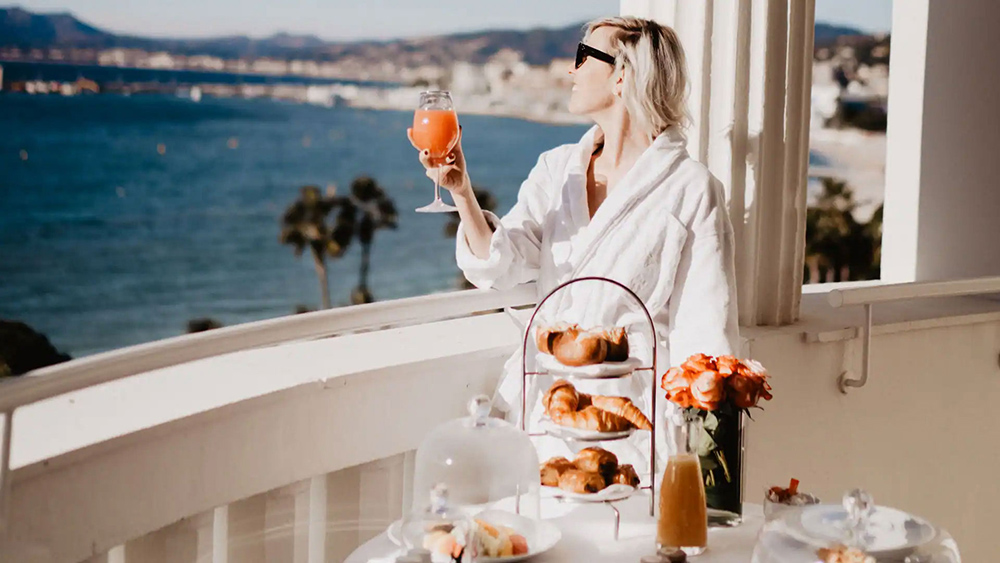
At the top of the building, the hotel offers something genuinely rare even by Riviera standards. Two interconnecting suites on the upper floor can be combined into a single space of 1,250 square metres, making it one of the largest suite configurations in Europe. During peak season, that space commands up to 30,000 euros a night, a figure that says everything about the clientele the Martinez attracts and expects.
The hotel has also found its way into popular culture beyond the festival circuit. The fourth season of The White Lotus is being filmed here, adding a new chapter to a property that has never struggled for attention.
Hotel Barrière Le Majestic
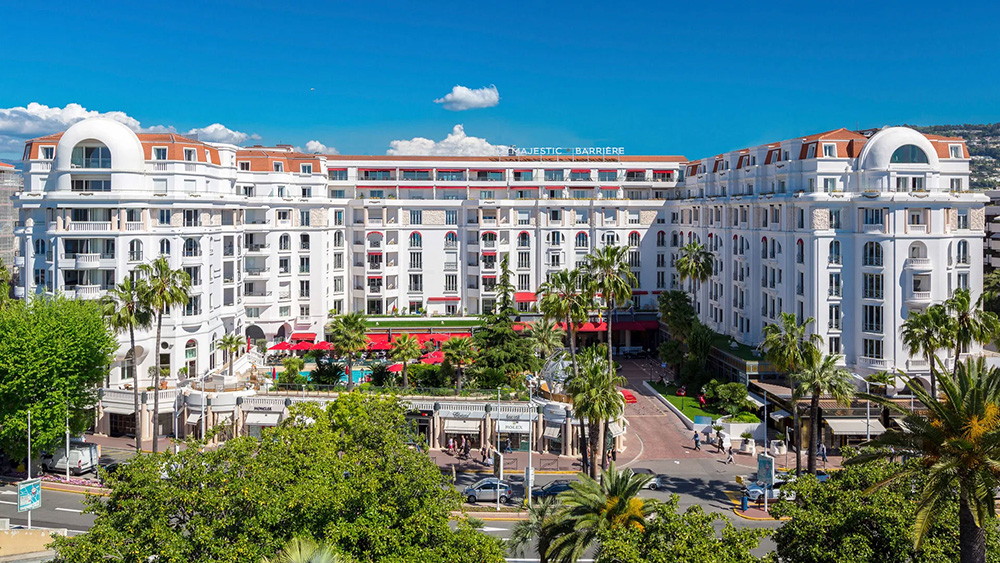
Hotel Barrière Le Majestic has been part of the Cannes Film Festival’s social fabric for the better part of a century. The palace hotel occupies a prime position on the Boulevard de la Croisette, directly adjacent to the Palais des Festivals, a location that has made it the natural gathering point for the festival’s most prominent visitors across generations.
The lobby announces itself with soaring ceilings, gilded sculptures and Art Deco light fixtures that descend in cascading layers. It is the kind of entrance hall that slows people down, which is entirely the point. The rooms carry that same unhurried quality, dressed in cream and taupe with views across the bay that make the outside world feel like a painting framed by the window.
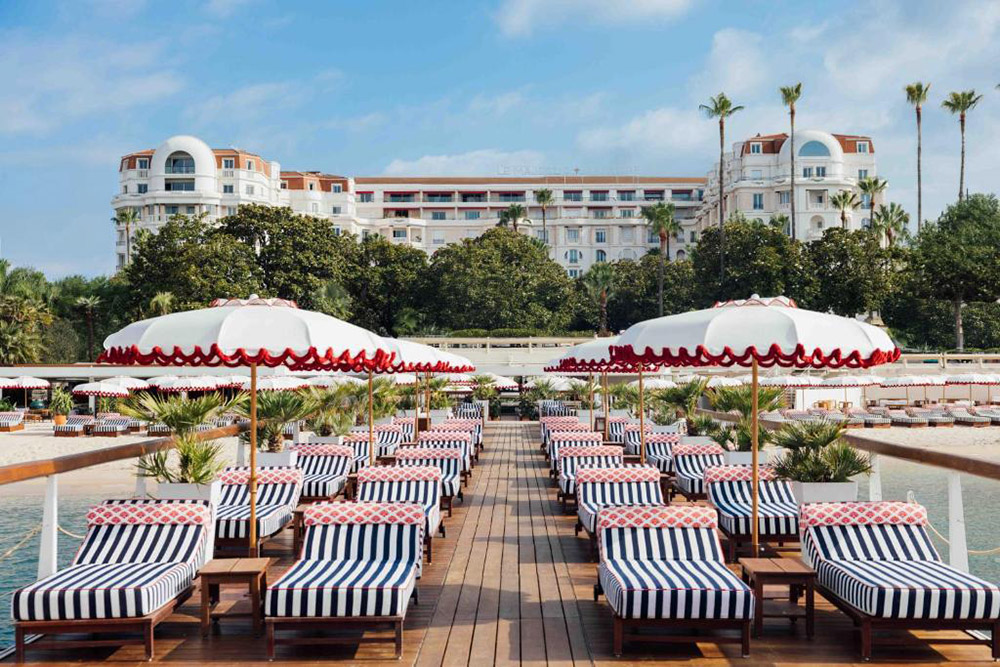
The suites push further into genuine distinction. Each has been given its own design identity, with themes ranging from Riviera to Christian Dior, treating the idea of a hotel room as something closer to a curated interior. During the festival, Le Majestic operates on a different frequency from the rest of the year. The terraces fill, the lobby hums, and the hotel resumes its role as one of the Croisette’s most enduring institutions.
Hotel du Cap-Eden-Roc
Hôtel du Cap-Eden-Roc sits in Antibes, about thirty minutes from Cannes by car, and that slight remove from the festival’s centre has done nothing to diminish its standing. If anything, the distance reinforces the point. You come here because you can, and because the hotel has spent a hundred and fifty years making that feel like the only sensible choice.
View this post on Instagram
The property began its life in 1869 as a retreat for writers seeking quiet and inspiration. It opened as a hotel in 1889 and wasted little time finding its intended audience among the most privileged travellers in Europe. That instinct for exclusivity has never wavered.
Securing a reservation, particularly during festival season, is itself a kind of achievement. The guest list over the decades has included the full canon of celebrity, from supermodels to film royalty to the entire Kardashian family, and the hotel served as the setting for Sofia Richie’s wedding. Every year it hosts the amfAR Gala, one of the most photographed evenings on the Riviera calendar, which brings the festival crowd across from Cannes in considerable numbers.