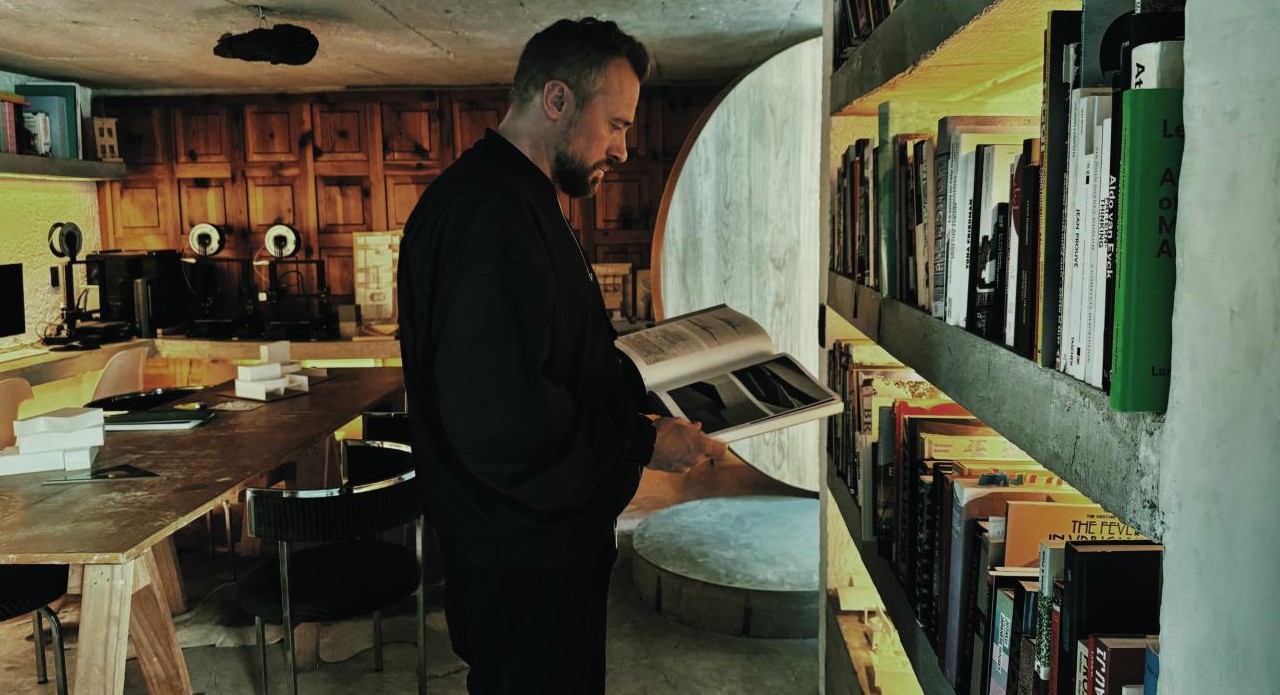


In an era where architecture is increasingly mediated through screens, distilled into fleeting impressions on social media, the work of Ludwig Godefroy emerges as a paradox, at once intensely tactile yet profoundly photogenic, austere yet arrestingly evocative. Born in Mexico City and trained in both Europe and his native land, Godefroy represents a new vanguard of architects who resist the ornamental excesses of contemporary design, instead embracing a language rooted in material honesty, spatial introspection, and an almost monastic restraint. His structures do not merely occupy land; they appear to be carved from it, as though unearthed rather than constructed, each project an exploration of void as much as volume.
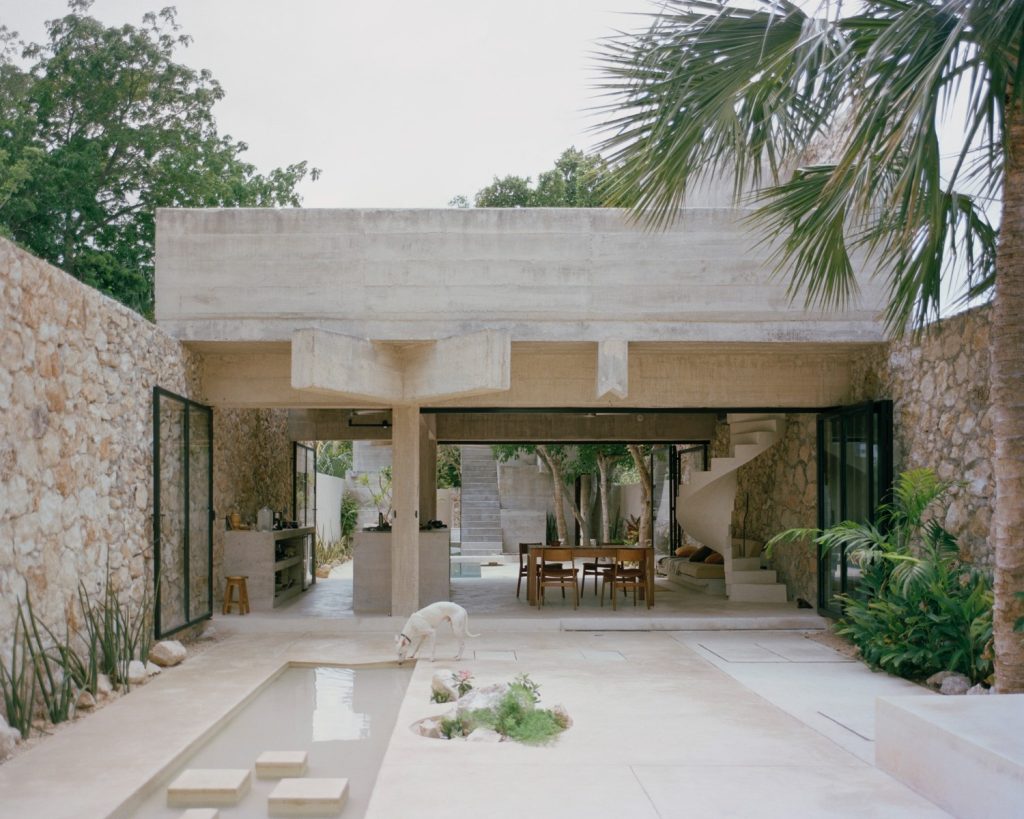
To understand Godefroy is to understand his unwavering commitment to materiality, particularly his predilection for raw concrete. In his hands, concrete sheds its industrial connotations and becomes something almost philosophical, a medium through which light, shadow, and proportion are orchestrated with surgical precision. Projects such as Casa Mérida and Casa Alférez exemplify this ethos, where massive geometric forms enclose spaces that feel at once intimate and monumental. These homes, often stripped of superfluous detail, invite inhabitants into a dialogue with their surroundings, privileging experience over spectacle.
Also Read: Top Austrian Architects Who Shaped Modern And Classical Architecture
Yet it is precisely this austere purity that has catapulted Godefroy into the digital zeitgeist. His houses, frequently captured in stark compositions and dramatic lighting, have become viral sensations across platforms like Instagram, where their sculptural qualities translate seamlessly into the visual grammar of the feed. However, to reduce his popularity to mere algorithmic fortune would be to misunderstand the deeper resonance of his work. What captivates viewers is not just the imagery but the emotion it evokes, a sense of calm, of stillness, of retreat from the relentless noise of modern life.
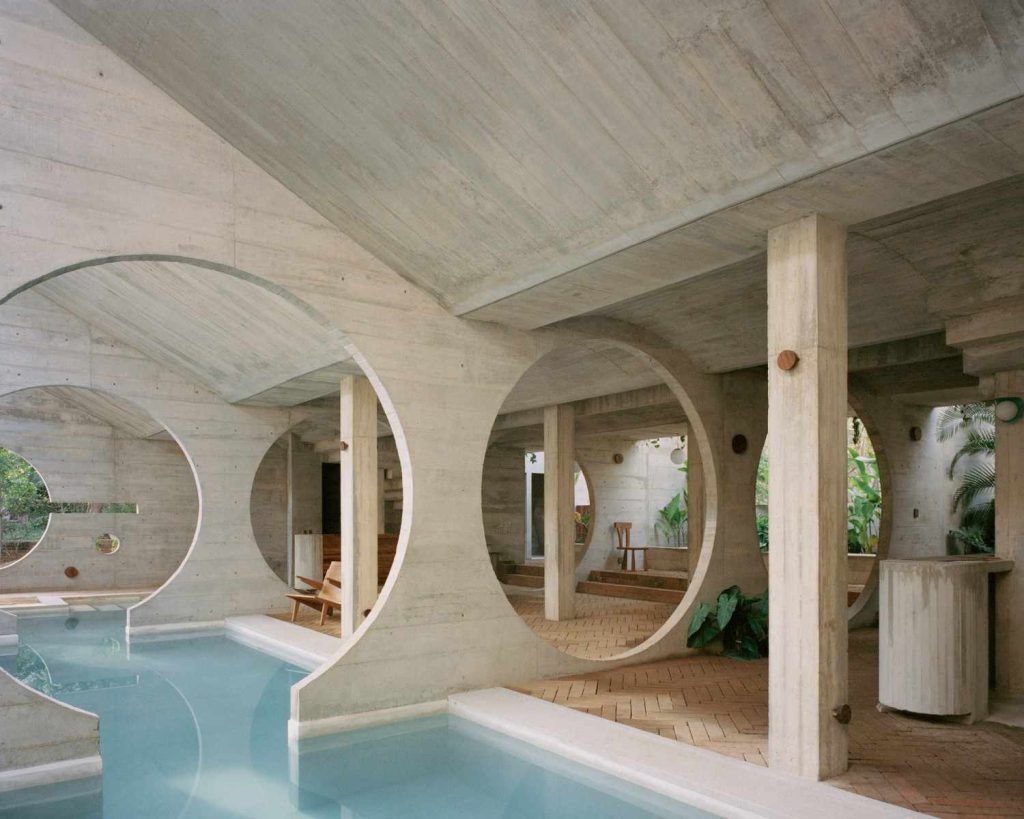
Godefroy’s architectural philosophy is also deeply contextual. Despite their seemingly universal minimalism, his designs are acutely responsive to climate, geography, and cultural nuance. Thick walls provide thermal insulation against the Mexican heat, while carefully positioned apertures modulate light throughout the day, creating interiors that shift in mood and character. Water, too, often plays a pivotal role, introduced not as ornament but as an elemental counterpart to stone and concrete, reflecting light and amplifying spatial depth.
There is, in his work, an almost cinematic quality, a deliberate sequencing of spaces that guides movement and perception. One does not simply enter a Godefroy house; one transitions through it, from darkness to light, from compression to openness, each threshold meticulously choreographed. It is architecture as narrative, where the inhabitant becomes both observer and participant.
In a global architectural landscape often dominated by flamboyance and spectacle, Godefroy’s restraint feels radical. He does not seek to impress in the conventional sense; rather, he invites contemplation. His buildings demand patience, rewarding those willing to engage with their subtleties. This, perhaps, is the true reason behind their viral allure. In a world saturated with excess, simplicity, when executed with such conviction, becomes extraordinary. Ultimately, Ludwig Godefroy stands as a testament to the enduring power of architecture to shape not just spaces, but states of mind. His work reminds us that the most profound designs are not those that shout the loudest, but those that whisper with clarity, precision, and purpose.