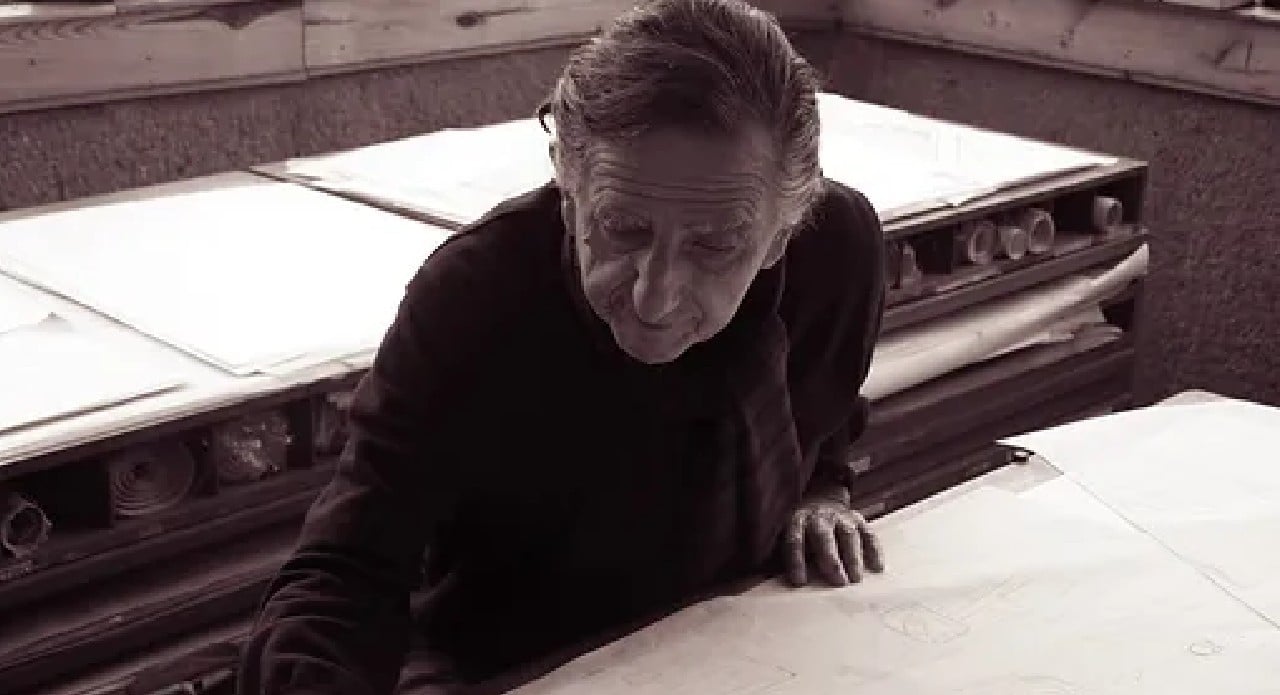


His buildings do not simply occupy space, they shape how life moves through it. Most architects design buildings. Rogelio Salmona designed experiences. He looked at a city and did not see roads, towers, or zoning plans. He saw movement, shadow, memory, and people trying to exist with a bit more dignity between all of it. And then he took something as ordinary as red brick and made it feel almost philosophical.
Rogelio Salmona, often called the greatest Colombian architect of his generation, was not interested in flashy monuments or the kind of glass towers that scream wealth and then age terribly. His work was quieter, smarter, and infinitely more lasting. Born in 1927 and active through some of the most transformative decades of Latin American urbanism, Salmona became one of the defining voices of 20th-century Colombian architecture by doing something radical: he made modernism feel human.
He studied first in Bogotá and later in Paris, where he worked with none other than Le Corbusier, the patron saint of concrete boxes and architectural certainty. But instead of simply copying the master, Salmona absorbed the discipline and then politely disagreed with it. He believed architecture should not just be efficient or beautiful. It should be social. Democratic. It should belong to the city rather than stand above it like an expensive insult. And this is where the brick comes in.
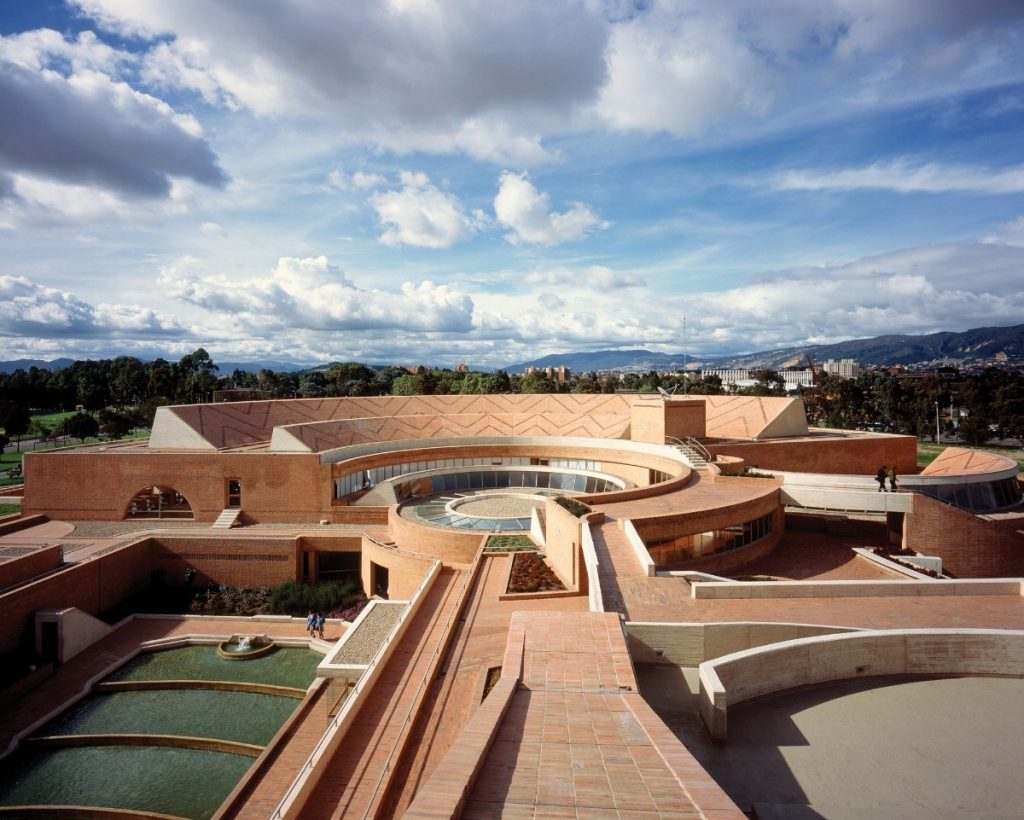
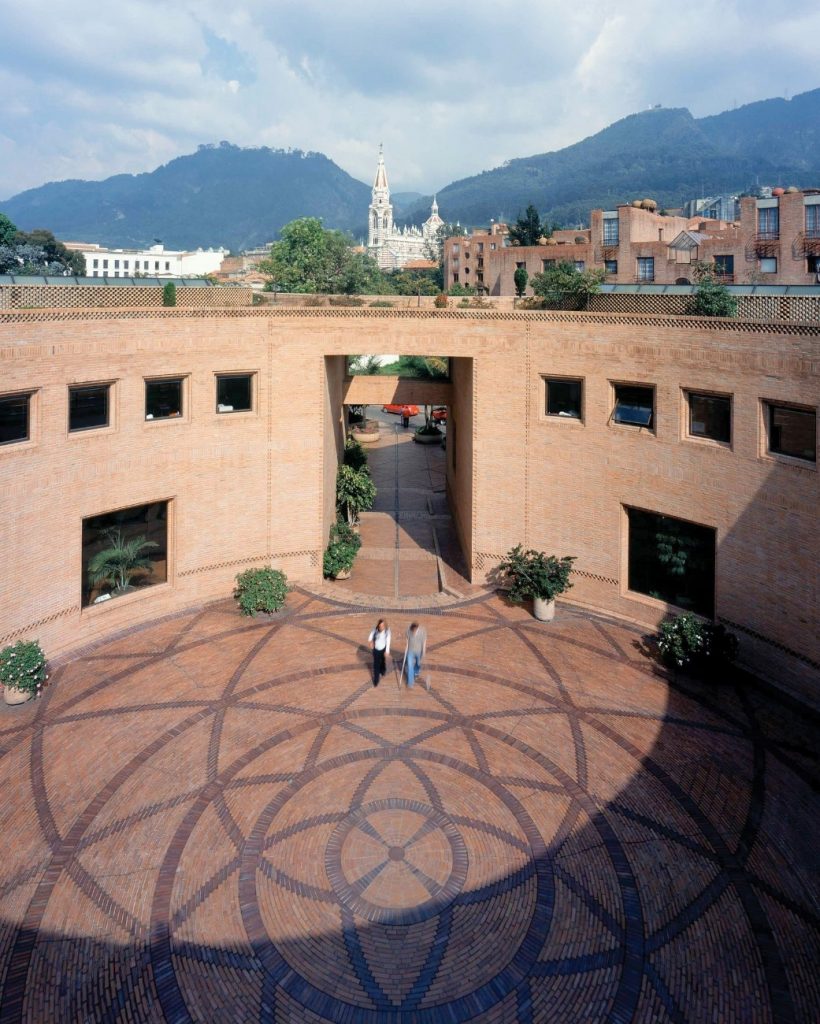
To Salmona, red brick was not just a material, it was a vocabulary. He used it with such confidence that it became his signature. But this was not decorative nostalgia. Brick allowed him to shape light, create warmth, guide movement, and anchor his buildings in Bogotá’s climate and history. It gave his architecture weight without heaviness, intimacy without sentimentality.
Take Torres del Parque, for example, perhaps his most celebrated work. On paper, it is collective housing. In reality, it is a masterclass in how to make urban density feel generous rather than oppressive. Rising beside the city’s bullring, the three towers curve and step with extraordinary sensitivity, creating terraces, public walkways, and communal spaces that invite life rather than isolate it. He managed the impossible: making high-rise living feel human.
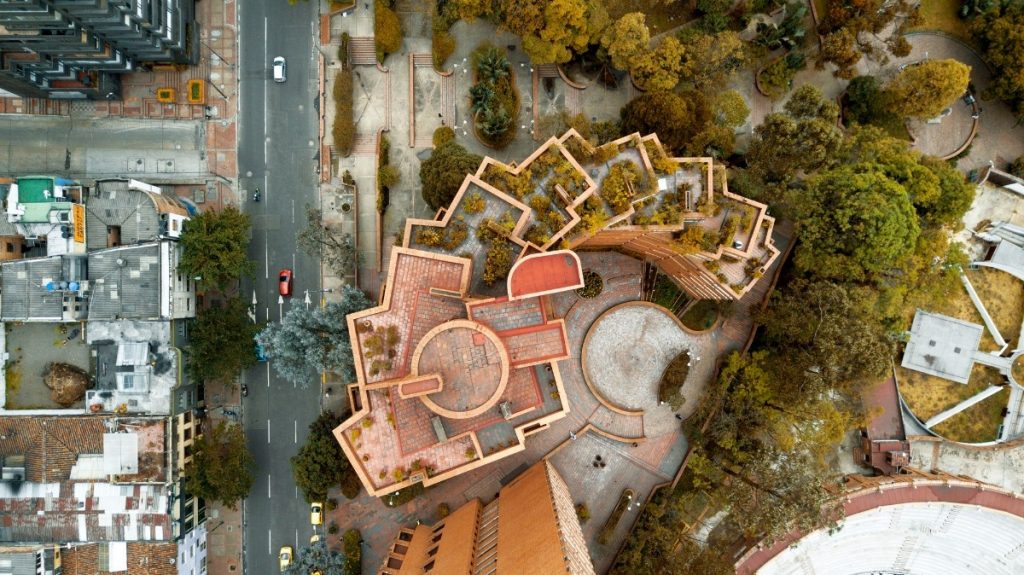
Then there is the General Archive of the Nation, where Salmona turns bureaucracy into poetry, which frankly should qualify as a miracle. Here, brick walls and geometric volumes create a dialogue between solidity and transparency, between permanence and openness. Light moves through the building like a quiet narrator, while shadow gives the structure depth and rhythm. It is architecture that understands memory should not be locked away, but lived with.
That is Salmona’s genius. He never treated architecture as an object. He treated it as part of urban life. His buildings breathe with plazas, ramps, courtyards, fountains, and circulation paths that encourage encounter. He understood that cities are not defined by skylines, but by how people move through them.
His legacy remains astonishingly relevant today. In an age obsessed with speed, spectacle, and vertical ambition, Salmona reminds us that the best architecture is often slower, quieter, and far more generous. He showed that materiality matters, that public space is sacred, and that beauty can exist without arrogance. He did not just build Bogotá. He taught it how to feel.