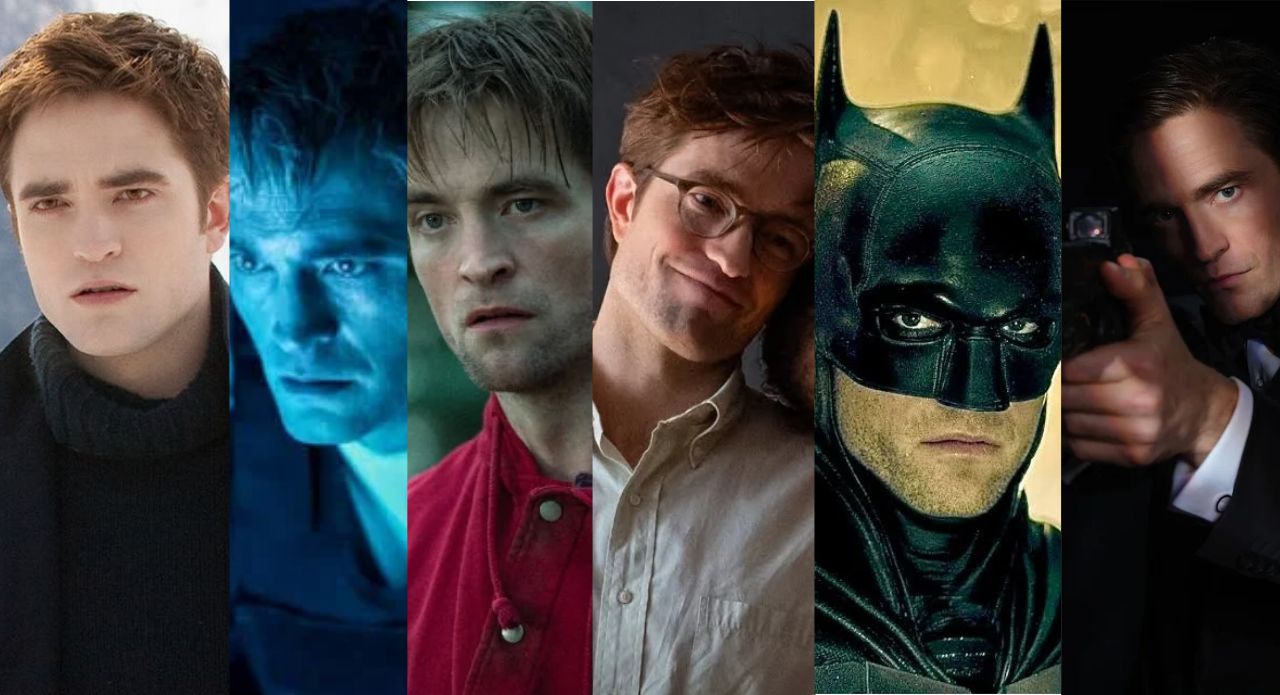


Robert Pattinson’s journey to becoming James Bond is anything but conventional. Announced as the next 007 by Amazon MGM Studios on November 16, the British actor has moved between fantasy romances, independent cinema, psychological dramas and blockbuster franchises over nearly two decades. His casting marks a new milestone, but his filmography tells a larger story of an actor who has repeatedly challenged the image audiences first associated with him.
His early career, however, offered little indication of the diverse roles he would eventually take on. While mainstream success introduced him to audiences worldwide, Pattinson gradually gravitated towards stories that allowed him to explore complex characters, work with distinctive filmmakers and move beyond the expectations attached to his initial fame.
An Early Breakthrough
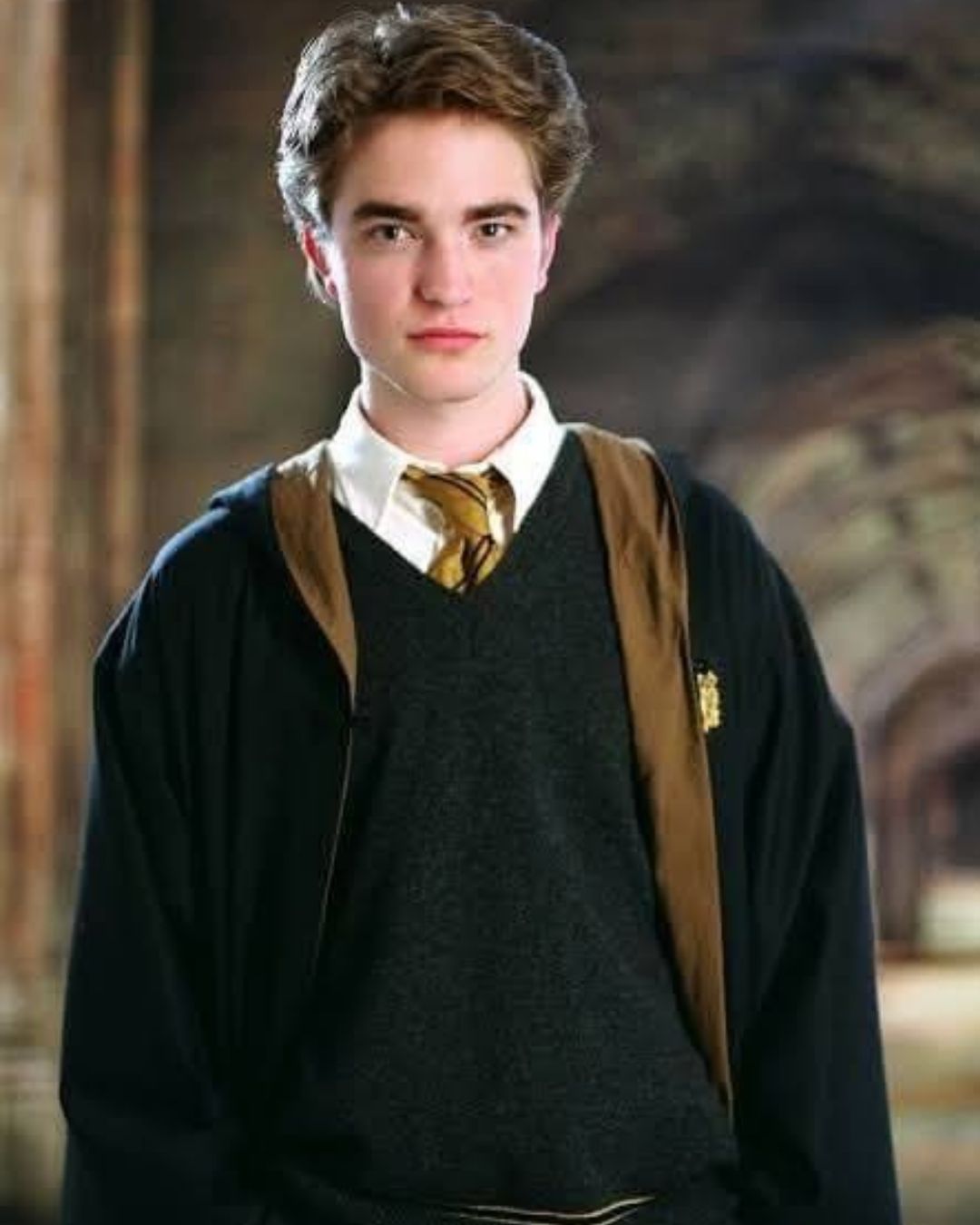
Pattinson first attracted wider attention as Cedric Diggory in ‘Harry Potter and the Goblet of Fire’ (2005). Three years later, ‘Twilight’ changed the scale of his fame.

As Edward Cullen, the brooding vampire at the centre of the hugely popular franchise, he became an international heartthrob. The four sequels cemented his place in popular culture, but also threatened to define his career.
Moving Beyond the Vampire
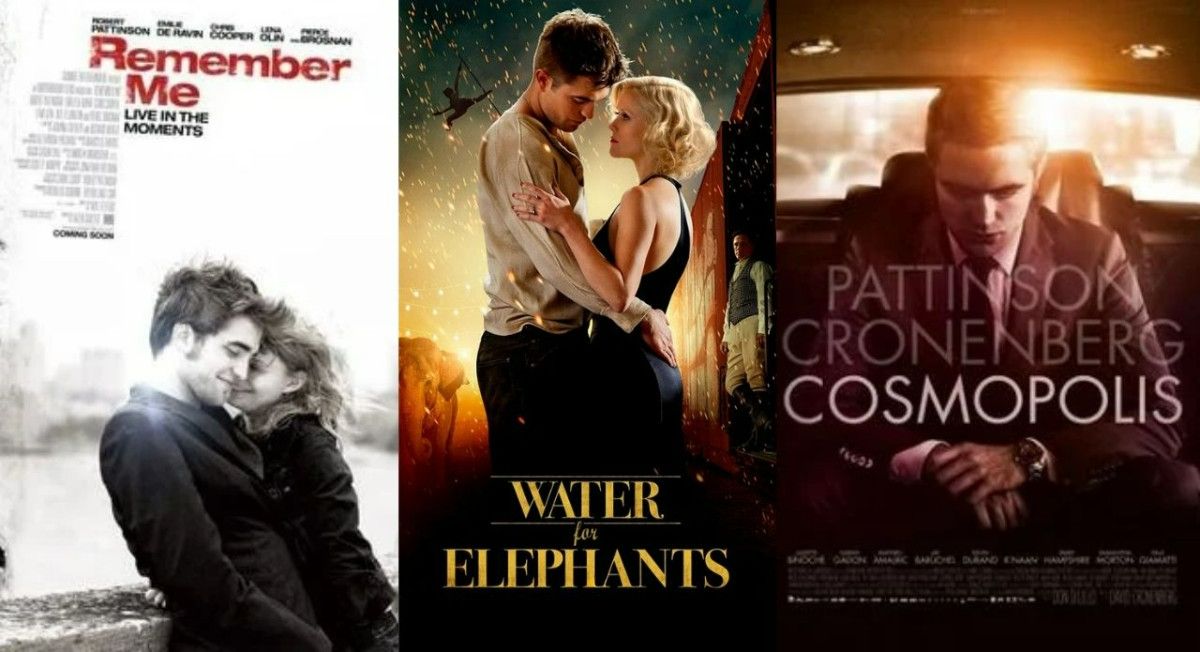
Pattinson began testing that image with projects far removed from fantasy romance. In ‘Remember Me’ (2010) and ‘Water for Elephants’ (2011), he explored contemporary drama and period romance. His collaboration with David Cronenberg on ‘Cosmopolis’ (2012), in which he played a wealthy young financier, signalled a more experimental direction.

That shift became more pronounced with ‘The Rover’ (2014), where he played an unsettled young man in a post-apocalyptic landscape, and ‘Good Time’ (2017). As Connie Nikas, a desperate man trying to free his brother, Pattinson delivered an intense performance that brought renewed critical attention to his work. In ‘High Life’ (2018), he played a father aboard a spacecraft, while ‘The Lighthouse’ (2019) pushed him into the psychological intensity of Robert Eggers’ black-and-white drama.
The Blockbuster Transformation
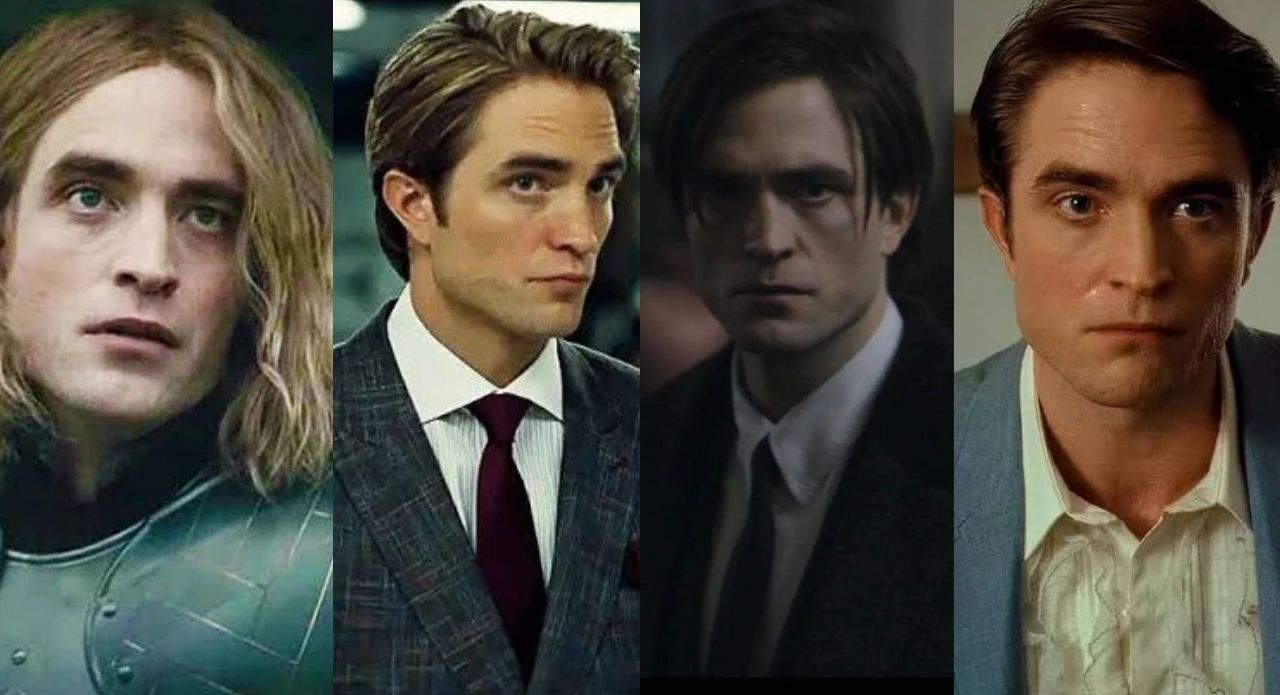
Pattinson continued to alternate between demanding roles and large-scale productions. He played the Dauphin in ‘The King’ (2019), appeared as a disturbing preacher in ‘The Devil All the Time’ (2020), and joined Christopher Nolan’s thriller ‘Tenet’ (2020) as Neil.
Also Read: Robert Pattinson As James Bond: Will 007 Wear An Omega Or Jaeger-LeCoultre?
His casting as Bruce Wayne in Matt Reeves’ ‘The Batman’ (2022) introduced him to another generation of franchise audiences, with a brooding interpretation of the superhero.
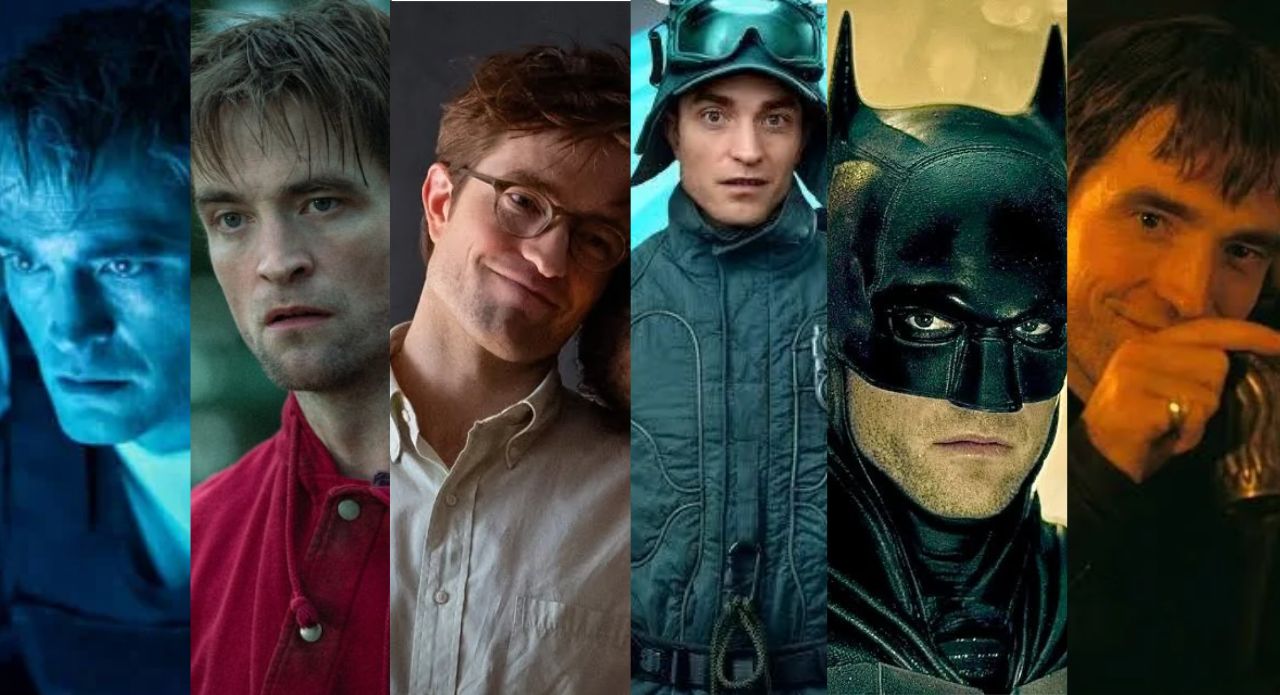
He later played multiple versions of the title character in Bong Joon Ho’s ‘Mickey 17’ (2025), followed by ‘Die, My Love’ (2025). His 2026 screen credits include ‘The Drama’, ‘Primetime’ and Nolan’s ‘The Odyssey’, in which he plays Antinous. He is also set to appear as Scytale in Denis Villeneuve’s ‘Dune: Part Three’ and is currently filming ‘The Batman Part II’.
A New Identity as 007
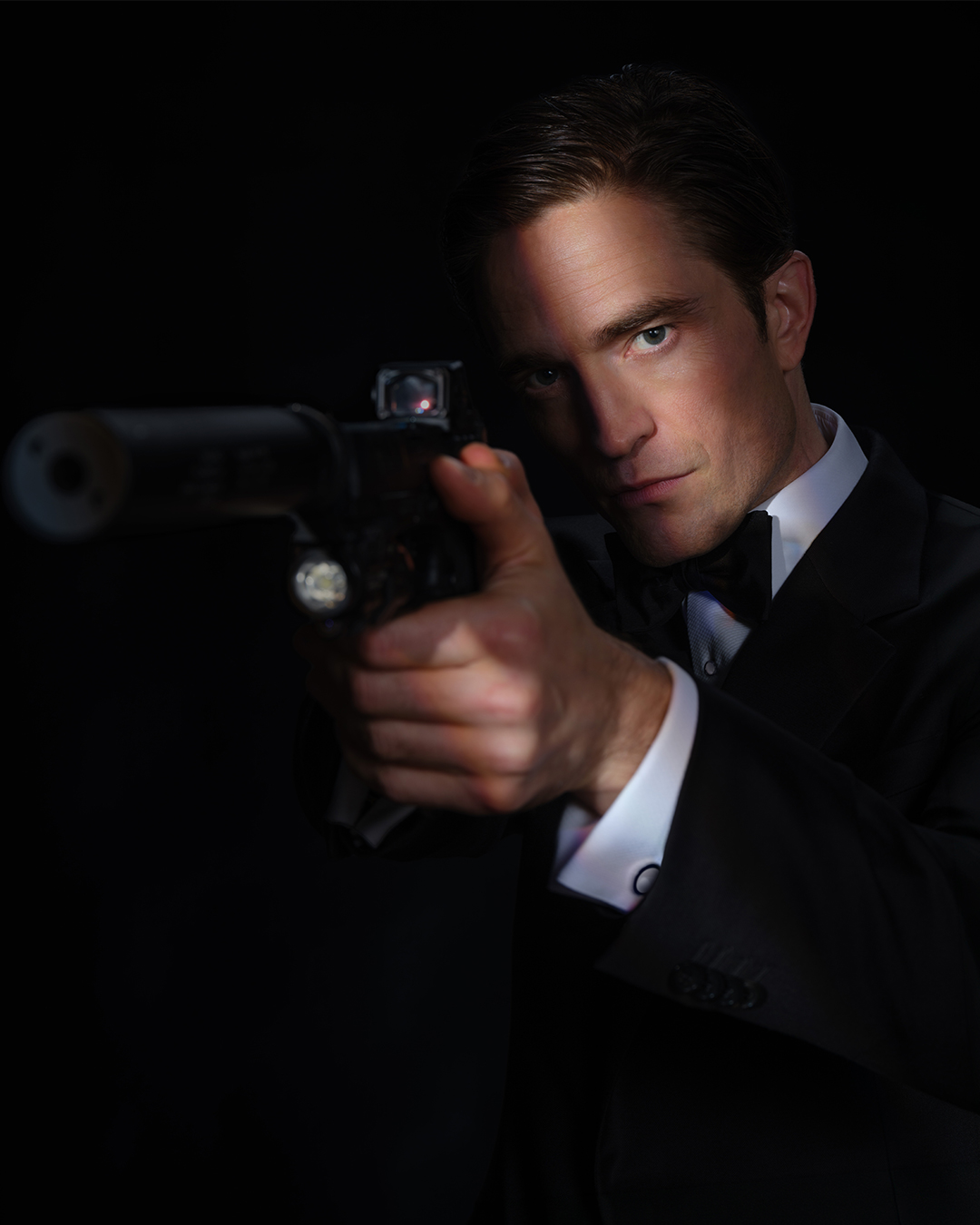
Now succeeding Daniel Craig as James Bond, Pattinson enters one of cinema’s most closely watched roles. Villeneuve will direct the next Bond film from a screenplay by Steven Knight, with Amy Pascal and David Heyman producing. The project brings him back together with Villeneuve after ‘Dune: Part Three’.
Also Read: Jaeger-LeCoultre Appoints Robert Pattinson As Global Ambassador
Pattinson’s career has been shaped by transformation which includes a plethora of iconic characters including Cedric Diggory and Edward Cullen to Bruce Wayne and now 007. His selection as Bond is not a departure from that journey but its latest and perhaps most high-profile chapter.