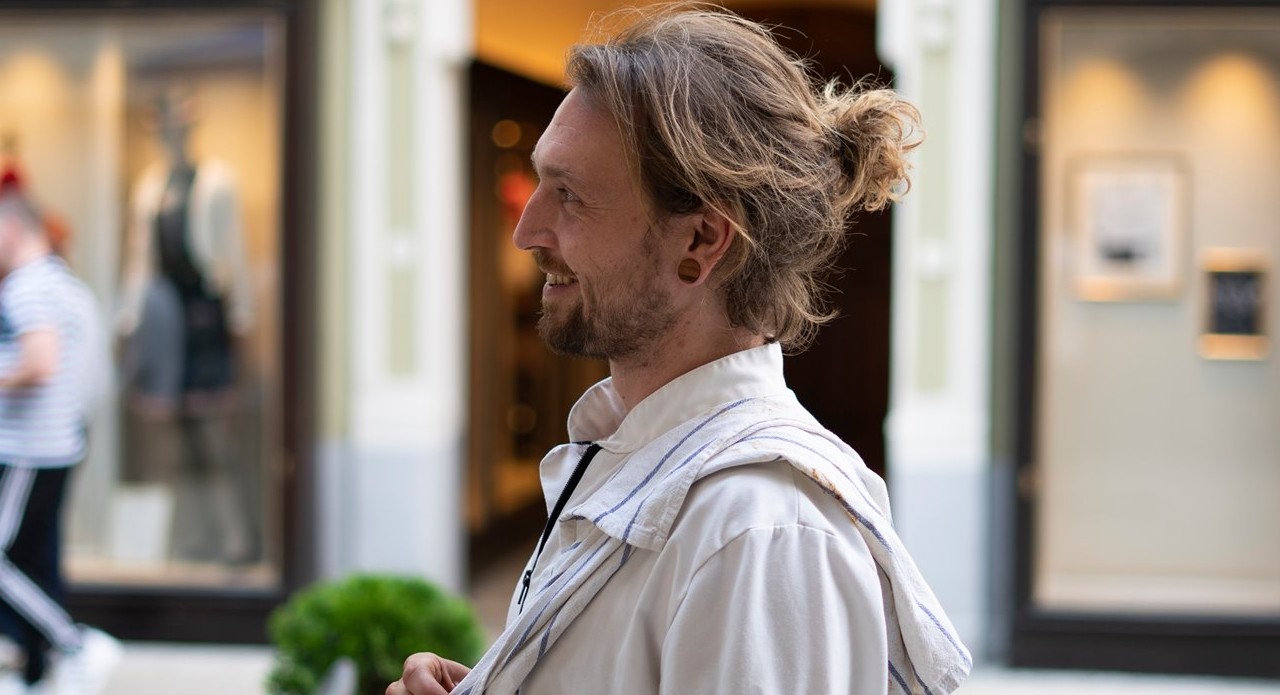


In the high stakes world of Michelin starred cooking, where one slip can undo years of obsessive precision, Chef Philipp Dyczek comes across not as a showman but as someone quietly confident, fully aware of his craft and with no need to make a spectacle of it. His cooking is not built on drama or unnecessary flair; it feels engineered, almost, clean, precise, and firmly focused on extracting the very best from every single ingredient. Years spent in some of the most demanding kitchens in the world have clearly shaped that discipline. Then he arrives at The Lalit New Delhi, steps into OKO, and finds himself in the middle of a riot of spice, aroma, and unapologetic flavour. Instead of being overwhelmed, he leans into it with curiosity and intent. What follows is not a clash but something far more compelling, a meeting point between European restraint and Indian exuberance. Amid this energetic exchange, Outlook Luxe had the opportunity to sit down with him, and it quickly became clear that behind the calm exterior is a mind constantly at work, dissecting flavour, refining technique, and thinking about where gastronomy is headed next. What emerged was not merely an interview but a revealing look at how great chefs operate, always evolving, always learning, and occasionally discovering brilliance where they least expect it.
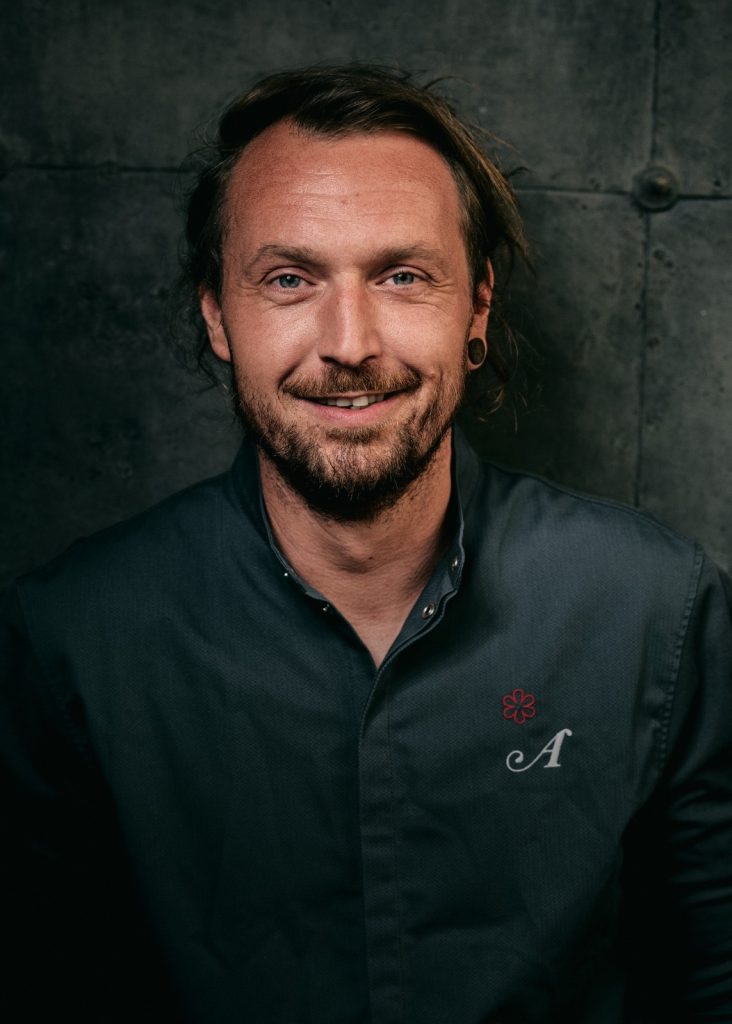
Your culinary journey has taken you through some of the world’s finest kitchens. What first drew you to the culinary arts?
Philipp Dyczek: I was drawn to cooking very early simply by the idea of how humble ingredients can become into something emotional and memorable. My early years in professional kitchens shaped my discipline and respect for ingredients. Being here at The LaLiT New Delhi has reminded me how universal that passion is. Great food always begins with great produce and a team that truly cares about the craft.
Every Michelin-starred chef has a defining moment. Was there an experience that transformed your understanding of fine dining?
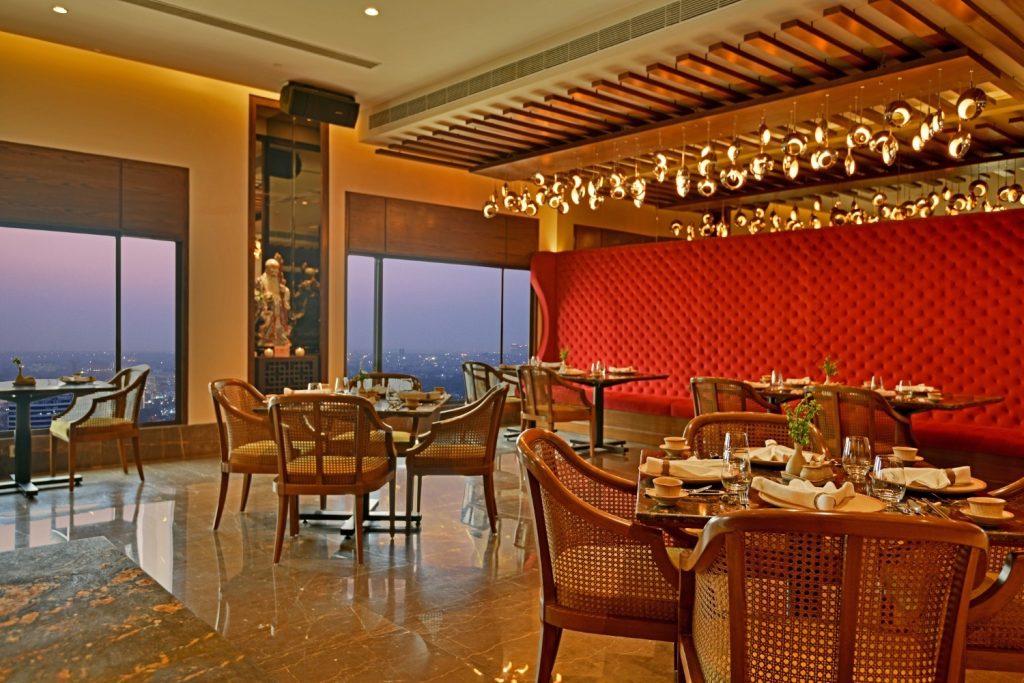
PD: Working in demanding kitchens taught me that fine dining is ultimately about intention and precision. It’s not about excess, it’s about clarity of flavour and balance. During my time cooking at the OKO, New Delhi, I’ve felt that same philosophy in the kitchen: a respect for ingredients combined with thoughtful technique.
How would you describe the core principles that guide your cuisine today?
PD: My philosophy rests on clarity, elegance, and respect for the ingredient. Every element on the plate must have purpose. Cooking in the OKO kitchen has been inspiring because Indian flavours naturally embrace this idea of depth and harmony.
The Michelin star represents both recognition and responsibility. How did receiving it change your perspective?
PD: Receiving a Michelin star is deeply humbling. It reinforces that excellence is a daily commitment. Recognition brings pride, but it also brings responsibility to your guests, your team, and the craft itself.
Indian cuisine is incredibly diverse. From a global chef’s perspective, what fascinates you the most about it?
PD: What fascinates me most is the extraordinary layering of flavours. Spices, regional techniques, and centuries of culinary heritage create incredible depth. Experiencing these flavours here at the OKO and working closely with their team has been both inspiring and enriching.
Many chefs admire the complexity of Indian spices. How inspiring do you find working with them?
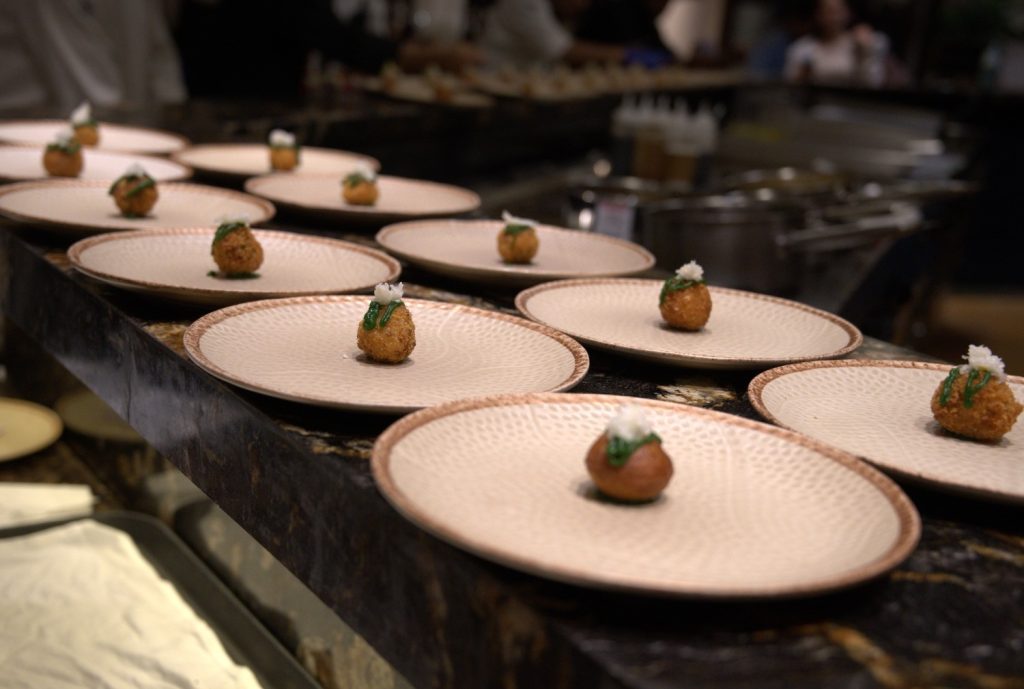
PD: Indian spices demand balance and respect. They can be bold, but when handled thoughtfully they create remarkable elegance. In the OKO kitchen, it’s fascinating to see how these flavours are woven into dishes with such confidence.
If you were to reinterpret an Indian dish through your own culinary lens, which would intrigue you the most?
PD: I would be intrigued by reinterpreting butter chicken refining the sauce to a lighter, more delicate texture while preserving its iconic flavour profile. The inspiration for such ideas often comes from experiences working with the such brilliant team such as the one at OKO. You learn and inspire a lot from the chefs who profess in local cuisine and dishes where you and which you experience in its authentic setting.
Indian dining culture places emphasis on sharing and communal meals. Could this influence modern fine dining?
PD: Absolutely. The communal spirit of Indian dining is beautiful. It reminds us that food is ultimately about connection. Experiences like this pop-up at OKO show how fine dining can also feel warm, engaging, and shared.
Sustainability and locally sourced ingredients are becoming increasingly important. How do these values influence your menus?
PD: For me, great cuisine begins with respecting ingredients, how they are grown, sourced, and prepared. Sustainability encourages creativity because it pushes chefs to work with what is truly available and exceptional.
For young chefs in India aspiring to reach the global stage, what advice would you give?
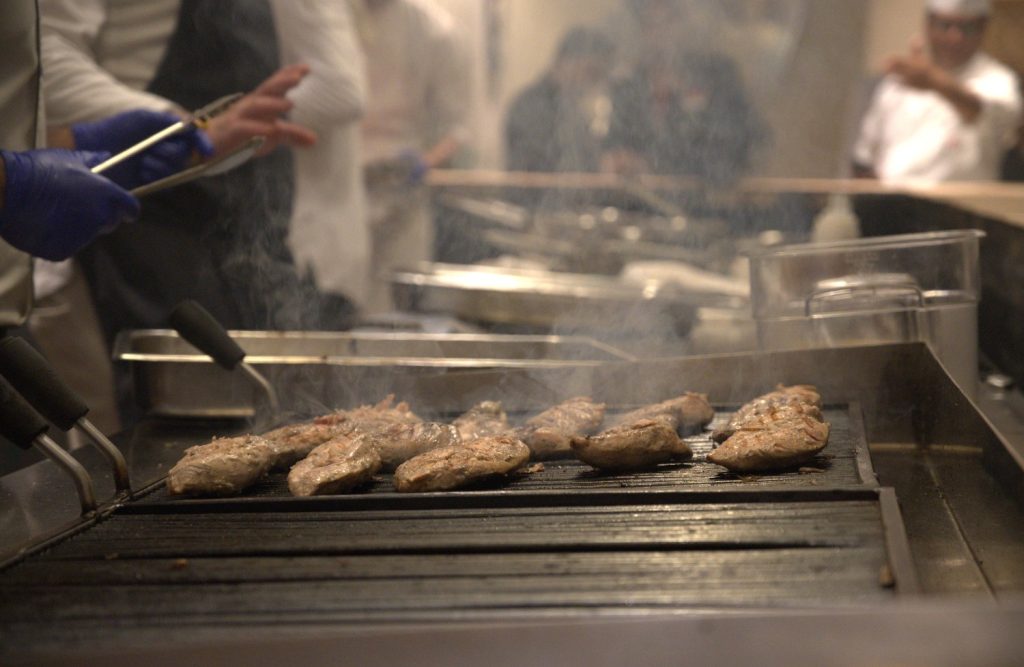
PD: Master your traditions first. When you understand your roots deeply, innovation becomes more meaningful. The richness of Indian cuisine already offers an incredible foundation.
Looking ahead, what excites you most about the future of gastronomy?
PD: The future of gastronomy lies in cultural exchange. When chefs respectfully explore cuisines beyond their own, it creates new ideas and perspectives. Experiences like this collaboration with the team at The Lalit New Delhi and the talented chefs at OKO are exactly the kind of dialogue that moves global gastronomy forward.