

A luxury watch may be powered by an extraordinary mechanical movement hidden beneath layers of engineering, but the first thing the world sees is the dial. It is the face of the timepiece, the canvas where a watchmaker’s technical discipline meets an artist’s imagination. For centuries, watch dials have evolved from simple functional surfaces into some of the most intricate elements in haute horlogerie. Today, creating a luxury watch dial requires the patience of an artisan, the accuracy of a scientist and the creativity of a designer. A dial may appear effortless from a distance, but beneath its polished surface lies a world of engraving, layering, finishing, colour development and microscopic precision.
The Dial: The First Impression Of A Mechanical Masterpiece
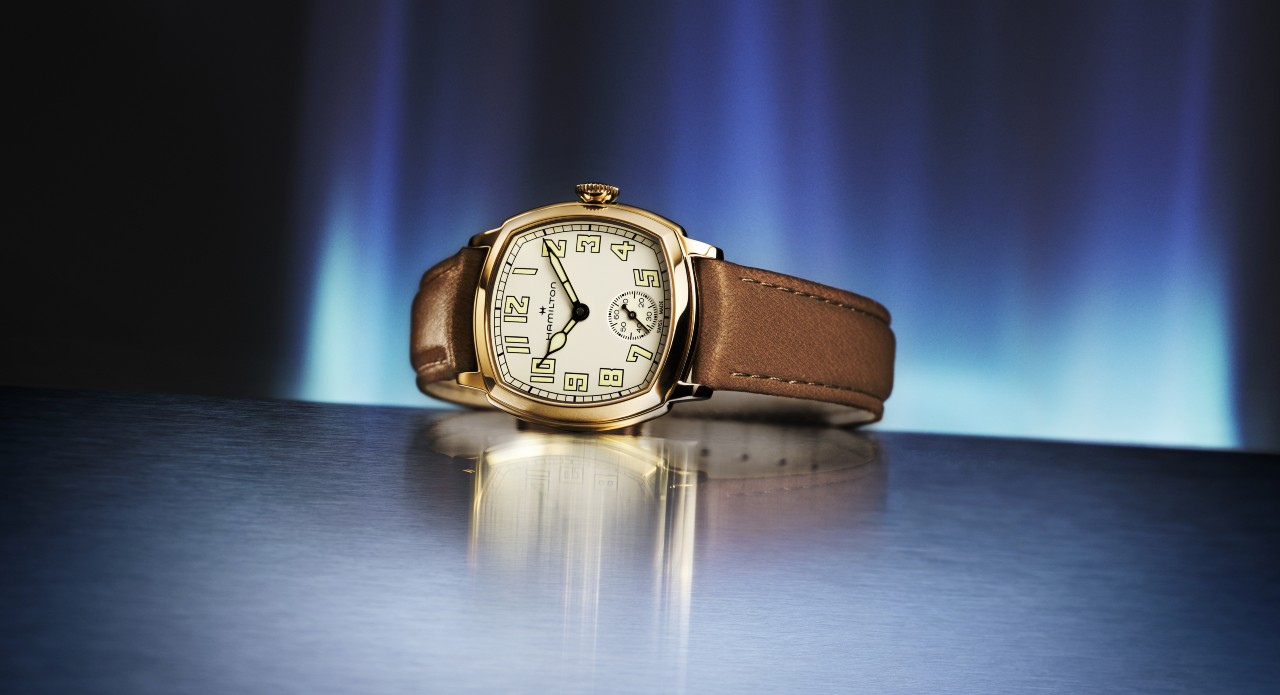
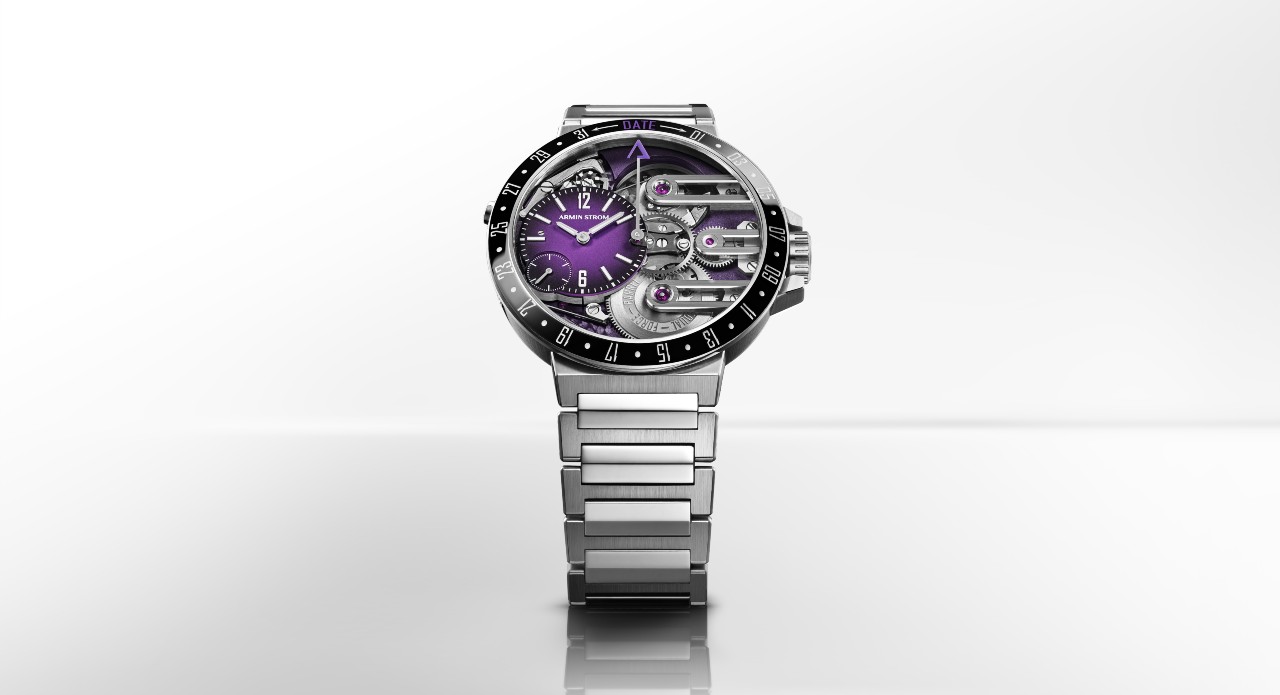
In fine watchmaking, the dial is far more than a display showing hours and minutes. It is where a brand’s identity comes alive. The shape of the hands, the placement of markers, the texture of the surface and even the reflection of light are carefully considered. Every detail influences how the watch feels on the wrist. A beautifully made dial must achieve a difficult balance. It needs to be visually striking while remaining perfectly legible. It must express personality without overwhelming the technical beauty of the movement. This is why some of the world’s most respected watchmakers spend countless hours perfecting a single dial design.
Also Read: From Roman Numerals To Indices: Types Of Hour Markers Explained
The Foundation: Preparing The Dial Base
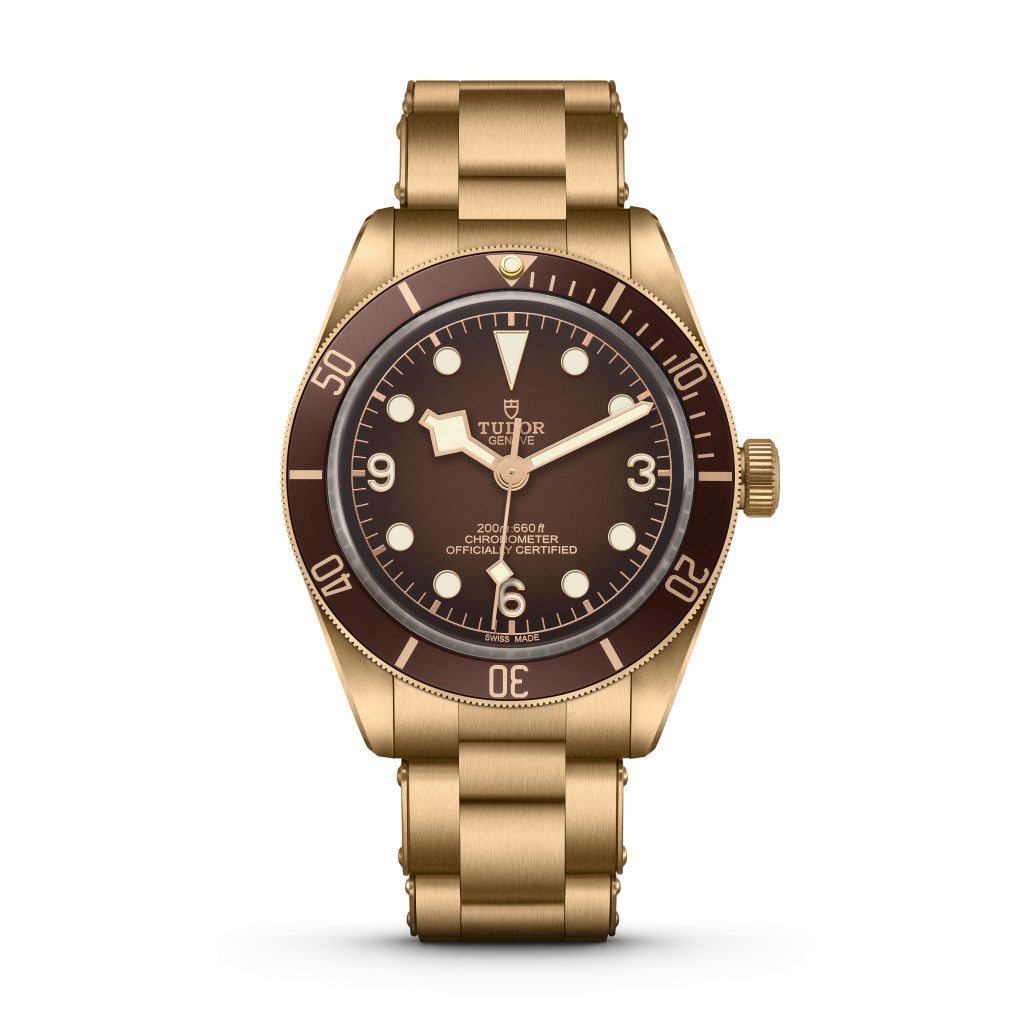
The creation of a luxury watch dial begins with the dial plate, usually made from materials such as brass, gold or other carefully selected metals. This base provides the structure on which every additional element will be applied. The surface must be perfectly prepared because even the smallest imperfection can become visible under the intense scrutiny of watch collectors. The dial is polished, cleaned and treated before decorative techniques begin. In haute horlogerie, precision is measured in fractions of a millimetre. A tiny error in alignment can affect the entire appearance of the watch.
The Art Of Guilloché: Turning Metal Into Patterns
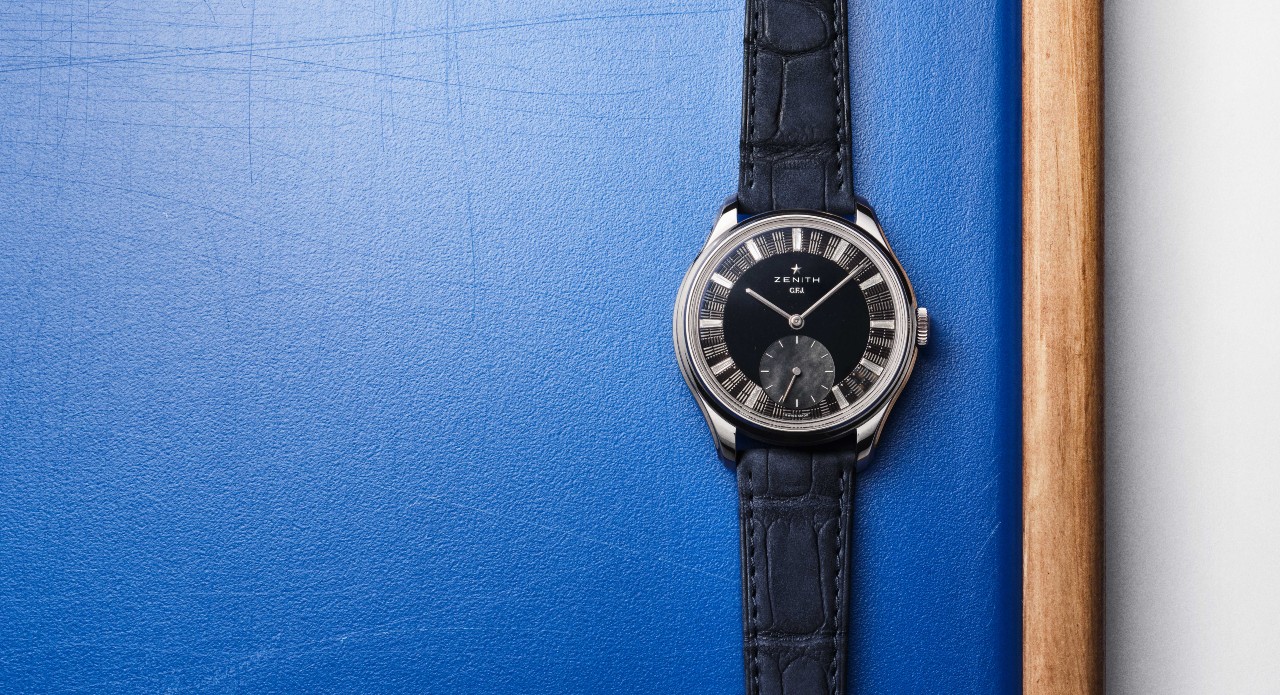
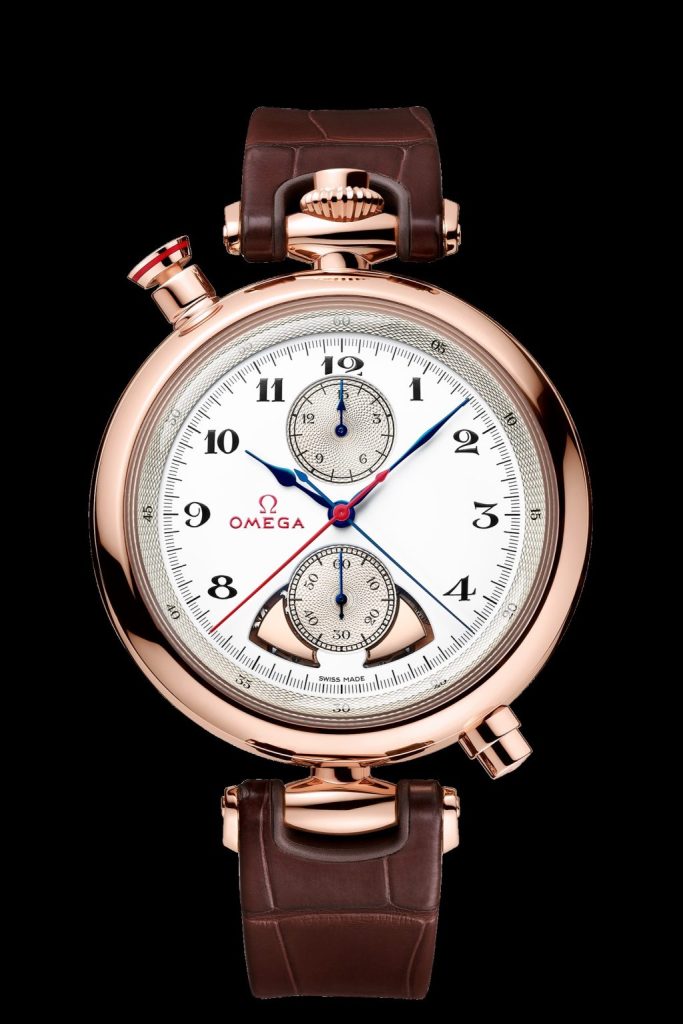
One of the most admired dial techniques in traditional watchmaking is guilloché. This centuries old craft involves engraving intricate geometric patterns into the dial surface using specialised machines. The process requires exceptional control because the patterns are created through repeated movements of the engraving tool. The result is a dial that changes character depending on how light moves across it. Waves, lines and circular patterns create depth that cannot be replicated through simple printing. Many historic watch houses continue to preserve this technique because each guilloché dial carries the unmistakable mark of human craftsmanship.
Enamel Dials: The Science Of Colour And Fire
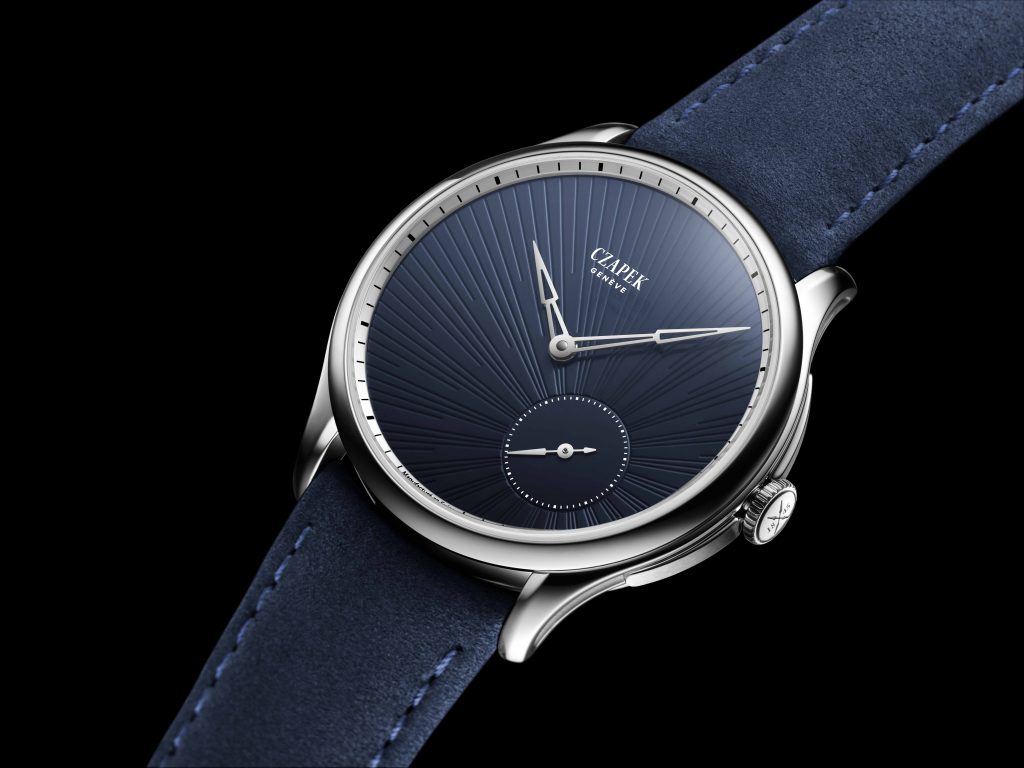
Enamel is one of the most demanding materials used in watchmaking. Creating an enamel dial involves applying layers of powdered glass that are carefully heated at extremely high temperatures. Each firing process transforms the material into a smooth, luminous surface. The challenge is that enamel can react unpredictably during heating, meaning a dial can take multiple attempts before achieving perfection. Techniques such as grand feu enamel are valued because they create extraordinary depth and lasting colour. The finished surface often appears almost like porcelain, with a richness impossible to achieve through ordinary paint.
The Beauty Of Stone And Natural Materials
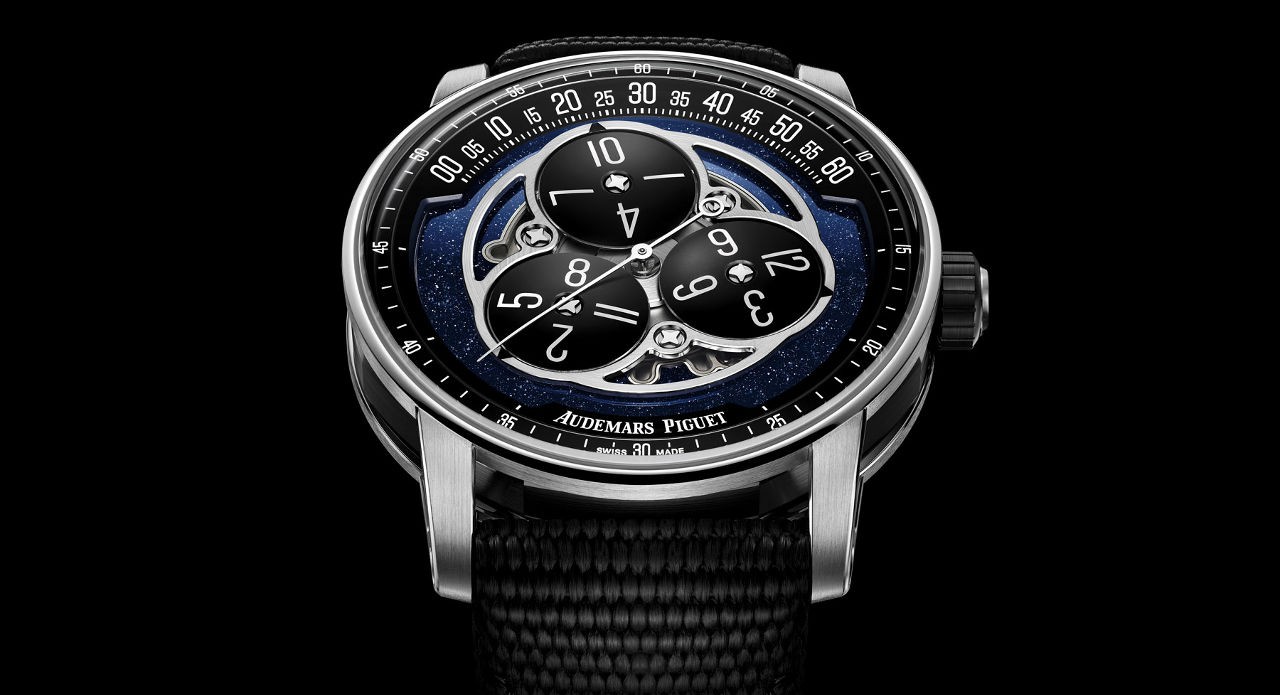
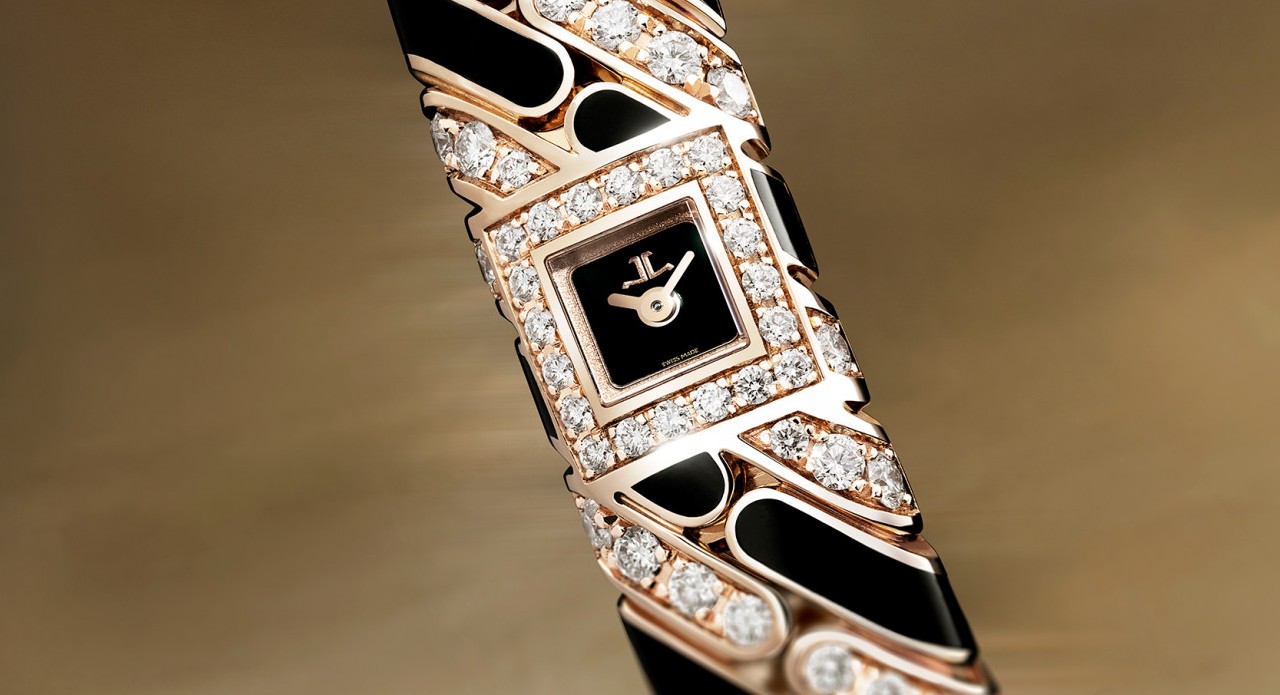
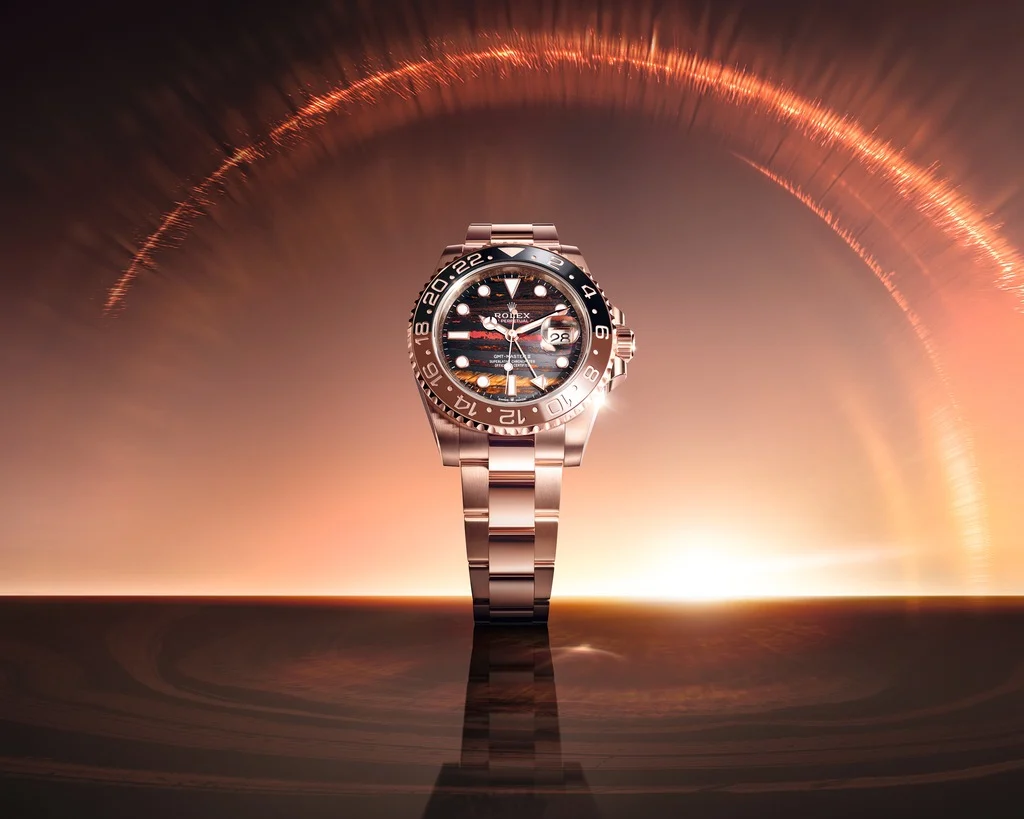
Some of the most fascinating luxury watch dials are created from rare natural materials. Stones such as aventurine, meteorite, mother of pearl and onyx bring unique textures because no two natural pieces are exactly identical. Each surface carries its own patterns, colours and imperfections. Watchmakers carefully cut these fragile materials into extremely thin layers before placing them onto the dial. A meteorite dial may reveal the structure of material formed in space, while mother of pearl creates a shifting play of colour depending on the angle of light. Nature itself becomes part of the watch’s design.
Applied Markers, Hands And Microscopic Detailing
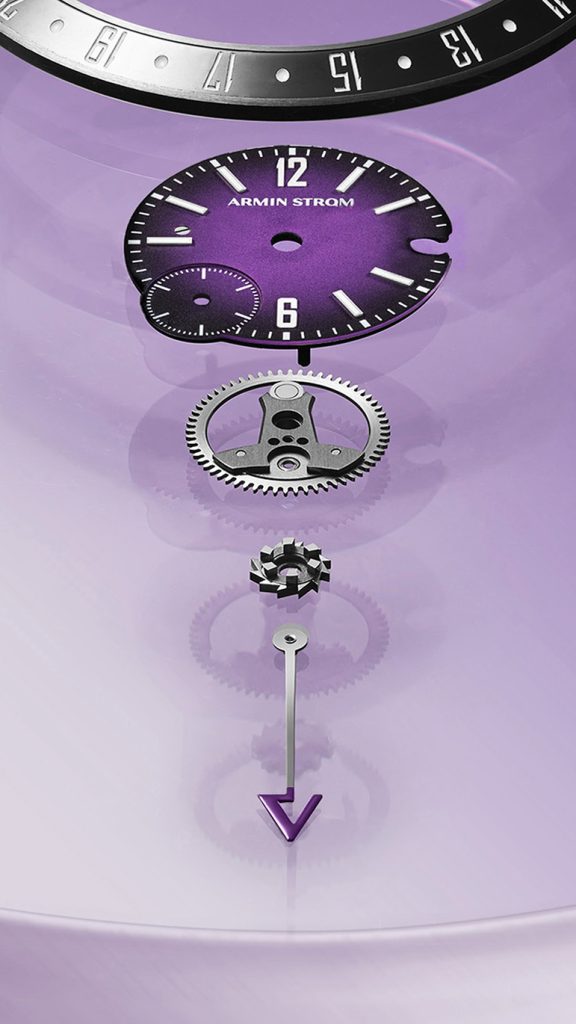
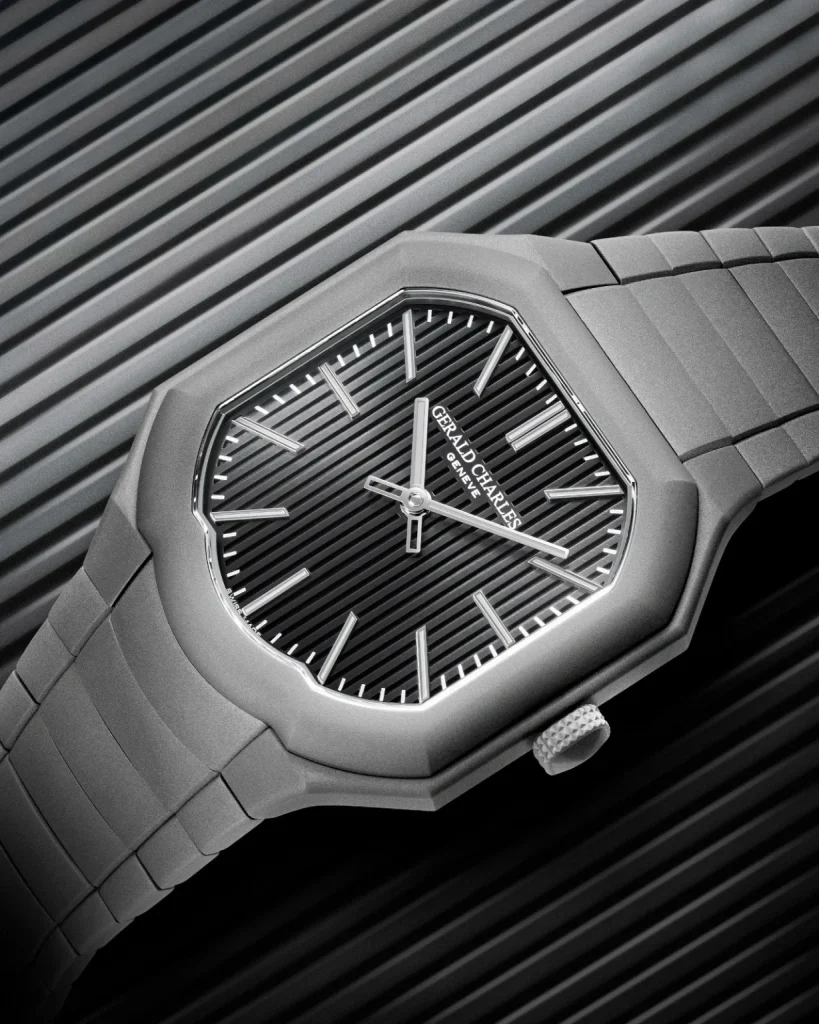
The smallest components of a dial often require the highest level of precision. Applied hour markers, logos and indexes are individually positioned and secured. In some watches, these elements are polished, bevelled or filled with luminous material by hand. The hands must also be perfectly balanced. They need to move precisely across the dial while maintaining harmony with the overall design. In luxury watchmaking, these details are not decoration. They are part of the watch’s personality.
Also Read: Honeycomb Watch Dials: What They Are And Why They’re Used
The Dial As A Work Of Art
A luxury watch dial represents one of the clearest examples of where engineering and artistry meet. It requires metallurgy, chemistry, design, patience and extraordinary attention to detail. The movement may keep the watch alive, but the dial gives it a personality. Behind every elegant surface is a story of craftsmen who transformed a simple piece of material into something that can be admired for generations. In haute horlogerie, time is measured in seconds. But greatness is measured in details.