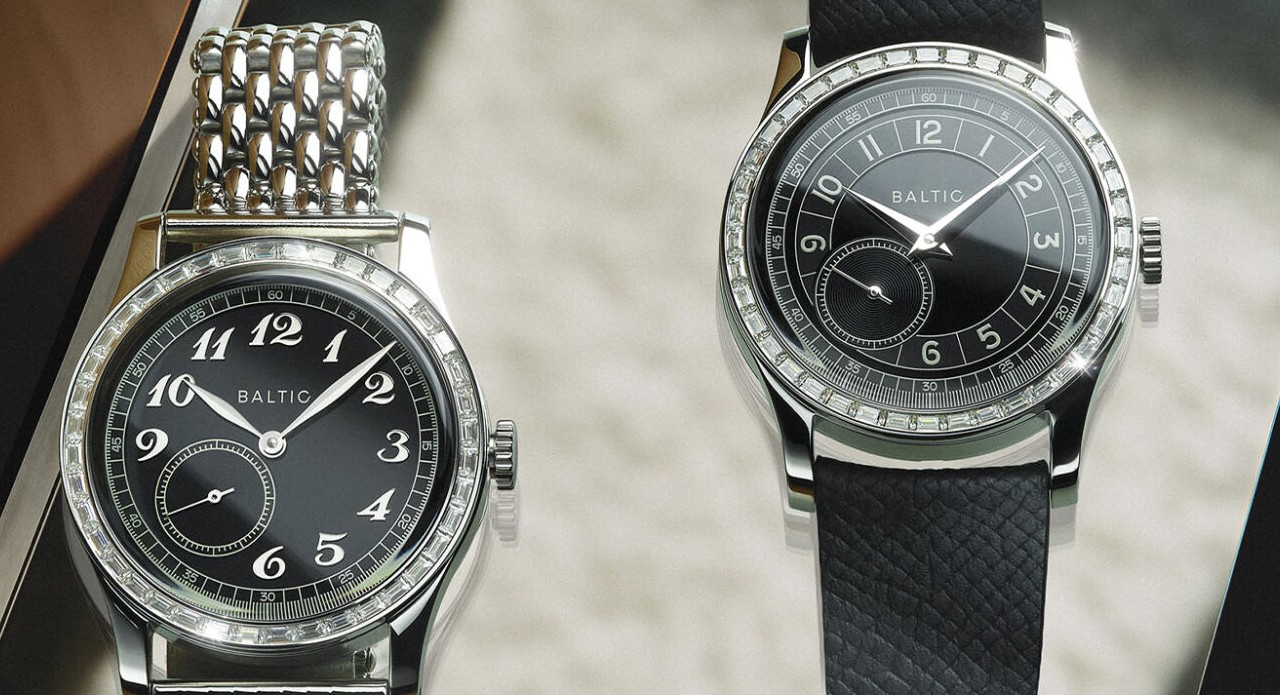


In the wonderfully obsessive universe of watchmaking, it is rarely the obvious elements that do the heavy lifting. While hands sweep and complications whirl about demanding attention, it is the quiet, patient hour markers that truly keep everything in line. These small details sit there, doing their job without applause, yet they dictate how a watch feels, reads, and ultimately behaves on the wrist. Some are bold and declarative, others are subtle to the point of near invisibility, but each carries a distinct personality that can transform a dial from formal to sporty, from playful to austere. They are, in many ways, the typography of time, shaping not just clarity but character. Change the markers and you change the entire conversation, rather like swapping a tailored suit for a racing jacket. There is also a certain charm in how much thought goes into something so seemingly minor, a reminder that watchmaking thrives on nuance. After all, telling time is simple. The way you choose to present it is where things become rather interesting.
California Hour Markers
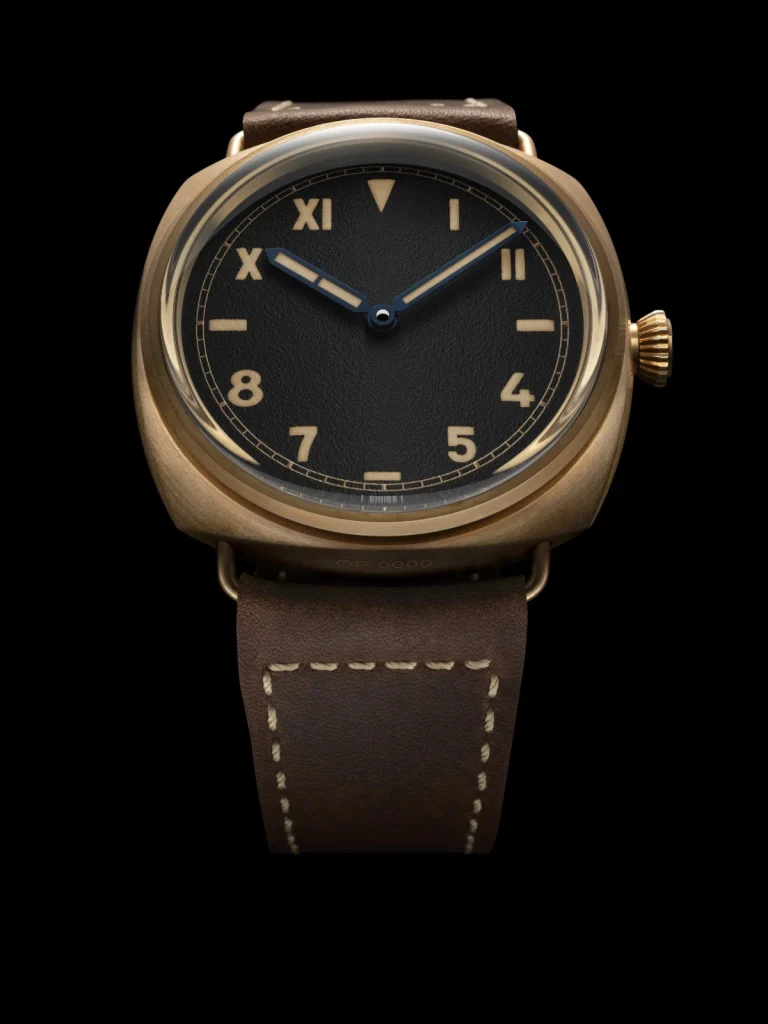
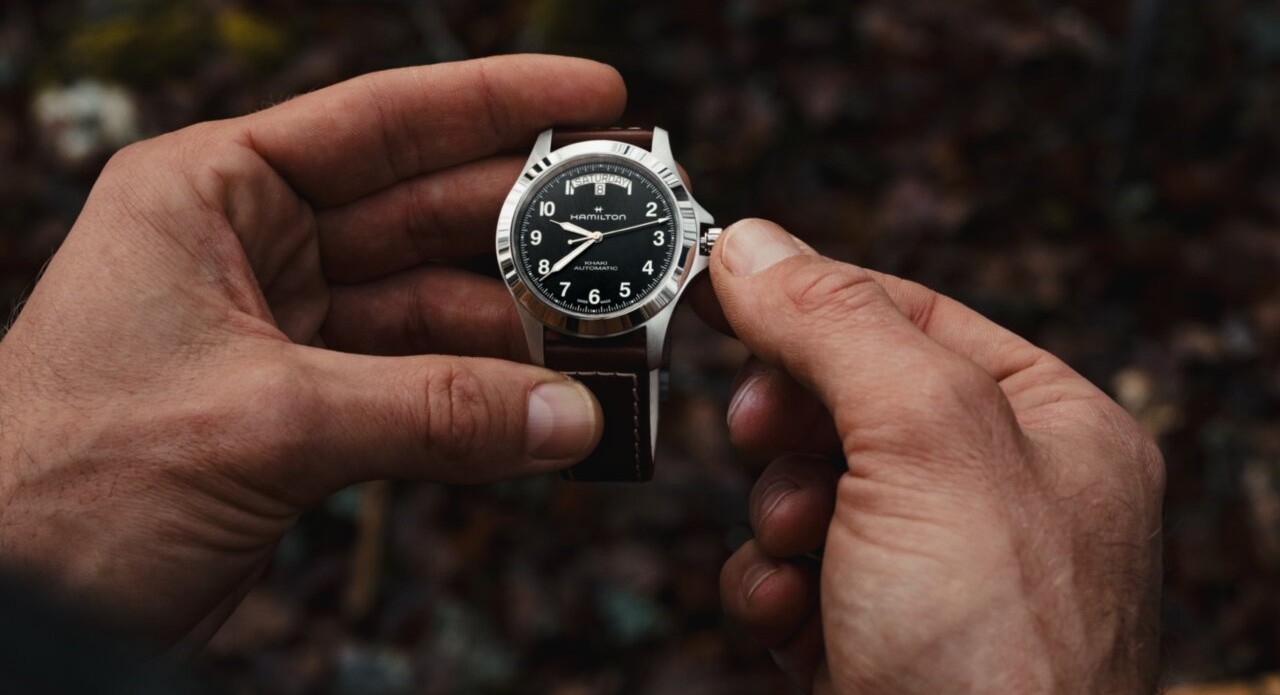
California hour markers are perhaps the most delightfully unconventional of the lot. Characterised by a half-and-half dial—Roman numerals on the upper half and Arabic numerals on the lower—this design breaks every traditional rule, yet somehow works brilliantly. Its origins are often linked to mid-20th century watch restoration practices in California, though its roots trace back to earlier European designs. The contrast between numeral styles enhances legibility, making it surprisingly practical despite its quirky appearance. Often paired with bold hands and luminous plots, California dials have become a cult favourite among collectors who appreciate individuality over orthodoxy. There’s an inherent playfulness here, a sense that watchmaking doesn’t always have to be serious. Instead, it can experiment, remix, and reinterpret history in unexpected ways. The result is a dial that feels both vintage and rebellious—an artistic contradiction that stands out in a sea of symmetry.
Baton Hour Markers
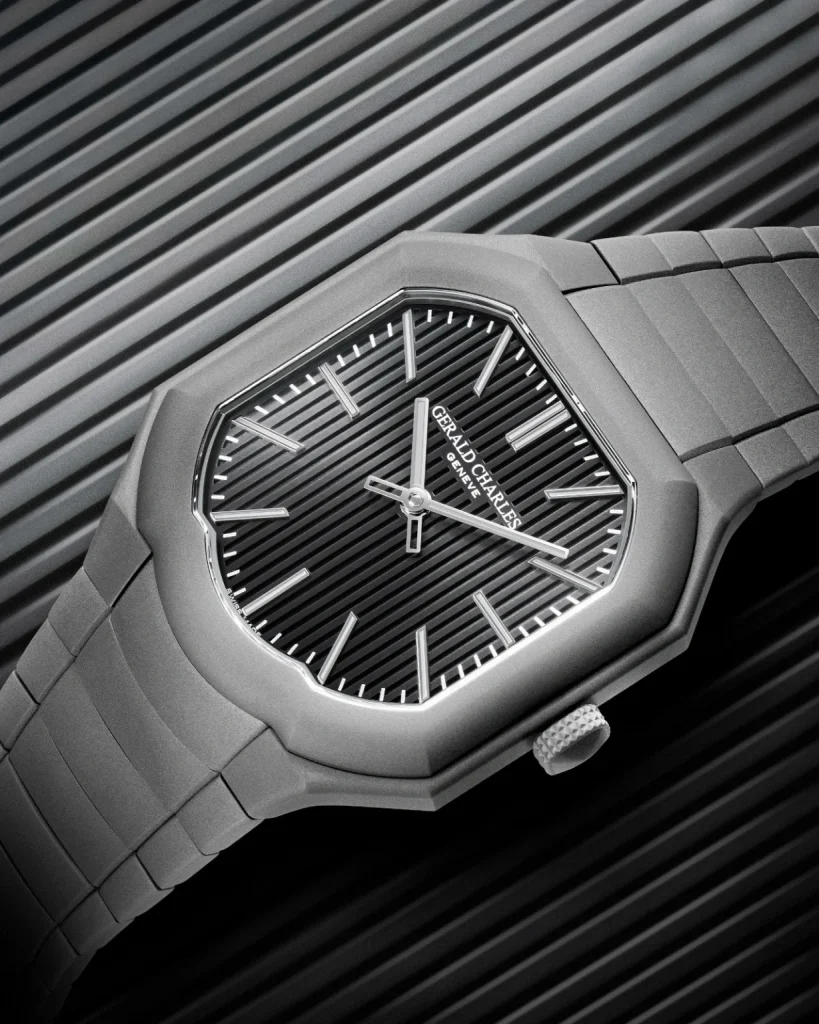
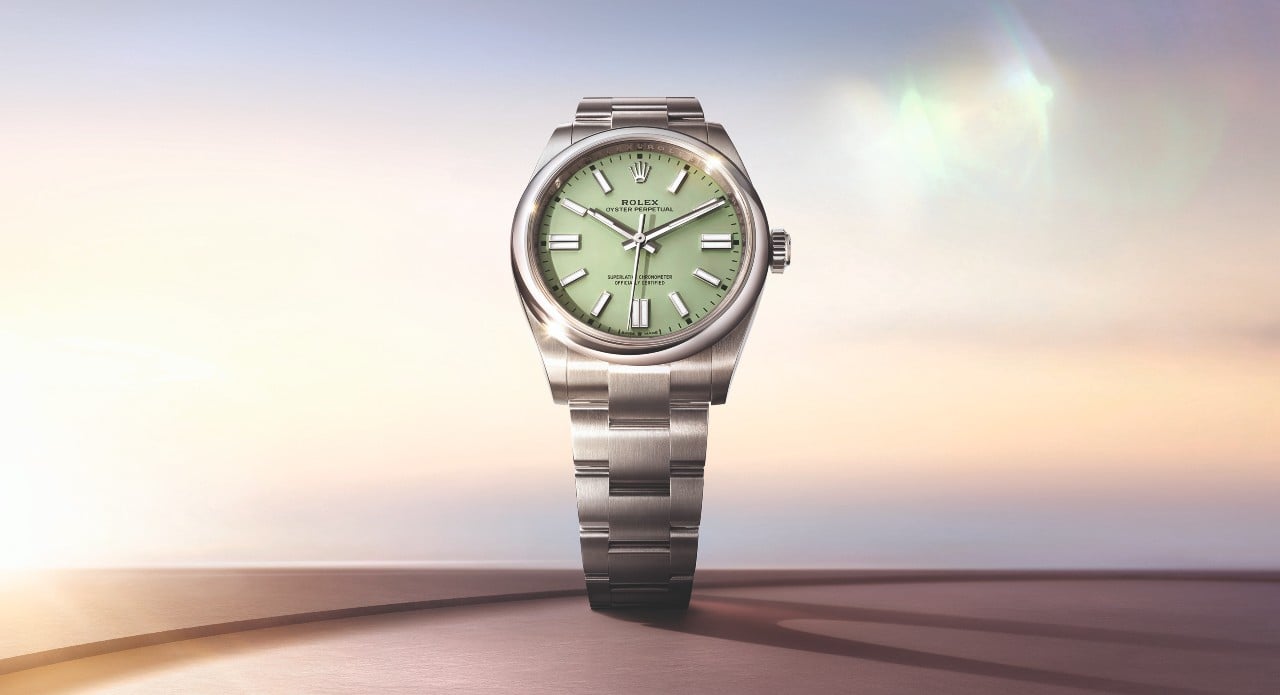
Baton hour markers, also known as stick indices, are the embodiment of modern restraint. Stripped of numerals and unnecessary ornamentation, they rely on clean, linear forms to communicate time with clarity and elegance. Typically applied as polished metal bars or simple printed lines, baton markers are favoured in contemporary dress watches and luxury sports models alike. Their strength lies in their versatility—they can be razor-sharp and architectural or softly tapered and refined, depending on the design language of the watch. More importantly, they allow the dial to breathe, creating a sense of openness and balance that enhances legibility. There’s no distraction here, no historical flourish competing for attention—just pure, functional design executed with precision. In many ways, baton markers reflect a modernist philosophy: less is more. And when done right, that simplicity becomes not a limitation, but the ultimate expression of sophistication.
Roman Hour Markers
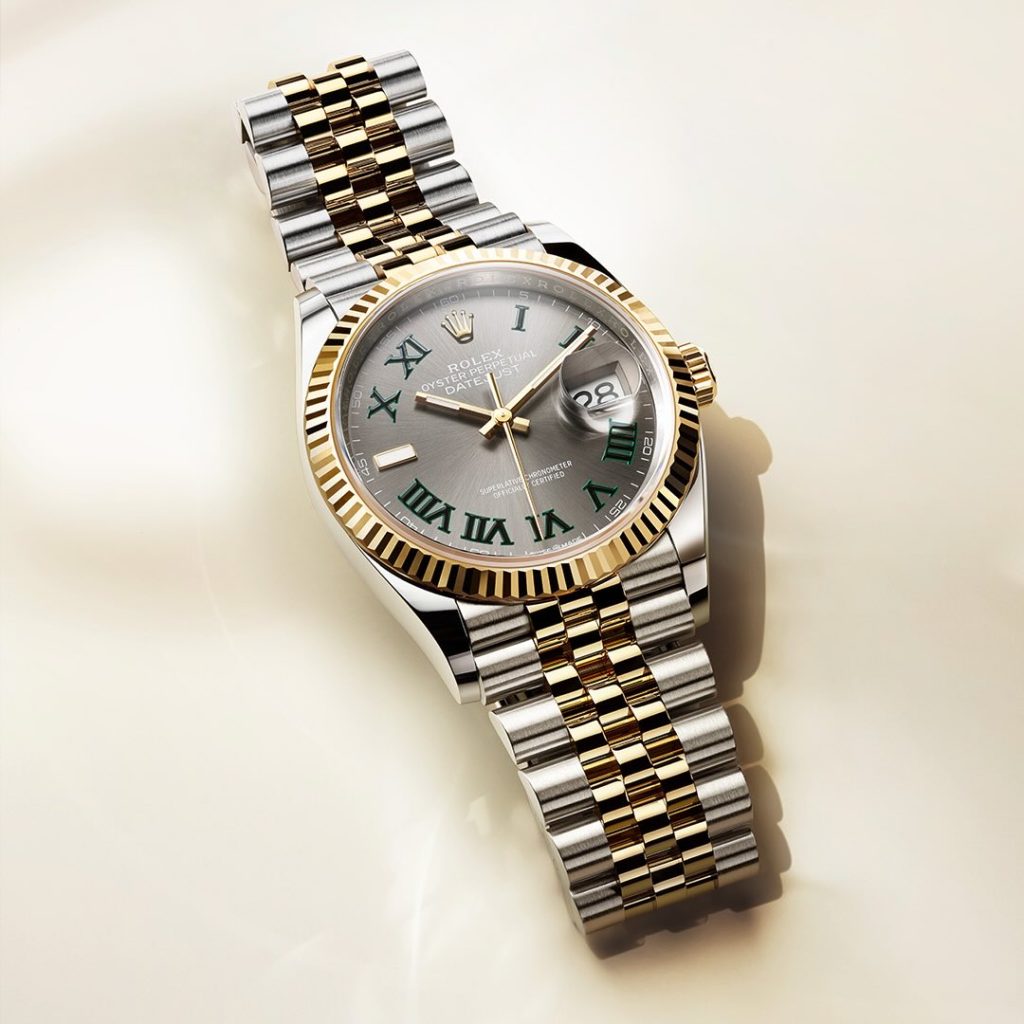
Roman hour markers bring with them a sense of ceremony that few other designs can match. Instantly recognisable through numerals like I, V, and X, they evoke the grandeur of classical antiquity and lend a watch an unmistakably formal character. Often found on dress watches, Roman numerals are less about rapid readability and more about aesthetic presence. Interestingly, many watchmakers opt for “IIII” instead of “IV” at the four o’clock position—a tradition rooted in visual symmetry rather than historical accuracy. The elongated, often stylised forms of Roman numerals create a rhythm across the dial, guiding the eye in a way that feels almost architectural. They pair beautifully with precious metals, enamel dials, and traditional complications, reinforcing a sense of heritage. Wearing a watch with Roman markers is not just about telling time; it’s about participating in a lineage that stretches back thousands of years.
Breguet Hour Markers
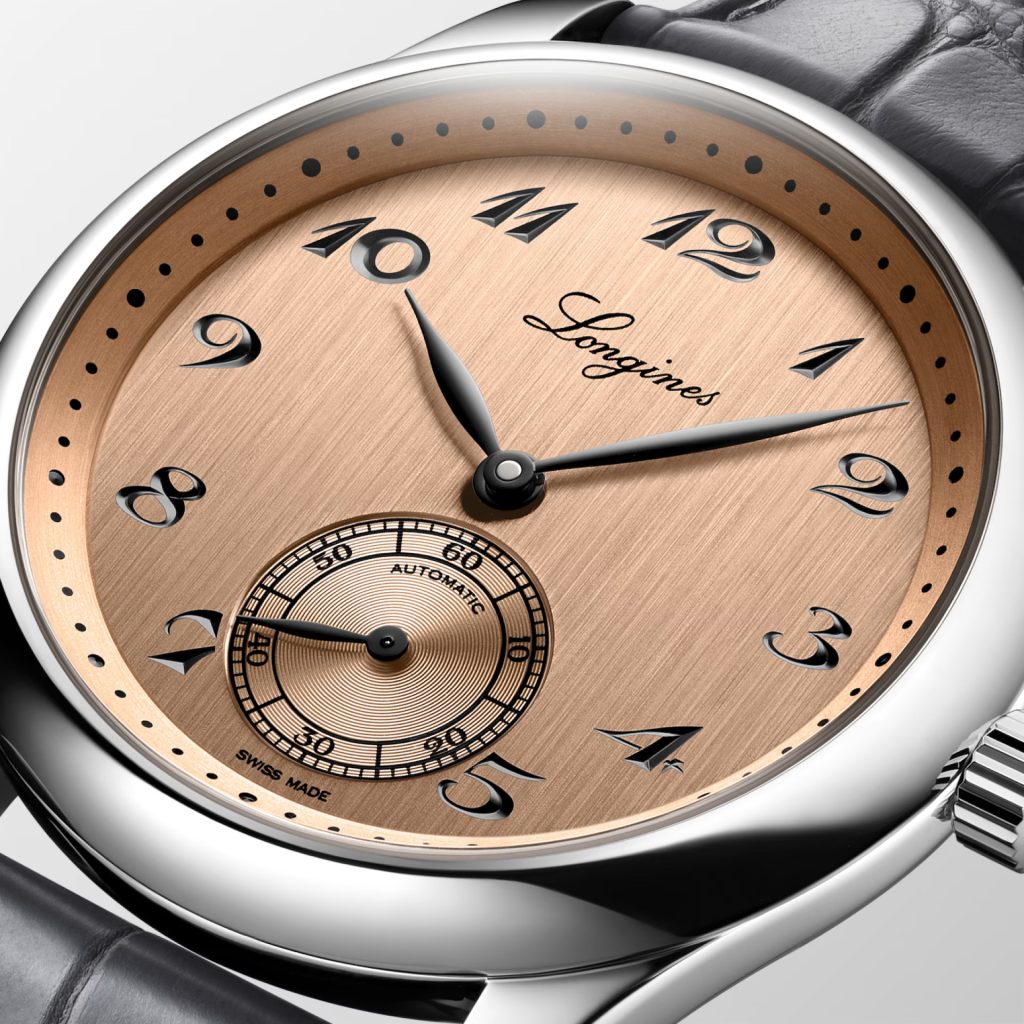
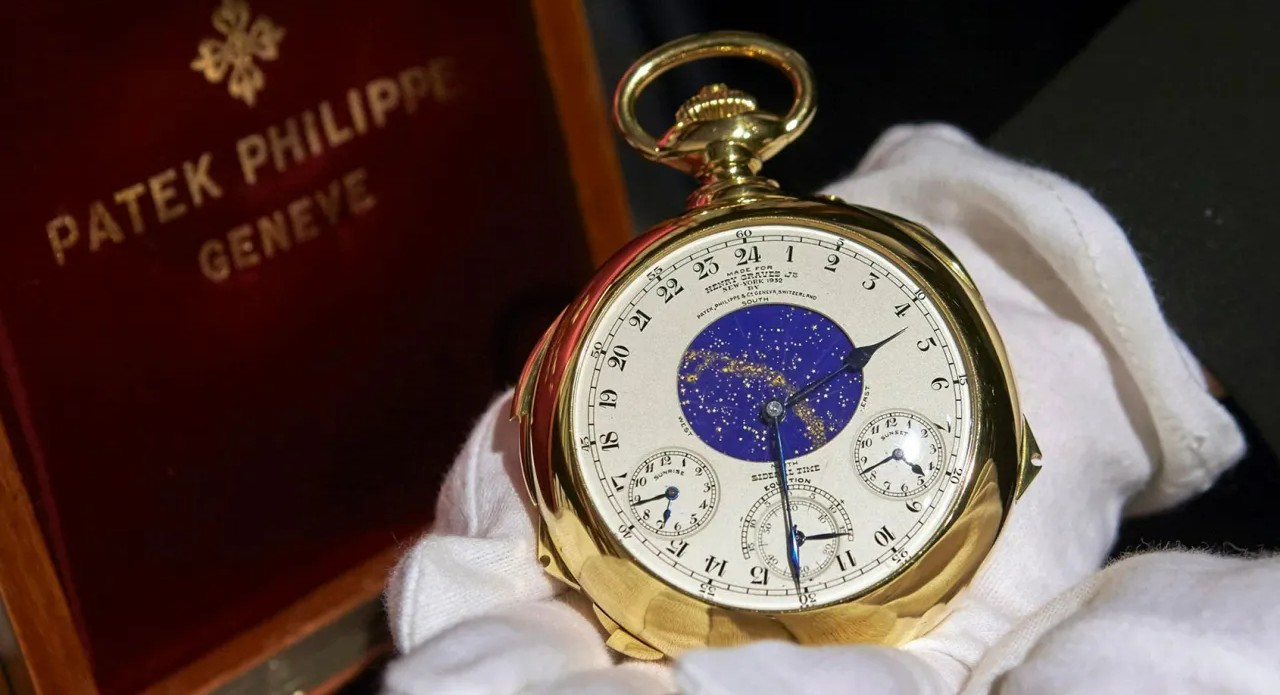
Breguet hour markers are a masterclass in elegance and craftsmanship, named after the legendary watchmaker Abraham-Louis Breguet. Unlike standard numerals, Breguet markers are defined by their distinctive, flowing serif style—graceful, slightly whimsical, and unmistakably refined. They are often individually applied or delicately printed, sometimes complemented by guilloché dials and blued steel hands, creating a harmonious interplay of textures and colours. These markers are not merely functional; they are decorative elements that elevate the entire watch into the realm of art. There’s a softness to their curves, a sense of movement that contrasts beautifully with the mechanical precision beneath. Breguet numerals are typically found on high-end dress watches, where tradition and craftsmanship take centre stage. They serve as a reminder that horology is as much about beauty as it is about engineering—a delicate balance of form and function.
Dagger Hour Markers
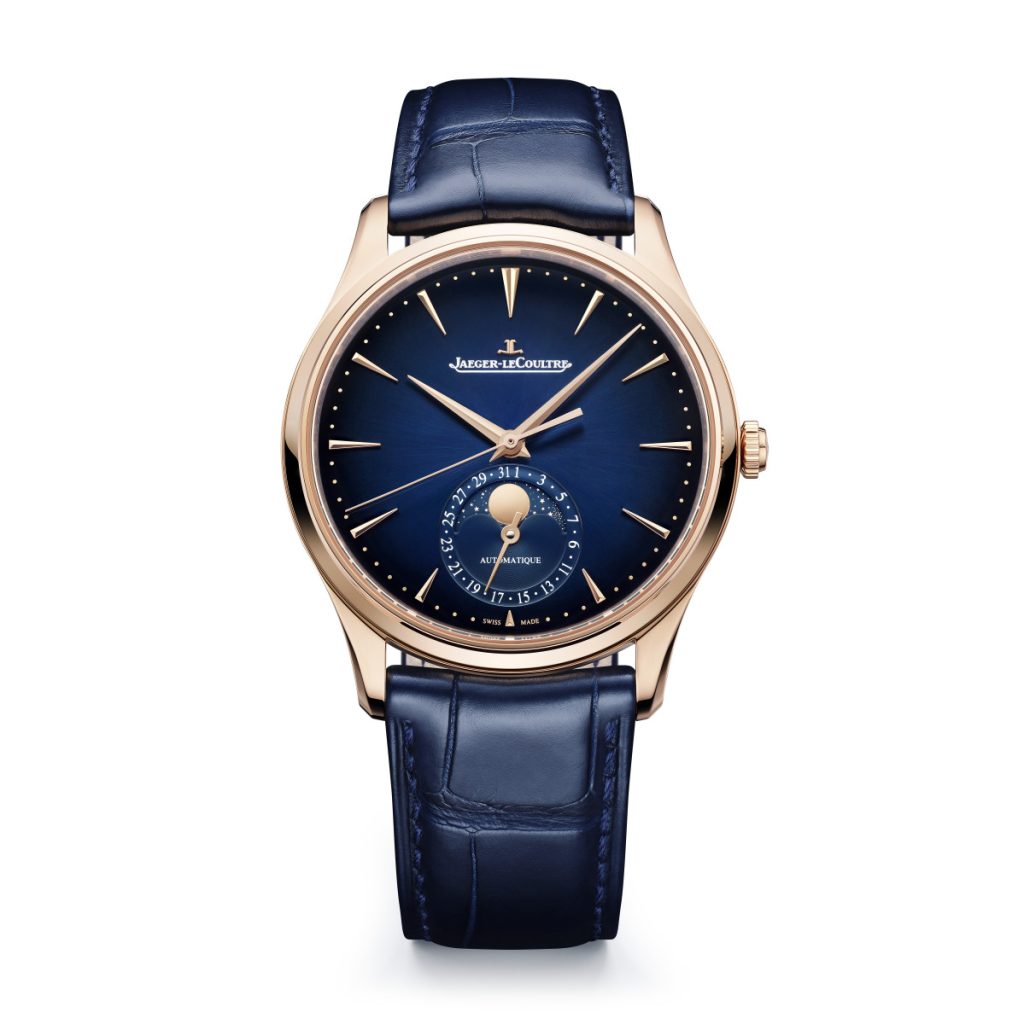
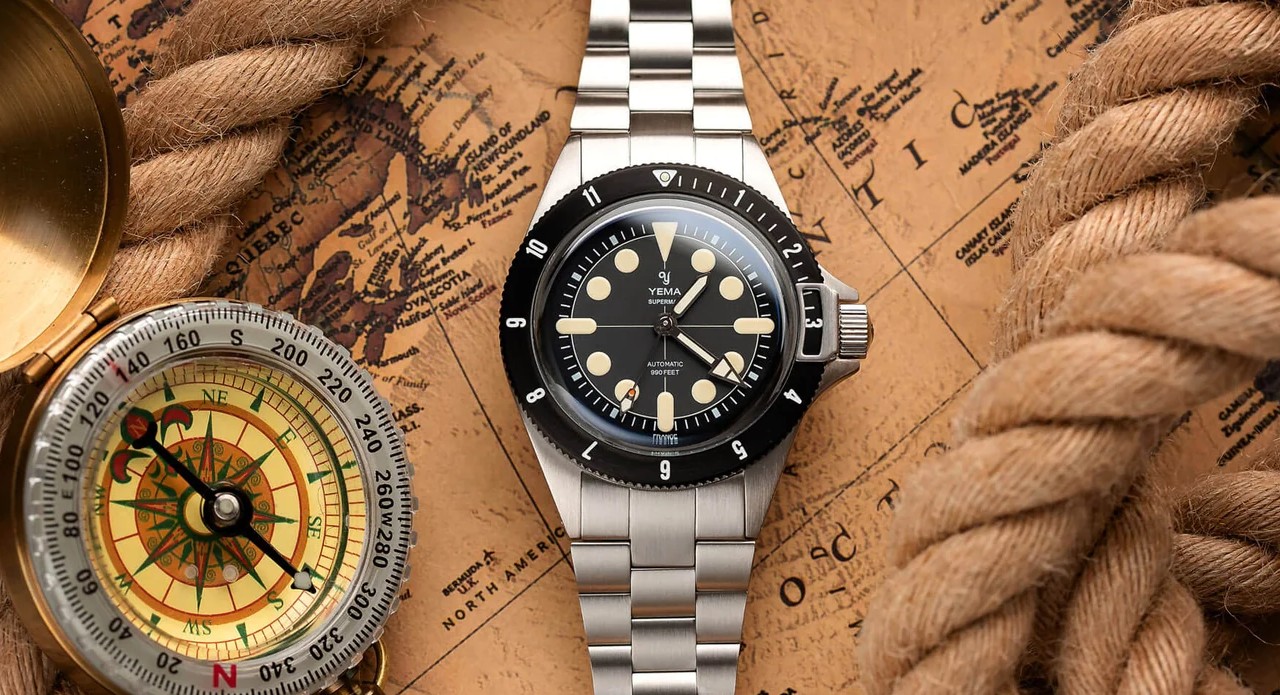
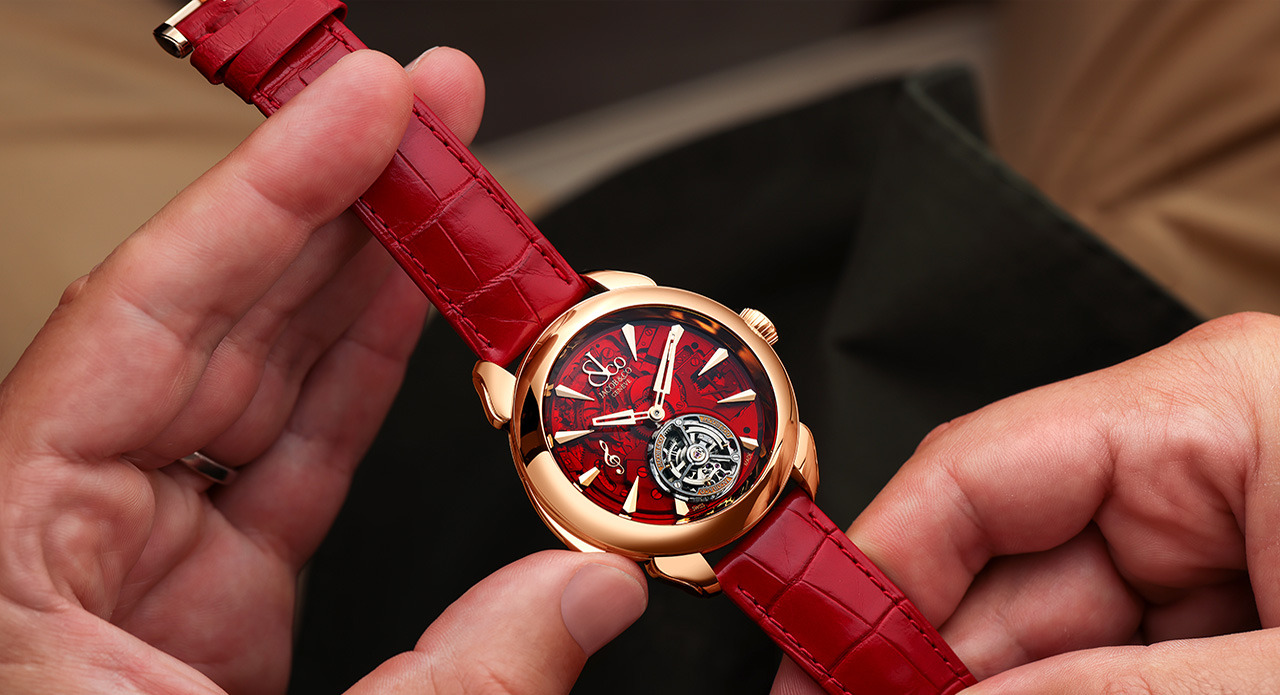
Dagger hour markers are bold, faceted, and unapologetically dramatic. Shaped like elongated triangles or blades, they taper to a sharp point, often catching and reflecting light in striking ways. This design enhances visibility while adding a dynamic, almost aggressive aesthetic to the dial. Frequently used in mid-century and vintage-inspired watches, dagger markers strike a balance between decorative flair and practical legibility. Their angular form allows for generous application of lume, making them particularly effective in low-light conditions. At the same time, their sculptural quality gives the watch a sense of depth and dimension, transforming the dial into a more engaging visual experience. Dagger markers are not subtle—they demand attention, and rightly so. They’re for those who appreciate a bit of edge in their timepieces, a design that doesn’t just sit quietly on the wrist but asserts its presence with confidence.