

Honeycomb dials have a strange advantage. Even before you know what you are looking at they feel right. The repeating hexagonal pattern is something our brains instantly understand because nature has been using it forever. Bees figured it out long before designers did. In watchmaking the honeycomb dial takes that natural logic and turns it into a surface that feels modern technical and surprisingly refined. It is decorative without being busy and structured without feeling rigid.
What Exactly Is A Honeycomb Dial
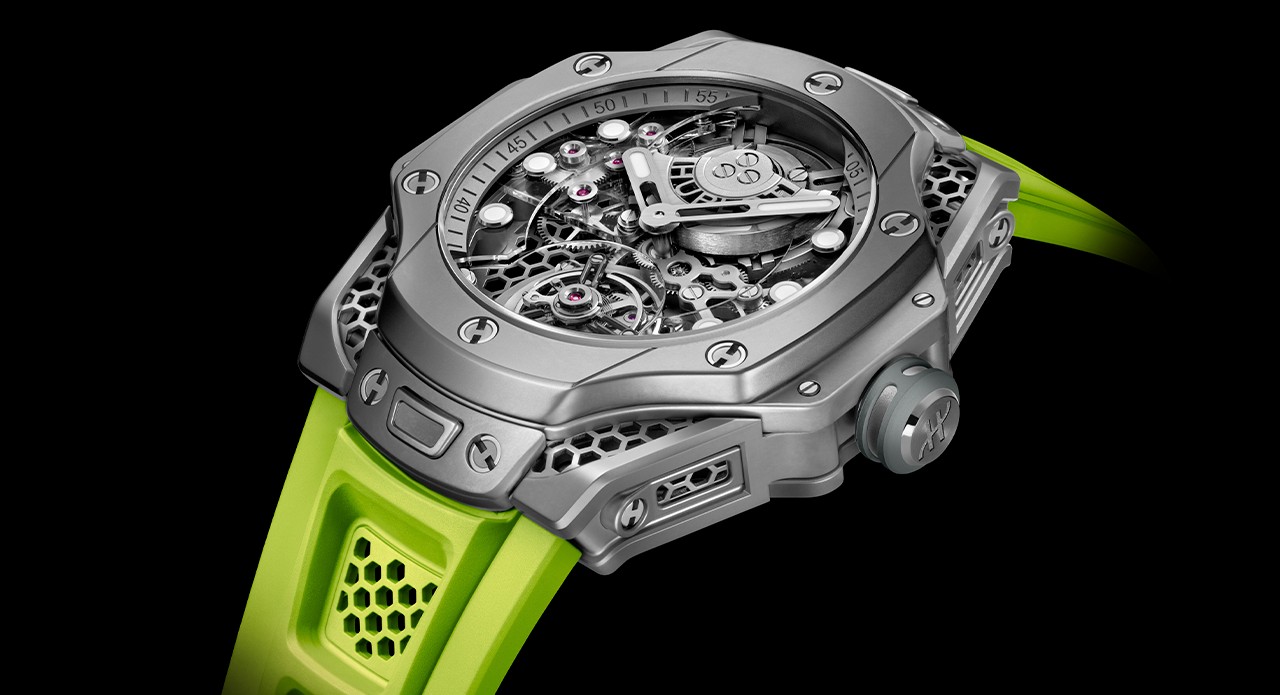
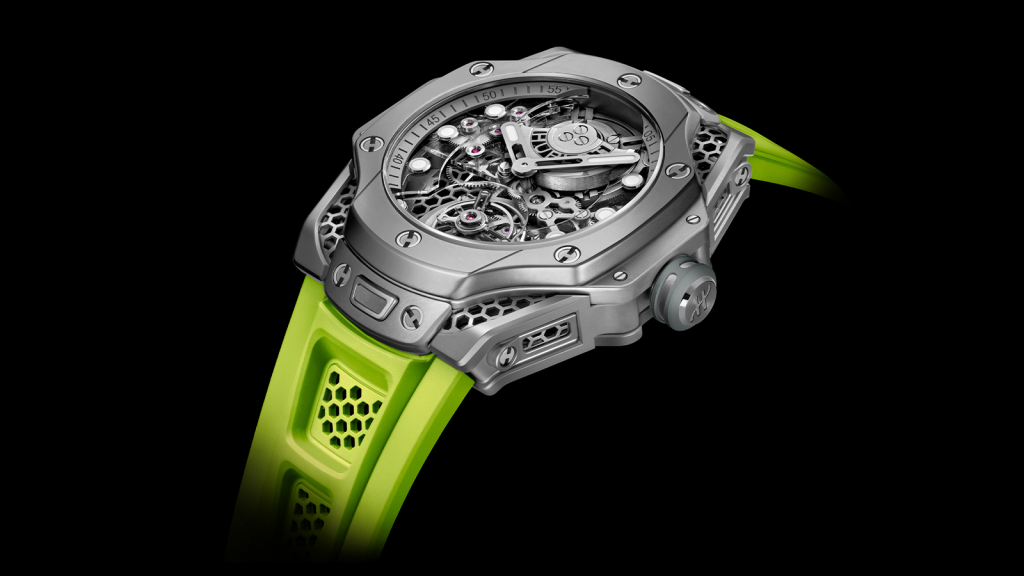
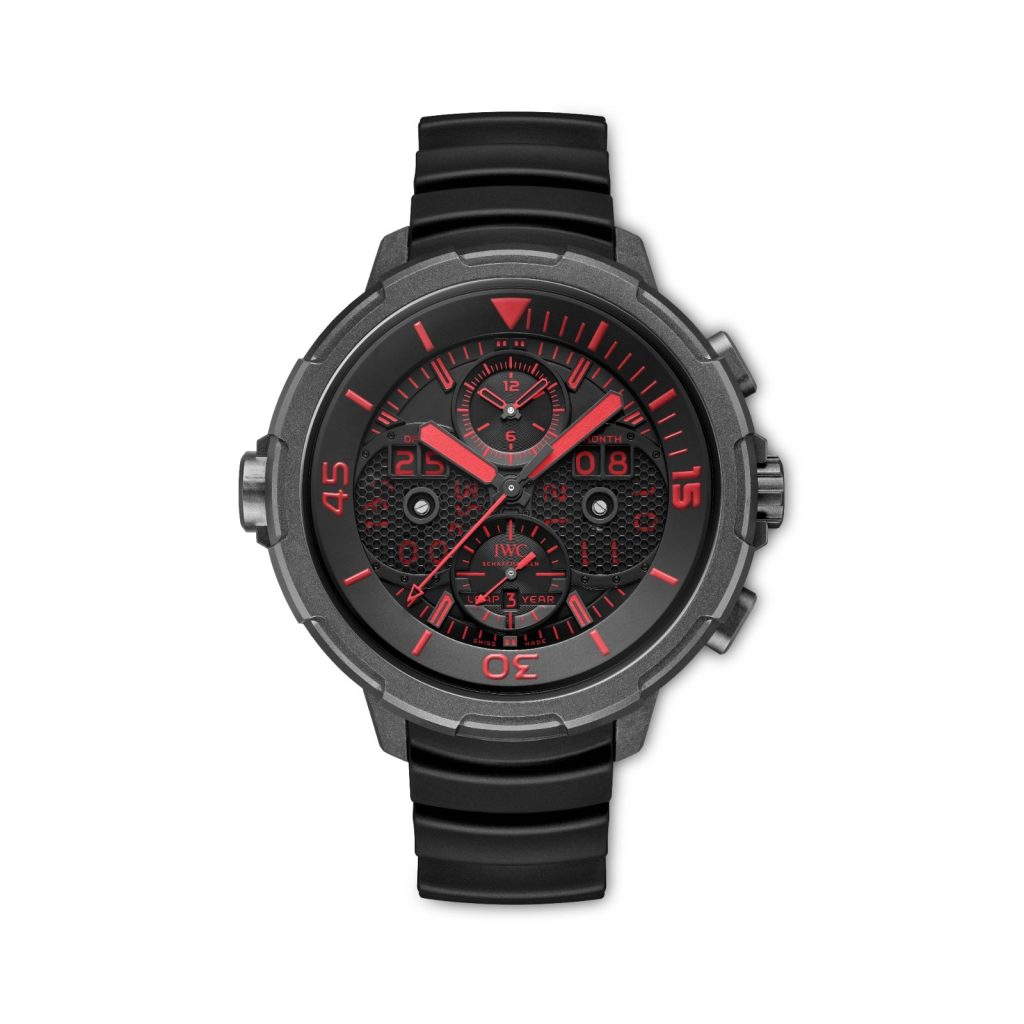
A honeycomb dial features a repeating hexagonal pattern spread evenly across the dial surface. These hexagons can be shallow or deep large or fine sharply defined or softly rounded. The pattern may cover the entire dial or be confined to a central section with a smooth chapter ring around it. Unlike traditional guilloche which relies on flowing curves honeycomb dials feel architectural. The geometry is precise deliberate and clean which is why the pattern is often associated with modern sports and contemporary watches.
Also Read: Matte Dials In Watchmaking: Achieving The Perfect Non-Reflective Finish
Why Watchmakers Use The Honeycomb Pattern
The biggest appeal of honeycomb dials is visual depth. The pattern breaks up the surface allowing light to interact differently with each hexagon. This creates texture without relying on shine or heavy decoration. Even in matte finishes honeycomb dials avoid looking flat.
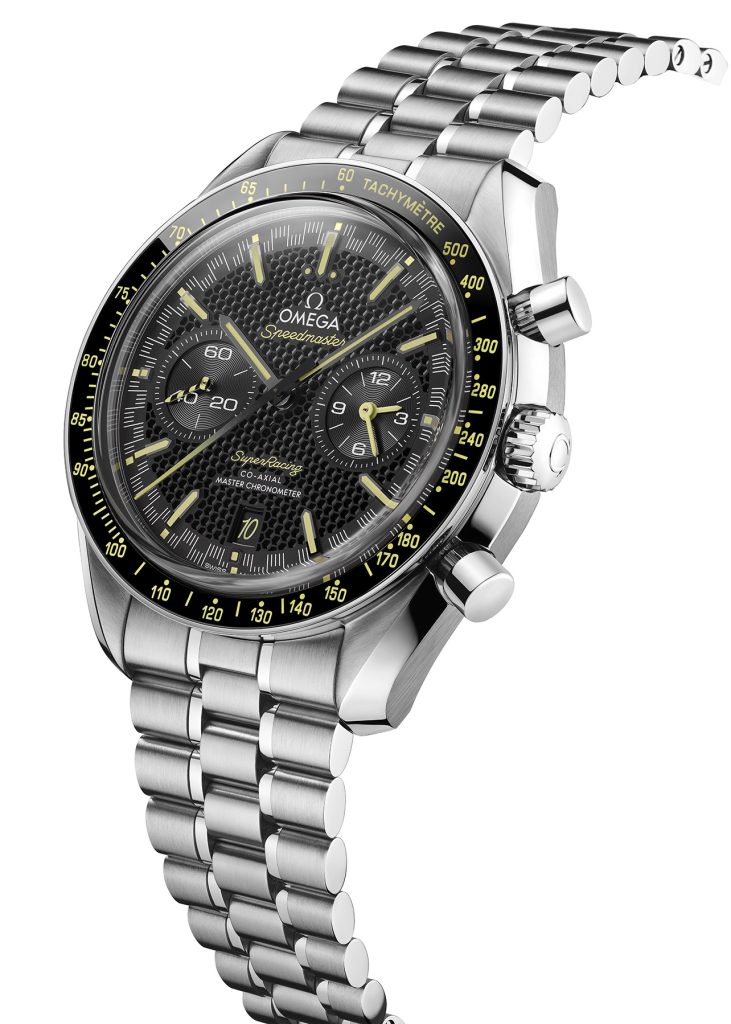
The pattern also improves legibility. The textured background helps hands and markers stand out clearly especially when paired with bold lume or applied indices. This makes honeycomb dials popular in tool and sports watches where clarity matters. There is also a psychological element. The hexagonal pattern suggests strength balance and efficiency. It feels engineered which resonates strongly with modern watch design.
How Honeycomb Dials Are Made
There are several ways to create a honeycomb dial depending on budget and desired finish. One common method is stamping where the pattern is pressed into a metal blank using a precision die. This is efficient and consistent making it suitable for larger production runs.
Higher end honeycomb dials are often machined or engraved. CNC milling allows for sharper edges deeper recesses and more control over proportions. While this is technically driven it still requires careful finishing to ensure the dial does not look harsh or industrial.
Some brands use laser engraving to achieve extremely fine honeycomb patterns especially on thinner dials. This allows for precision but must be followed by surface treatment to soften the look.
After the pattern is formed the dial may be bead blasted lacquered or coated to achieve the desired color and finish. Matte treatments emphasize structure while gloss or satin finishes add contrast and drama.

Matte or Gloss Honeycomb
Honeycomb dials work especially well with matte finishes. A matte honeycomb surface absorbs light while still offering texture which creates a very modern understated look. Black grey and earth tones are particularly effective. Glossy or semi gloss honeycomb dials lean more toward visual drama. Light catches the edges of each hexagon creating sparkle and movement. This approach works best when the pattern is fine and well controlled to avoid overwhelming the design.
Also Read: Why Lacquered Dials Are The Ultimate Luxury Touch In Watchmaking
Where Honeycomb Dials Shine
You will most often see honeycomb dials in sports watches integrated bracelet designs and contemporary everyday watches. They pair naturally with angular cases brushed surfaces and modern materials like steel titanium and ceramic. Independent brands and microbrands have embraced honeycomb dials as a way to add character without resorting to oversized cases or excessive complications. It is a pattern that feels fresh yet timeless enough to avoid trend fatigue.
Honeycomb Versus Other Textures
Compared to sunburst or fumé dials honeycomb patterns offer texture without relying on light tricks. Compared to guilloche they feel more modern and technical. And compared to plain matte dials they add interest without sacrificing legibility. This balance is why honeycomb dials have become increasingly popular among collectors who want something different but not distracting.
Why The Pattern Keeps Coming Back
Honeycomb dials succeed because they sit at the intersection of nature engineering and design. They are visually engaging but logically sound. They add depth without clutter and personality without noise. In a market crowded with bold colors and oversized statements the honeycomb dial proves that repeating one smart shape in the right way can be more interesting than shouting for attention.