

In fine watchmaking, innovation often arrives quietly, hidden beneath sapphire casebacks and immaculate finishing. The peripheral rotor is one such invention. It rethinks the very idea of automatic winding by moving the oscillating weight from the centre of the movement to its outer edge. The result is a system that preserves the elegance of a full view movement while pushing the boundaries of mechanical engineering. Subtle, complex and visually liberating, the peripheral rotor represents modern horology’s obsession with doing more while showing less.

A Brief History Of The Peripheral Rotor
The concept of a peripheral rotor emerged as watchmakers searched for alternatives to traditional central rotors and micro rotors, both of which imposed limitations on movement architecture. Early experimentation began in the mid twentieth century, but the technology remained impractical due to manufacturing challenges and reliability concerns. It was not until the twenty first century that advancements in materials, machining precision and bearing technology allowed the idea to mature. Brands such as Carl F. Bucherer played a key role in bringing peripheral rotor systems into series production, while independent watchmakers further refined the concept for high horology. What was once an ambitious engineering theory became a viable and distinctive solution for modern automatic movements.
Also Read: Micro Rotors Explained: How They Work in Watches
How A Peripheral Rotor Works
At its core, a peripheral rotor performs the same task as any automatic winding system: converting the motion of the wearer’s wrist into stored energy for the mainspring. The difference lies in its placement and mechanics. Instead of sitting above or within the movement, the rotor is mounted along the outer circumference, circling the movement like a ring. As the watch moves, this weighted ring rotates around the edge, engaging with a transmission system that winds the barrel. Ceramic ball bearings or low friction guides are often used to ensure smooth motion, durability and precise alignment. This design allows the rotor to remain efficient while freeing the central space of the movement entirely.
Design Advantages Of The Peripheral Rotor
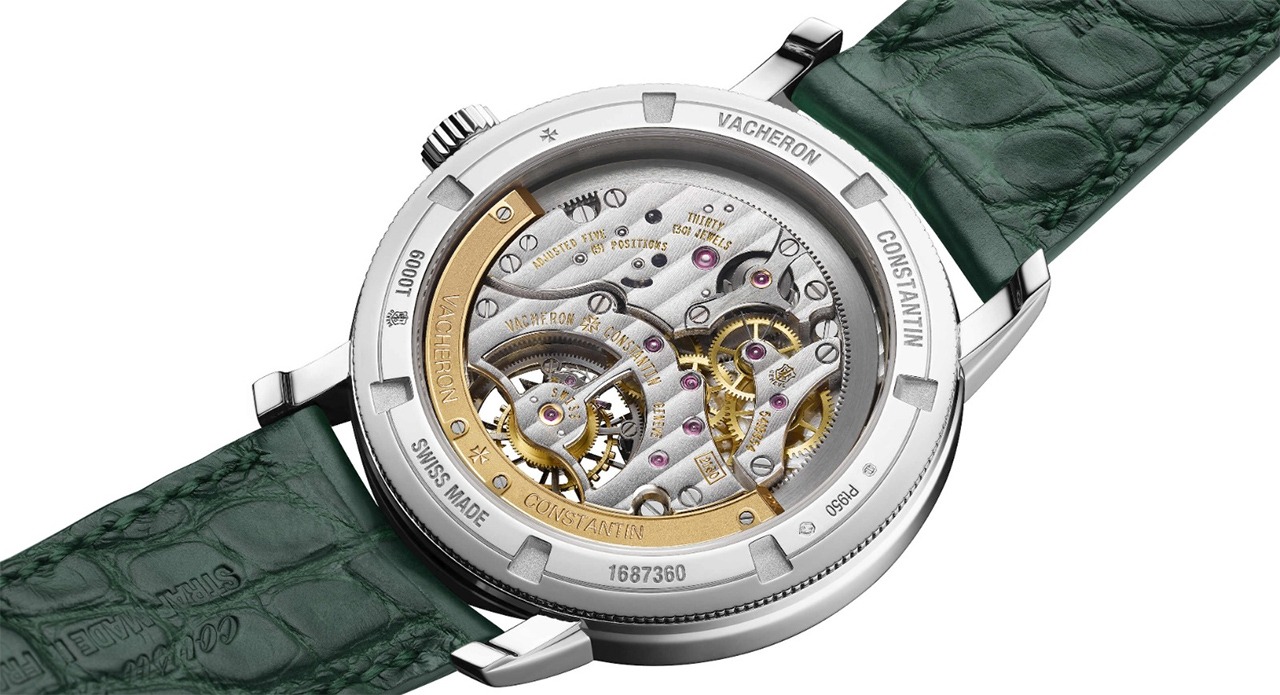
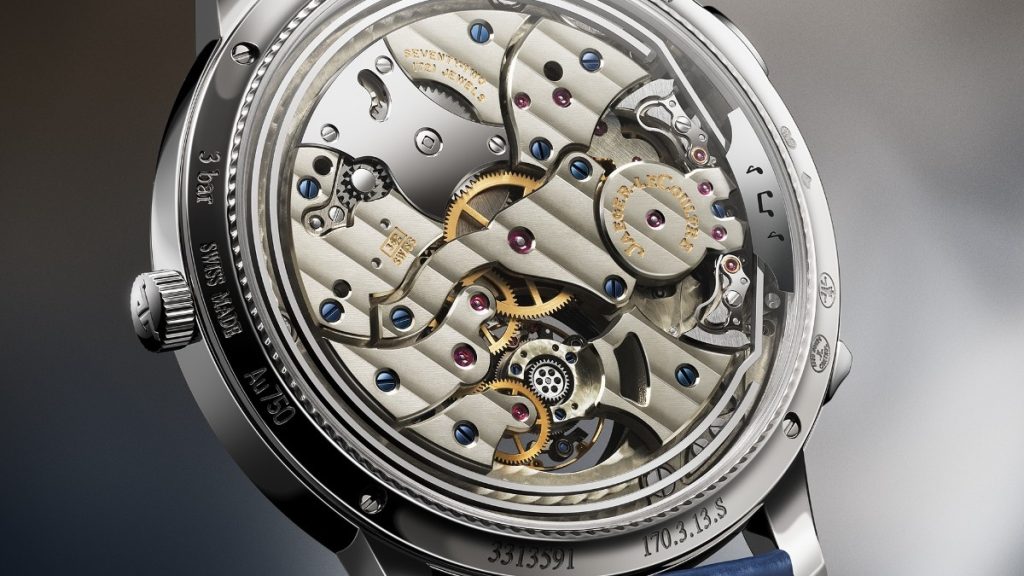
The most immediate benefit of a peripheral rotor is visual. With no central mass obstructing the view, the entire movement is revealed, showcasing bridges, gear trains and finishing in full symmetry. This makes it especially appealing for skeletonised or architecturally complex calibres. From a design perspective, it also enables slimmer cases, as the rotor does not add height above the movement. The even distribution of mass around the movement’s perimeter can improve winding stability and balance, contributing to smoother operation. However, achieving this level of refinement requires exceptional tolerances, making peripheral rotor movements rare and costly to produce.
Technical Challenges And Engineering Complexity
Despite its elegance, the peripheral rotor is one of the most demanding systems to execute in watchmaking. Maintaining consistent clearance around the movement is critical, as even microscopic deviations can affect efficiency or cause friction. The rotor must be heavy enough to wind effectively yet light enough to move freely without compromising shock resistance. This complexity explains why peripheral rotors are typically found in high end or experimental timepieces rather than mass produced watches. When executed correctly, however, the result is a seamless fusion of performance, aesthetics and mechanical ingenuity.
Applications In Modern Watchmaking
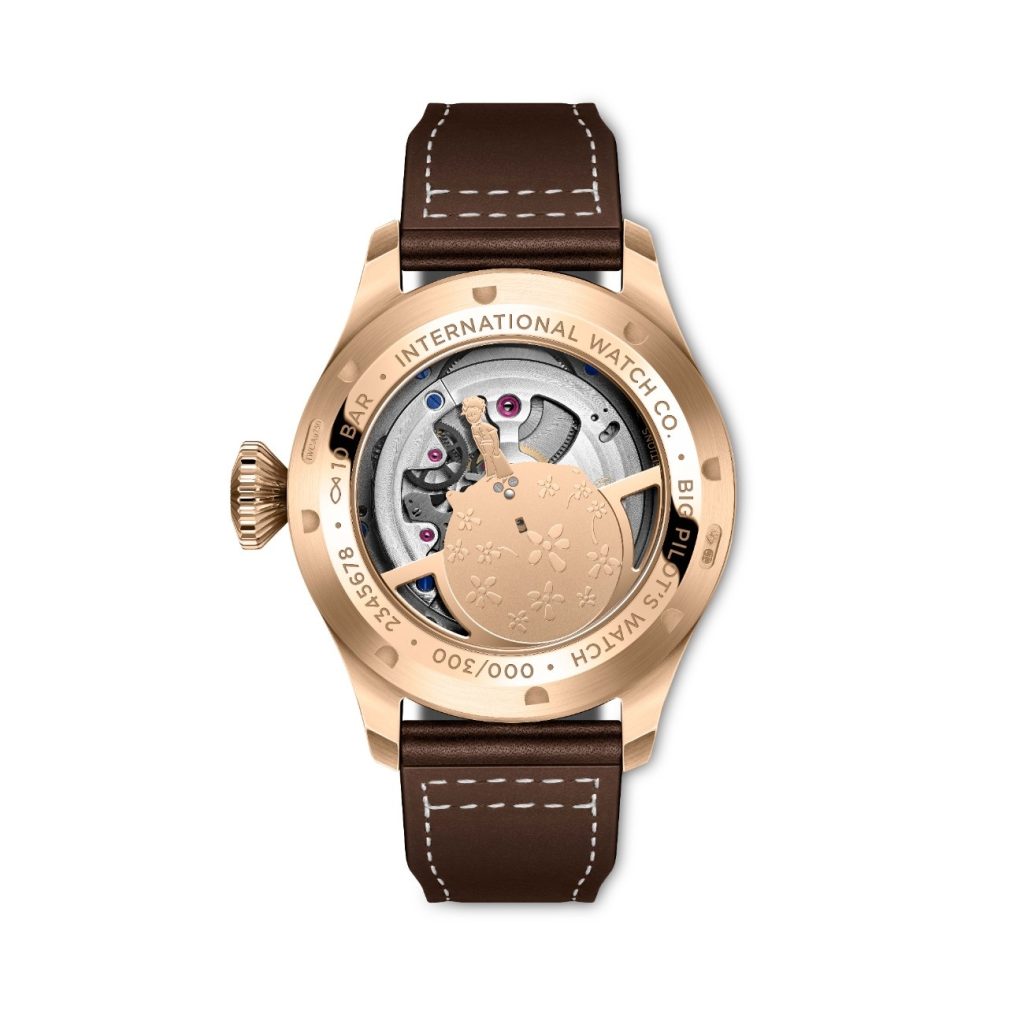
Today, peripheral rotors are primarily used in luxury and haute horlogerie watches where movement visibility and technical distinction are paramount. They are often paired with complications such as tourbillons, perpetual calendars or openworked designs, where an unobstructed view enhances the emotional impact of the watch. Beyond aesthetics, they also serve as a statement of engineering confidence, signalling a brand’s willingness to explore unconventional solutions. While not as widespread as traditional automatic systems, the peripheral rotor has carved out a respected niche as one of the most sophisticated winding mechanisms in contemporary watchmaking.
A Quiet Revolution On The Edge
The peripheral rotor does not shout for attention. It circles silently at the edge of the movement, doing its job with understated precision. Yet its presence speaks volumes about modern horology’s direction, where innovation is measured not by excess, but by refinement. For collectors and enthusiasts, it represents a deeper appreciation of mechanics, where what is moved aside becomes just as important as what is put on display.