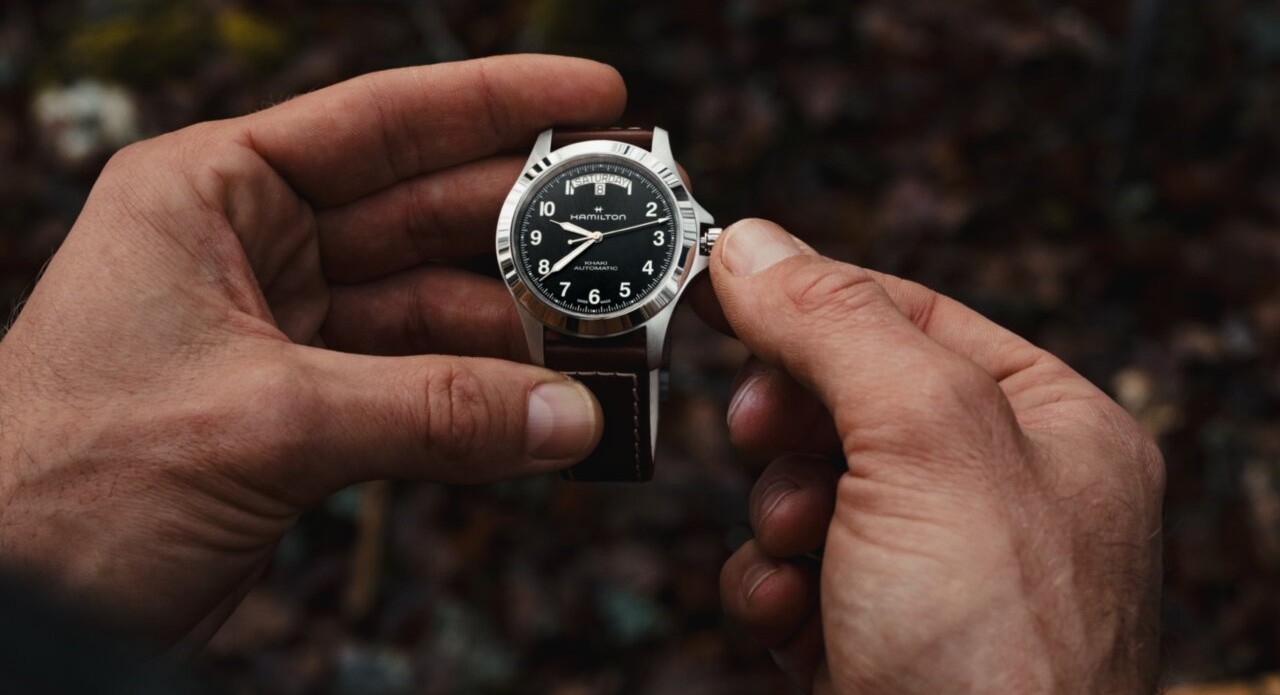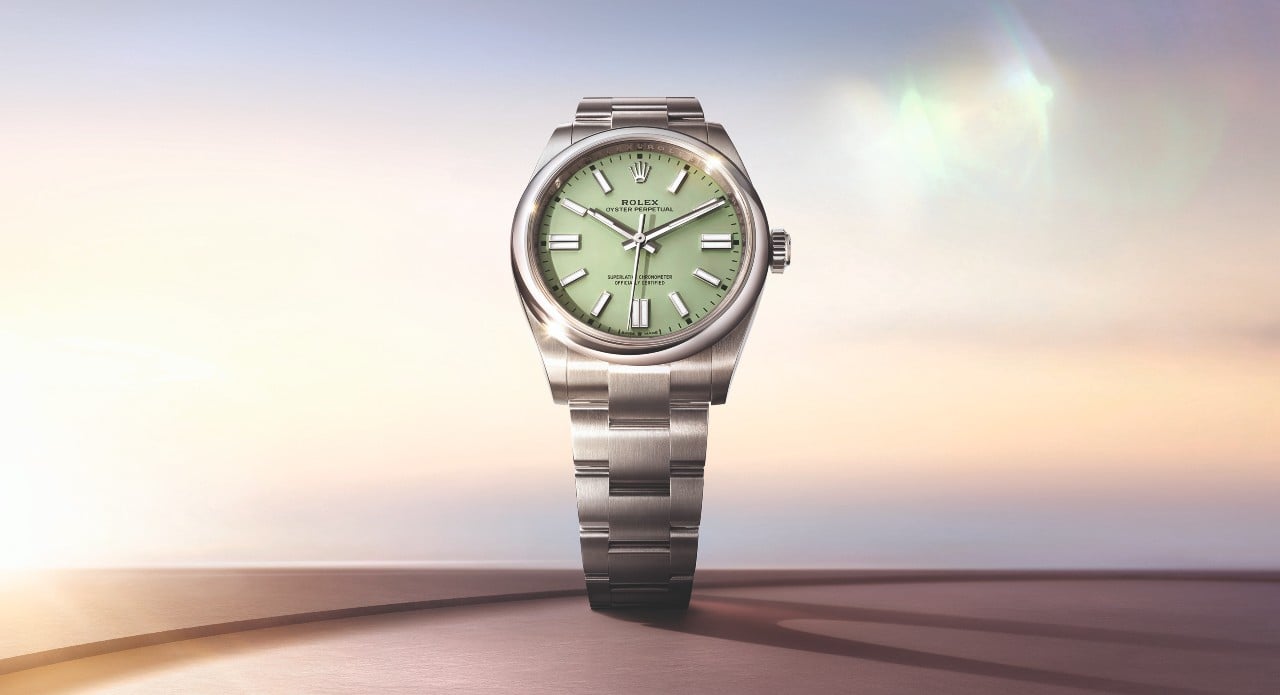


In the orderly cosmos of watchmaking, where symmetry is sacrosanct and tradition rarely yields, the Destro watch occupies a delightfully contrarian niche. The term, derived from the Italian word for right, refers to timepieces with the crown positioned on the left side of the case, originally conceived for right wrist wearers and left handed professionals who required greater comfort and operational ease. Far from being a whimsical design experiment, the Destro configuration emerged from practical necessity, particularly within military and diving communities where conventional crown placement could impede wrist movement or cause discomfort during rigorous activity. Over time, what began as ergonomic pragmatism acquired aesthetic distinction. The reversed architecture lent watches a subtle asymmetry, challenging visual expectations while preserving mechanical integrity. In an industry that reveres heritage yet thrives on reinvention, Destro watches have evolved into coveted expressions of individuality, often released in limited numbers that heighten their allure among collectors. Today, as storied maisons revisit archival tool watch blueprints and reinterpret them with contemporary materials and refined calibres, the Destro format enjoys renewed prominence. It stands at the intersection of history and modernity, utility and style, rebellion and refinement. In this feature, Outllook Luxe takes a look at five exemplary Destro watches that demonstrate how a simple shift of the crown can transform both ergonomics and narrative, proving that true innovation sometimes lies not in reinvention, but in reorientation.
When the crown of a mechanical watch is shifted from its conventional position at 3 o’clock to 9 o’clock, the change is far more than cosmetic; it necessitates a thoughtful reconfiguration of the movement’s keyless works and stem architecture. In a traditional layout, the winding stem enters the movement from the right, engaging directly with the sliding pinion, winding pinion and setting lever in a configuration designed for that orientation. Relocating the crown to the left requires either a mirrored movement specifically engineered for Destro use or, more commonly, a rotation of the calibre within the case by 180 degrees. This inversion alters the relative position of subdials and date mechanisms unless the movement is purpose-built to compensate. The stem must be precisely recalibrated to maintain smooth winding, accurate hand setting and secure engagement with the crown tube. Additionally, water resistance considerations demand careful sealing adjustments at the new entry point. Thus, the seemingly simple act of shifting the crown involves deliberate mechanical adaptation to preserve reliability, ergonomics and performance.
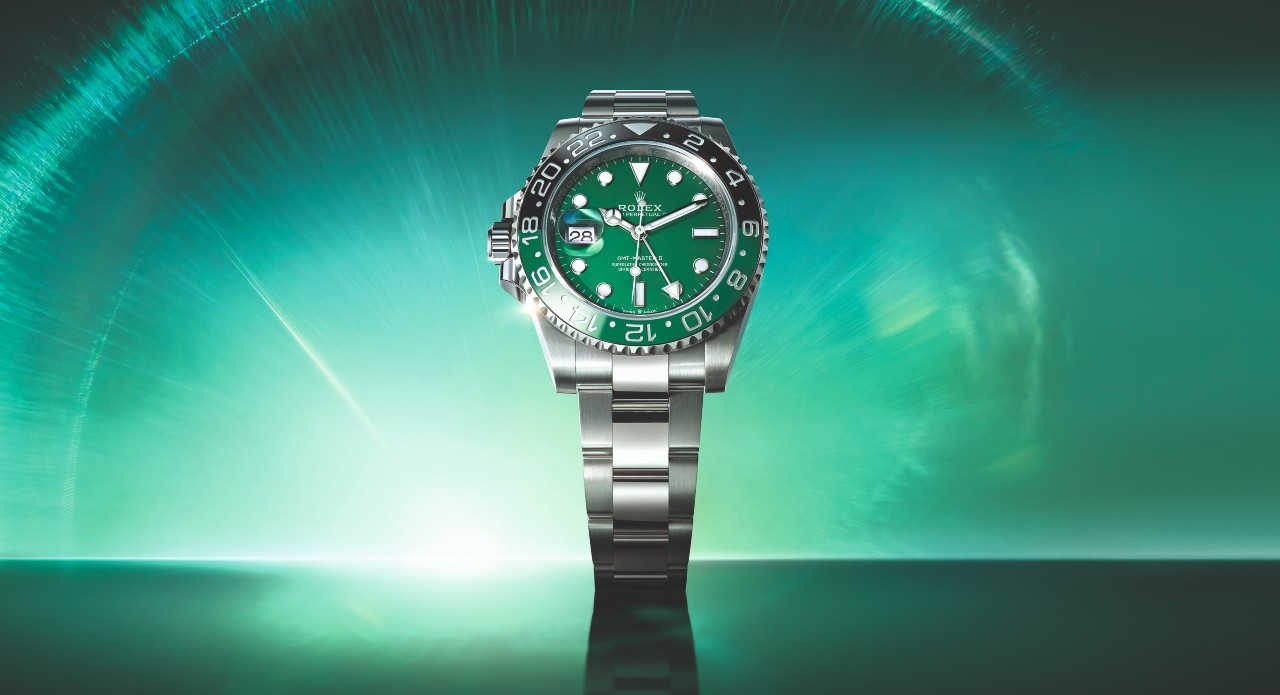
Rolex GMT Master II

This travel watch confidently breaks convention, placing its crown and crown guards at 9 o’clock for a distinctive left sided configuration that immediately sets it apart. Housed in a 40mm Oystersteel case with a refined mix of brushed and polished finishes, it retains the robust yet elegant character synonymous with Rolex sports models. The bidirectional rotating bezel features a striking black and green Cerachrom insert, adding a bold visual signature, while the sapphire crystal is topped with the brand’s Cyclops lens magnifying the date, which is also repositioned to 9 o’clock to mirror the crown layout. Beneath the black dial beats the in house calibre 3285, delivering a reliable 70-hour power reserve and wound by a bidirectional self winding perpetual rotor for efficient performance. Completing the watch is an Oystersteel Jubilee bracelet with five piece links and a secure Oysterlock folding clasp, ensuring comfort and durability whether crossing time zones or navigating daily life.
TAG Heuer Monaco Chronograph x Gulf
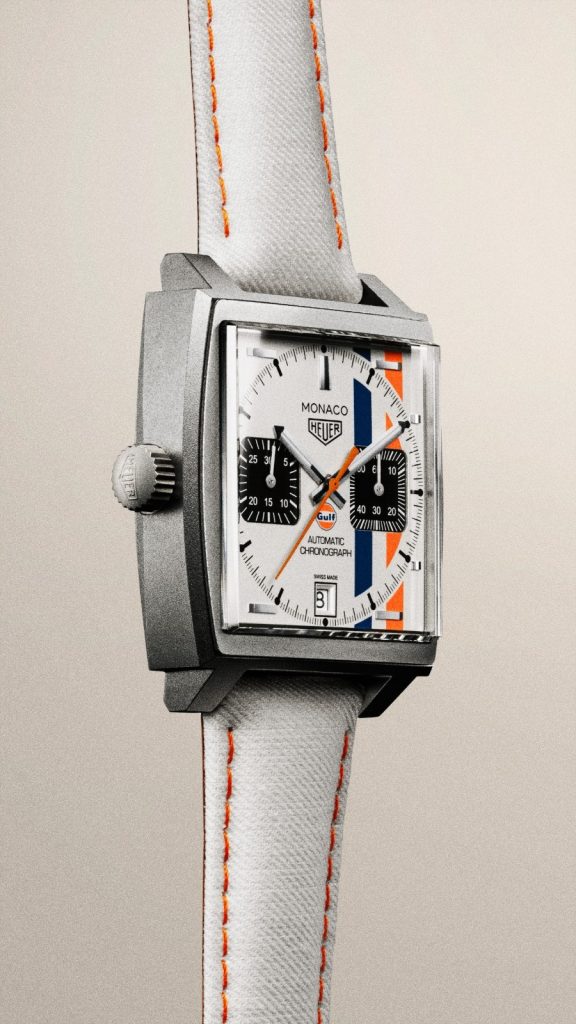
The TAG Heuer Monaco Calibre 11 makes an immediate impression with its 39mm sandblasted grade 2 titanium case, finely brushed to accentuate its contemporary, lightweight character while preserving the unmistakable square silhouette that defines the Monaco lineage. A beveled, domed sapphire crystal rises elegantly above the dial, while the sandblasted titanium crown is positioned at 9 o’clock in true Calibre 11 tradition, flanked by shaped push buttons at 2 o’clock, and 4 o’clock that echo the model’s racing pedigree. The sapphire caseback offers a view of the automatic chronograph movement within. On the dial, a silver fine grained backdrop is animated by bold blue and orange racing stripes, framing two black opaline counters: a permanent seconds display at 3 o’clock and a minute chronograph counter at 9 o’clock, each marked by rhodium plated hands. Rhodium plated polished applied indexes and facetted hour and minute hands filled with blue Super LumiNova ensure legibility, while the orange lacquered central chronograph hand injects vibrant contrast. The angled date window at 6 o’clock sits beneath the black HEUER logo and printed inscriptions, completing a design that blends vintage motorsport spirit with modern technical finesse. The watch is paired with a white textile strap with orange stitching and an additional blue perforated grained calfskin strap, both secured by a sandblasted titanium folding clasp with double safety push buttons and the HEUER logo.
IWC Big Pilot’s Watch Edition Right-hander
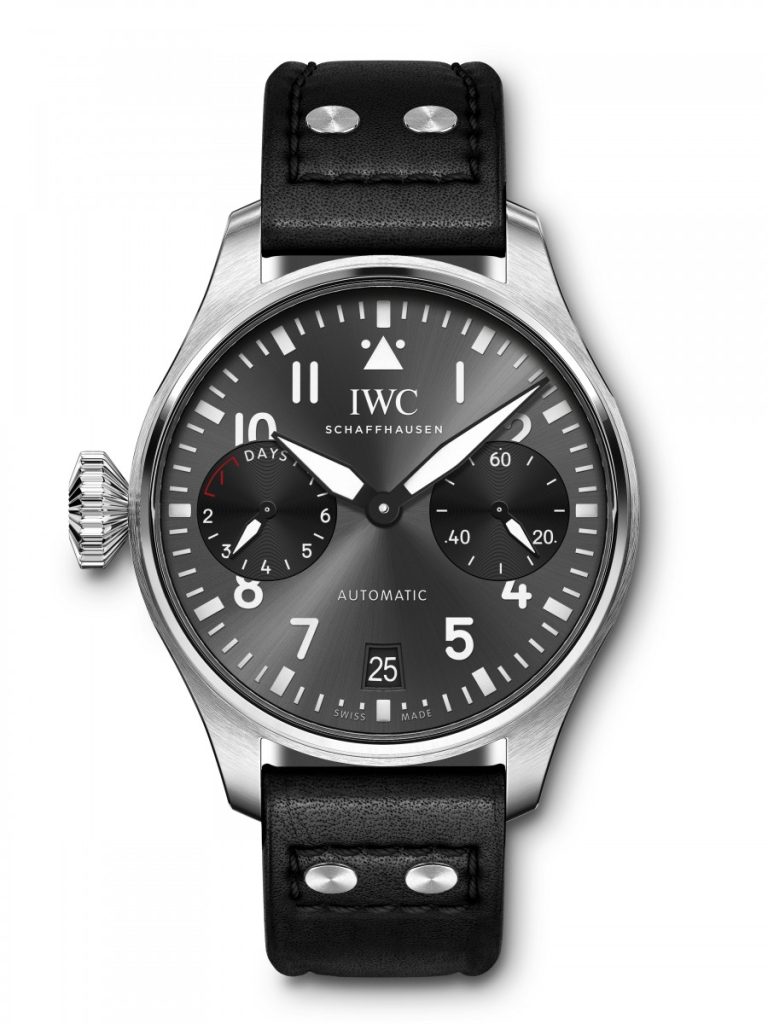
The novelty retains the commanding 46.2mm presence of the traditional Big Pilot while introducing a compelling twist in configuration. Crafted in stainless steel with robust lugs and a prominent crown positioned at 9 o’clock, the case preserves the utilitarian spirit that has long defined the collection. The most striking evolution reveals itself on the dial, now rendered in a sunray brushed slate grey finish contrasted by black subcounters, lending the watch a more contemporary and technical aesthetic. Black hour and minute hands filled with white luminous material ensure legibility, while the classic central seconds hand gives way to a small seconds counter, enhancing the balanced yet unconventional layout. Owing to the movement being rotated 180 degrees to accommodate the left sided crown, the power reserve indicator now sits at 9 o’clock, reinforcing the distinctive architecture of this edition. At its heart beats the in house calibre 52010, delivering an impressive seven-day power reserve and underscoring IWC’s engineering prowess. Completing the piece is a black leather strap that grounds the bold case in timeless refinement.
Gerald Charles Maestro GC Sport Tennis
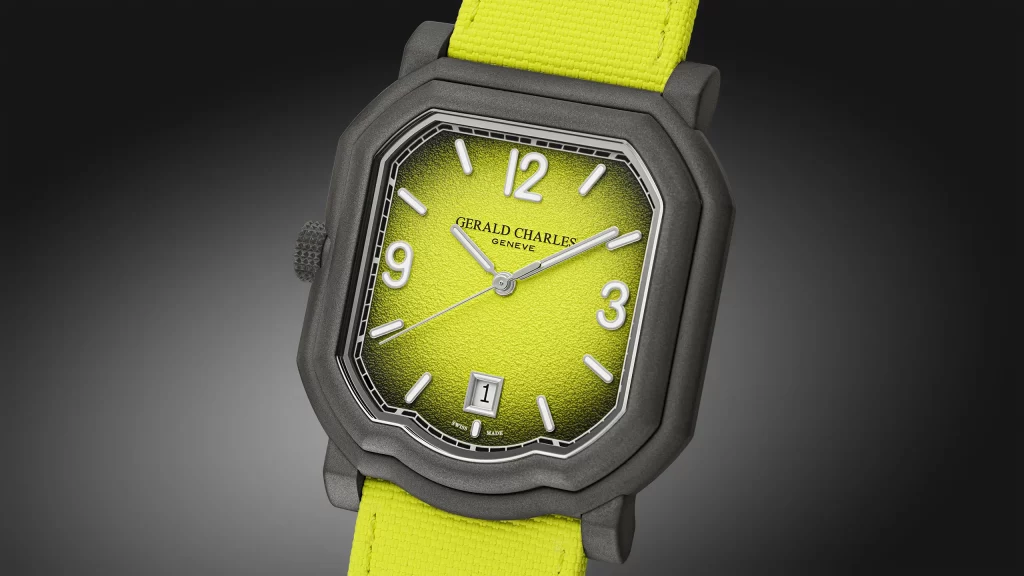
The Maestro GC Sport Tennis blends sportiness with elegance through its distinctive case shape ergonomic design and refined finishing. It feels designed for someone who understands that performance and style are not mutually exclusive. Court ready yet effortlessly sophisticated this is tennis interpreted through modern luxury. Limited to just 200 pieces the Gerald Charles Maestro GC Sport Tennis is engineered with the mindset of a professional athlete. Its Darkblast titanium case frames a grainy textured yellow dial punctuated by applied Arabic numerals at 3, 9, and 12 drawing directly from modern tennis aesthetics. Weighing an astonishing 64 grams the watch features an ultralight in house Geneva made Velcro strap and a crown at 9 o’clock to eliminate wrist interference during play. Tested by professional players and built to withstand 5G shocks the ErgonTeq case design ensures exceptional comfort stability and balance powered by the Swiss Manufacture 2.0 calibre with a 50-hour power reserve.
MING 57.04 Iris
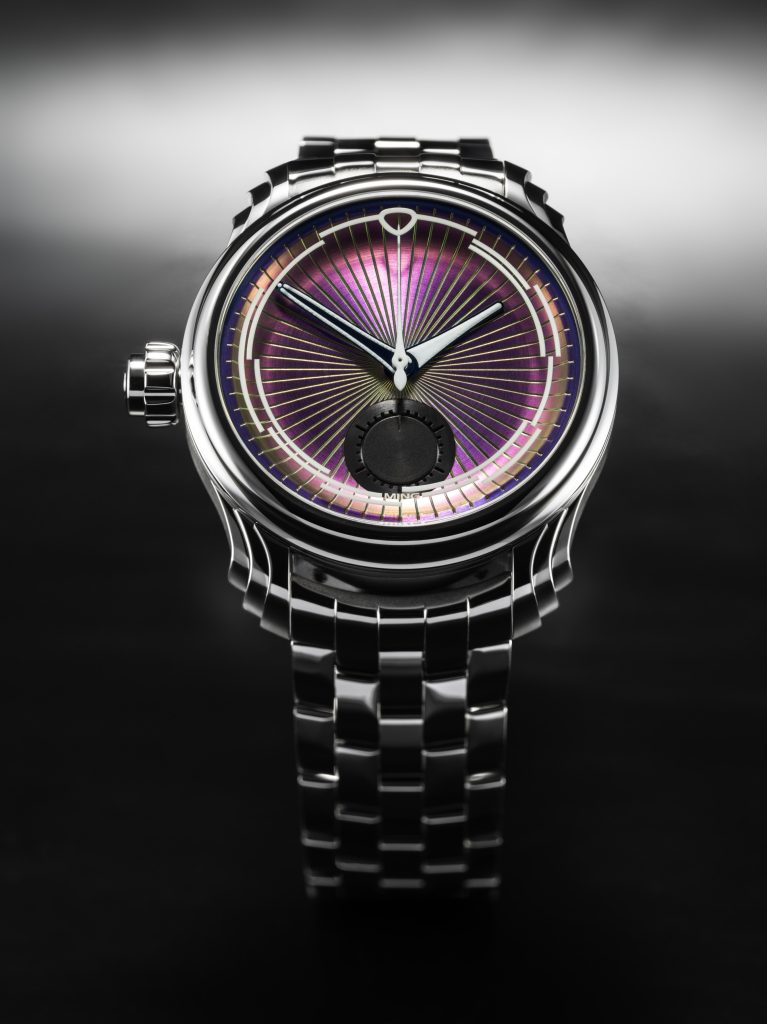
The MING Monopusher Chronograph Destro marks the brand’s first ever Destro configuration, presenting a compelling reinterpretation of its minimalist design language within a left sided architecture. The 40mm case is crafted from stainless steel and finished in a nuanced interplay of polished and brushed surfaces. Sapphire crystals front and rear feature double sided anti reflective coating, while the top crystal incorporates laser cut indices filled with MING Polar White, enhancing depth and legibility against the metallic deep dish dial. The dial itself is treated with a multiphasic colour shift coating, creating dynamic tonal shifts under changing light, and is paired with diamond cut, blue coated hands filled with Super LumiNova X1. The monopusher chronograph displays hours and minutes alongside central seconds and a 30 minute counter positioned at 6 o’clock, its disc executed in sandwich construction with luminous infill. Developed together with Sellita, the hand wound Sellita for MING Calibre SW562.M1 features an anthracite mainplate contrasted by a 4N three quarter plate and delivers approximately 60 hours of power reserve at full wind. Water resistant to 100 metres, the watch is offered on a stainless steel Universal Bracelet as well as an anthracite goat strap with a stainless tuck buckle, underscoring its blend of technical innovation and refined versatility.