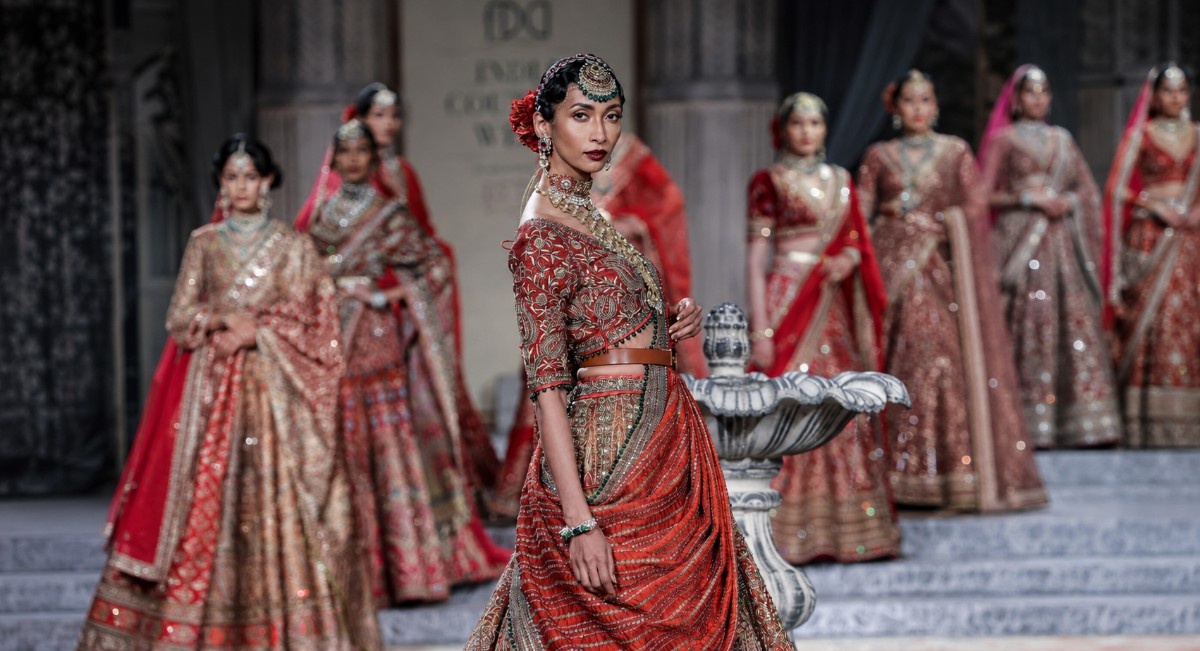


Gone are the days when people indulged in luxury buying without pause. The present is all about rarity, longevity and provenance. Today, vintage couture is steadily moving from niche collector circles into the mainstream luxury conversation in India. Indian buyers, especially in metropolitan markets, are increasingly drawn to pieces that carry a sense of history rather than just seasonal relevance. What was once archival is now aspirational.
Even global luxury studies, including Bain & Company’s June 2025 Luxury Report and insights from Vogue Business, point to a slowdown in impulse luxury buying and a clear shift toward value-driven consumption.
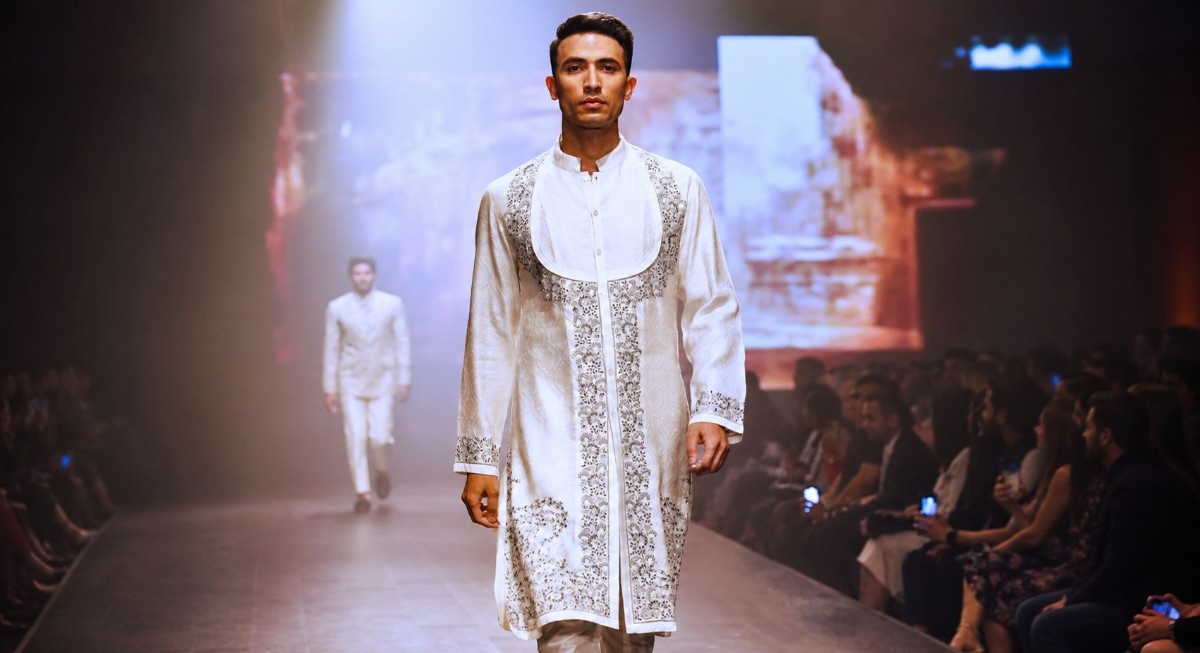
Scarcity, Archives, Value
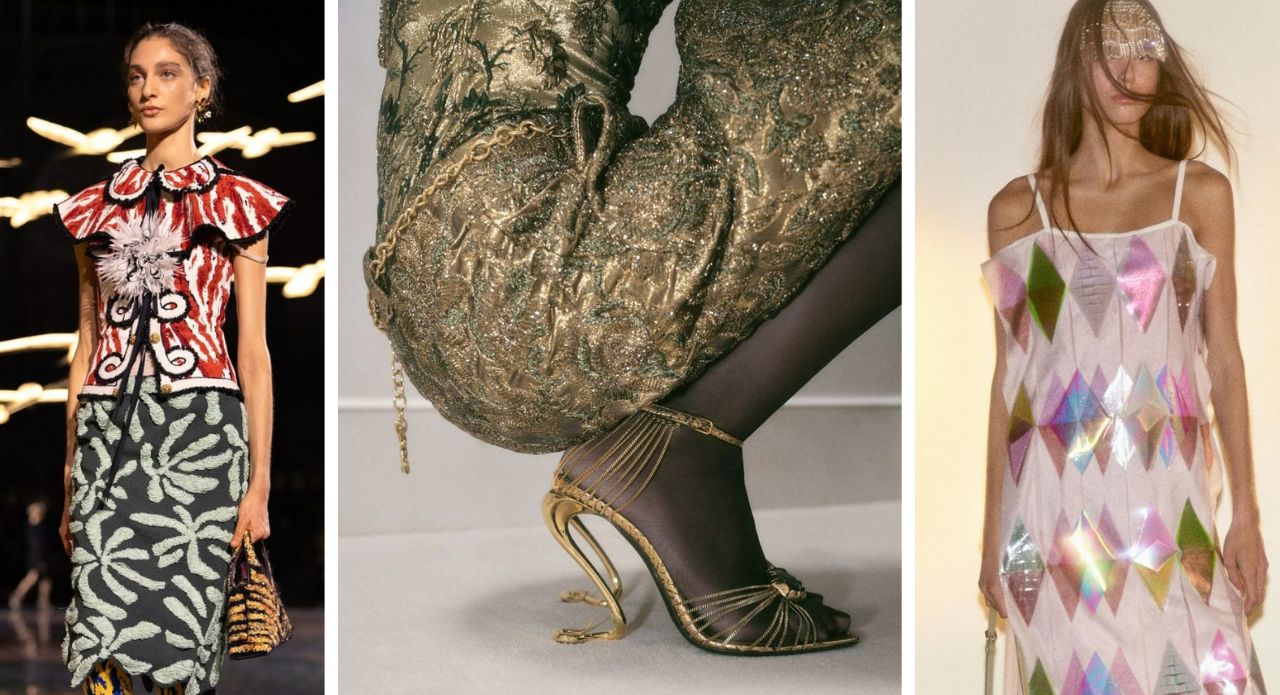
At the heart of this shift is scarcity. In contrast to mass-produced luxury drops, archival couture exists in extremely limited quantities, often as singular pieces tied to specific runway moments, designer eras, craftsmanship or cultural legacy. This is what makes it so desirable today. A Chanel jacket from the 1990s or a Dior couture gown is no longer just fashion, it is treated as a collectible object with cultural weight.
Also Read: Festive Fashion: Navratri And Durga Puja Outfit Ideas From Luxe Labels
Resellers are also well-positioned to benefit as well-preserved vintage pieces from heritage luxury houses tend to hold and sometimes even increase their value when provenance is established. This has changed the behaviour of luxury buyers, including a growing base in India, who are now engaging with international vintage curators and private dealers across London, Paris and New York. Instead of shopping for what is trending, they are sourcing what is rare, authenticated and historically significant.
The shift from passive consumption to conscious curation is heavily altering the Indian luxury landscape. As explored in McKinsey’s State of Fashion report, resale and archival fashion are no longer peripheral markets, but they are structurally embedded into the luxury ecosystem. In India, this is quietly shaping a new kind of fashion consumer: one who collects rather than simply consumes.
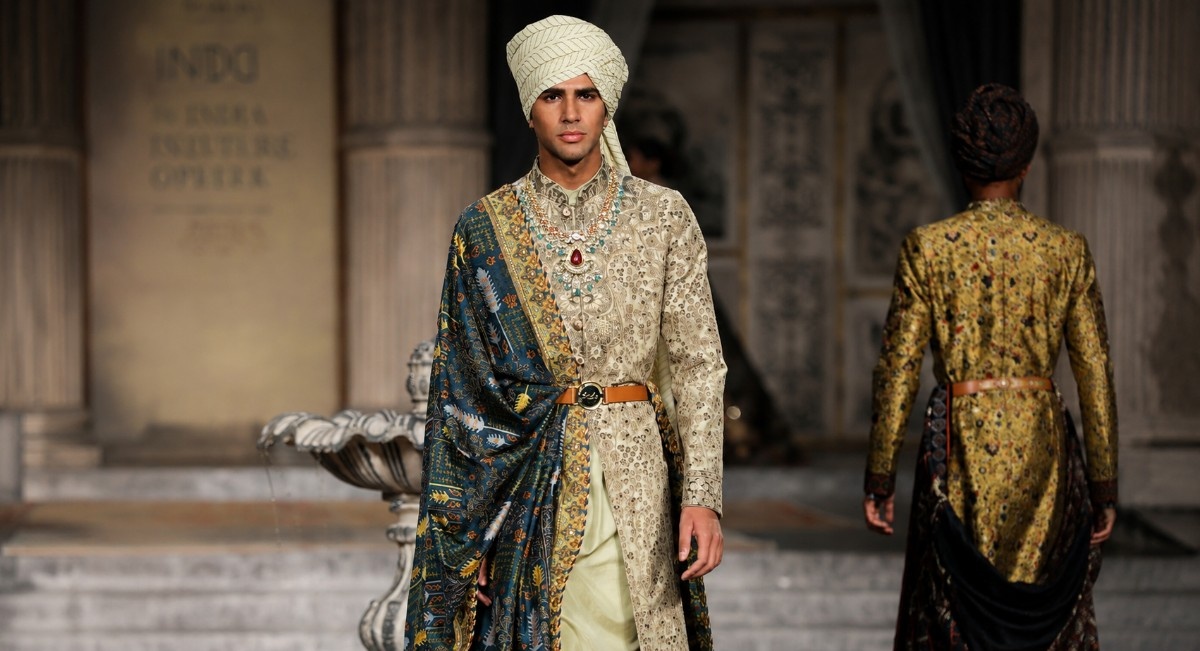
Sustainable Luxury Shift
Alongside scarcity and investment logic, sustainability is giving vintage couture another layer of relevance.
Extending the lifecycle of garments has become one of the most effective ways to reduce fashion’s environmental impact. In India, this idea doesn’t feel entirely unfamiliar. The habit of reusing, preserving and passing down clothing already exists in heirloom sarees, bridal trousseaus, and carefully stored textiles that are passed down quietly across generations.
Read More: The Price Tag And The Paycheck: Inside Fashion Industry’s Pay Disparity
What is different today is how this instinct is being reframed within luxury. Archival fashion borrows from that cultural memory but repositions it in a global, high-value context. A vintage couture piece is no longer simply ‘used clothing’. It is sourced with intent, authenticated with care and preserved as something rare enough to be collected rather than casually worn.
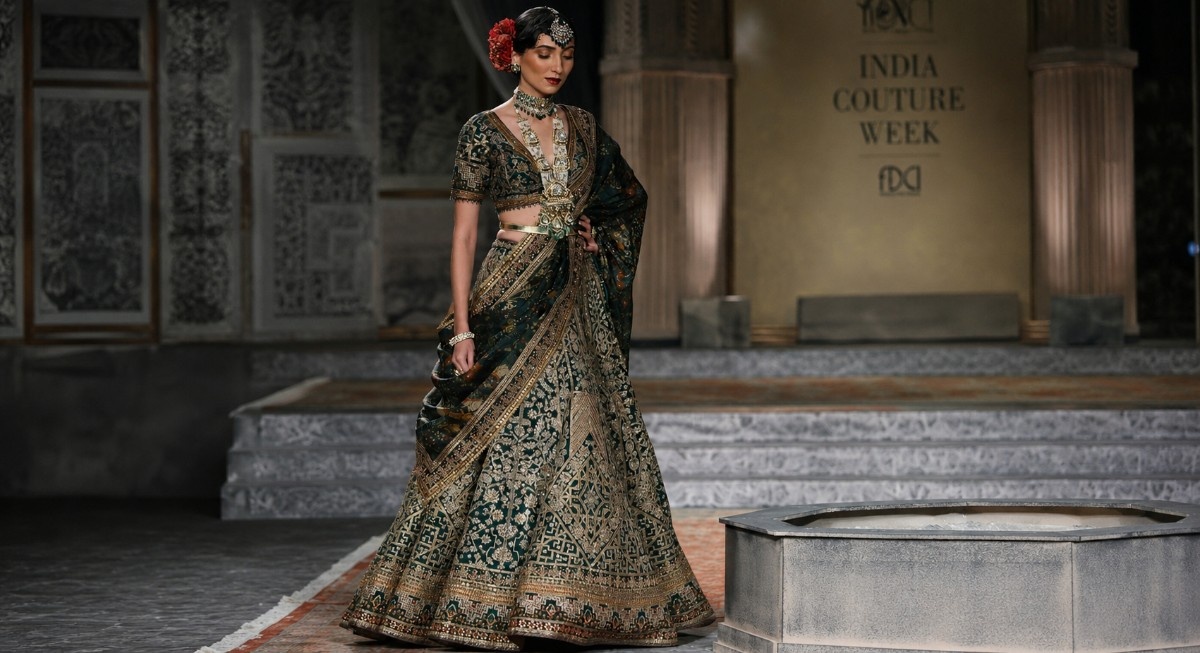
Wearing vintage couture today, then, is rarely just about dressing up. It sits at an intersection of taste, awareness, and access. There is the immediate allure of wearing something no one else can replicate, but also a quieter signal, of knowing fashion beyond the season cycle, beyond the drop culture, beyond the constant demand for newness.
Even the language around luxury is subtly shifting. Terms like archive, provenance and collector’s piece are no longer confined to insiders; they are now slipping into everyday conversations among buyers, stylists, and collectors.