

In Noida, the distance between two worlds can be measured in minutes.
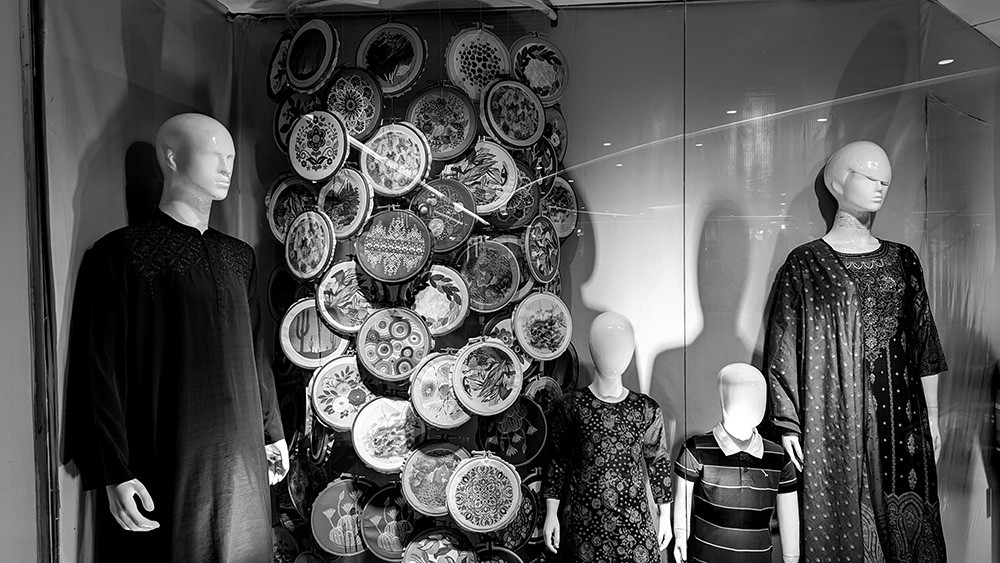
A worker steps out of a factory after a 12-hour shift, his shirt damp with heat, dirt and dust. A few blocks away, mannequins stand under warm lights, draped in garments that cost more than he might earn in a year. Both spaces exist within the same city and the same economy. Yet, they just do not belong to the same people.
Noida Workers’ Protest: The Price Of Being Underpaid
Workers protesting across Noida’s industrial sectors are asking for higher wages, but come to think of it, what they are really confronting is harder to name. Many earn between Rs 8,000 and Rs 13,000 a month, often after shifts that stretch well beyond eight hours. According to news reports, workers often put in anywhere between 10–16 hour days, and much of their income is spent on essentials like rent, food, transport, and school fees for their children. By the time essentials are covered, there is nothing left – not for savings, and certainly not for indulgence.
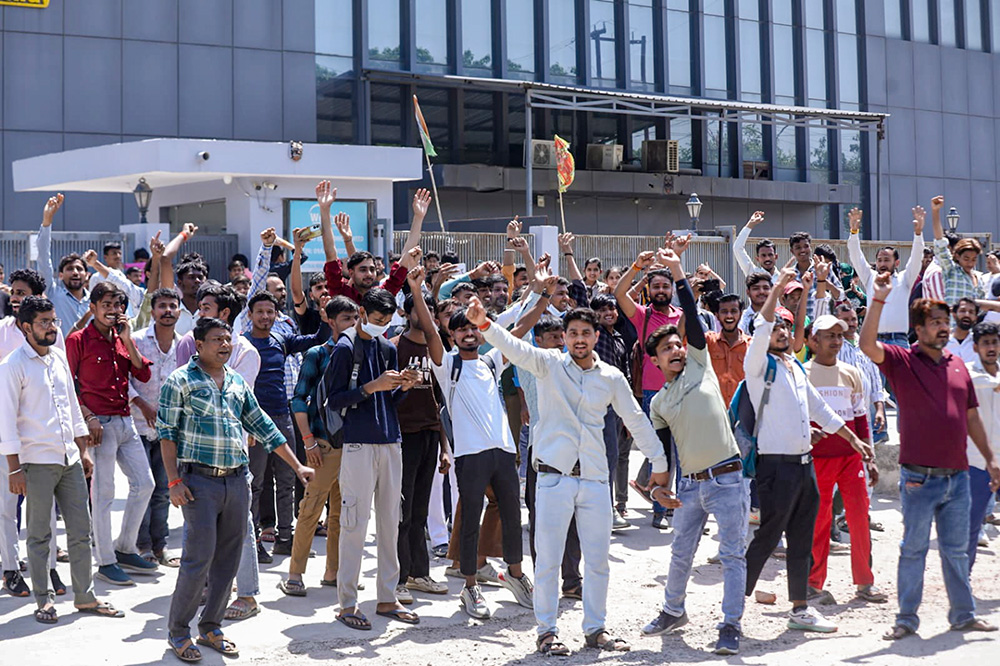
Their demand is not just about more money. They’re questioning a system that has normalised imbalance.
What Is Couture Worth?
At first glance, this struggle may seem distant from the world of fashion. But look closer, and the connection is there for all to see.
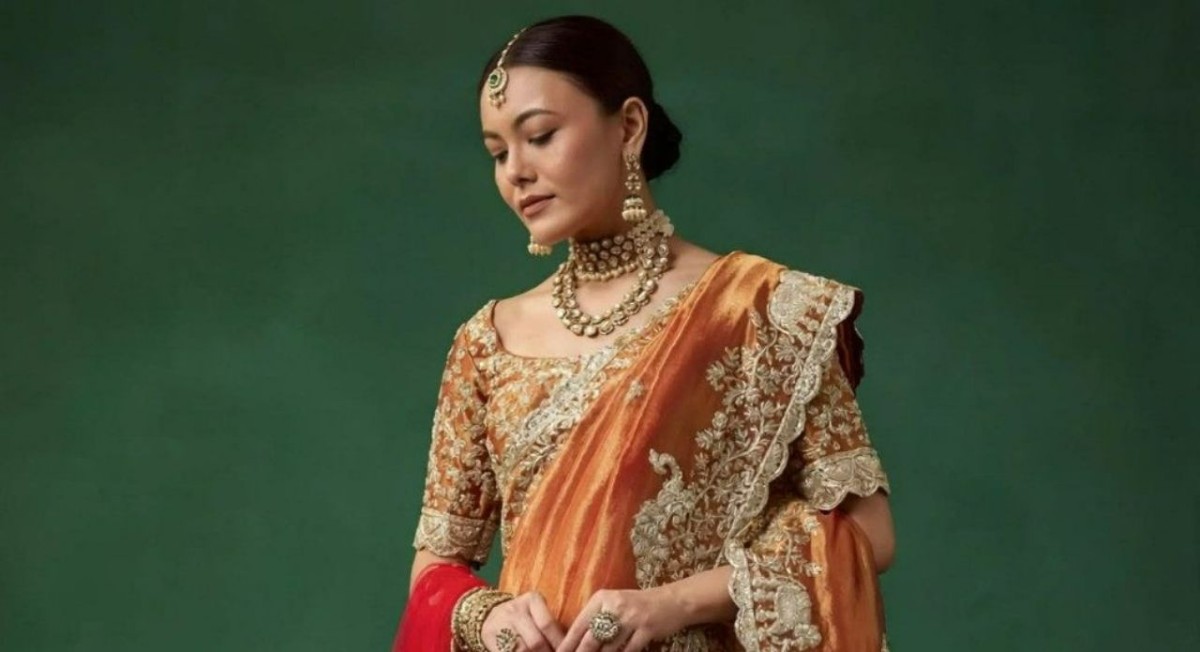
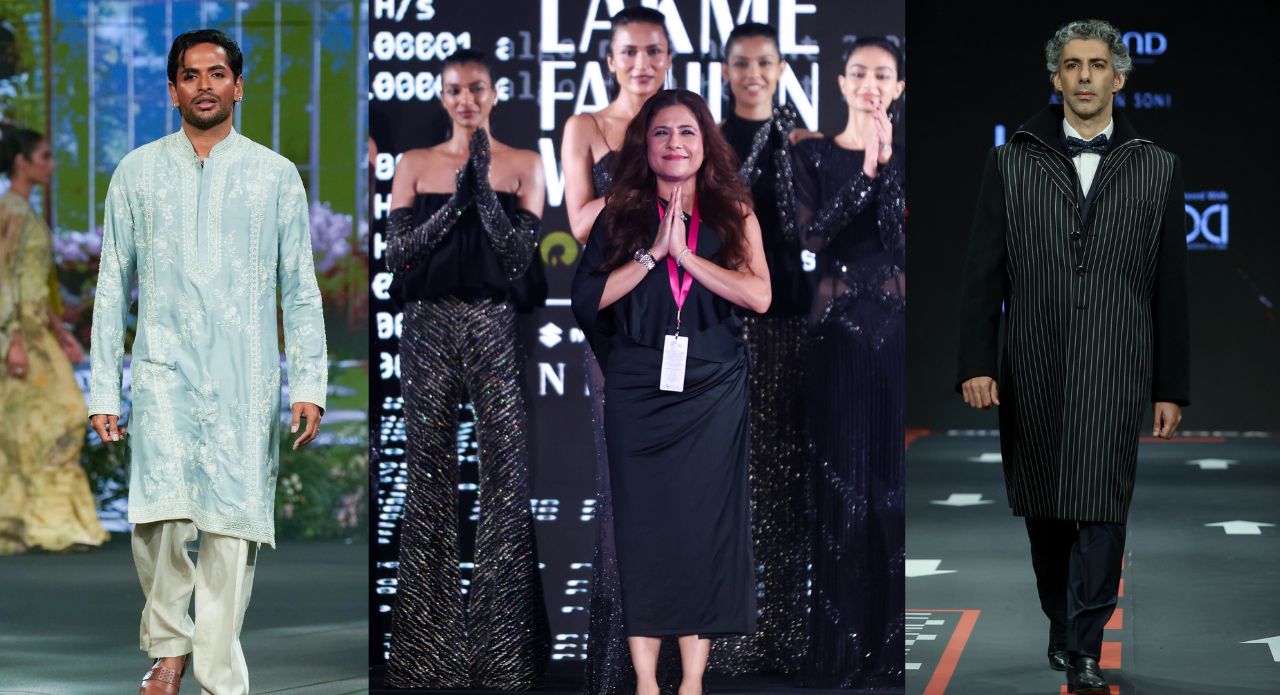
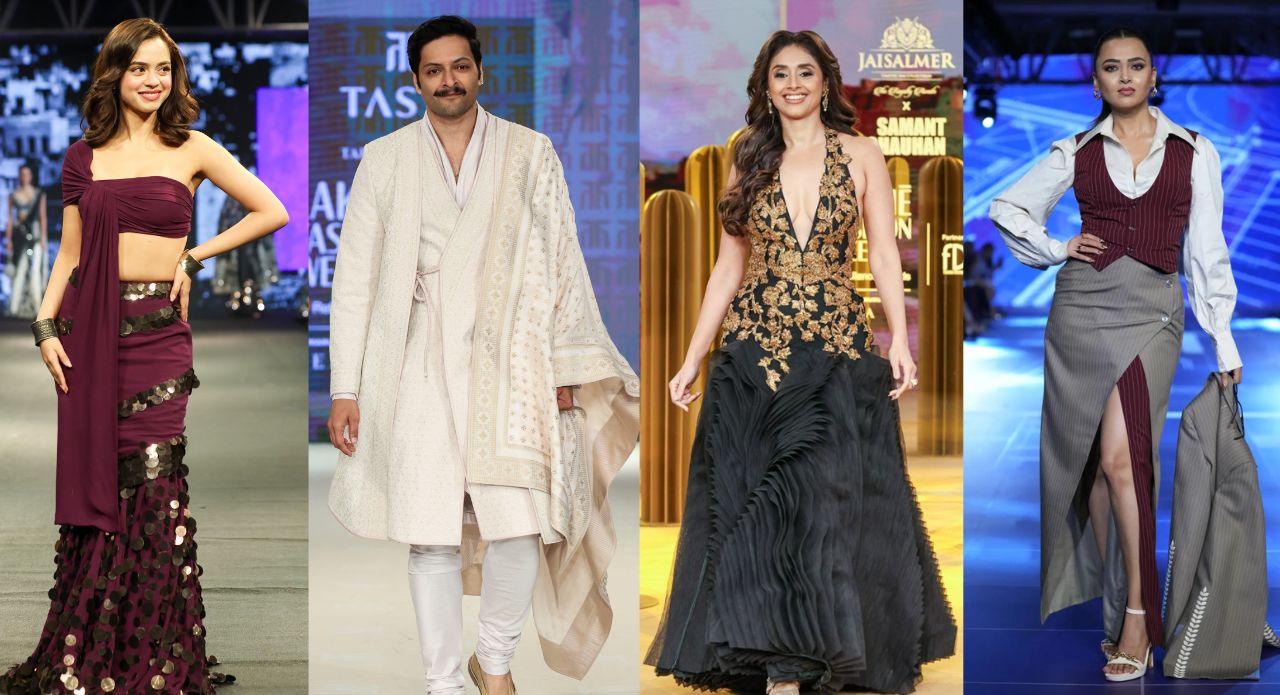
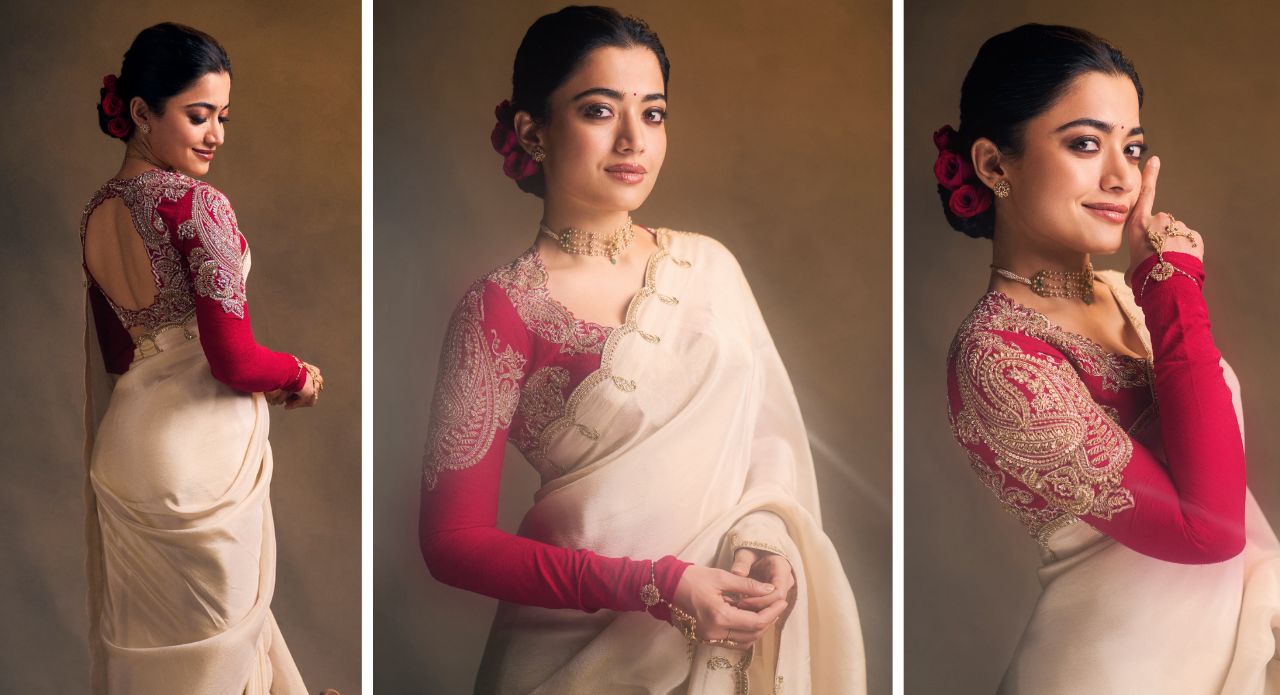
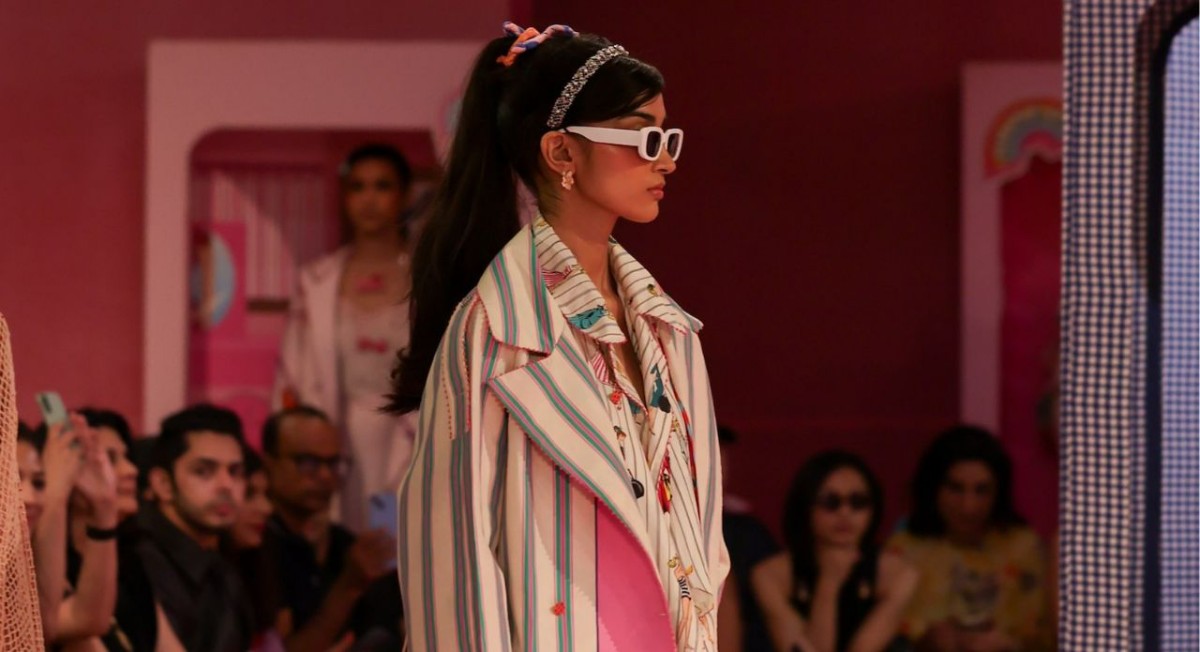
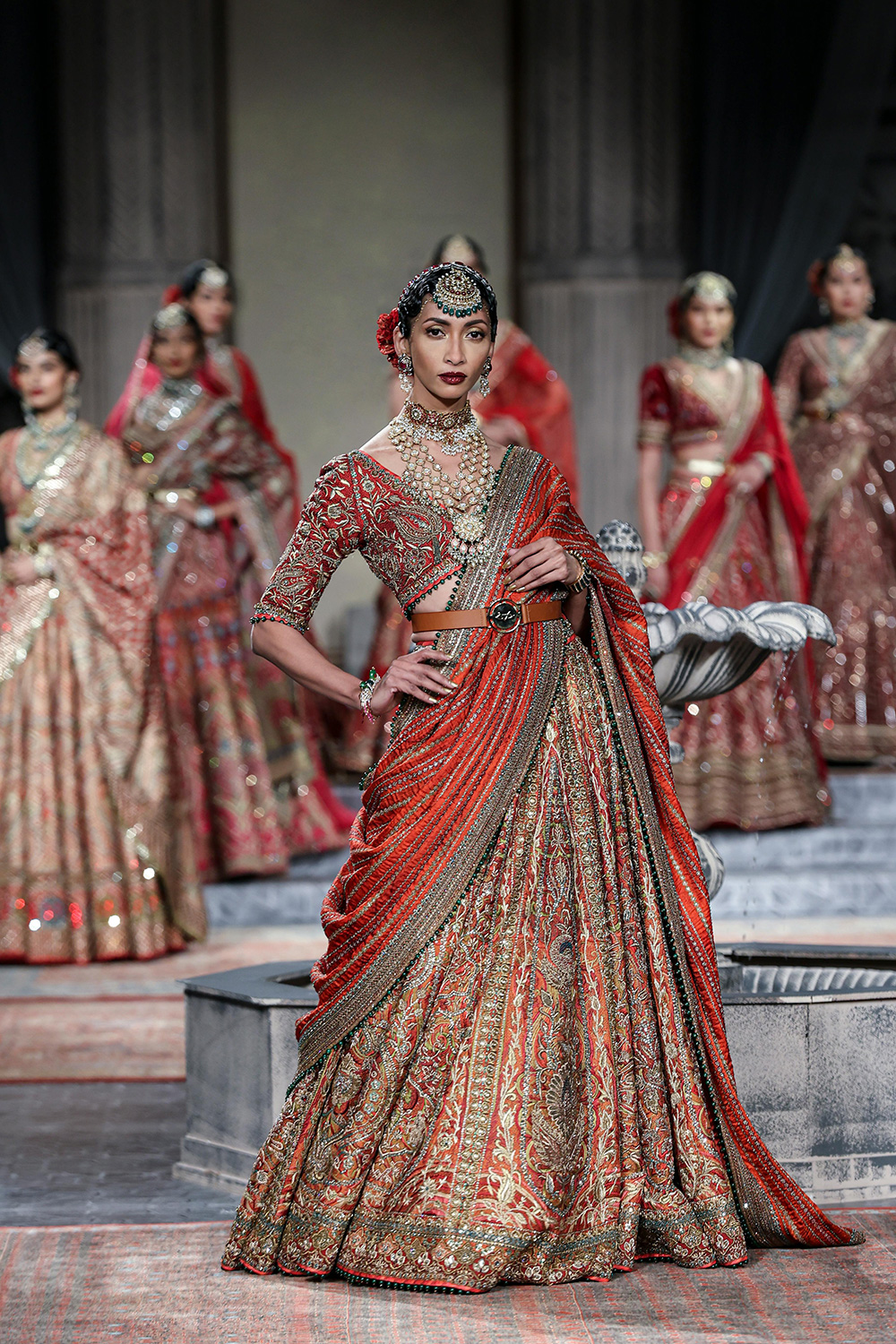
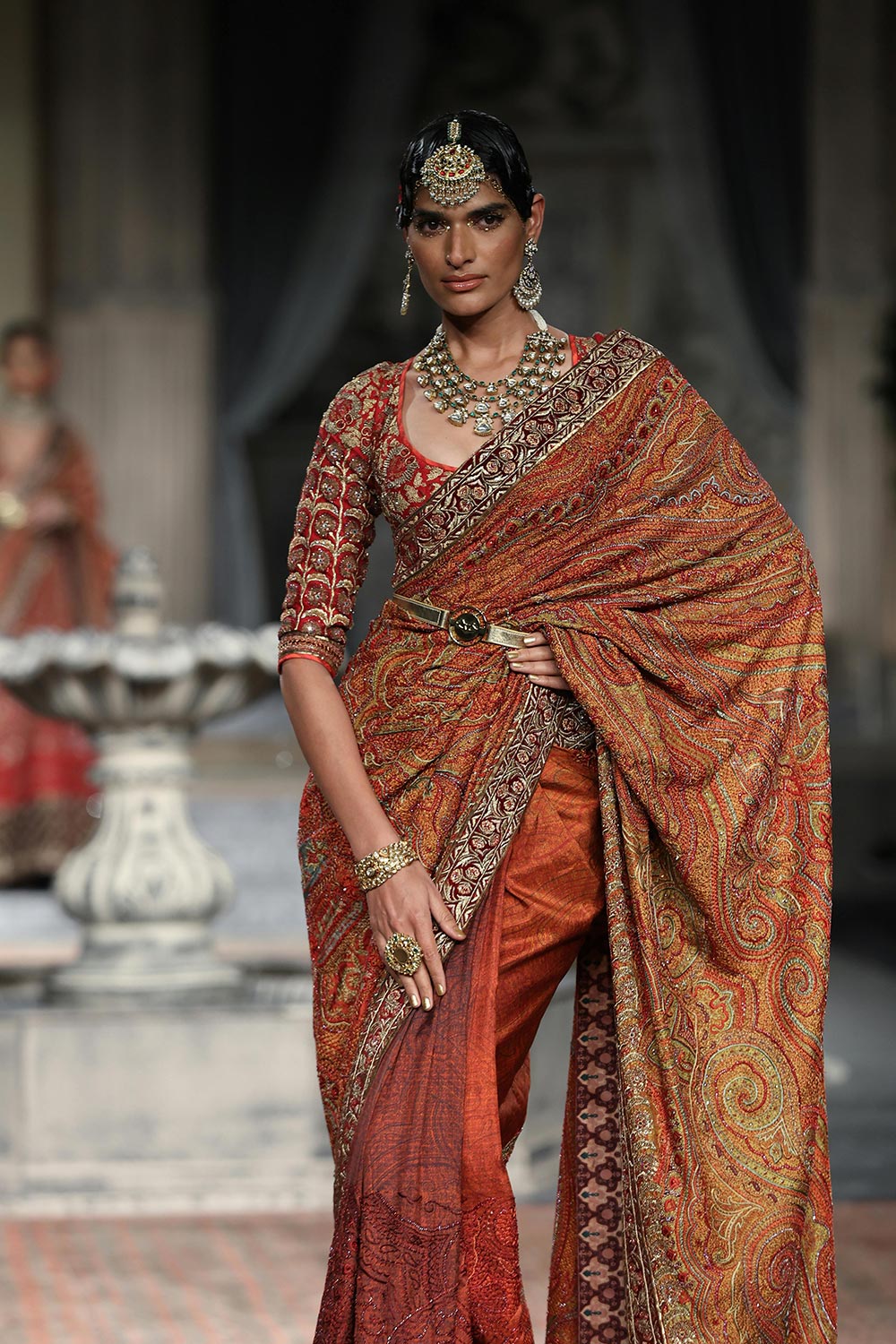
We’ve had countless discussions around this – the enduring debate between craft and commerce. The same economic logic that keeps a Noida worker at Rs 13,000 a month also allows a fashion garment, often handmade, labour-intensive, and culturally rich, to sell for lakhs, while the people who make it receive only a fraction of that value.
The Big Wage Gap In Fashion
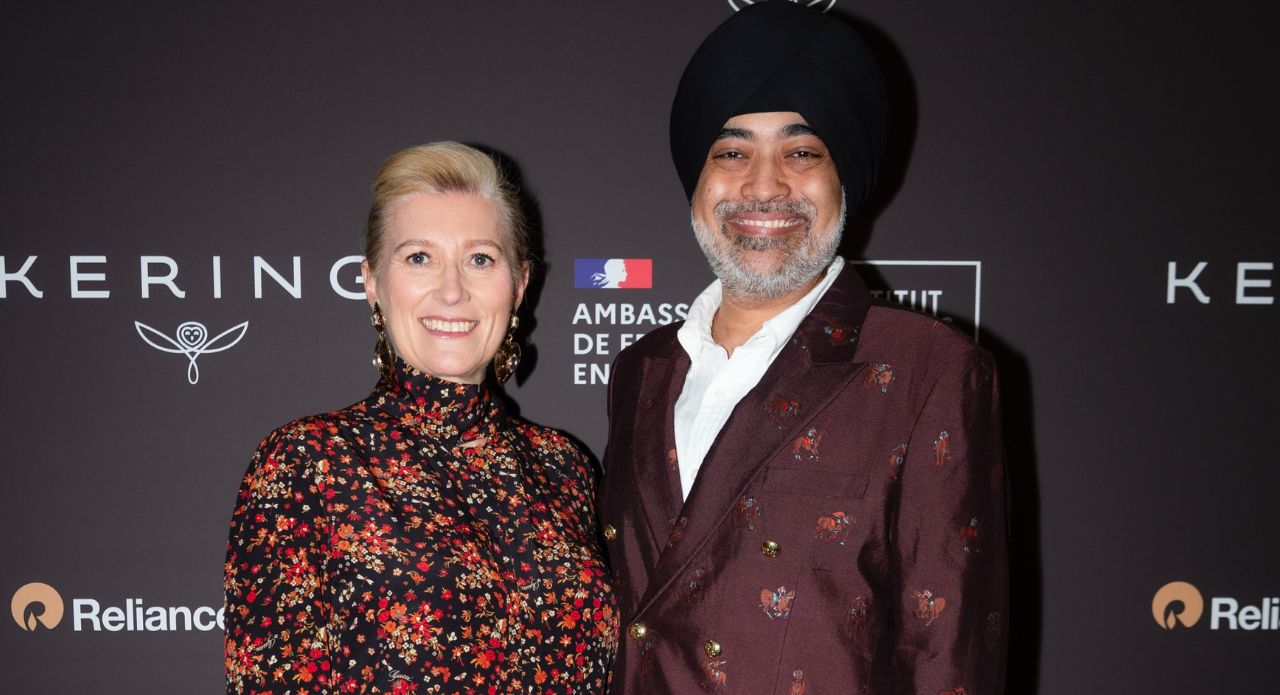
In a conversation with fashion designer Mayyur Girotra during the recent unveiling of The Collectables, one of his most personal collections yet rooted in rare Indian textiles, something he said stayed with me.
It has since resurfaced as I try to make sense of the emotions evoked by the ongoing Noida workers’ protest. He had said then, ‘The man who is making the real couture, the real luxury of India, has no electricity at his home.’ It became the anchor for my feature, and it is difficult to ignore once you’ve heard it.
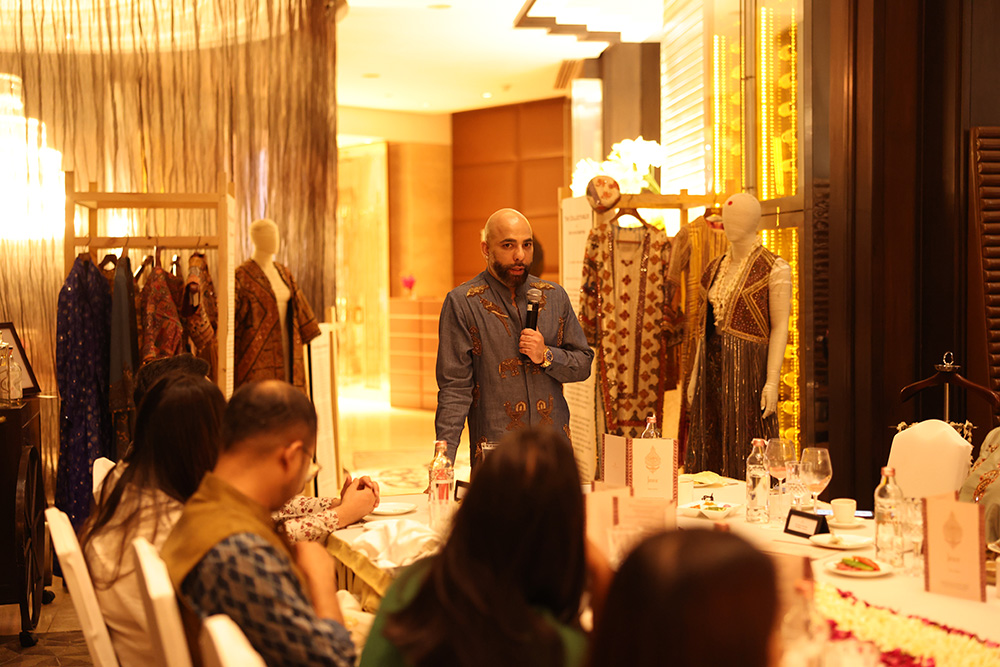
He went on to tell me, ‘If a piece commands value in the market, the people who made it should feel that value in their lives as well.’
And beyond wages, he pointed to something deeper. ‘Fair wages are only the starting point. Ethical collaboration means recognising artisans as partners rather than anonymous labour. It involves transparency, timely payments, and long-term relationships rather than one-off engagements.’
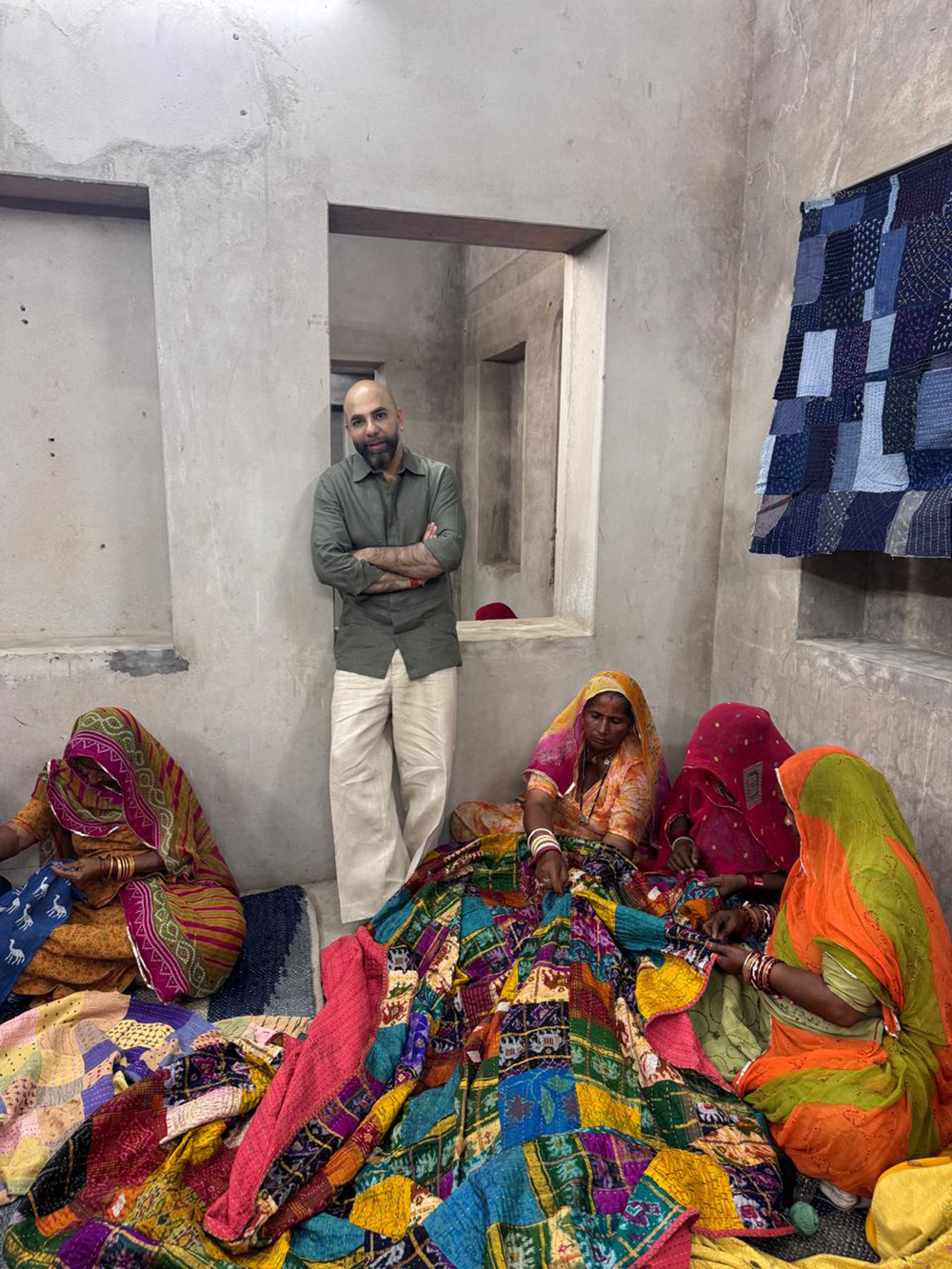
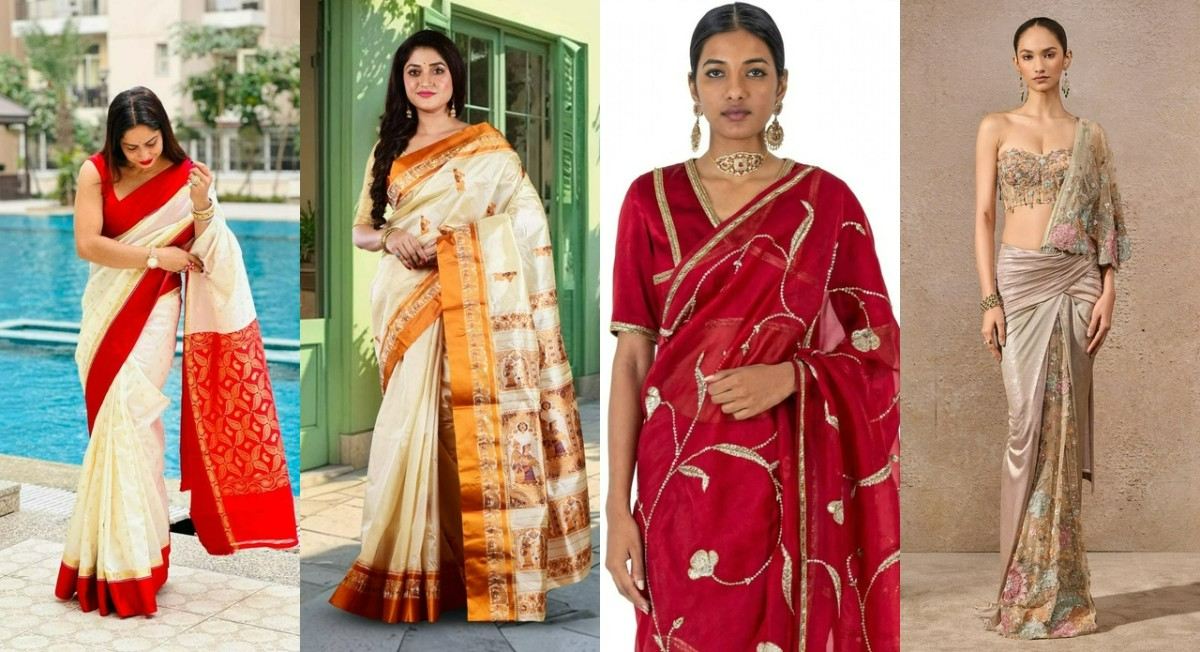
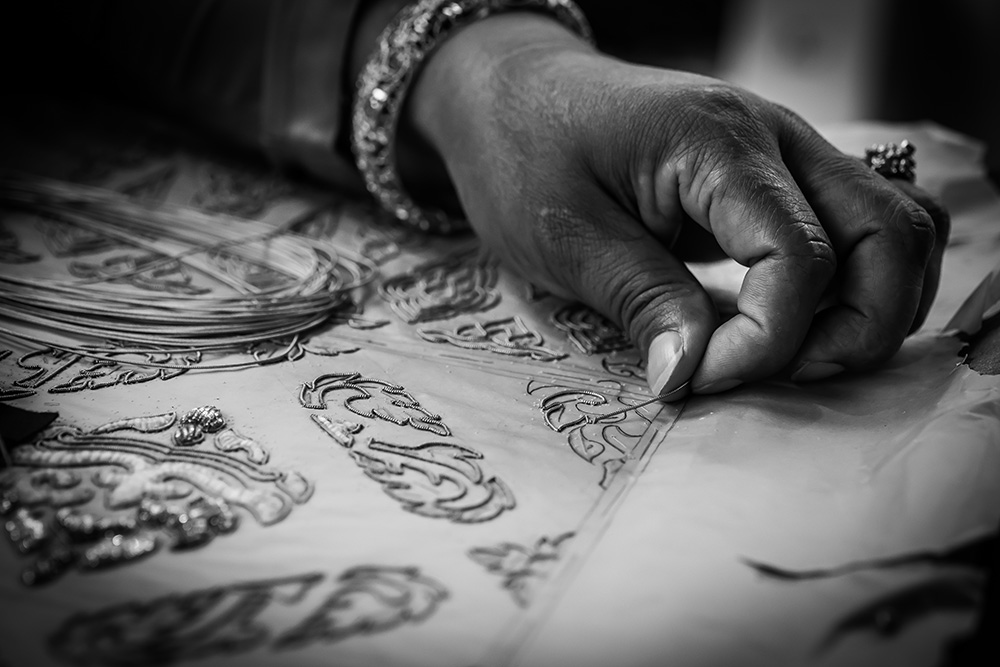
In India’s luxury fashion market, couture routinely retails between Rs 1 lakh to Rs 40 lakhs, often, a lot more. These pieces involve hand embroidery, weaving, dyeing, and finishing by skilled artisans. Yet multiple industry reports suggest that artisans and weavers typically receive between 1–5% of the final retail price. Many are paid per piece or per day, with monthly incomes that can fall below Rs 10,000–Rs 15,000 depending on the consistency of work.
This structure is not unique to Noida. It repeats itself across fashion’s value chain.
Also Read: Threading The Margins Into The Mainstream With Manipur’s East Label
Handmade Luxury, Underpaid Labour?
Fashion markets craftsmanship as exclusivity. Words like handwoven, hand-embroidered, and heritage textile justify high prices. Designers position themselves as custodians of craft and in many cases, they are! They create visibility, demand, and global reach. But the economic distribution tells a more uneven story.
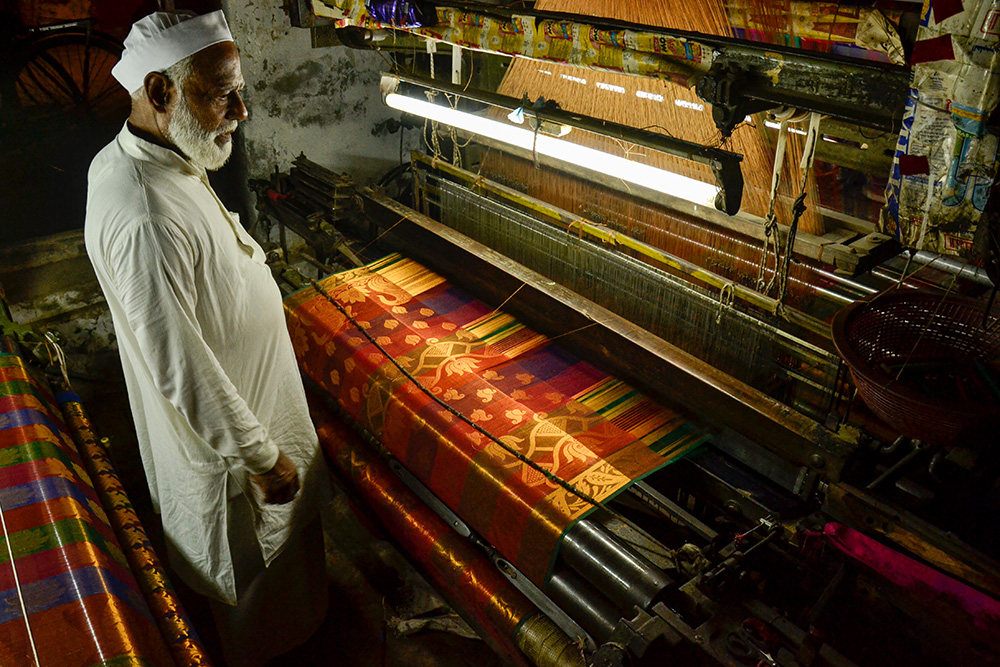
This is where fashion’s aspiration economy begins to strain. The industry thrives on desire – campaigns, editorials, and storefronts build worlds people want to belong to. Yet those who produce that world, whether factory workers in Noida or artisans in craft clusters, remain outside it.
A worker passing a luxury mall sees garments shaped by labour systems like his, but cannot access them. An artisan embroidering a bridal outfit may never even afford to buy it for his own daughter’s wedding.
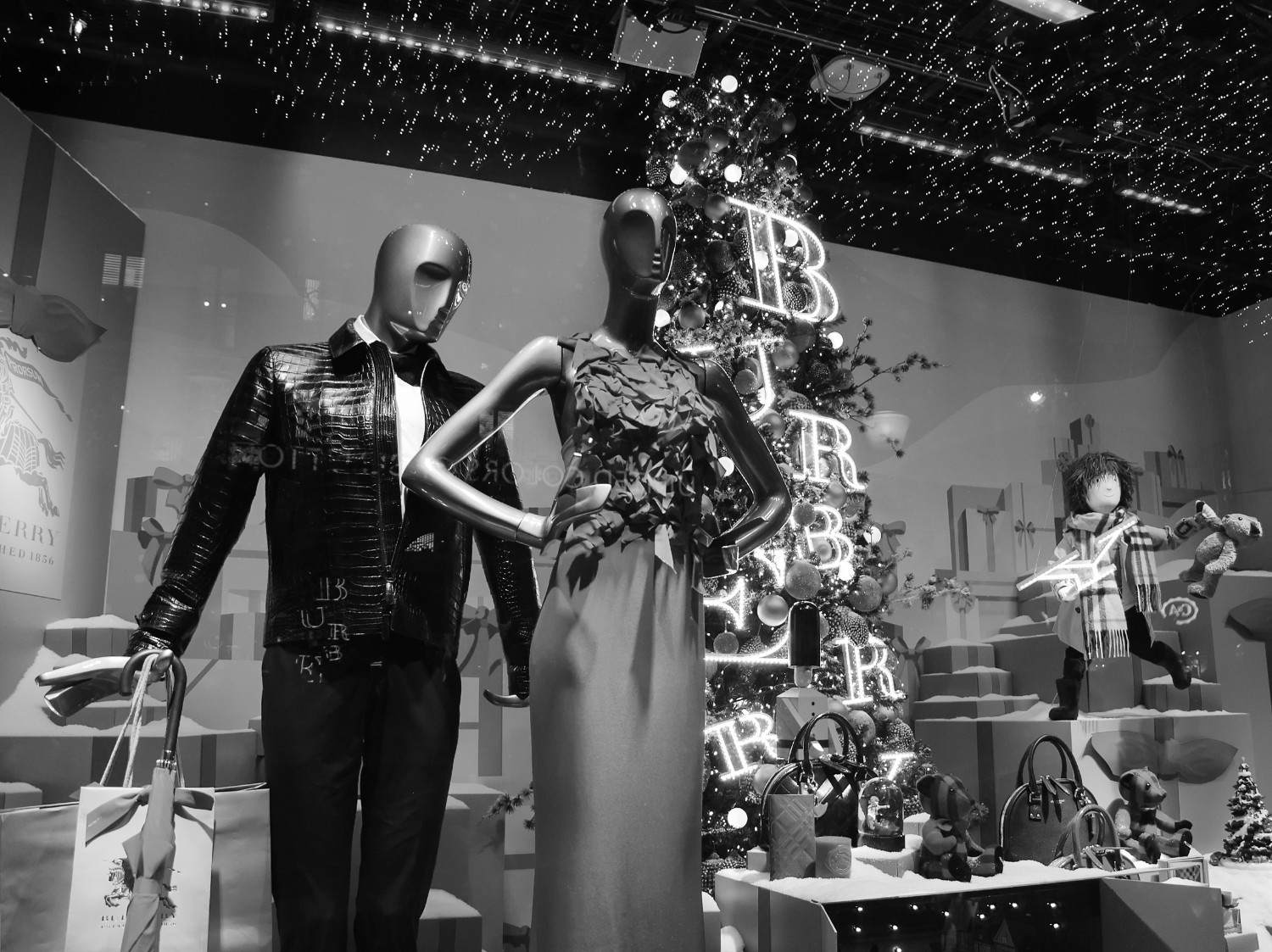
Designers often point out, rightly, that costs extend beyond production – marketing, shows, retail rent, branding, logistics. Profit margins are not always as extreme as retail prices suggest. And yet, why does the imbalance persist most sharply at the labour end?
Even as the top of the value chain expands, through couture weeks, celebrity weddings, and global showcases, the base remains compressed.
Noida Workers’ Protest As a Mirror, Not An Exception
The Noida protests make visible what fashion often keeps abstract. From where I see it, workers are reacting not just to low wages, but to proximity without participation. They see consumption but cannot access it. They contribute to production but do not share in its value.
The same tension runs through fashion. Craft is celebrated, but craftsmen remain underpaid. Artisans sustain luxury, yet stay economically vulnerable.
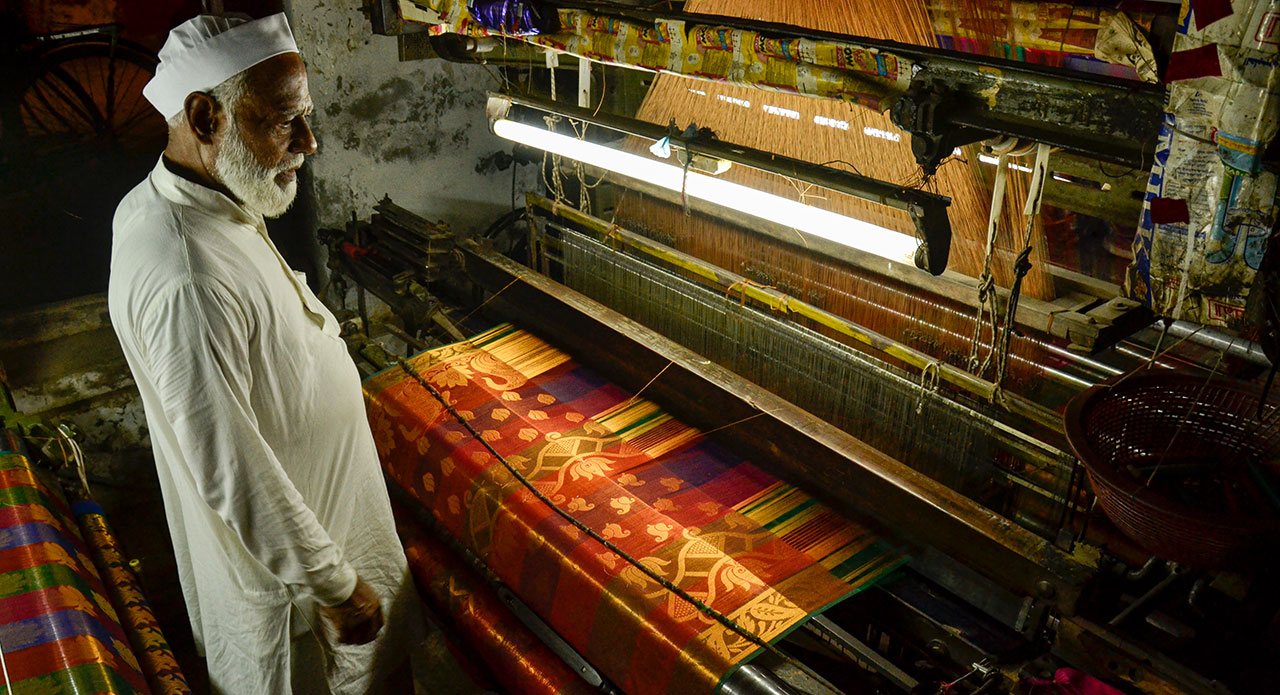
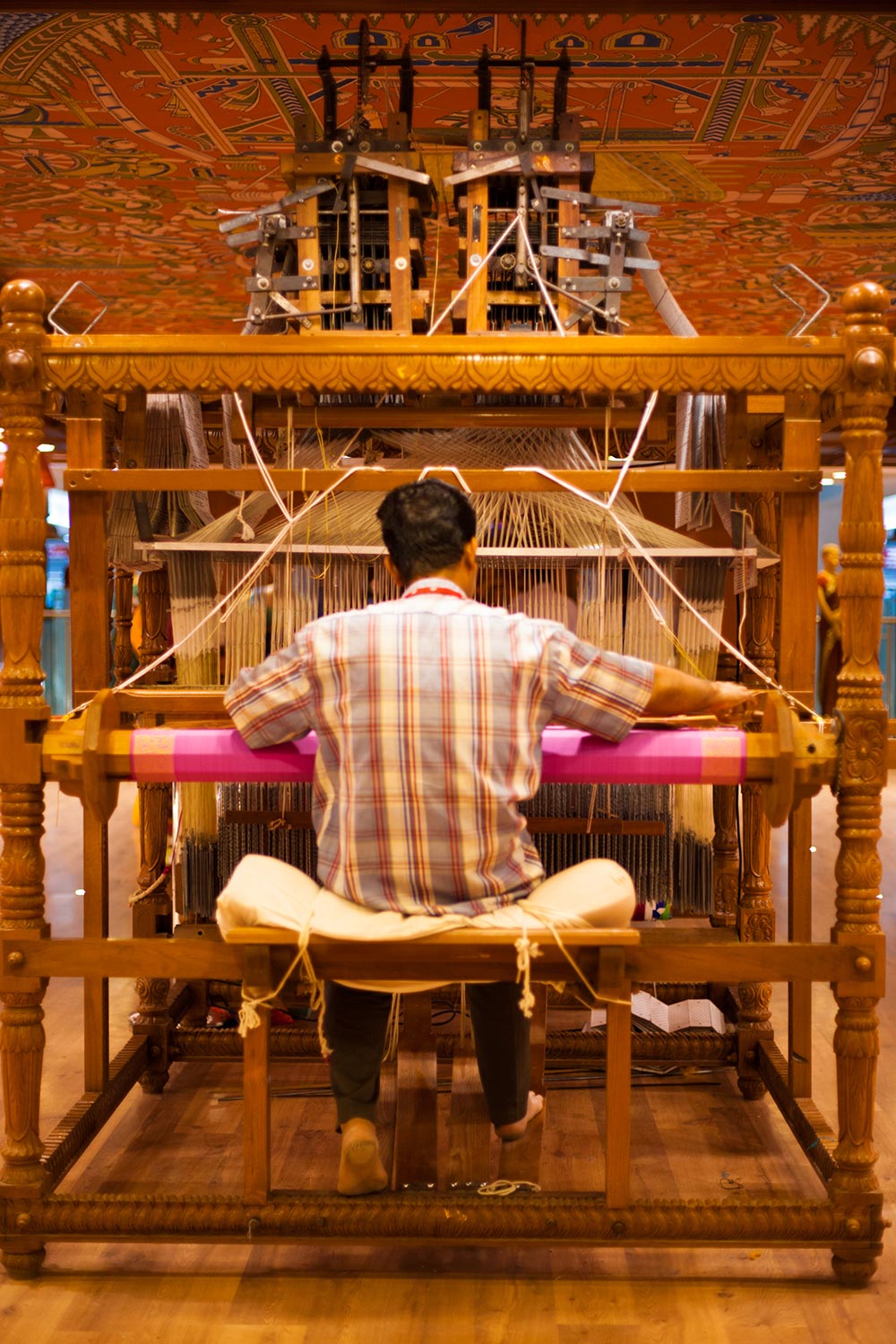
Going back to my interview with Mayyur, he shared something else with me. He said, ‘I was in Kanchipuram recently. I had gone there to work with the weavers. After asking around for good weavers, I finally got a chance to meet someone. This weaver was sweating as he worked on an exquisite piece of saree. That made me think again, “We buy these sarees that retail for lakhs. But what about this weaver? He is the mother of this craft.”‘
And maybe, that’s where this conversation needs to stay for now. There is still so much to discuss, learn, unlearn, and fix about pay disparity in fashion, and far beyond it. But for the moment, I’ll leave you with this: Can an industry built on storytelling continue to ignore the stories of the people who make it possible?
Note: The opinions expressed are solely my own and do not represent the views of Outlook Luxe or any affiliated organizations.