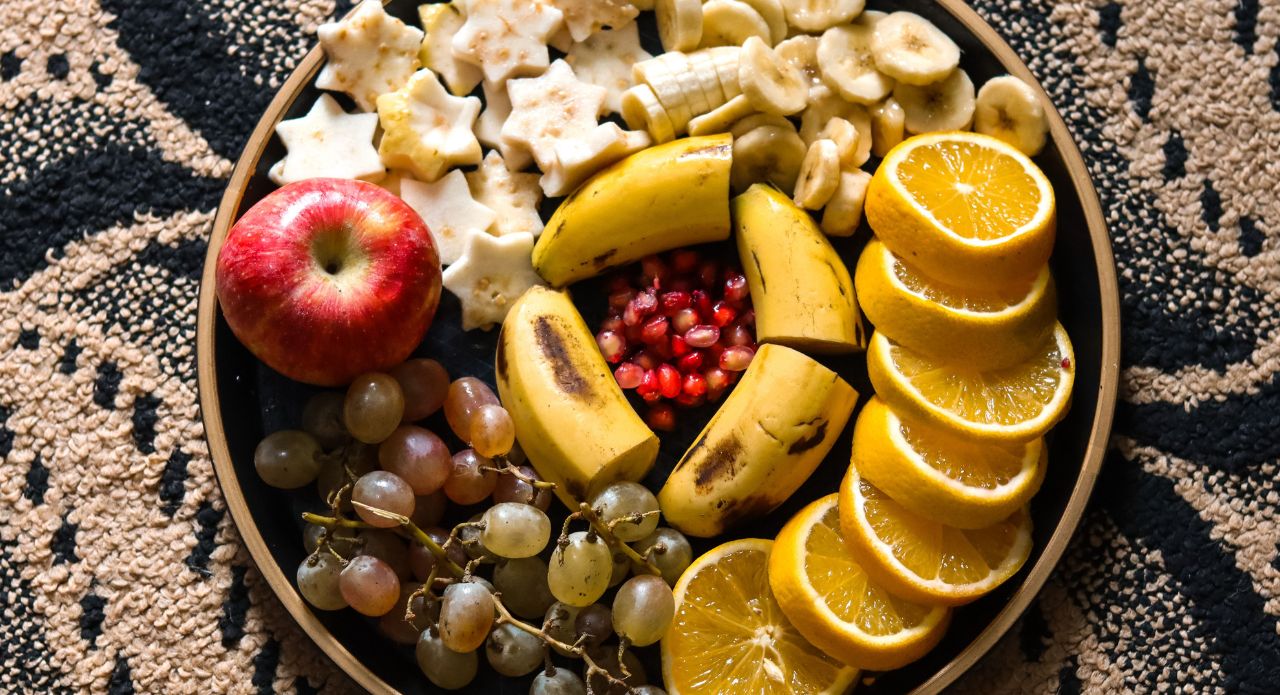


Nonnamaxxing takes its name from the Italian word for grandmother, and it describes a deliberate return to the unhurried rhythms of an Italian nonna. This includes cooking from scratch, long family meals, daily walks, an herb garden and a real distance from screens. The premise runs against a decade of luxury wellness built on optimisation, and that is precisely why it has caught on.

What Nonnamaxxing Is About
The science behind it is not new. Italy leads the European Union in life expectancy, and Sardinia remains one of only five recognised Blue Zones, where people routinely live past a hundred thanks to low-intensity movement, slow social meals and strong intergenerational bonds.
Also Read: Five Places to Escape the Digital Noise
Sardinia is where the trend is lived rather than marketed, its boutique estates building stays around nonna rhythms instead of treatment menus: market mornings, pasta workshops, olive-grove passeggiate, unhurried dinners.
There is no biomarker panel on offer, only heritage and time, and in a world where speed and access can be bought instantly, that is exactly what draws a luxury crowd that already has everything else.
Bringing the Blueprint Home
Since valuing slowness and heirloom living are not foreign concepts in India, the appeal translates easily. Here are a few named ways to bring the trend home.
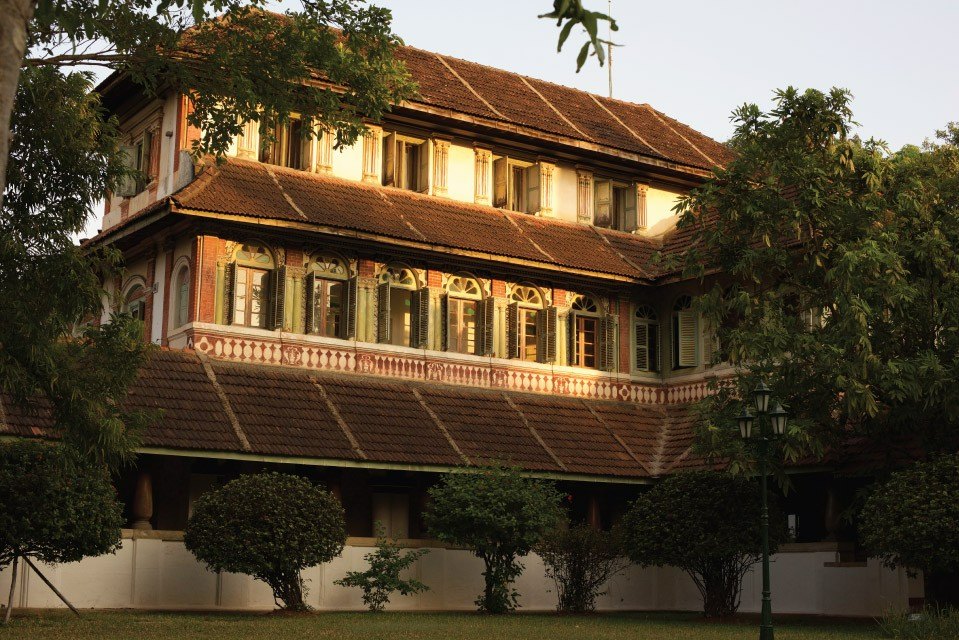
Kalari Kovilakom, CGH Earth’s Ayurvedic palace in Palakkad, enforces a strict 14-day minimum stay under full medical supervision, and a tariff that guests say has climbed several-fold in recent years, with the full package running well past Rs 10 lakh.
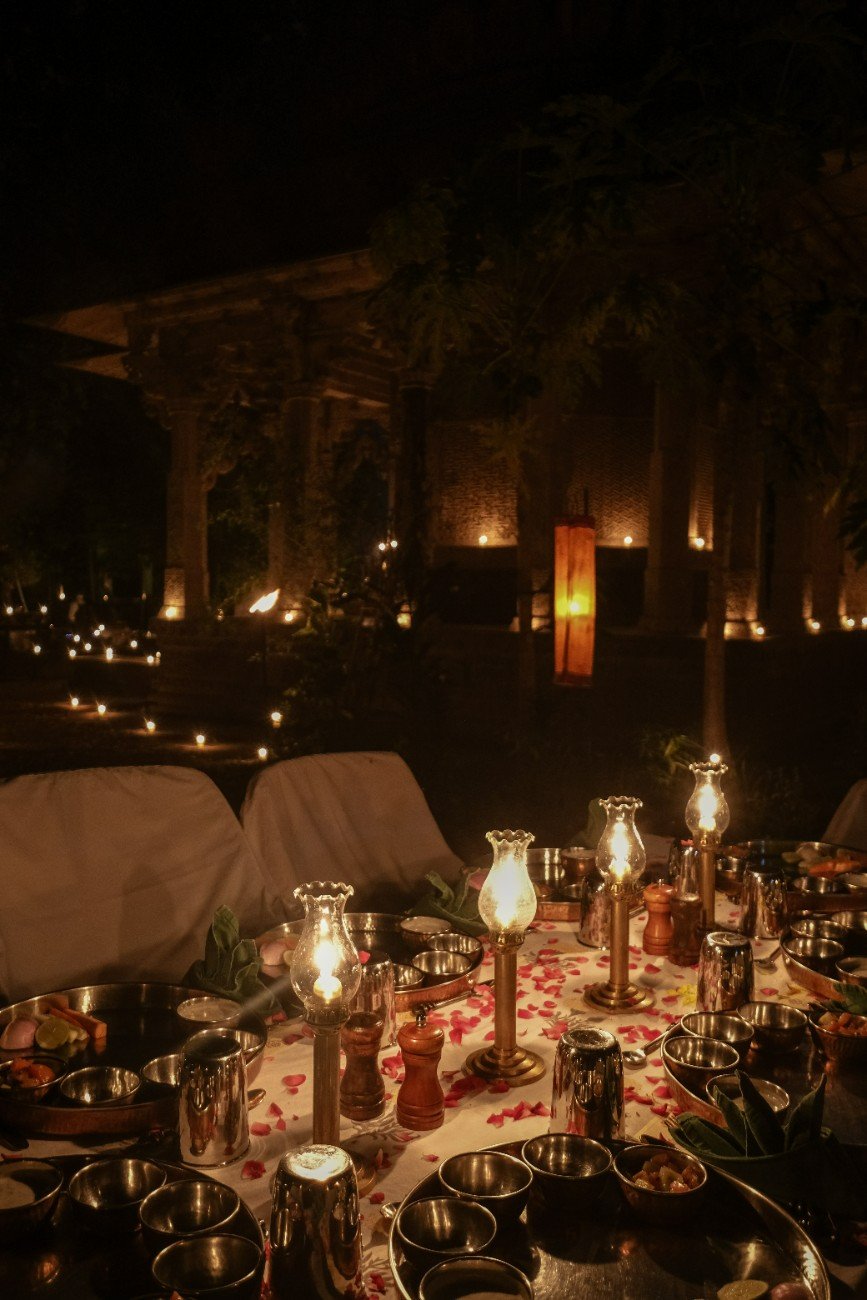
At the more accessible end of six-figure stays, Ahilya Fort in Maheshwar, the Holkar family’s riverside fort turned intimate heritage hotel, is nonnamaxxing in its purest form. Prince Richard Holkar, the host and culinary expert, oversees the property’s culinary and F&B experience, with produce sourced from its organic garden. For October to December, room rates range from INR 25,500 to INR 46,600 per night for double occupancy, putting a week-long stay at approximately INR 1.78 lakh to INR 3.26 lakh.
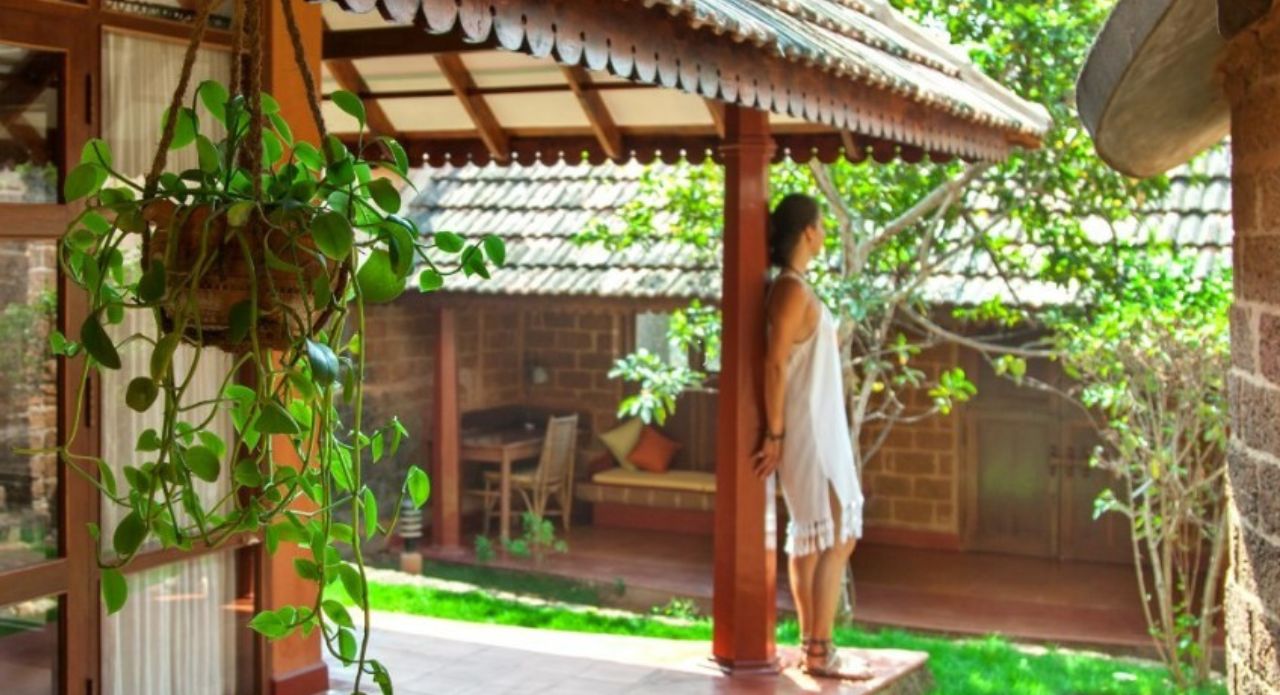
SwaSwara on Om Beach in Gokarna, another CGH Earth retreat built around organic meals, yoga and deliberately sparse Wi-Fi, publishes a tariff of Rs 2.25 lakh for a five-day stay with two treatments.

Ananda in the Himalayas, the former Tehri Garhwal palace near Rishikesh, is the clearest domestic equivalent, with comprehensive wellness programmes starting upward of Rs 1.02 lakh (approx.) a night for double occupancy, built around Ayurvedic doctors, organic farm-to-table meals and a mandatory seven-night minimum.
Also Read: From Fitness to Recovery: Why Rest Is the New Luxury Wellness Status Symbol
Amanbagh in Alwar, Rajasthan, runs a close second, with garden pavilion suites priced from roughly Rs 85,000 a night, comfortably past Rs 1 lakh once taxes and upgrades are in, and days built around its organic garden, cooking classes and temple walks.