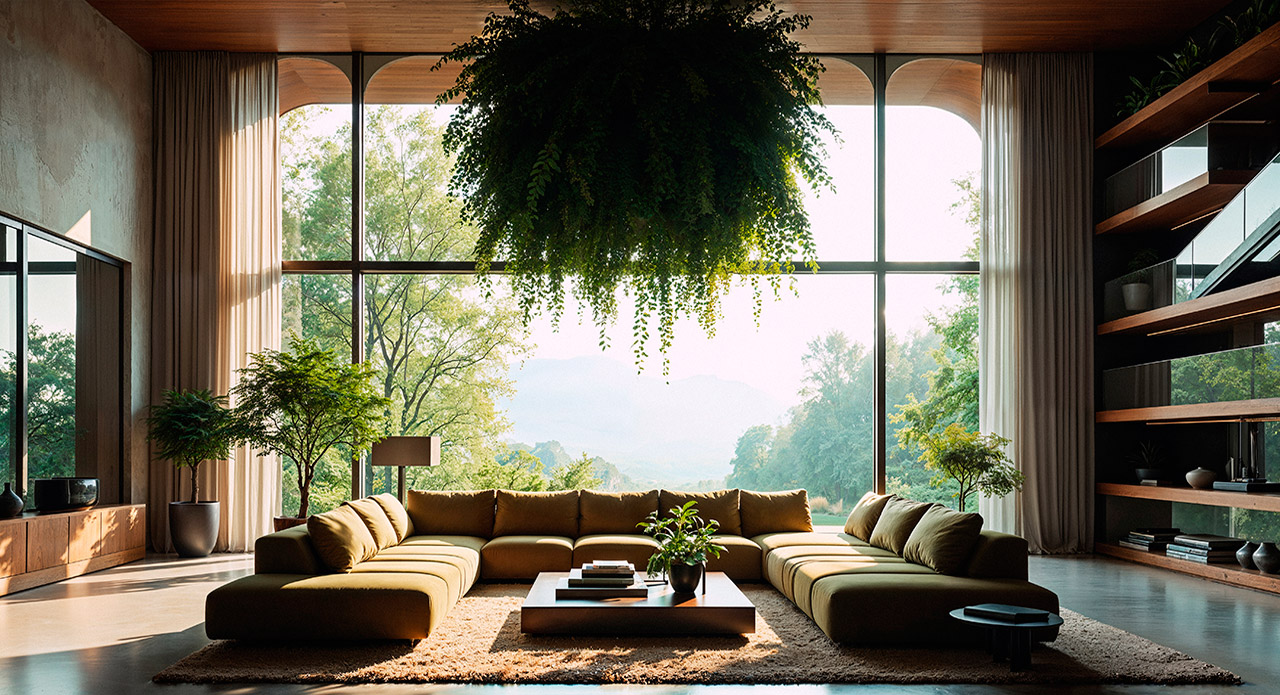


Edible interiors bring together luxury living and sustainable design by integrating herb walls, indoor kitchen gardens, and micro-farming spaces into modern homes. As urban lifestyles continue to reshape the way people live, traditional rustic concepts are evolving into sophisticated, functional, and aesthetically refined interiors. Today’s homeowners seek more than visual appeal – they want living environments that promote wellness, encourage mindful living, and create a deeper connection with nature. By blending beauty with purpose, edible interiors offer spaces that enhance both physical health and mental well-being while adding a distinctive character to contemporary luxury homes.
Functional Green Design Is Here To Stay
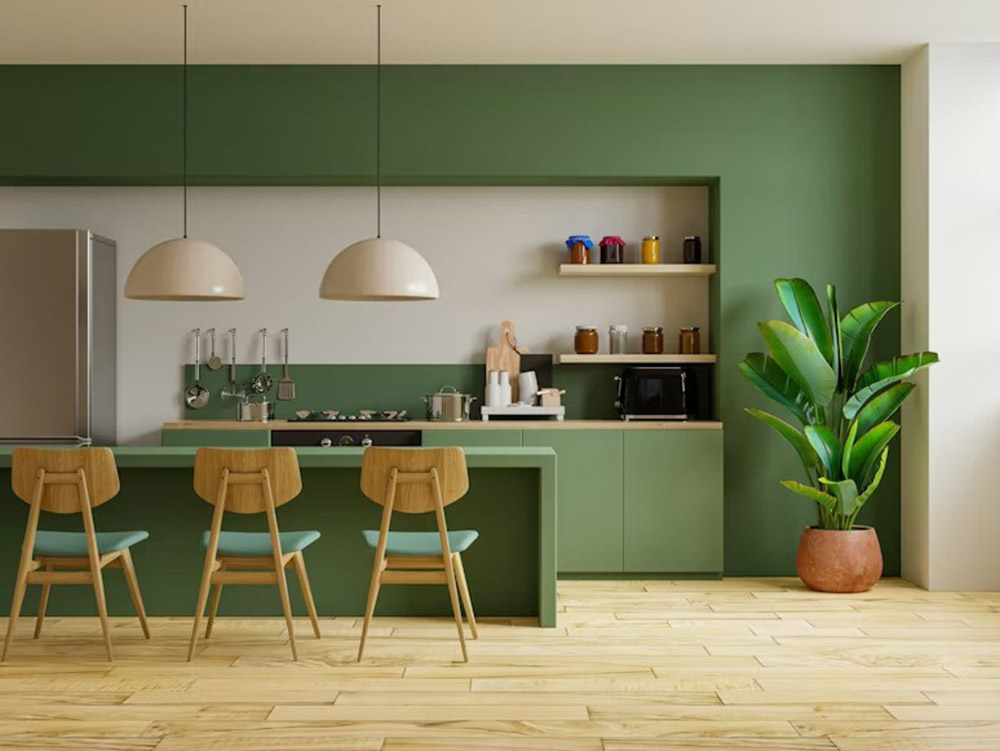
The incorporation of kitchen gardens and herb walls is also a reflection of new buyer psychology. The conscious luxury homeowner of today is likely to provide a premium home that is a nexus of advanced design and aesthetics while also advocating sustainability, health, and living self-sufficiently.
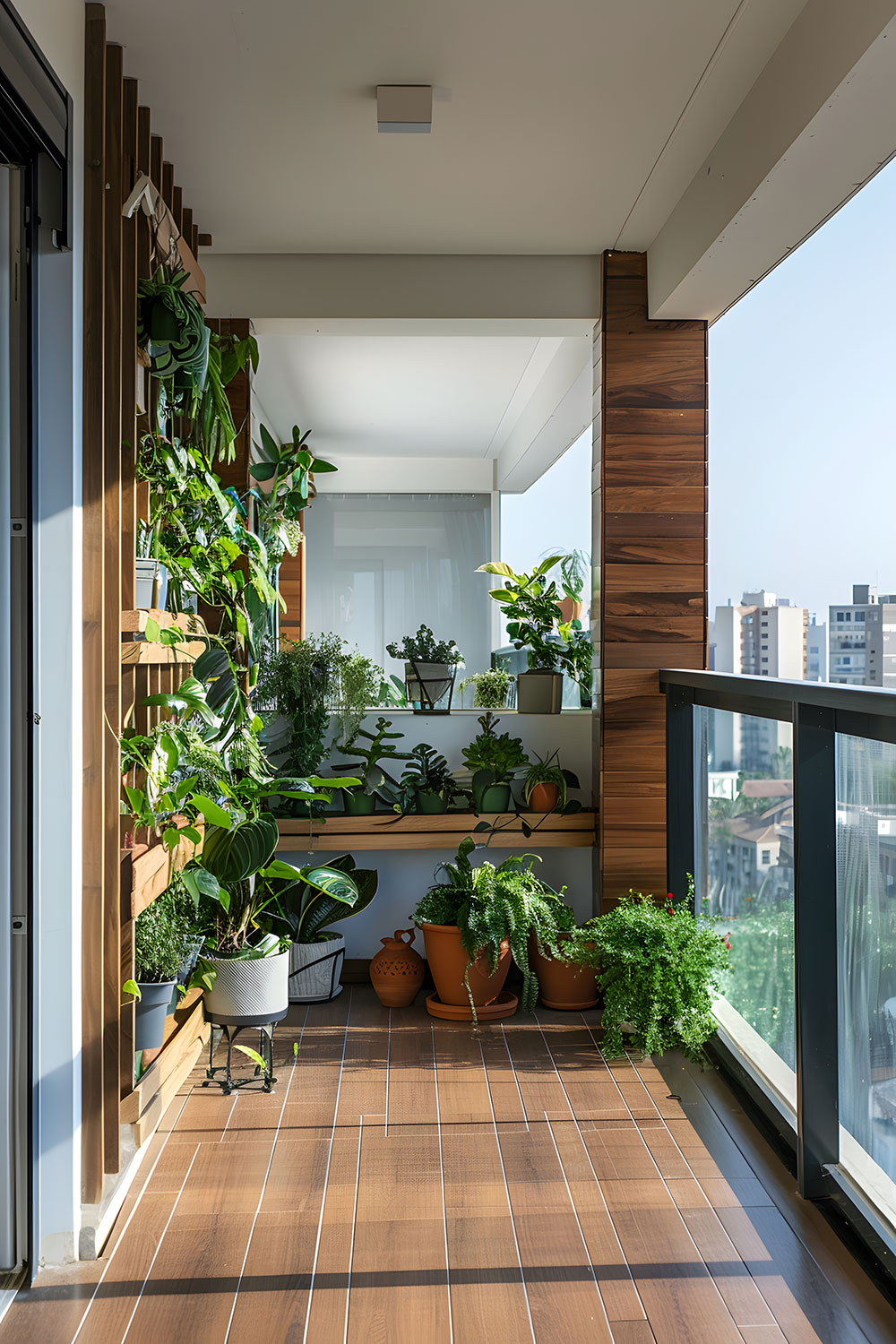
Developers and architects are also innovating to include vertical herb gardens in kitchens and, of necessity, balconies designed edible landscapes and dedicated indoor farming spaces, equipped with hydroponic farming systems or smart irrigation. All these are now positioned to transform premium living interiors.
Especially for premium home interiors, edible gardens provide immediate accessibility to fresh herbs and reduce the need for store-bought herbs and spices. They also create a restorative connection to the growing of food, which is one of the main aspirations of urban living.
Understanding Edible Delights
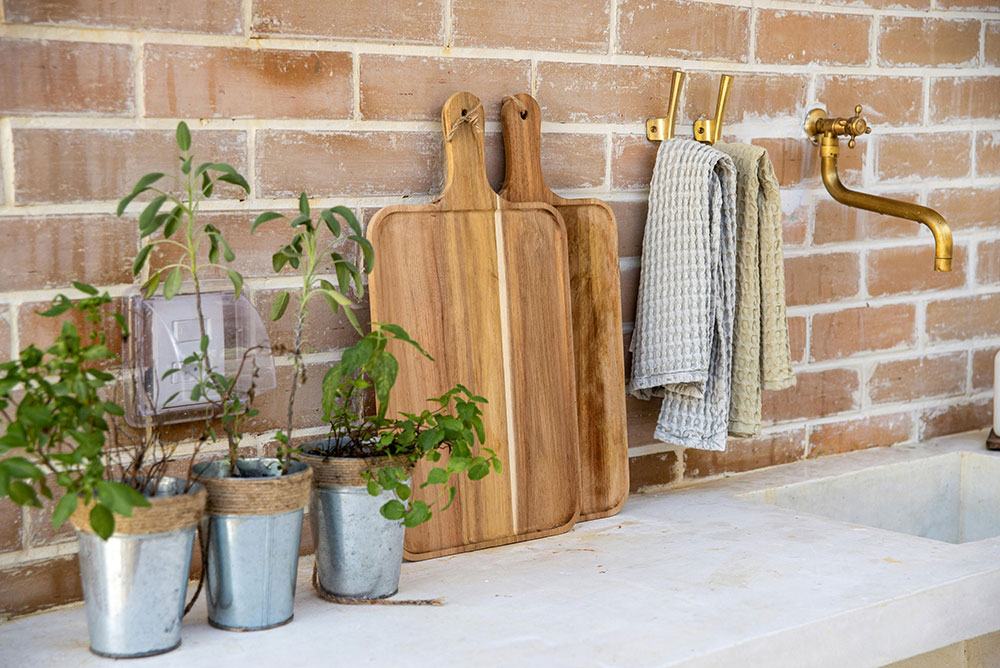
Finesse is what sets an edible interior apart. In luxury homes, these spaces are designed with exceptional attention to detail, combining beauty with functionality. From elegant vertical panels to stylish potted herb walls, edible interiors turn greenery into living art. Modular vertical garden panels with built-in irrigation and soft ambient lighting create striking feature walls that are both practical and decorative. The choice of herbs is guided by usability – whether for cooking, fragrance, or visual appeal, featuring popular culinary herbs arranged in artistic installations.
Designing edible interiors requires careful planning and creativity. These indoor gardens are often placed in glass enclosures, sunlit corners, or near skylights to maximize natural light. Luxury interiors further enhance the look with materials like natural marble, wood, and raw metals, creating a warm and sophisticated atmosphere. At the same time, modern systems make these interiors easy to maintain, allowing homeowners to enjoy greenery with minimal effort.
Also Read: Beyond Greenwashing: What True Sustainability In Luxury Real Estate Should Look Like
Everyday Luxuries And Well-Being

People today are seeking a closer connection to nature through calming, naturally growing spaces within their homes. Edible interiors also bring a sense of joy and everyday luxury. Simple experiences, like picking fresh basil for homemade pasta or brewing tea with self-grown herbs, make daily routines feel more special and personal. These spaces combine interior design, gardening, and sensory comfort to create warm, inviting environments.
By blending patios, indoor gardens, and fresh herbs, edible interiors offer both beauty and functionality. They also encourage mindful living, sustainability, and a stronger awareness of nature, something often missing in fast-paced urban lifestyles.
What Edible Interiors Mean In Premium Real Estate
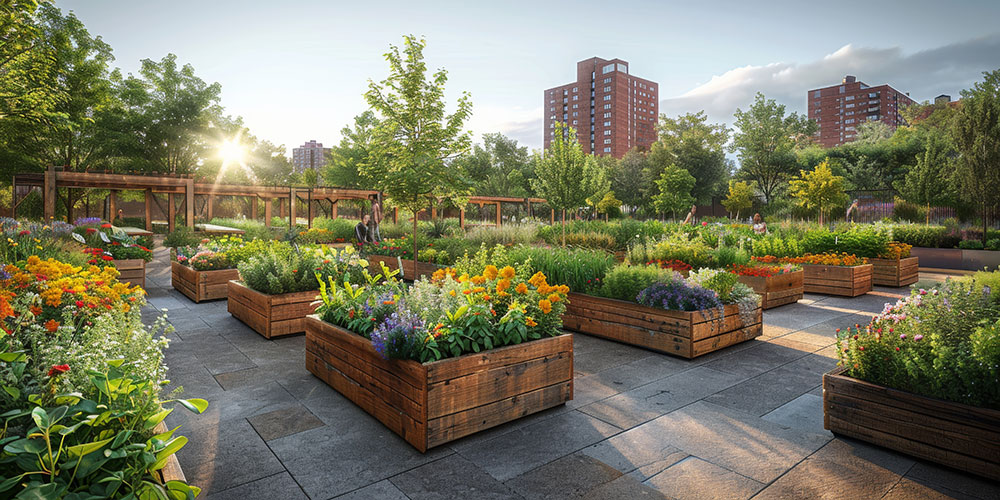
On the investment side of edible interiors, it can be described as an excellent emerging value proposition. Properties that incorporate enduring, wellness living aspects receive a lot of attention and appreciate more over the long term. In a highly competitive environment like the luxury market in real estate, where buyers become more discerning and selective with their investments, the new sustainable design facets are appreciated, as they incorporate multiple lifestyles.
Additionally, because of the increasingly topical global context for sustainable living, homes that incorporate sustainable living elements will no doubt thrive with relevance for the foreseeable future.
Also Read: Resort Architecture: Crafting Homes In Nature With Care And Conscience, Through An Architect’s Lens
Keshav Mangla is the GM, Business Development, Forteasia Realty Pvt. Ltd.