


Not all signs of ageing are created equal. A forehead line forms from movement. A hollow under the eyes reflects volume loss. A sagging jawline points to structural decline. Treating them as the same concern typically leads to mismatched outcomes. Dermatology today increasingly views ageing as a combination of layered changes rather than a single process. According to research published in MDPI, oxidative stress, collagen decline and reduced cellular repair collectively influence ageing skin by decade across multiple layers, often long before visible signs emerge.
What Is The 30-40-50 Skincare Rule?
This layered understanding has changed how treatments are planned. The focus is no longer on isolated fixes. Instead, it is on sequencing interventions in a way that reflects biological progression. The “30-40-50 rule skincare” builds on this approach. It explains ageing across decades, where early action in the 30s centres on prevention, the 40s shift toward structural correction, and the 50s demand deeper restoration. In practice, this involves shifting away from reactive treatments toward a more precise, stage-specific strategy.
The 30s: Preventing What Has Not Yet Fully Appeared
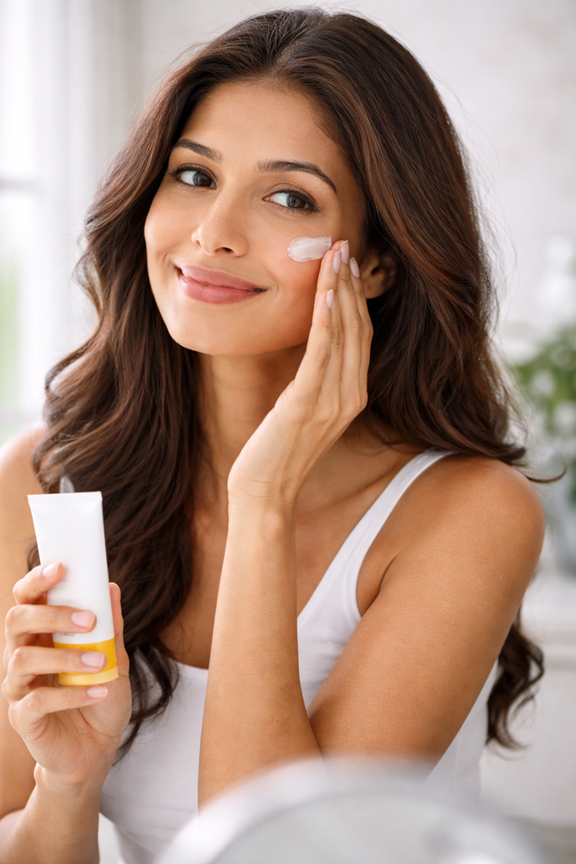
The 30s are typically when the earliest visible changes begin to emerge. Nevertheless, biologically, these shifts have already been underway. Collagen production starts to decline, fine dynamic lines appear, and uneven skin tone becomes more apparent due to accumulated sun exposure. At this stage, the emphasis is not on correction but on control.
Topical skincare forms the foundation. Antioxidants like vitamin C help reduce oxidative stress, while retinoids encourage collagen stimulation treatments and support cell renewal. Consistent sunscreen use remains essential, as ultraviolet exposure continues to be a major contributor to premature ageing.
At the same time, in-clinic treatments are largely preventive. Micro-dosed neuromodulators help soften repetitive muscle activity, lowering the risk of lines becoming deeply set. The goal is not to restrict expression but to gently regulate intensity. Skin quality treatments even become more relevant.
Skin rejuvenation techniques, such as HydraFacial, a non-invasive and customisable procedure, support hydration, refine texture and address early congestion or pigmentation without downtime. Its adaptability across skin types, when clinically guided, makes it a common starting point.
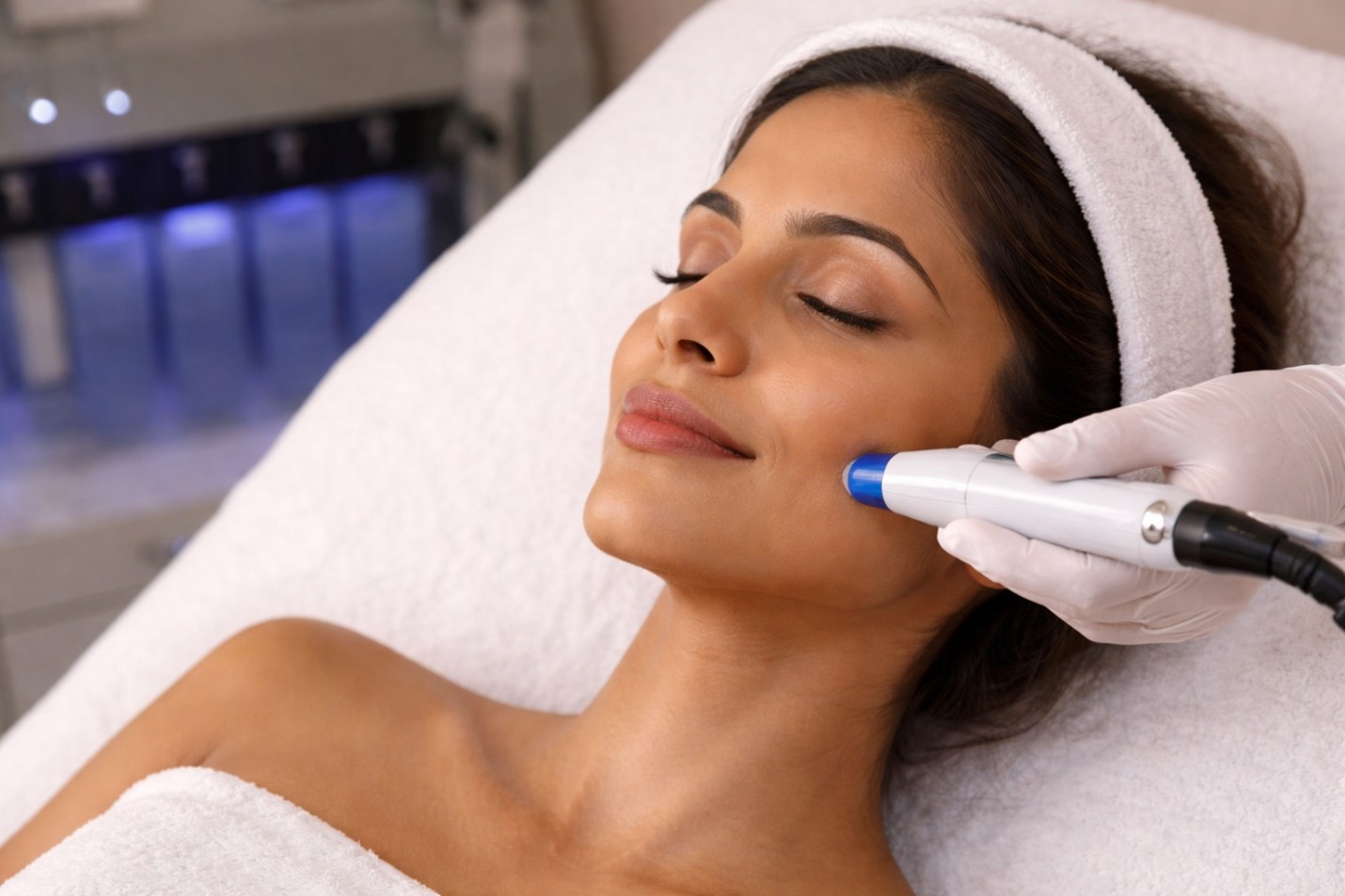
Early microneedling and mild chemical peels may also be introduced to stimulate collagen and improve cell turnover. The aim remains clear: delay visible ageing while preserving natural features.
Also Read: Salmon Sperm Injection, Facial And Ambergris (Whale Vomit): Beauty World Craze EXPLAINED
The 40s: Managing Structural And Visible Changes
By the 40s, ageing becomes increasingly structural, moving beyond surface-level concerns to include visible volume loss, diminished elasticity, and a gradual downward shift in facial contours. Evidence from the research shows that collagen and elastin degradation accelerate in this decade, contributing to skin laxity and deeper wrinkles, while accumulated sun exposure manifests more prominently as pigmentation and uneven skin tone.

At this stage, treatment strategies shift clearly from prevention to correction. Topical regimens are strengthened with ingredients such as retinoids, peptides, and ceramides to support repair and hydration, though they are generally insufficient on their own to reverse structural changes. Injectables, therefore, become central, with hyaluronic acid-based dermal fillers used to restore volume in key areas like the cheeks, nasolabial folds, and under-eye hollows, prioritising structural support as opposed to excessive volume. Energy-based treatments play a critical role, particularly RF microneedling, which stimulates collagen and elastin production by combining controlled micro-injury with radiofrequency heat, improving both firmness and texture.
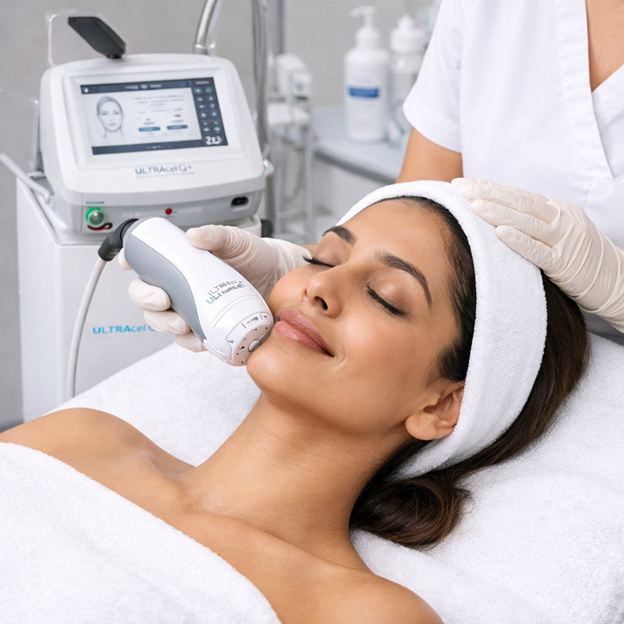
HIFU (High-Intensity Focused Ultrasound) supports this strategy by targeting deeper tissues, including the SMAS, for non-invasive lifting.
The 50s: Restoring Volume, Strength, And Contours
In the 50s, ageing becomes more evident, often shaped by hormonal shifts such as menopause. Skin thins, loses elasticity and becomes drier. On the other hand, structural changes, including bone loss and fat redistribution, reshape facial contours. Research also shows that weakened barrier function and lower oil production increase dryness and fragility, and ongoing collagen decline reduces both density and firmness. Treatment at this stage is aimed at restoration.

Skincare routines become richer, with emollient moisturisers, peptides, and barrier-repair ingredients enhancing hydration and resilience. Retinoids remain important but are combined with nourishing formulations to minimise irritation. Clinical interventions take a more structural approach: dermal fillers restore midface volume, enhance jawline definition, and rebuild overall facial support. HIFU continues to lift deeper tissue layers, and RF microneedling encourages ongoing collagen production. Combination treatments applied over time produce the most natural and durable outcomes.
The goal in this decade is clear: not subtle delay, but restoring structure, density, and support while maintaining natural proportions, addressing both the surface and deeper aspects of ageing.
Why Combination And Timing Define Outcomes
One of the most significant shifts in aesthetic dermatology is the move toward combination therapy. Ageing does not occur at a single level and therefore cannot be addressed with a single solution. Neuromodulators decrease muscle-driven lines. Fillers restore volume. Energy-based devices stimulate collagen. Skin treatments improve hydration and texture. When merged strategically, these interventions commonly lead to results that are balanced and gradual.
Timing here plays an essential role. Procedures, including chemical peels, laser treatments and microneedling, can cause photosensitivity. Consequently, planning these treatments ahead of high-UV periods allows the skin to recover. Also, it helps in reducing the risk of post-inflammatory hyperpigmentation, particularly in Indian skin types.
A staged approach, beginning with muscle modulation, followed by volume correction, and then collagen stimulation, ensures that results evolve naturally without appearing abrupt.

Safety, Customisation, And Realistic Expectations
Although aesthetic treatments are increasingly available, outcomes rely heavily on practitioner skill and judgement. Performed by trained professionals, most procedures are safe. The most common side effects usually are temporary redness, swelling, or minor bruising.
Equally important is understanding limitations. Non-surgical treatments cannot replicate the results of surgical procedures in advanced ageing, but they can deliver meaningful improvement with significantly less downtime.
Customisation remains central. Skin type, lifestyle, hormonal changes, and environmental exposure all influence how ageing manifests. A standardised approach thus leads to over- or under-treatment, while personalised dermatology care plans ensure more balanced outcomes.
A Shift From Reaction To Strategy
The 30-40-50 rule focuses less on chronological age and more on how ageing naturally unfolds. Each decade presents unique biological changes that call for tailored approaches in place of generic solutions. The modern approach to dermatology values careful, measured management of ageing rather than radical change. The most effective results are gradual, layered as well as aligned with the body’s natural processes. The goal is not to look different but to age intentionally, maintaining balance, proportion and, most importantly, continuity while embracing the natural evolution of one’s appearance.
Dr. Priyanka Sharma is the Co-founder, Director, and Chief Dermatologist at V6 Clinics.