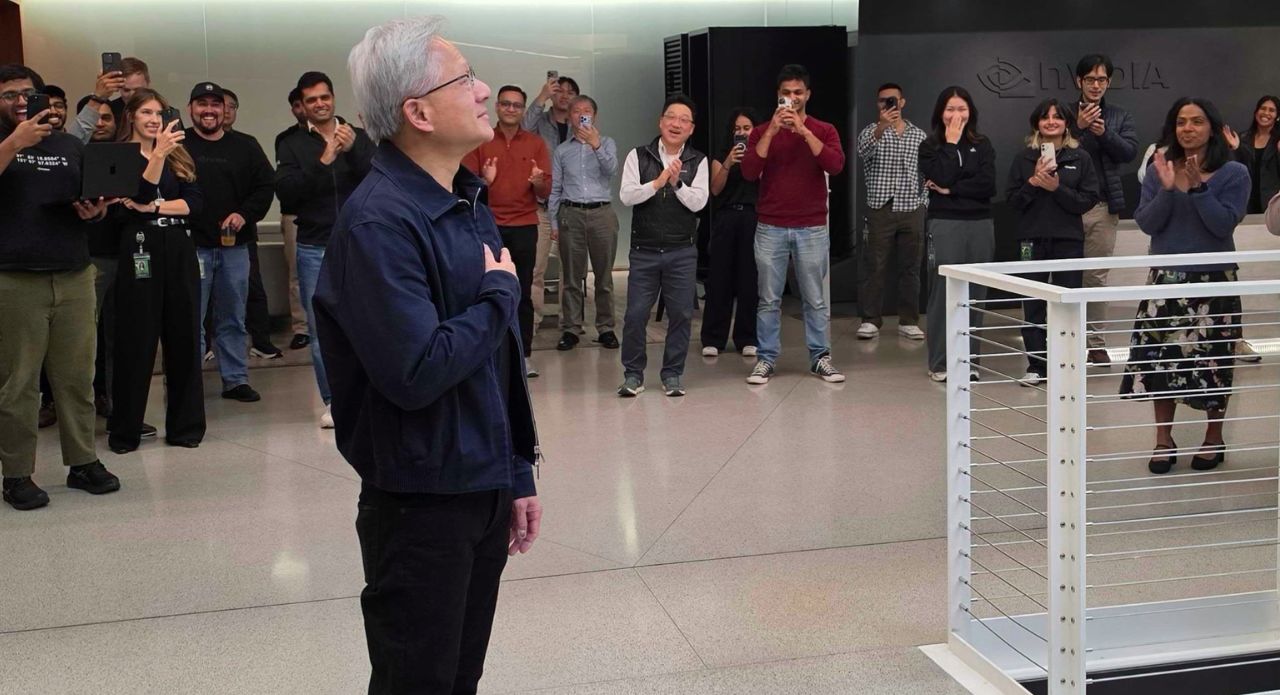


Just as Nvidia is instantly recognised by its signature green and black, Jensen Huang has built a distinct visual identity around his black leather jacket. Whether addressing audiences at major technology conferences, delivering Nvidia keynotes or appearing at industry events, the chief executive has made the jacket a defining part of his public persona. His recent return to Nvidia’s headquarters, however, offered a departure from the familiar look. Huang stepped out in a navy cotton zip-up, believed to be from Dior, swapping his signature leather for something considerably more understated.
The change comes at an interesting juncture for the Nvidia chief executive’s relationship with fashion. On November 18, animal rights organisation People for the Ethical Treatment of Animals (PETA) announced that it had sent Huang an $875 olive-based vegan leather jacket from Italian label Benedetti Life. The gesture was intended to encourage him to move away from animal leather. While there is no confirmation that Huang has received or accepted the jacket, the proposal has brought an unusual material into the conversation around his signature style.
An Unusual Fashion Pitch
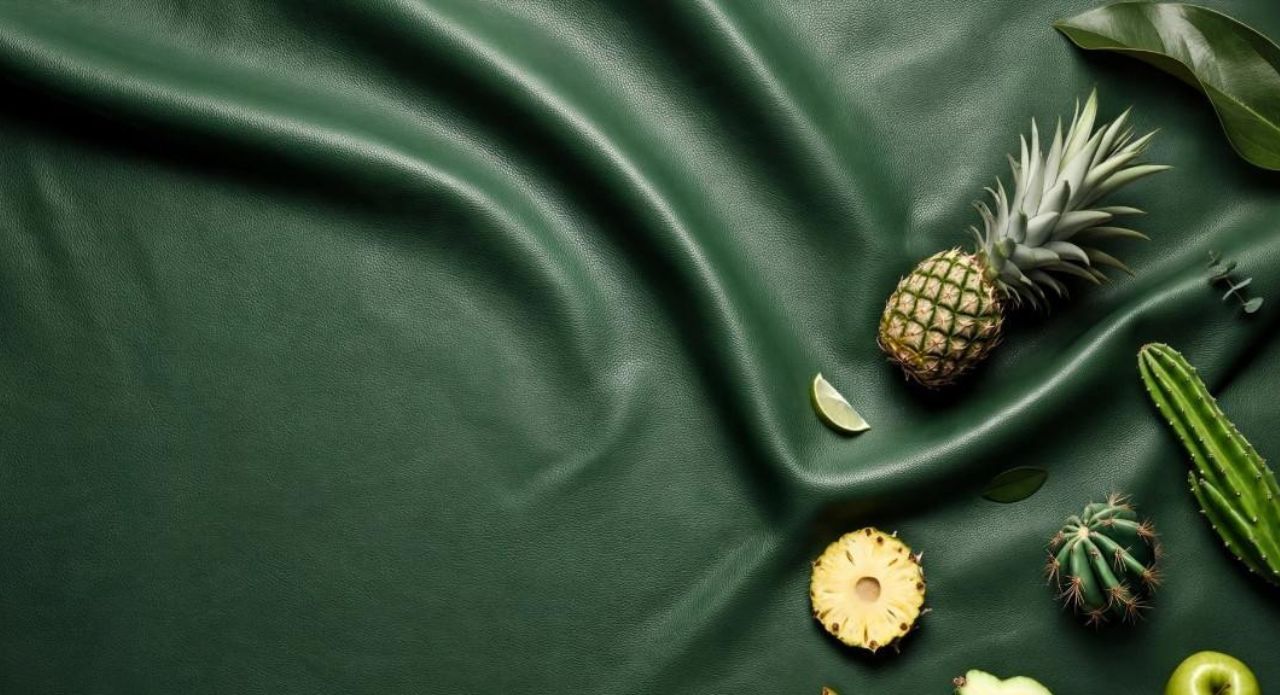
There is an interesting story behind the jacket PETA has chosen for Huang. Created by Italian label Benedetti Life, the design moves away from conventional animal hide and turns to an unlikely source of inspiration, the olive industry. Its material, Biotex, incorporates waste generated during olive processing, giving discarded agricultural matter a second life in fashion. According to the label, the fabric comprises 95% Biotex and five per cent polyurethane, finished with an organic cotton lining.

The idea speaks to a larger shift taking shape across the fashion industry, where materials once considered waste are finding their way into contemporary wardrobes. Discarded apple skins, grape residues and cactus fibres have all entered conversations around alternatives to conventional leather.
Also Read: Jensen Huang Is Back: The Billionaire CEO Whose Signature Leather Jackets Became A Luxury Statement
What makes these experiments particularly interesting is the challenge they present to designers. Can materials developed from agricultural waste offer the texture, finish and longevity that consumers have come to expect from luxury leather goods?
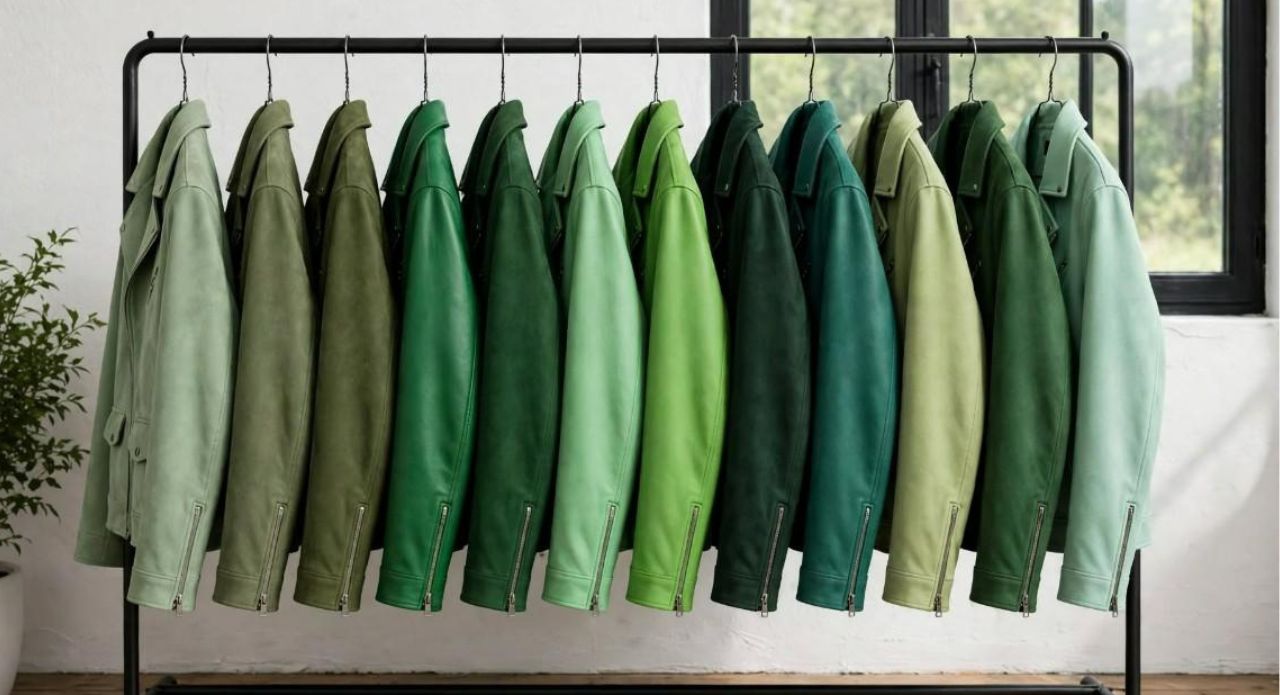
What Comes After Leather?
Huang’s wardrobe makes this proposition particularly interesting as his leather jackets have become a recognisable part of his public image. The Nvidia chief has previously revealed that his wardrobe includes around 30 to 40 leather jackets, with designs by Tom Ford, Burberry, Dior and Dunhill among his collection. The fascination surrounding these pieces has even extended beyond his own wardrobe. In July 2026, a signed Tom Ford jacket belonging to Huang fetched $960,000 at a Sotheby’s charity auction, offering an unusual glimpse into how a personal style signature can acquire a value of its own.
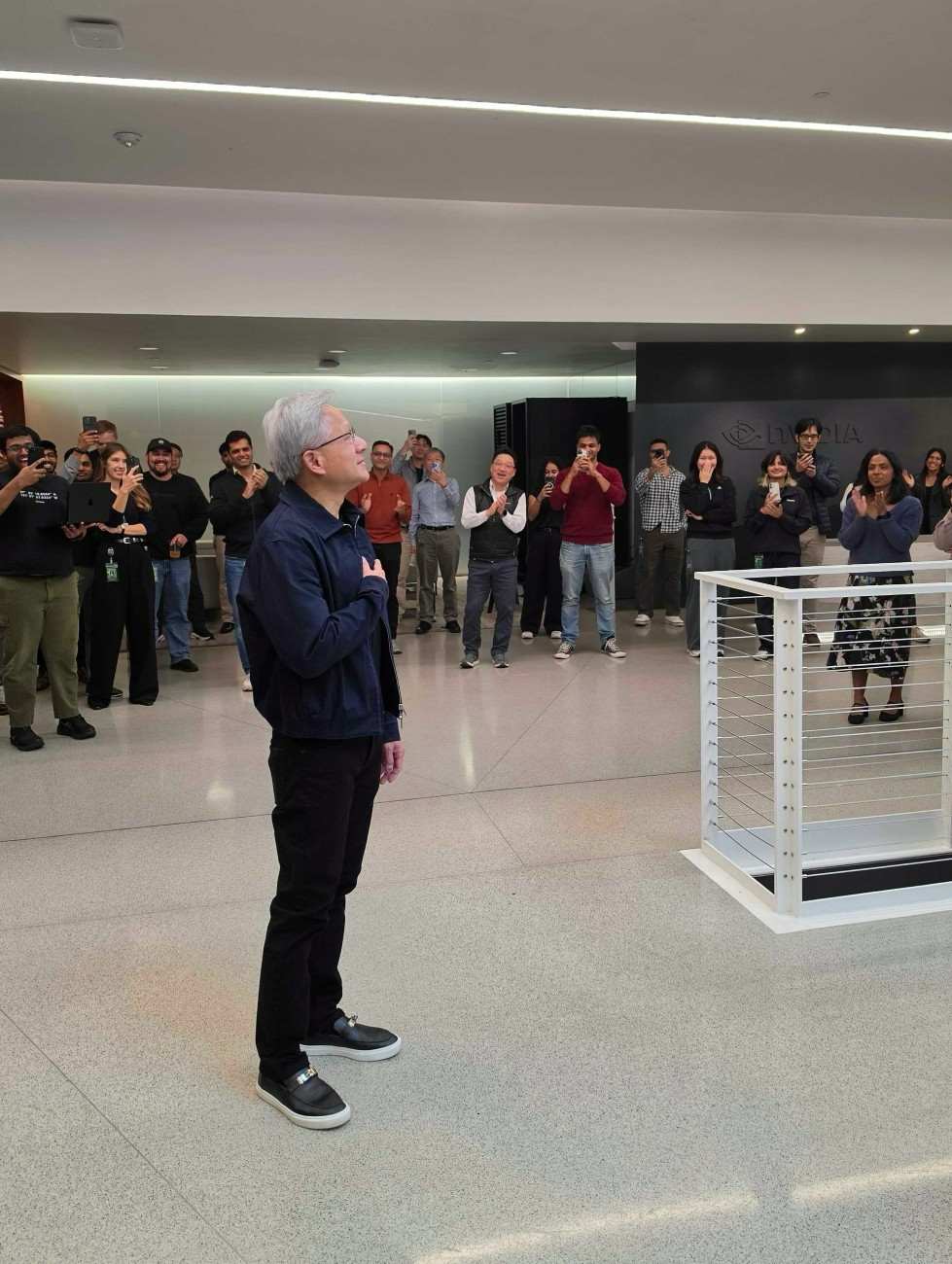
His recent appearance in a navy cotton zip-up adds another dimension to this conversation. While the switch may simply have been a change of wardrobe, it brings attention to the materials that shape our everyday style choices. Cotton, for instance, is often associated with more conscious dressing, but its environmental footprint varies considerably depending on cultivation, water consumption, processing and finishing. Vegan leather, too, comes with its own complexities. A plant-based label does not necessarily make a material biodegradable, particularly when synthetic components such as polyurethane are part of its construction.
Also Read: Jensen Huang’s House: Inside The Nvidia CEO’s Home And Lifestyle
The challenge for these emerging materials is to offer the finish, durability and desirability that luxury fashion demands while taking a more considered approach to sourcing. Huang may not have adopted the olive-based jacket yet, but the proposition definitely raises an interesting possibility. The question now is whether what luxury fashion is made of could become as important as who makes it.