

Luxury has traditionally been associated with craftsmanship, quality, creativity and desirability. However, the conversation is increasingly turning to how products are made, where their materials come from and what their production means for the planet. Sustainability is no longer a conversation confined to environmental activists or a handful of conscious consumers. It is becoming an important consideration for fashion houses, designers and customers alike.
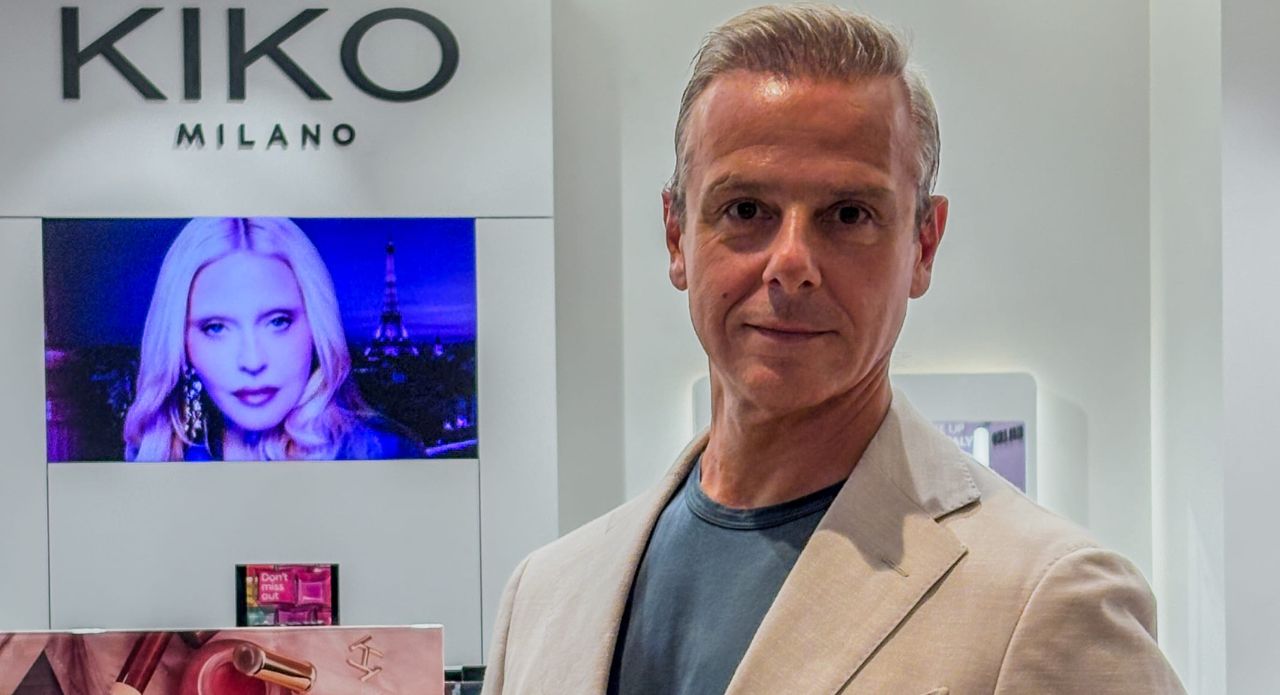
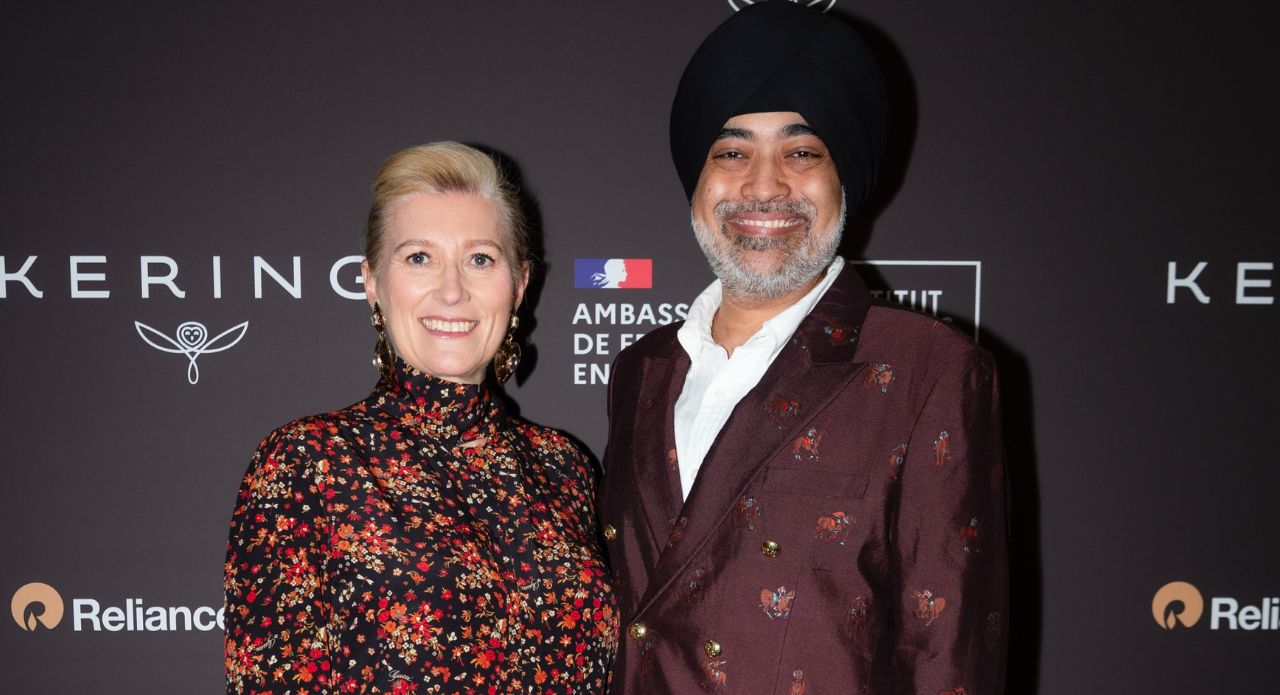
Expressing her stance on the idea of luxury in today’s world, Marie-Claire Daveu, Kering’s Chief Sustainability and Institutional Affairs Officer, shared that responsibility and luxury are not opposing ideas. In this exclusive interview with Outlook Luxe, held in connection with the Kering Generation Award at Lakmé Fashion Week, she explains how sustainability can encourage the industry to rethink its practices without losing sight of what makes luxury desirable.
“Luxury and sustainability can go hand in hand, and it’s a benefit,” she said.

Rethinking Luxury Design
At Kering, sustainability is approached as an opportunity to encourage innovation rather than a restriction on creativity. Daveu pointed to the use of regenerative cotton as one example of how material choices can support more responsible production without limiting a designer’s creative vision. Reducing energy and water consumption during manufacturing can also make production more efficient without compromising the finished product.
The idea is to make responsibility part of the design and production process, rather than treat it as an additional consideration once a collection is complete. This is particularly relevant to luxury, where the quality of materials, attention to detail and creative expression remain central to a product’s appeal.
Consumers, too, are becoming more interested in what lies behind the finished product. Daveu underscored that younger generations are asking more questions about the origins of raw materials, manufacturing practices and the commitments brands make towards sustainability. Social media has given them greater access to these conversations, making it easier to follow a brand’s journey beyond its campaigns and collections.
This growing interest creates an expectation of greater transparency for luxury houses. Daveu believes consumers should feel comfortable asking brands about their sourcing and production practices, regardless of whether regulations require them to disclose every detail. Responsible business practices, in her view, are essential to the industry’s ability to remain relevant as expectations change.
India’s Circular Fashion Opportunity
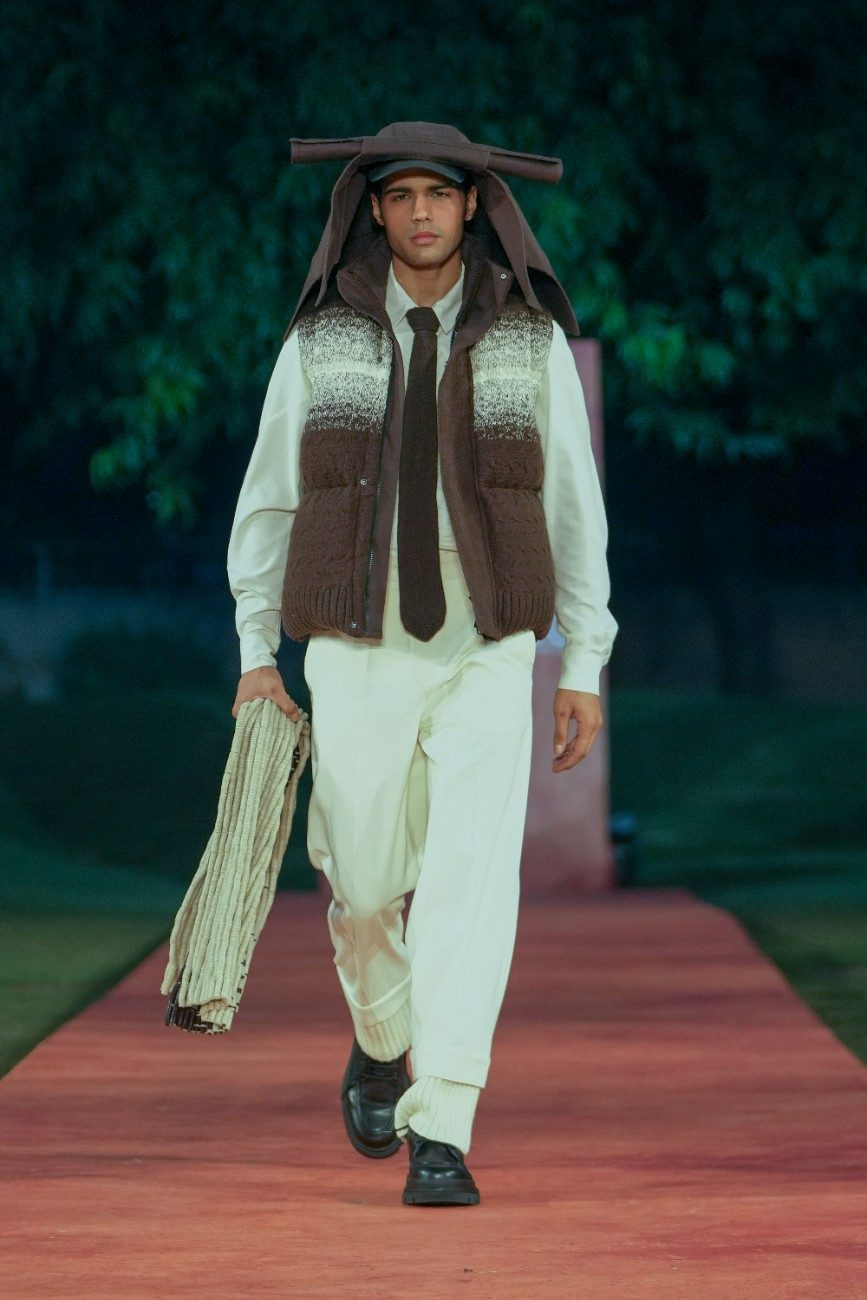
India’s combination of craftsmanship, traditional knowledge and emerging design talent makes it an interesting setting for this conversation. Reflecting on the young designers she encountered, Daveu was encouraged by their ability to bring creativity and beauty together with a concern for people and the planet.
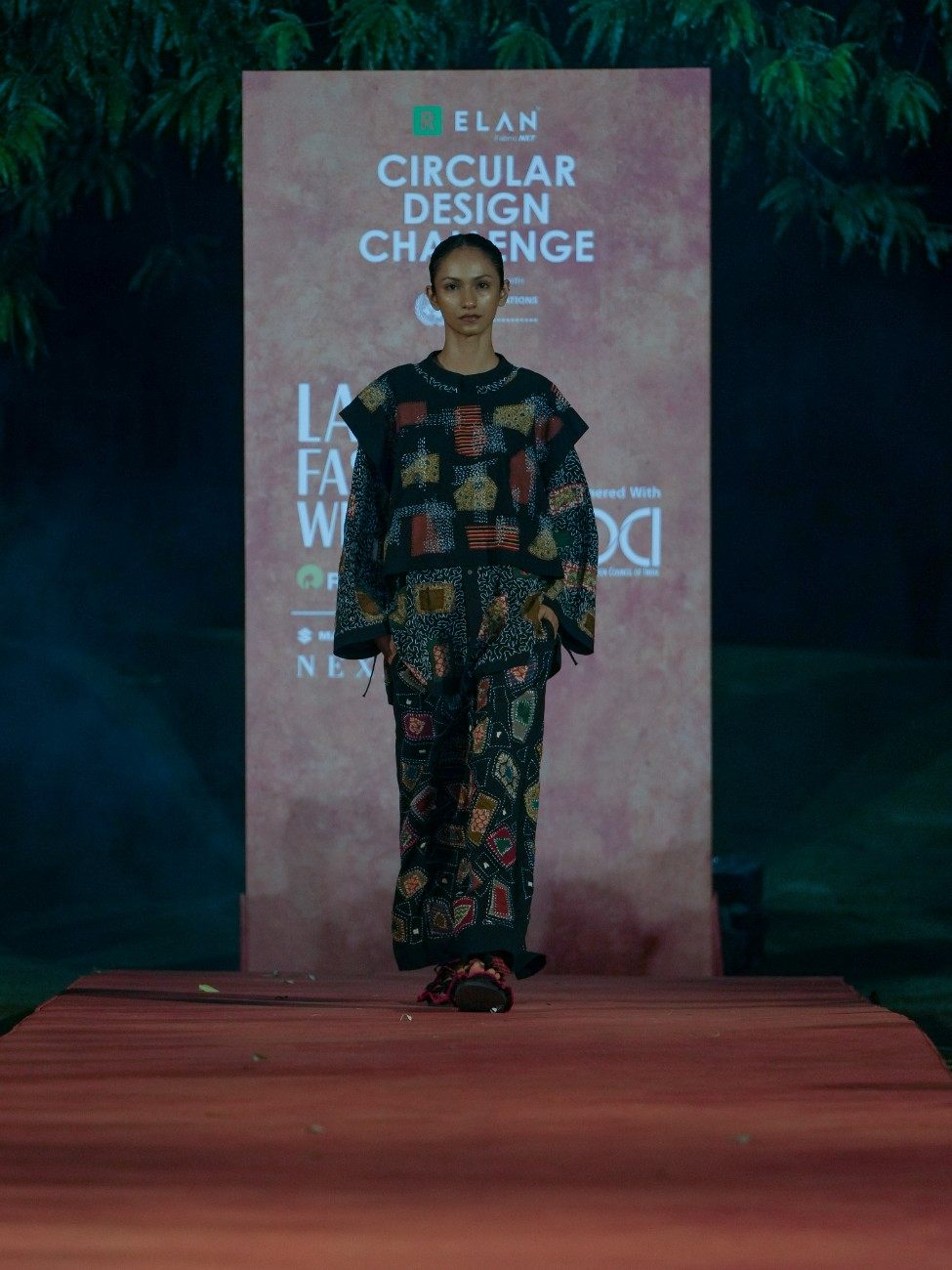
This approach to innovation is also reflected in the Kering Generation Award India, which seeks to support start-ups developing innovative solutions to sustainability challenges. The Kering Generation Award came to India for the first time in partnership with Reliance Brands Limited, with the R|Elan™ Circular Design Challenge, in partnership with the United Nations in India, serving as its exclusive nominating partner. The collaboration creates a route for Indian innovators working in circular fashion to bring their ideas to wider attention.
Also Read: Lakmé Fashion Week x FDCI 2026: Dates, Designers and What to Expect
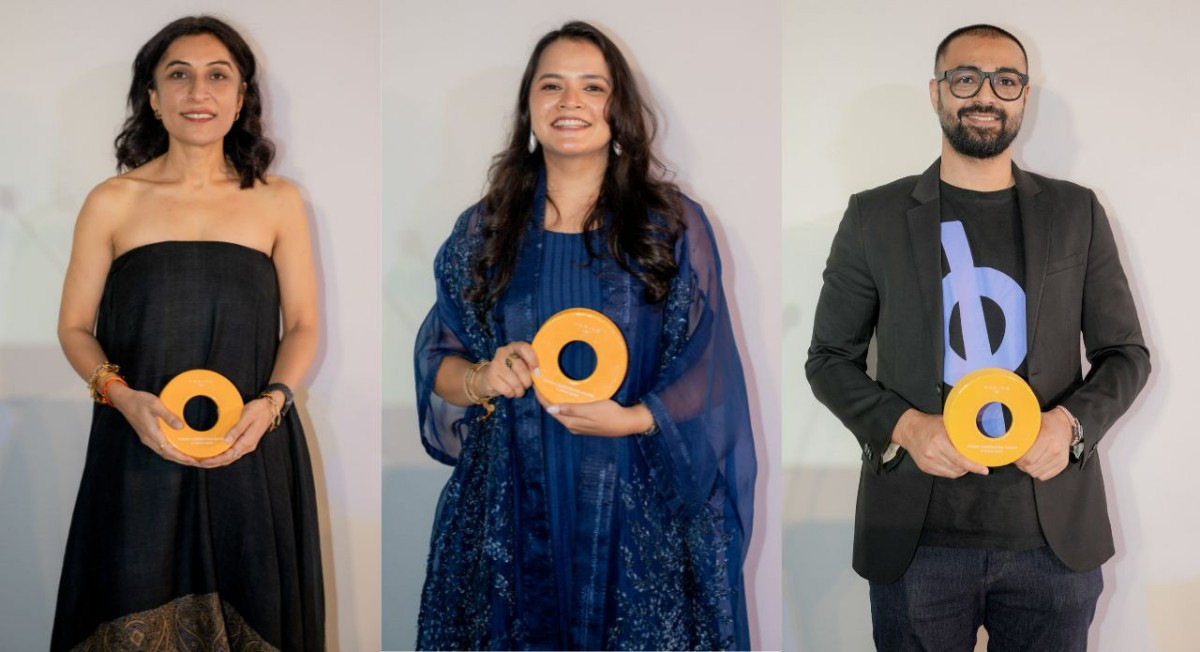
The inaugural edition recognised three winners, i.e., Paiwand Studio, Without® and A Blunt Story. Paiwand Studio, which transforms pre-consumer garment waste into new textiles, won first prize and will receive €50,000. Without® was recognised for its recycling technology, while A Blunt Story was acknowledged for its work on alternative footwear materials. All three winners will also be invited on a fully funded, 10-day visit to Europe to engage with the global luxury and sustainability ecosystem. The winners were announced at the French Embassy in New Delhi on October 13, as part of the Franco-Indian Year of Innovation.
Daveu sees international exchange as an important part of this process. Start-ups in different markets may be working on different challenges, whether they involve sourcing raw materials or finding ways to extend a product’s useful life. Bringing these innovators into conversation can help them learn from one another and explore opportunities to scale their work.
The responsibility also rests with Kering’s individual brands. Sustainability cannot remain an ambition expressed only at the corporate level; it has to translate into decisions made across the business. At the same time, consumers can encourage progress by continuing to ask questions and expecting brands to be accountable for their choices.
As Daveu observes of younger consumers, “They don’t want any compromise about the quality and the creativity, but they pay attention to that.”
That expectation captures the changing relationship between luxury and sustainability. Customers continue to value exceptional design and craftsmanship, but increasingly want to understand the choices behind them. The challenge, for luxury brands, is to meet both expectations, ensuring that responsibility becomes part of the product’s story and the way it is made, rather than a claim attached to it afterwards.