

Conventionally, luxury fashion was seen as a form of visual storytelling, speaking louder than words through rarity, craftsmanship and exclusivity. Yet in a world increasingly shaped by climate urgency, ethical demands and conscious consumption, the environmental concerns reshape consumer expectations, posing a critical question to the fashion industry, can luxury fashion be sustainable and exclusive at the same time?
The debate around sustainable luxury fashion is no longer limited to niche labels. Today, leading houses are investing in responsible sourcing, traceable supply chains and artisanal production methods to reduce the environmental impact of luxury fashion collections while preserving their prestige.
Read More: Why Vintage Couture Is Becoming Luxury’s New Status Symbol in India
One reason luxury fashion sustainability remains challenging is the industry’s reliance on rare materials, complex global supply chains and small-batch production. This tension is reflected both in global discourse and in the work of leading Indian designers.
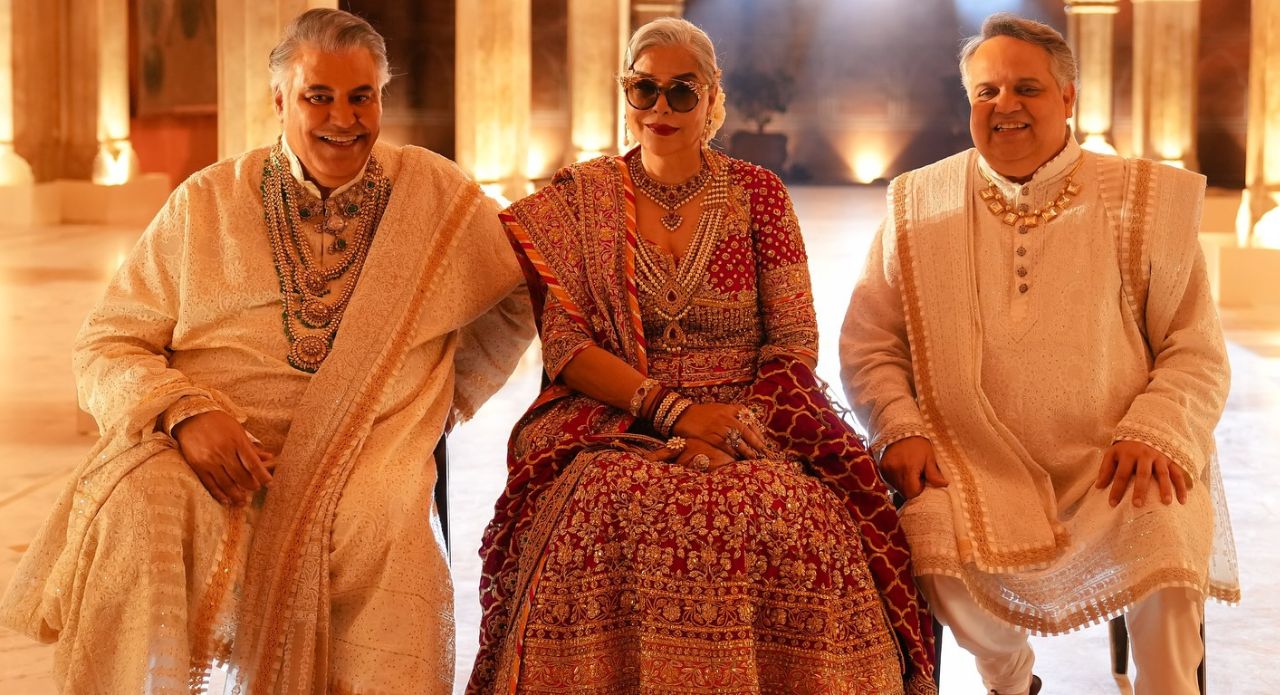
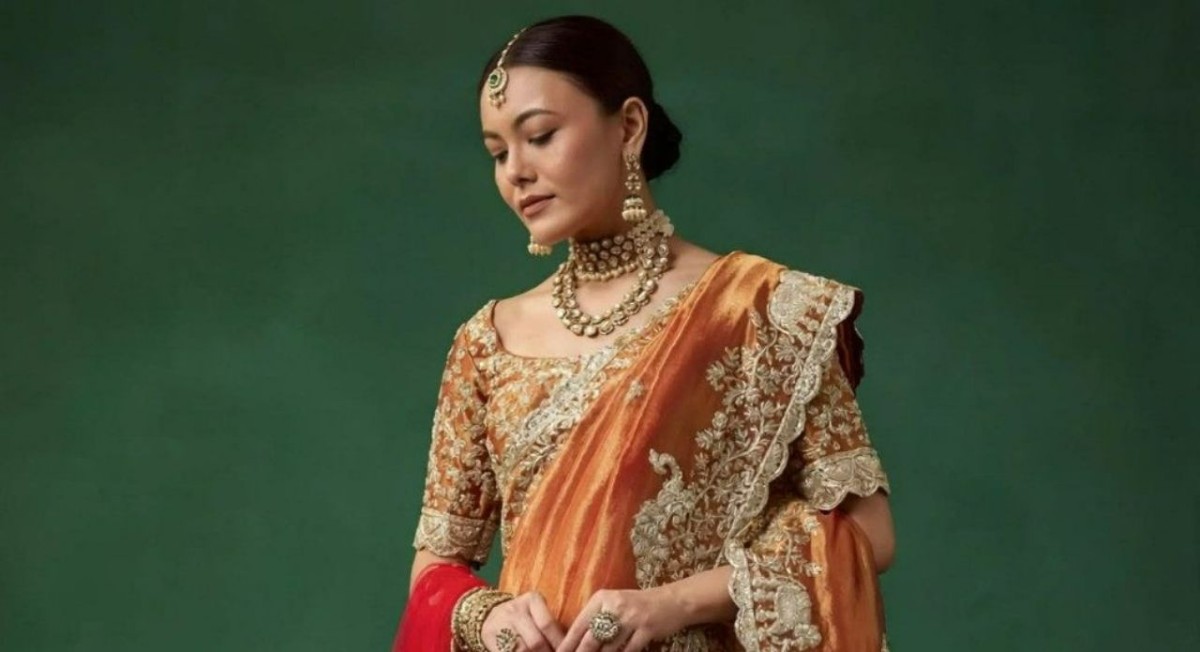
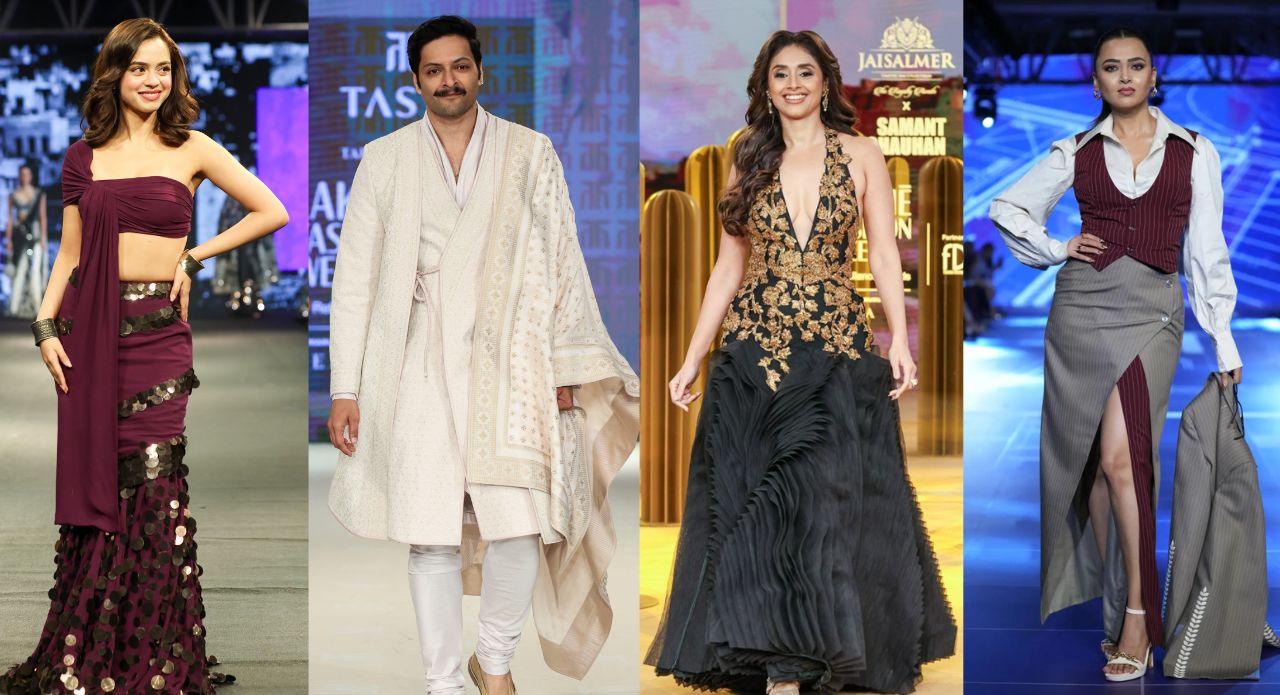
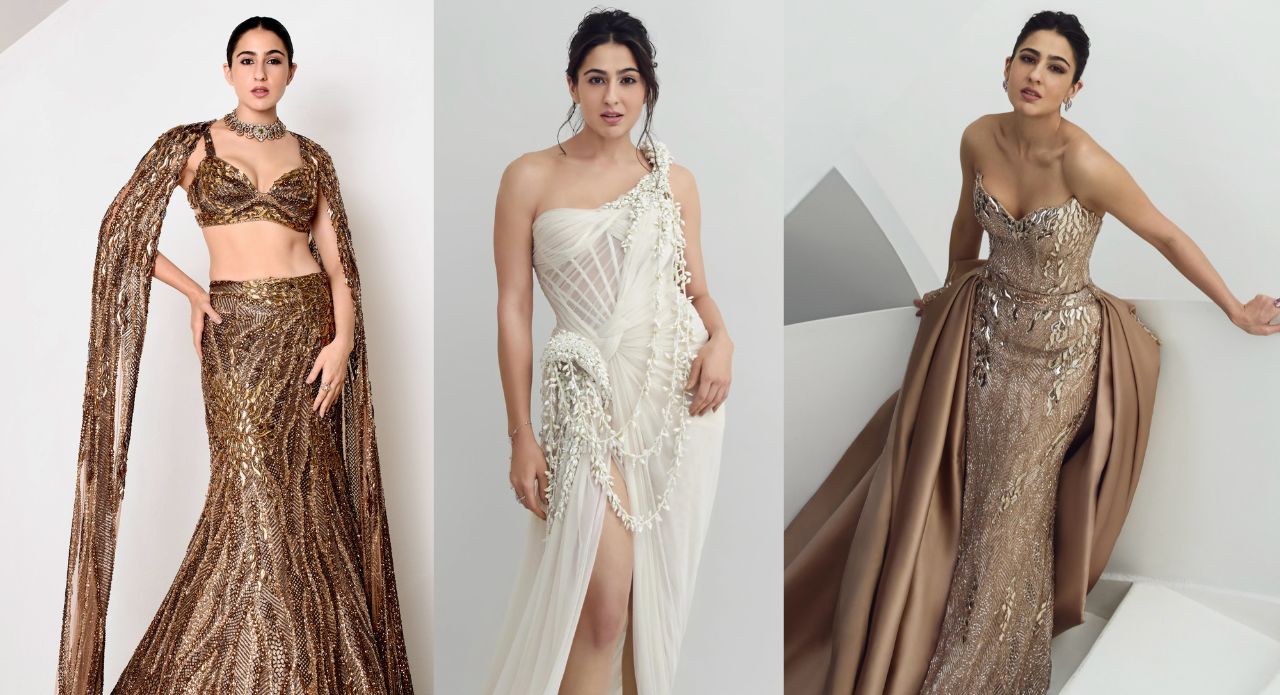
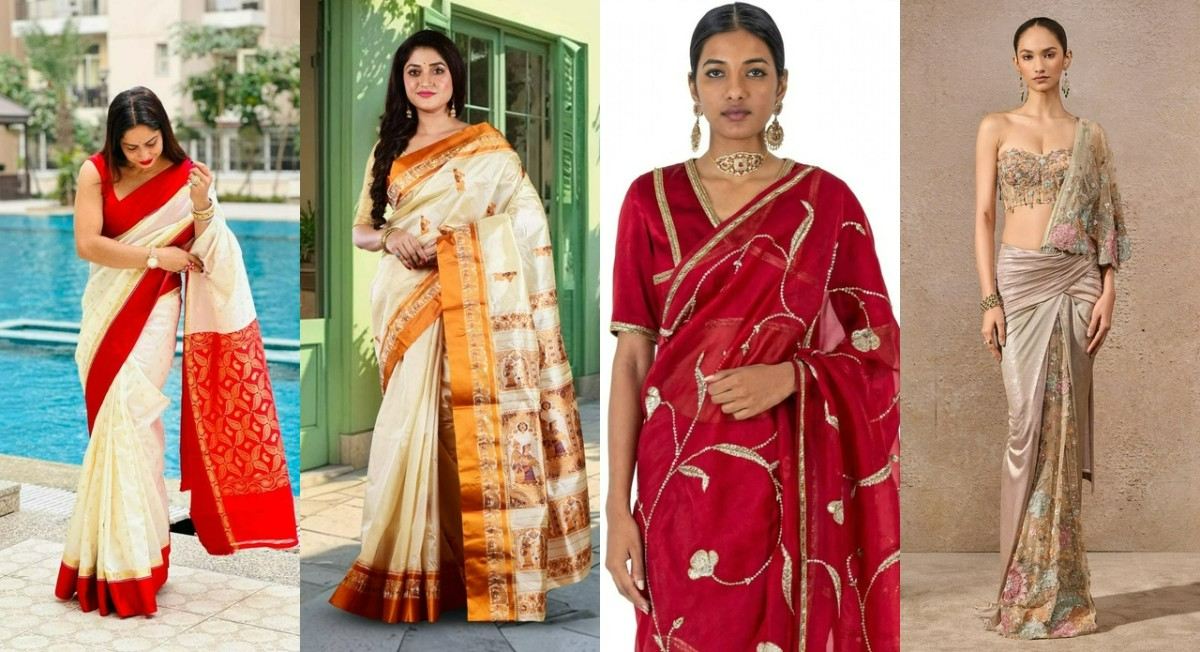
Fashion designer Tarun Tahiliani is a strong advocate of sustainability as the label’s ethos lies as reflected by his website, ‘Traceability, cultural identity, spirituality and sustainability, forms the essence of my work.’ His luxury couture with draped silhouettes, hand embroidery and artisanal textiles gives form to the ethos he stands for.
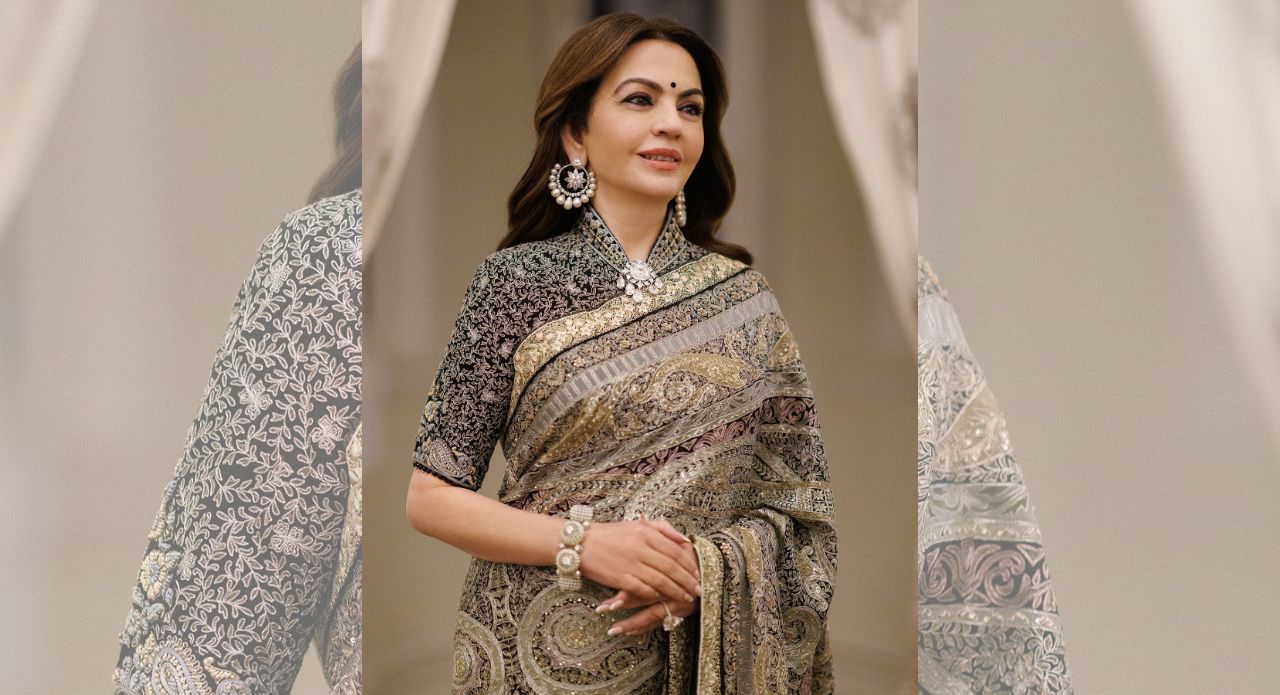
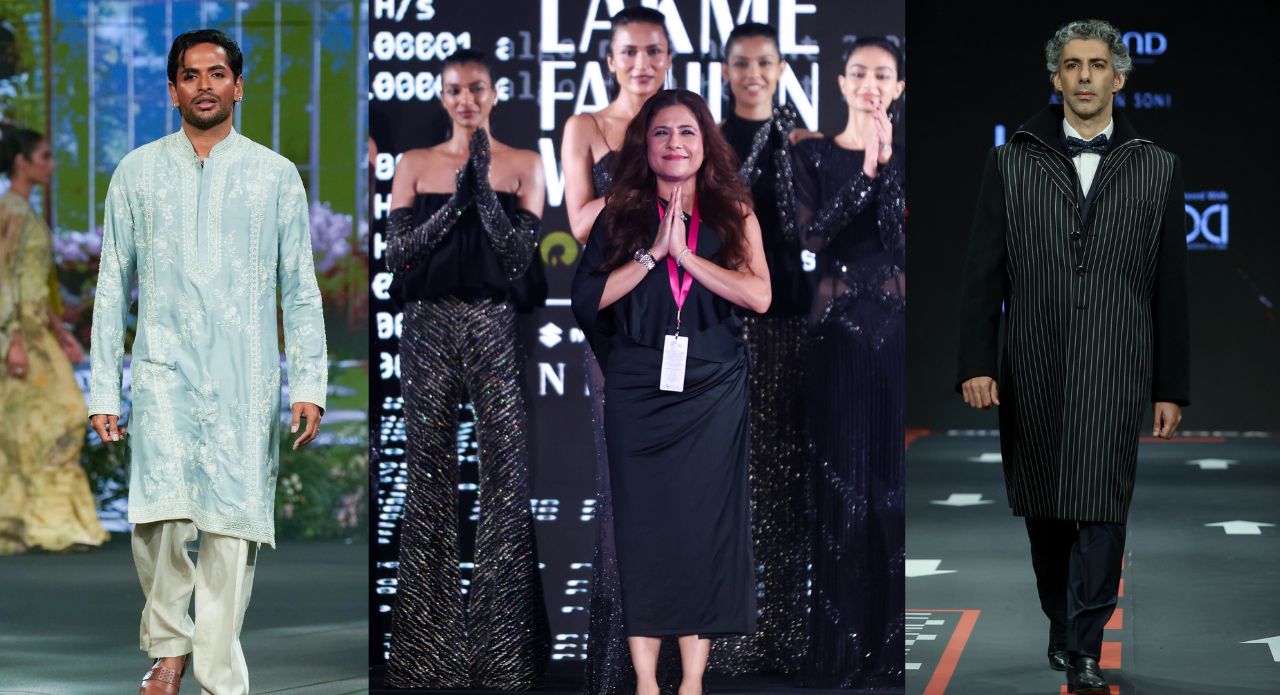
When it comes to Abu Jani Sandeep Khosla, the duo that aces heavily embellished couture, vintage textile recycling and hand embroidery, rooted in a philosophy that rejects exploitative labour, prioritises originality and craftsmanship, and views quality as enduring and central to true sustainability.
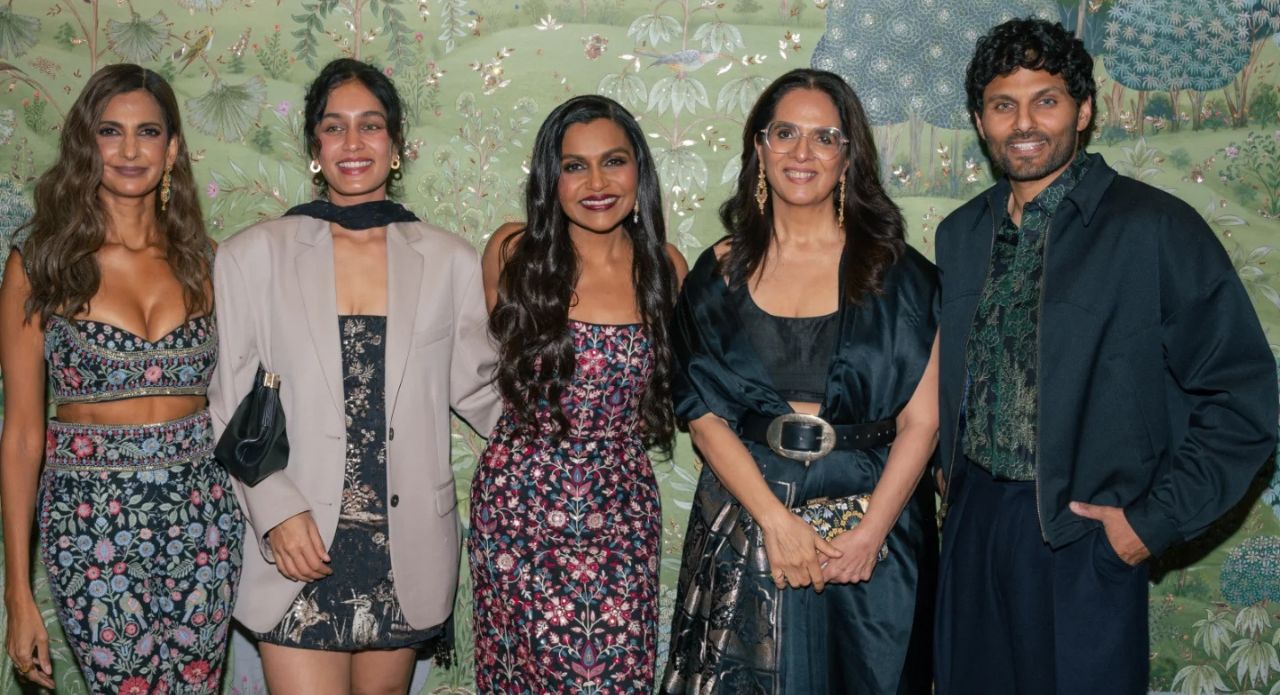
Anita Dongre (Bridal Couture / Grassroot luxury line) – high-end hand-embroidered bridal couture and craft-led ensembles, with select couture and occasion pieces positioned in the luxury segment, focused on artisan empowerment and sustainable craft production.
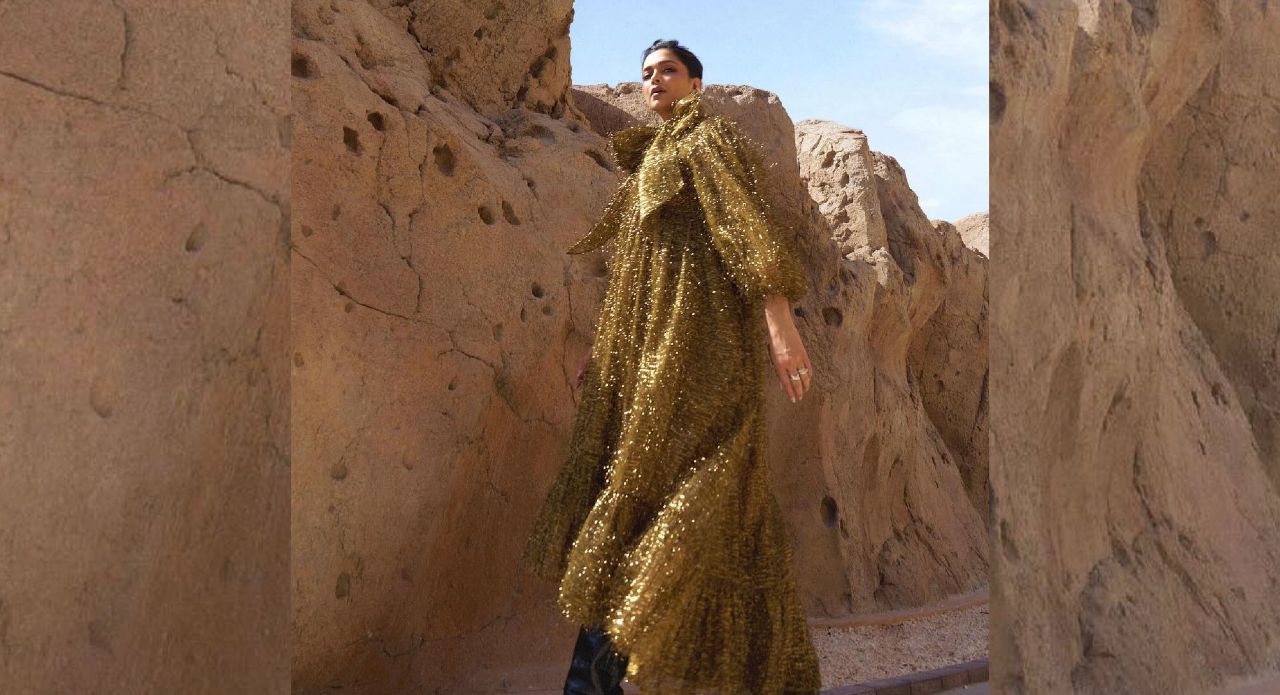
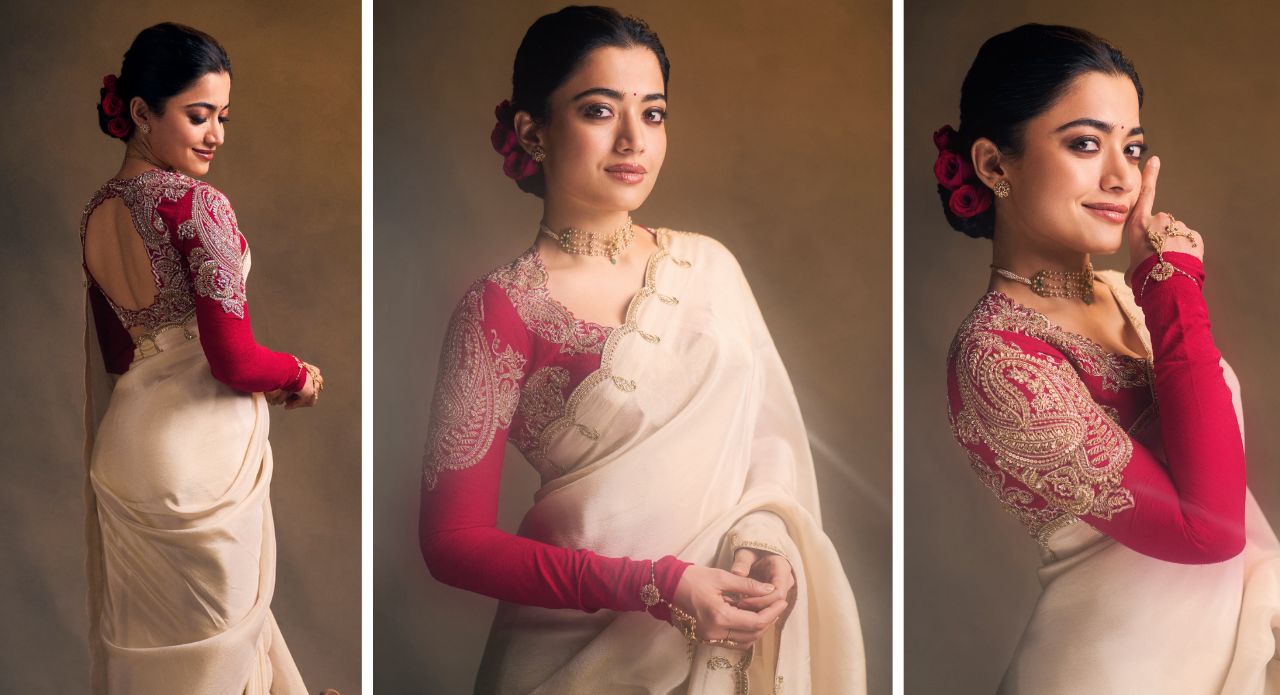
Sabyasachi Mukherjee’s eponymous label is rooted in reclaiming India’s cultural heritage through craft-led luxury, small-batch production and artisanal textiles. Built as a global Indian luxury house, it prioritises heritage preservation, hand craftsmanship and sustainable production practices, redefining sustainability as cultural continuity and longevity rather than trend-driven consumption in high-end couture and bridal fashion.
Many ethical luxury brands are turning to certified organic fibres, regenerative agriculture, recycled precious materials and innovative textiles. The focus is not only on creating eco-friendly luxury clothing but also on maintaining durability and desirability. As a result, sustainable designer fashion is becoming less about compromise and more about innovation.
Read More: Bodice’s Fashion Showcase Makes a Case for Sustainable Fashion
Exclusivity, meanwhile, continues to be a cornerstone of luxury. Many brands are introducing limited-edition fashion drops and sustainable limited-edition luxury fashion collections that combine rarity with responsible production. These collections often feature artisanal techniques, local sourcing and smaller production runs, reinforcing both exclusivity and sustainability.
Another key aspect is sustainable fashion craftsmanship. Luxury houses increasingly highlight handcraft traditions, repair services and product longevity, encouraging responsible luxury consumption rather than frequent replacement. This approach aligns with the growing interest in circular fashion in luxury, where resale, restoration and recycling extend a product’s lifecycle.
Consumers are also driving change. Industry studies suggest that affluent shoppers are increasingly willing to pay a premium for products that align with their values, raising the question: Are consumers willing to pay more for sustainable luxury fashion? For many, transparency, quality and ethical production enhance a product’s appeal and long-term value.
Ultimately, how luxury brands balance exclusivity and sustainability will shape the future of the sector. While challenges remain, the rise of exclusive fashion collections built around ethics and craftsmanship suggests that luxury’s next evolution may be defined not only by rarity, but also by responsibility.