

At Watches and Wonders, the world likes to pretend it is discussing engineering, heritage, and mechanical brilliance, but let us be honest, most people are staring at price tags while trying not to look shocked. Because this is the grand theatre of watchmaking, where tourbillons float, perpetual calendars whisper, and someone casually tells you a steel sports watch costs more than a family sedan. Yet hidden beneath the madness are the truly clever pieces, the watches that deliver serious horology without requiring you to sell ancestral property. Under Rs. 10 lakhs, the game becomes far more interesting, this is where brands stop shouting and start proving themselves, where refinement matters more than flexing, and where a proper enthusiast finds substance instead of just spectacle. These are not compromises. These are the watches that quietly remind you luxury is not about excess, it is about getting everything exactly right.
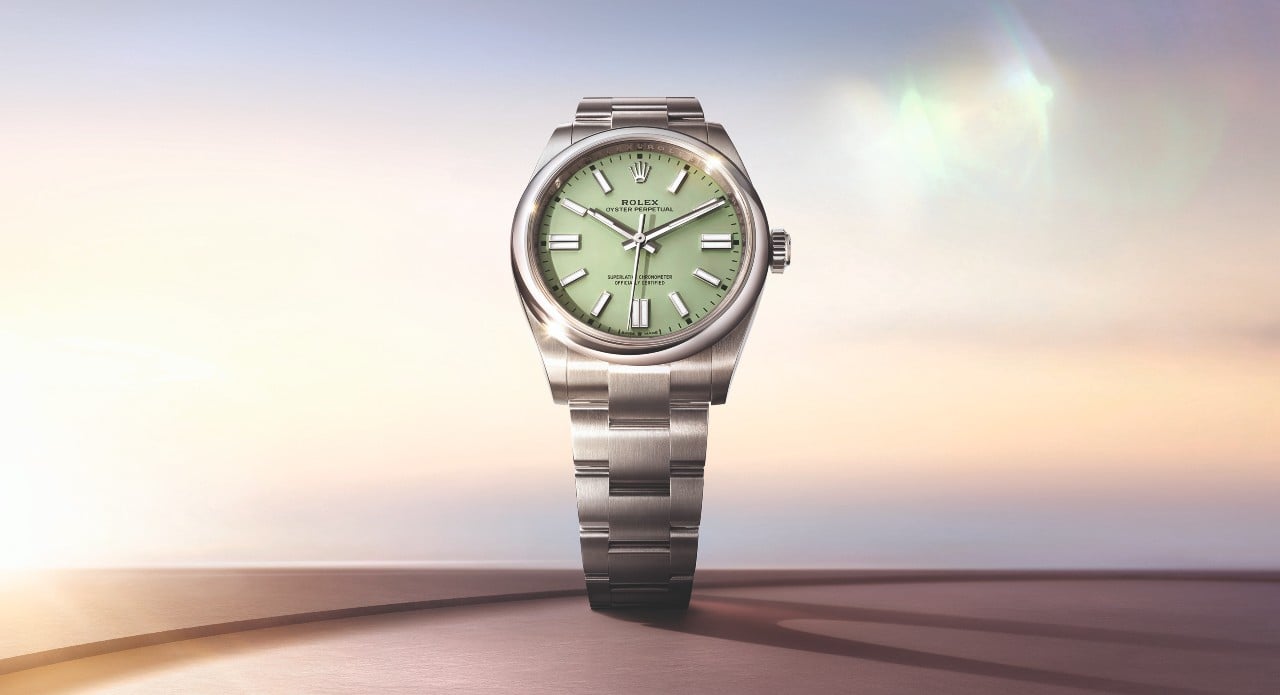
Rolex Oyster Perpetual 100th Anniversary
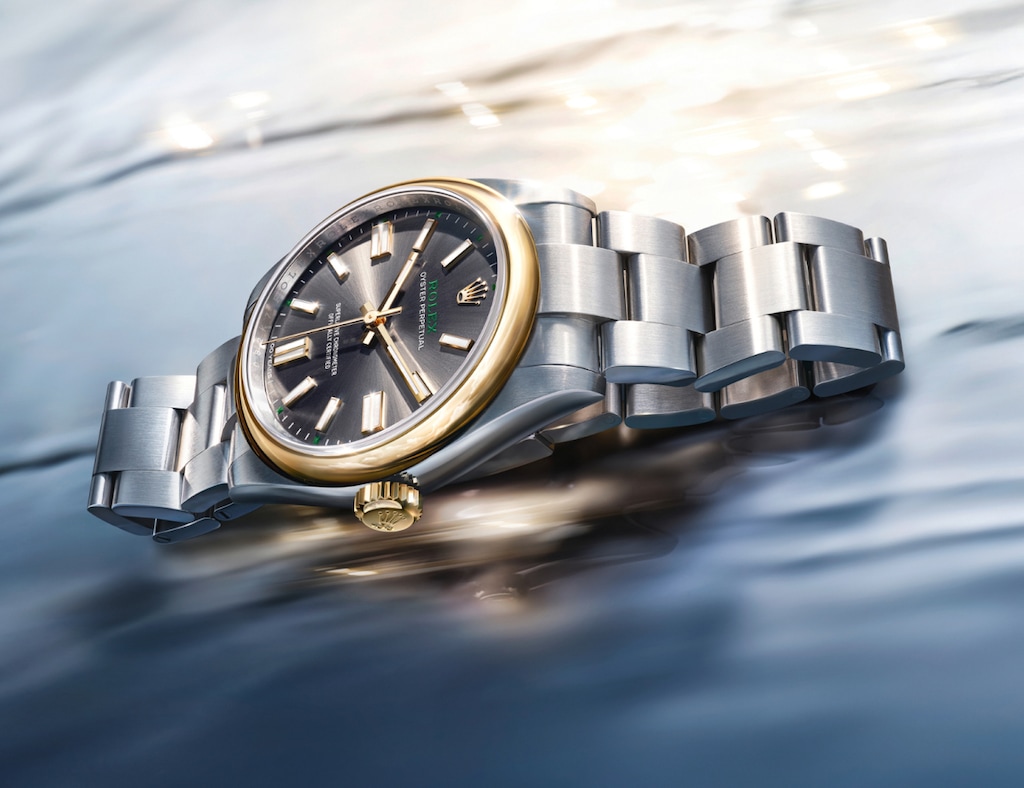
And then, of course, there is Rolex, a company so deeply woven into the idea of watchmaking that even people who know absolutely nothing about watches will still nod knowingly when you say the name. This year, it celebrates 100 years of the Oyster case, which is rather like celebrating the invention of the front door because, frankly, everything that came after copied it. The screwed caseback, the screw down crown, the reassuring sense that your watch might actually survive contact with the real world, the Oyster case quietly became the industry standard while everyone else was still trying to work out how to keep the rain out. To mark the occasion, Rolex has released several new versions of its most essential watch, the Oyster Perpetual, a model so clean and understated it almost feels like the brand saying, “We do not need to show off, everyone already knows.” The headline act is the Oyster Perpetual 100th Anniversary, presented in a 41mm case, though it also arrives in 36mm and 31mm versions for those with more sensible wrists. The formula itself remains unchanged because when something works this well, fiddling with it would be idiotic. But there are celebratory touches: gold on the bezel and crown, a new grey dial, gold hands, and applied markers that give it just enough distinction without ruining the elegance. The little “100” details on the lower dial and crown may divide opinion slightly, and yes, they do feel a touch like putting balloons on a Bentley, but the watch itself is still magnificently done. At Rs. 10 lakhs (approx.) considering the gold elements, the finishing, and the small matter of that crown on the dial, it remains one of those rare luxury purchases that can still make a case for being sensible.
Panerai Luminor PAM01731
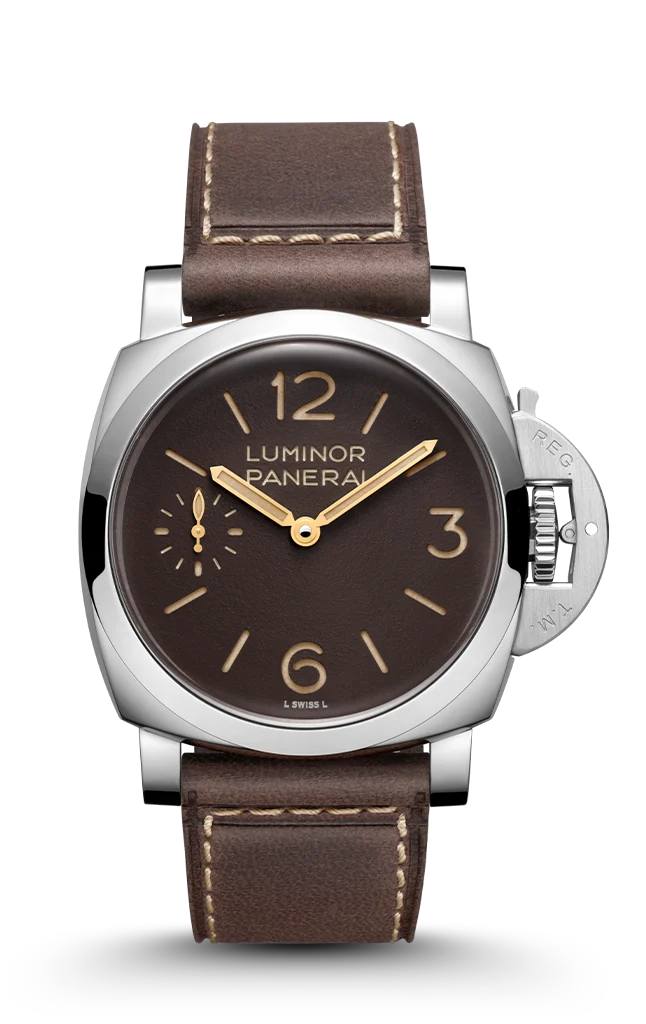
After several years of high-end watches and divisive designs, Panerai goes back to its roots this year with classic Luminor watches inspired by its rugged military tool watches of the past. Released as a pair including a Destro model (PAM01732), the recipe is surely expected but well executed. The classic PAM01731 model, with its crown on the right side and a matte black dial, represents the essence of what a Panerai should be: large (44mm), clean and sleek, vintage-inspired, water-resistant (300m) and powerful. Inside is the in-house, hand-wound P.6000 movement, with 3 days of power reserve. Priced at Rs. 9.9 lakhs (approx.), it is far from being cheap, but in the current market, it remains a solid model that will age beautifully and will be seen as a classic.
Frederique Constant Worldtimer Manufacture
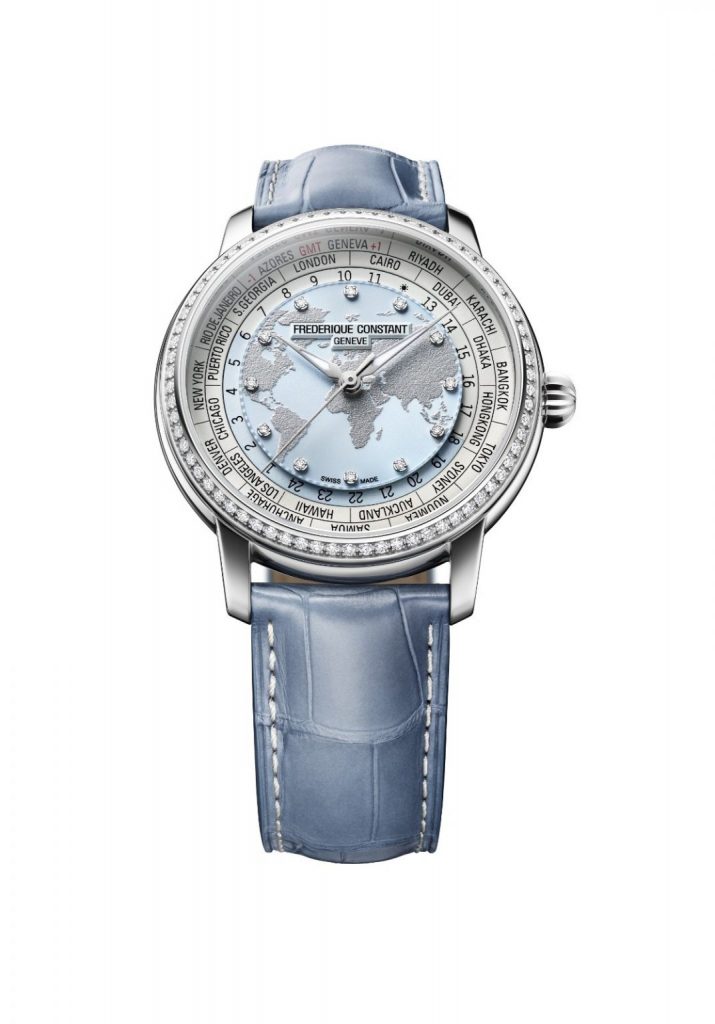
When it comes to accessible watchmaking that still manages to look like it belongs in first class, Frederique Constant is usually sitting near the front, looking quietly pleased with itself. And at Watches and Wonders, it arrived with a thoroughly reworked version of its Worldtimer, which is rather like taking a perfectly good grand tourer and making it faster, sharper, and somehow more civilised at the same time. The new model is leaner at 40mm, which means it now sits on the wrist with far more elegance and far less shouting. More importantly, the awkward correctors on the case sides have vanished entirely. Everything is adjusted through the crown, which means you no longer need the patience of a surgeon or the fingernails of a concert pianist just to set the thing while hopping between time zones. The dial, too, has had a proper tidy up. Gone is the overlapping date disc that cluttered the view, leaving the city ring and 24 hour disc free to breathe, while the beautifully executed 3D central map reminds you that this is a watch designed for people who prefer airports to offices. Underneath, the movement now runs on the latest in house base with a healthy 72-hour power reserve, which means it will keep going long after your weekend plans have collapsed. Available in three versions, with the classic models priced at Rs. 5.5 lakhs (approx.), it remains one of the most convincing true world timers you can buy without having to sell something expensive first.
Favre-Leuba 1737 Triple Calendar
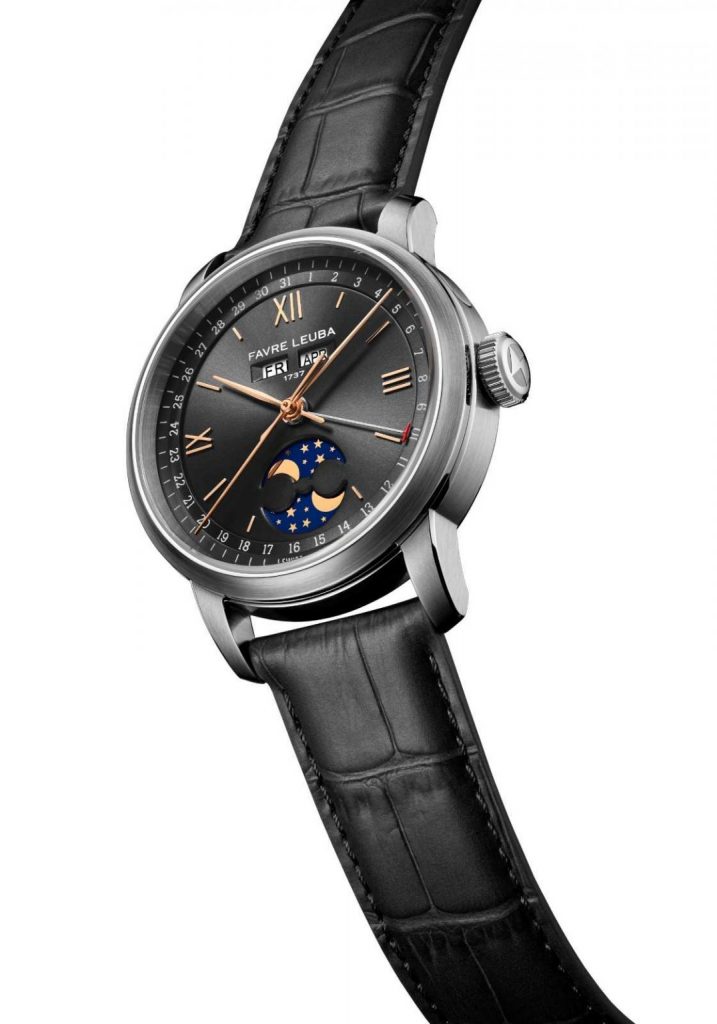
There are watch brands that quietly return to relevance, and then there is Favre-Leuba, which seems to have walked back into the room with the confidence of someone who knows exactly where the good whisky is kept. After making noise with pieces like the vintage-flavoured Deep Blue Revival, the Sea Sky Revival chronograph, and the rather sharp Chief Skeleton, the brand has now turned its attention to the sort of watch category that never shouts but always gets noticed: the classic dress watch. Enter the 1737 collection, named after the year the brand first began, because if you have heritage like that, you may as well put it on the dial. The opening act is a Triple Calendar that is gloriously old school in the best possible way, with day and month tucked neatly into twin windows at 12 o’clock, a pointer date sweeping around the edge, and a moonphase sitting proudly at 6 o’clock like it owns the place. At 39mm, it is properly proportioned, the silver dial is crisp and elegant, and even the movement, built on a Sellita base, has been given the sort of rose gold plated finishing that makes you want to turn the watch over just to admire it. Best of all, it comes in at Rs. 4.25 lakhs (approx.) which in modern watchmaking terms is practically an act of kindness.
Oris Star Edition
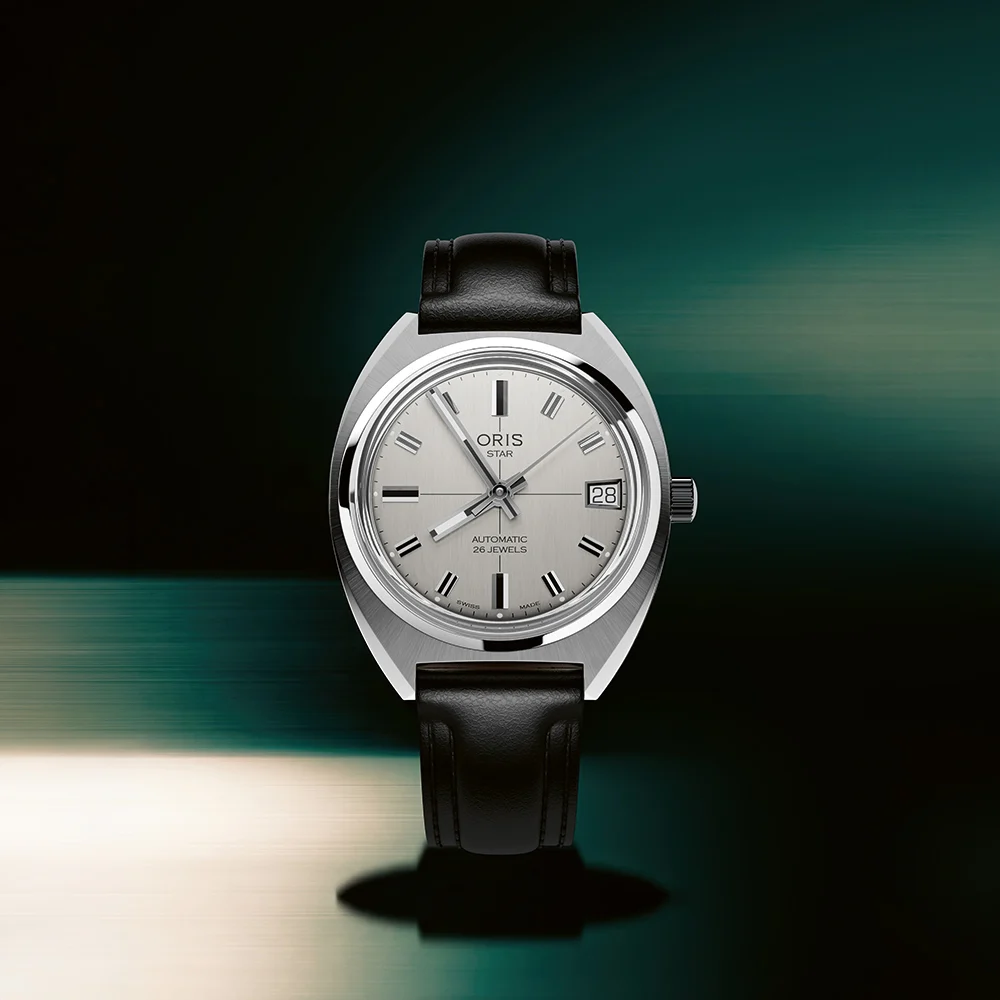
Some watches are complicated feats of engineering, stuffed with enough mechanisms to power a small submarine. And then there are watches like the Oris Star, which is refreshingly honest. No fireworks, no pointless theatrics, just proper watchmaking with a story that matters. And in this case, quite a lot of history as well. Back in 1966, this watch was more than just another model rolling off the production line. It was Oris planting a flag and declaring, rather firmly, that it had no intention of being told what sort of movements it was allowed to use. With the help of Dr Rolf Portmann, the brand successfully challenged the rather restrictive 1934 Swiss Watch Statute, which had effectively kept it chained to inferior pin lever movements. The result was freedom to use proper Swiss lever escapements, and the Star became the first watch to carry that independence on its dial. This new edition stays wonderfully loyal to that spirit. It arrives in a neat 35mm by 11mm barrel shaped stainless steel case with integrated lugs, a clean silver dial, and the kind of minimalist charm that makes modern oversized watches look like attention seekers. There is even a vintage Plexi crystal and that delightfully odd trapezoidal date window at three o’clock, because some quirks are worth preserving. Inside, there is no elaborate mechanical theatre, just the dependable and easy to service Sellita SW200, which is exactly what a watch like this should have. And because Oris has remembered that good taste does not need to be financially ruinous, it offers all of this for Rs. 2 lakhs (approx.), which feels almost suspiciously sensible.