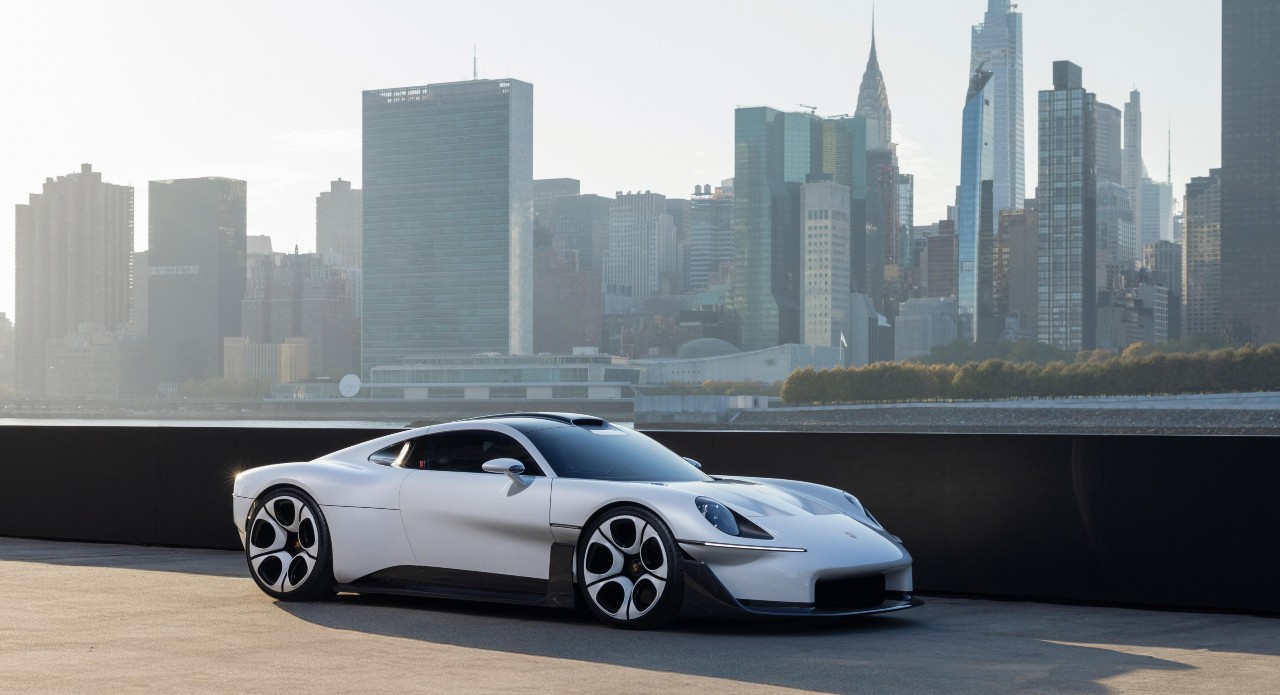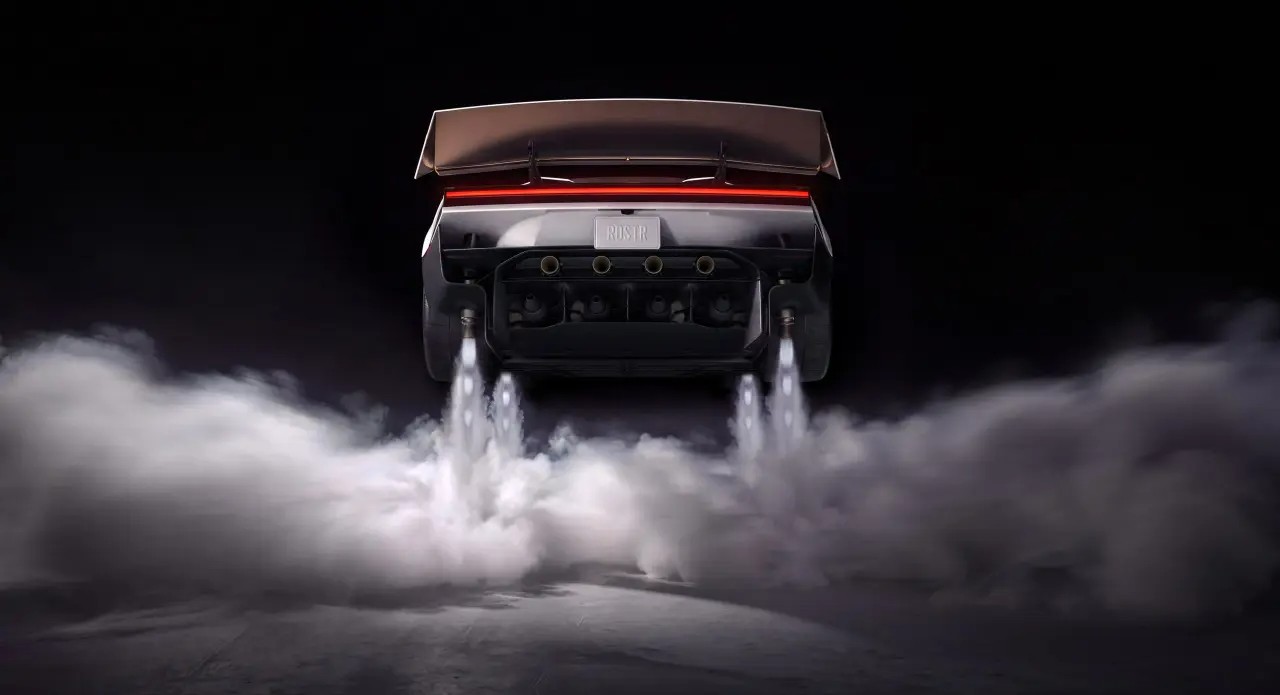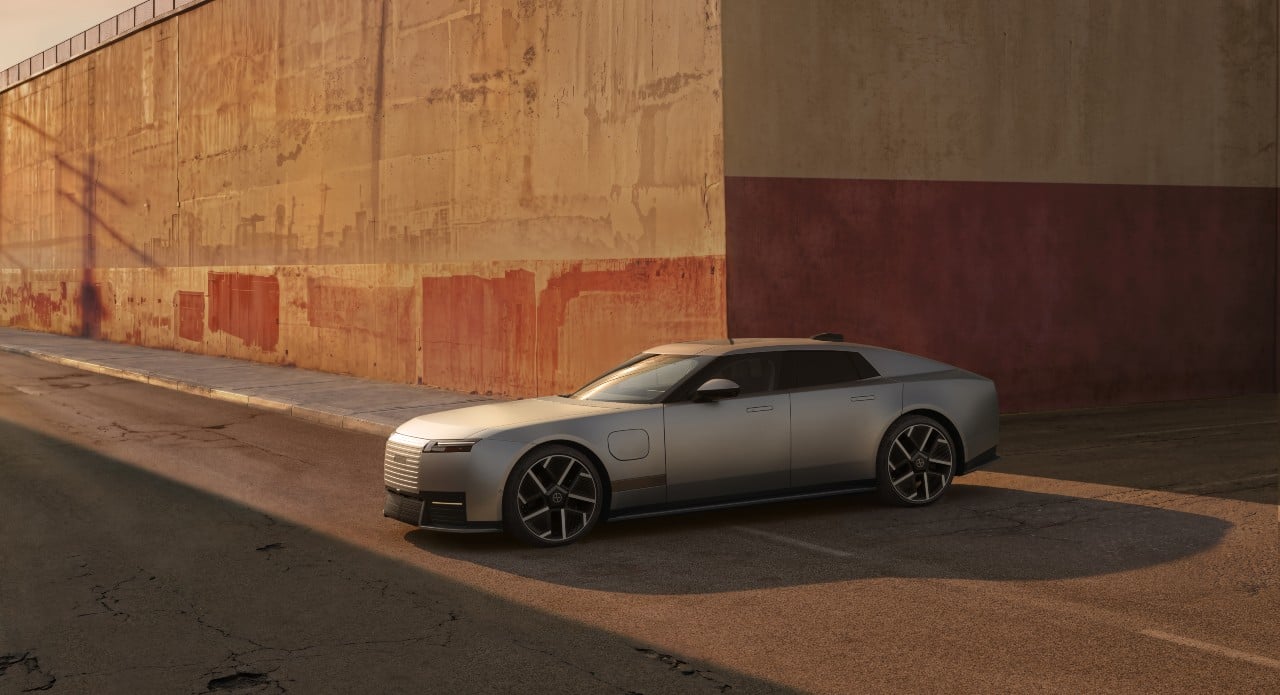


Electric hypercars do not build speed, they unleash it instantly through silent violence and relentless traction. With four motors, instant torque, and all-wheel drive working in perfect harmony, acceleration becomes almost unreal. This is not simply fast driving, it is physics being rewritten in real time. There was a time when speed came with noise. Proper noise. The kind that rattled windows, frightened small animals, and made neighbours question your upbringing. A hypercar was supposed to roar, spit flames, and behave like it had been built by slightly unstable engineers with a deep hatred for silence.
And then along came the electric hypercar, which does none of that. It does not shout. It does not growl. It simply arrives quietly, and then rearranges your internal organs with acceleration so violent your brain briefly forgets your own name. No drama from the exhaust, no screaming V12, just instant, brutal speed delivered with the calm confidence of something that knows it is faster than everything else on the road. The reason EV hypercars accelerate so fast begins with something wonderfully simple: torque.
In a petrol car, power has to build. The engine spins, revs rise, gears shift, and somewhere in that mechanical opera, performance arrives. It is exciting, yes, but it takes time. An electric motor, however, produces maximum torque the very moment you touch the accelerator. There is no waiting, no build-up, no theatrical pause. It is like being launched from a catapult by a very angry physicist.
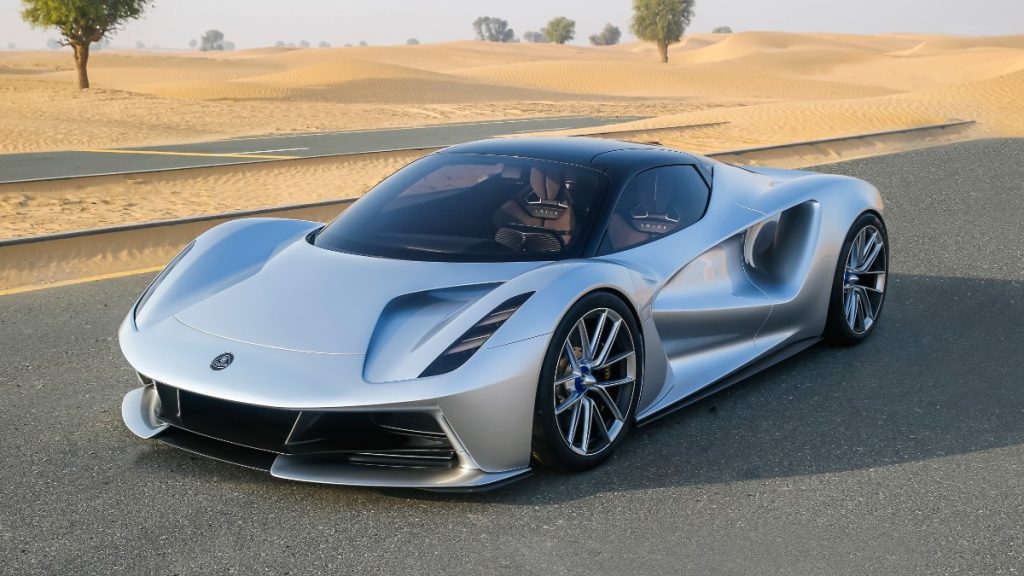
This instant torque is what gives electric hypercars their absurd launch figures. Zero to 100 kilometres per hour in under two seconds is no longer fantasy. It is becoming routine. Cars like the Rimac Nevera and the Lotus Evija do not accelerate so much as they simply disappear from where they were. Then comes the four-motor setup, which is where things become properly ridiculous. Many EV hypercars use one motor for each wheel. Four motors. Four wheels. One mission: total domination. This means each wheel can be controlled independently with surgical precision. Instead of sending power through a complicated gearbox and hoping the car behaves, the system decides exactly how much torque each wheel needs at any given millisecond. This creates torque vectoring so precise it feels almost unfair.
Also Read: Why Are Electric Cars So Heavy Even Without A Transmission Tunnel?
Enter a corner too quickly, and the car adjusts power instantly. Launch from a standstill, and every wheel claws at the road with perfect coordination. It is not just all-wheel drive. It is intelligent, ruthless all-wheel drive. And that matters because power means absolutely nothing without traction. A petrol-powered hypercar with 1,000 horsepower still has to fight physics. Too much throttle and the rear tyres turn into very expensive smoke machines. EV hypercars, with four motors and advanced traction systems, can deploy power far more effectively. They use every available inch of grip, which means less wheelspin and more forward motion. Very fast forward motion.
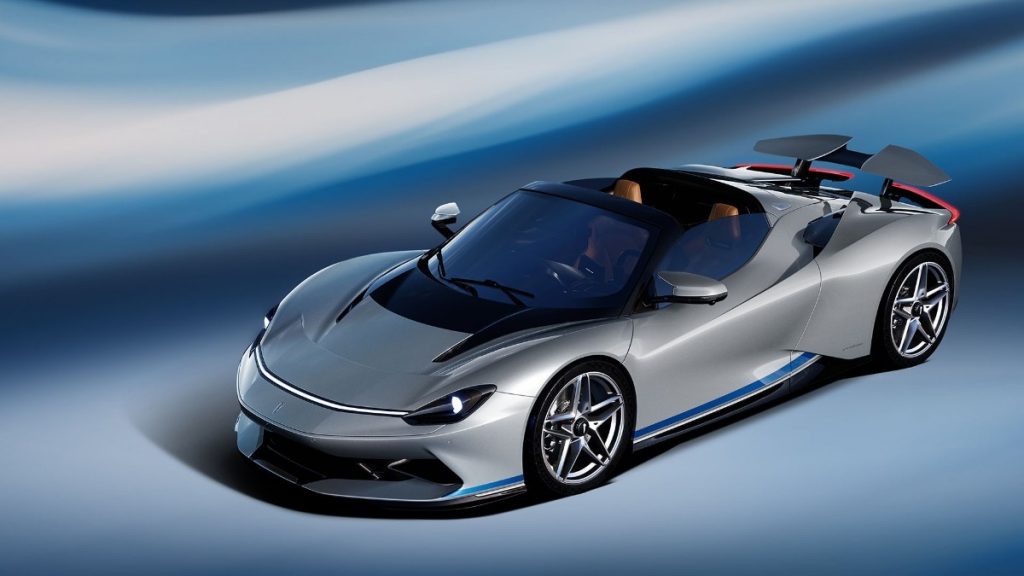
Batteries also play a crucial role. Not because they are exciting, because they are not, but because they provide enormous reserves of energy instantly. Modern high-performance battery packs are designed to discharge power at astonishing rates, feeding those motors with relentless force. Think of it less as fuel storage and more as a portable thunderstorm. Of course, all this performance requires serious engineering elsewhere. Cooling systems become critical because repeated brutal acceleration generates enormous heat. Brakes must be stronger, suspension sharper, and aerodynamics smarter. At these speeds, the car is not just moving quickly, it is actively trying to negotiate with the laws of nature. And then there is weight, the one criticism often thrown at EV hypercars.
Yes, batteries are heavy. Very heavy. An electric hypercar can weigh significantly more than its petrol rival. But clever engineering places that mass low in the chassis, improving stability and handling. So while the car may be heavier, it feels planted, controlled, and devastatingly effective. The truth is, EV hypercars are not fast because they are electric.

They are fast because electric technology allows engineers to control performance in ways combustion simply cannot match. Precision replaces drama. Software joins horsepower. Speed becomes less about noise and more about execution. Some people will always miss the sound of a V12, and frankly, they have a point. Noise has romance. But when an EV hypercar launches with the force of a low-flying missile, nostalgia becomes surprisingly quiet. Because in that moment, pinned to the seat, watching the horizon rush towards you like it owes you money, you realise something important. The future of speed does not need to roar. It just needs to be impossibly, terrifyingly quick.