

Long before a visitor notices the Italian marble beneath their feet or the handcrafted staircase rising through the centre of a mansion, a judgement has already been made. It happens in the driveway, at the gates, beneath a cantilevered canopy or before a pair of perfectly proportioned bronze doors. The façade speaks first. It announces confidence without raising its voice, hints at the personality within and quietly tells the world whether this is merely an expensive house or a genuinely remarkable piece of architecture. Much like the grille of a Rolls Royce or the unmistakable silhouette of an Aston Martin, the front elevation becomes an identity long before anyone experiences what lies behind it. That is why the finest architects spend months obsessing over proportions, materials, light, symmetry and arrival sequences. Because a grand entrance is never simply about opening a door. It is about orchestrating anticipation. It creates theatre before the performance even begins. In luxury architecture, first impressions are not accidents. They are carefully designed experiences that transform a building from a place to live into a place that is remembered.
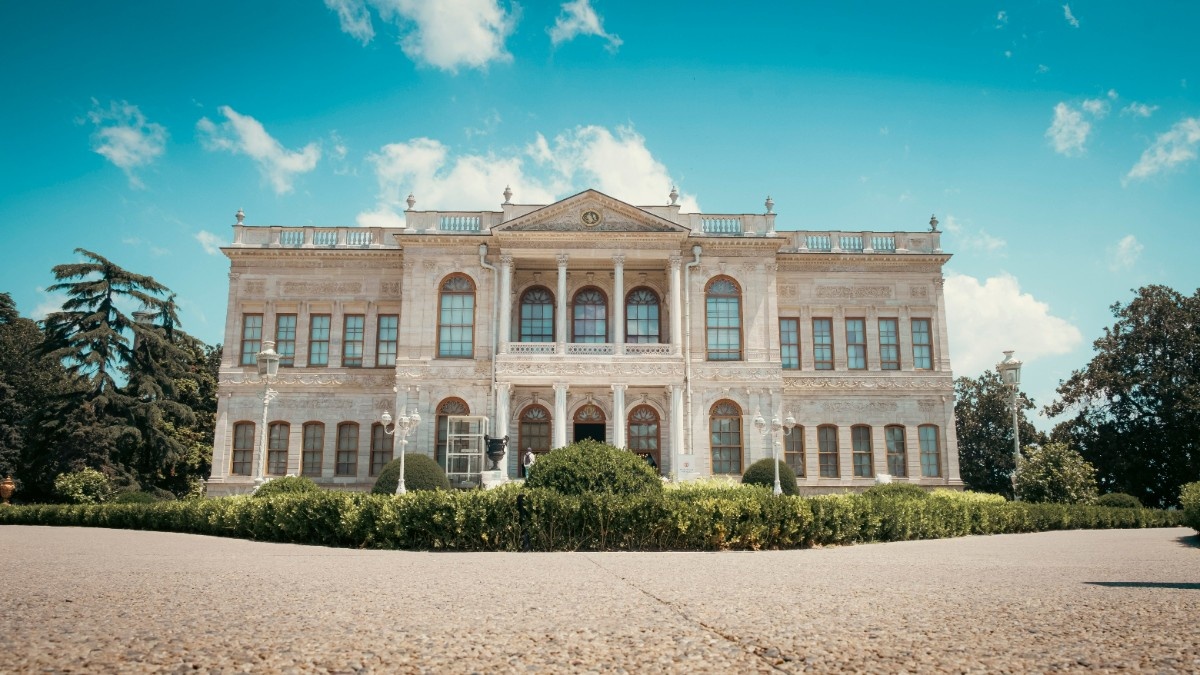
A façade becomes the building’s signature
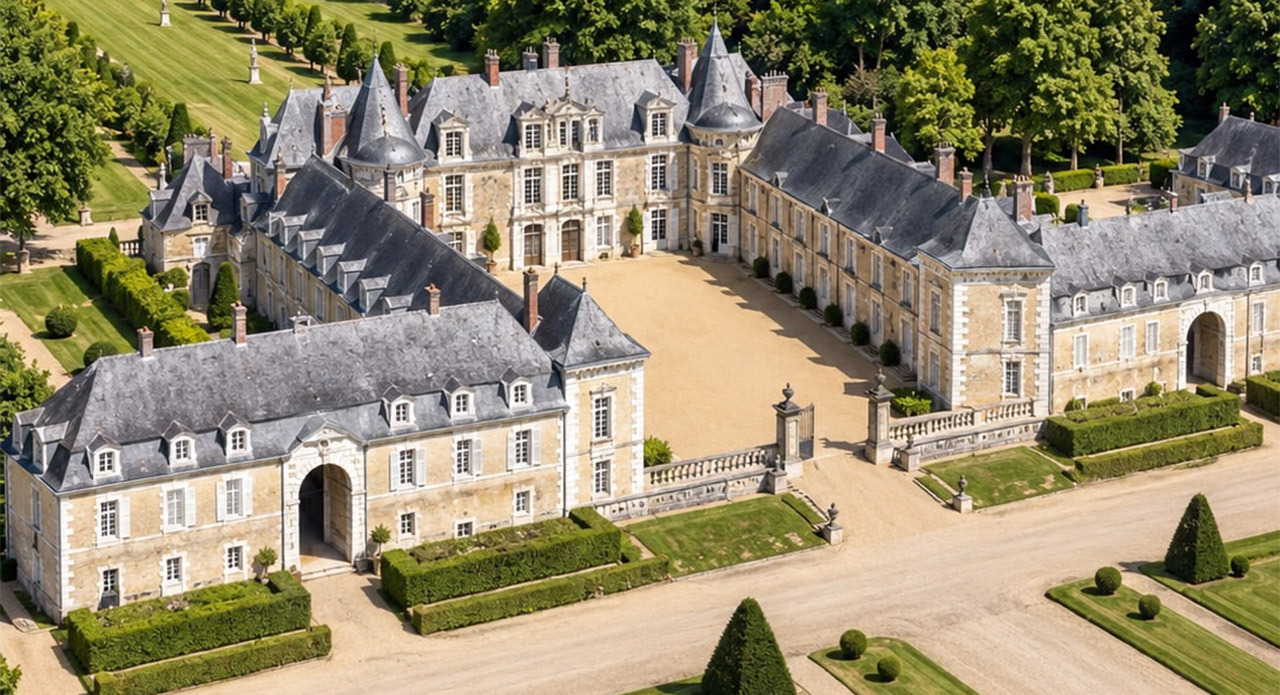
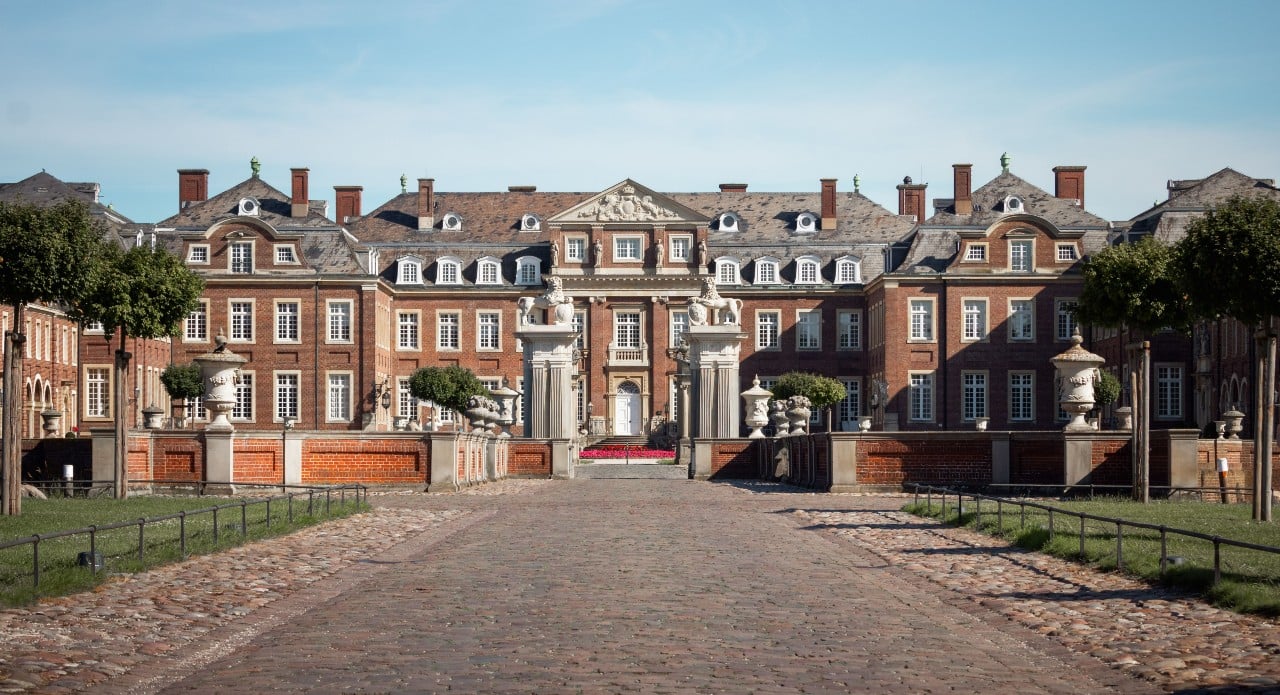
The façade is architecture’s equivalent of a first handshake. It communicates scale, craftsmanship and intent in a single glance. Whether expressed through classical columns, contemporary glass volumes or sculpted concrete forms, the exterior establishes the visual identity of a home long before its interiors are revealed. The world’s most celebrated residences are recognised as much by their silhouettes as their addresses. A memorable façade gives a house permanence, making it instantly identifiable across generations.
Also Read: Why Grand Staircases Are Making A Comeback In Ultra-Luxury Homes
Arrival is designed as an experience
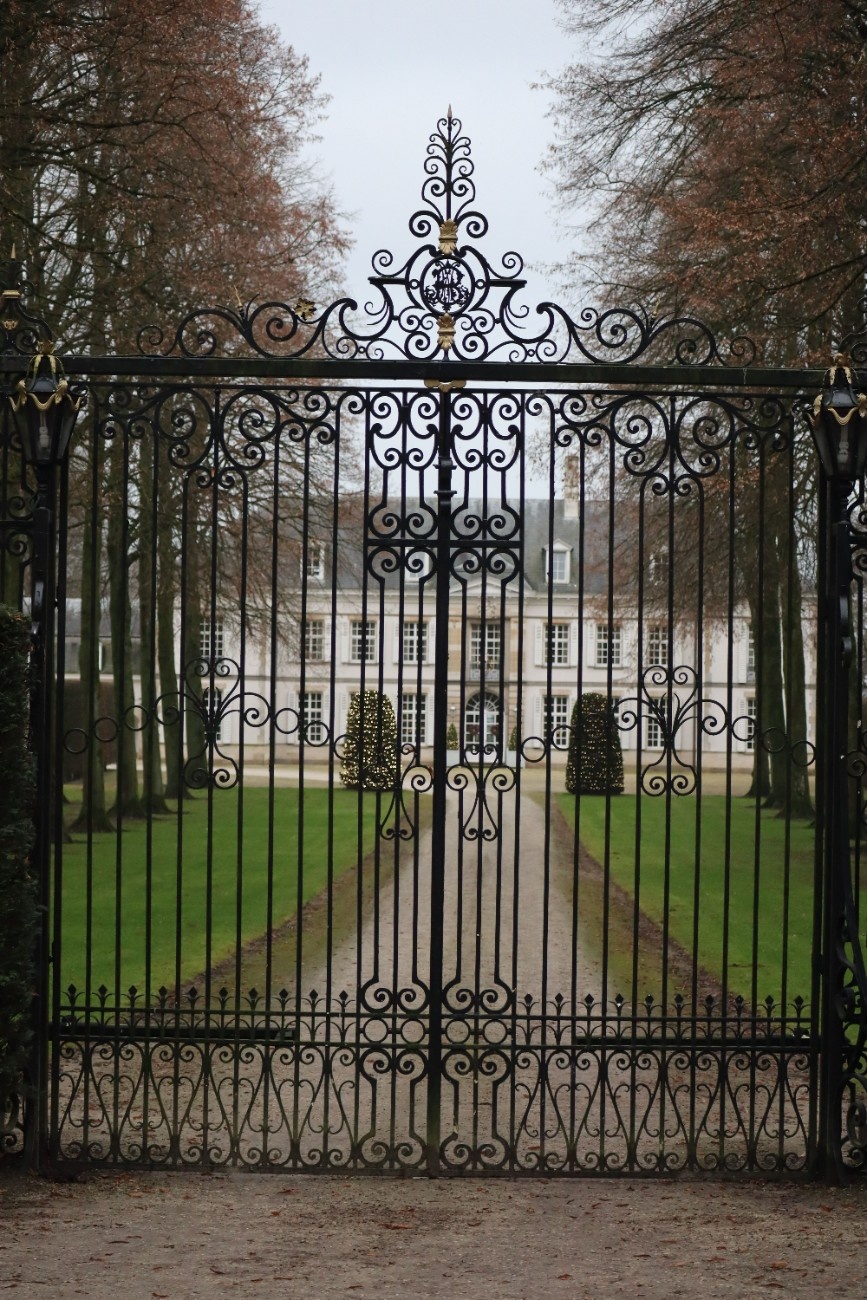
Luxury homes rarely reveal themselves immediately. Instead, architects choreograph a gradual sequence through gates, landscaped driveways, courtyards and entrance pavilions. Each transition builds anticipation until the main doorway finally comes into view. This carefully managed progression transforms arrival into an event rather than a routine. The finest entrances slow visitors down, encouraging them to appreciate every architectural detail before stepping inside.
Materials establish character before words do
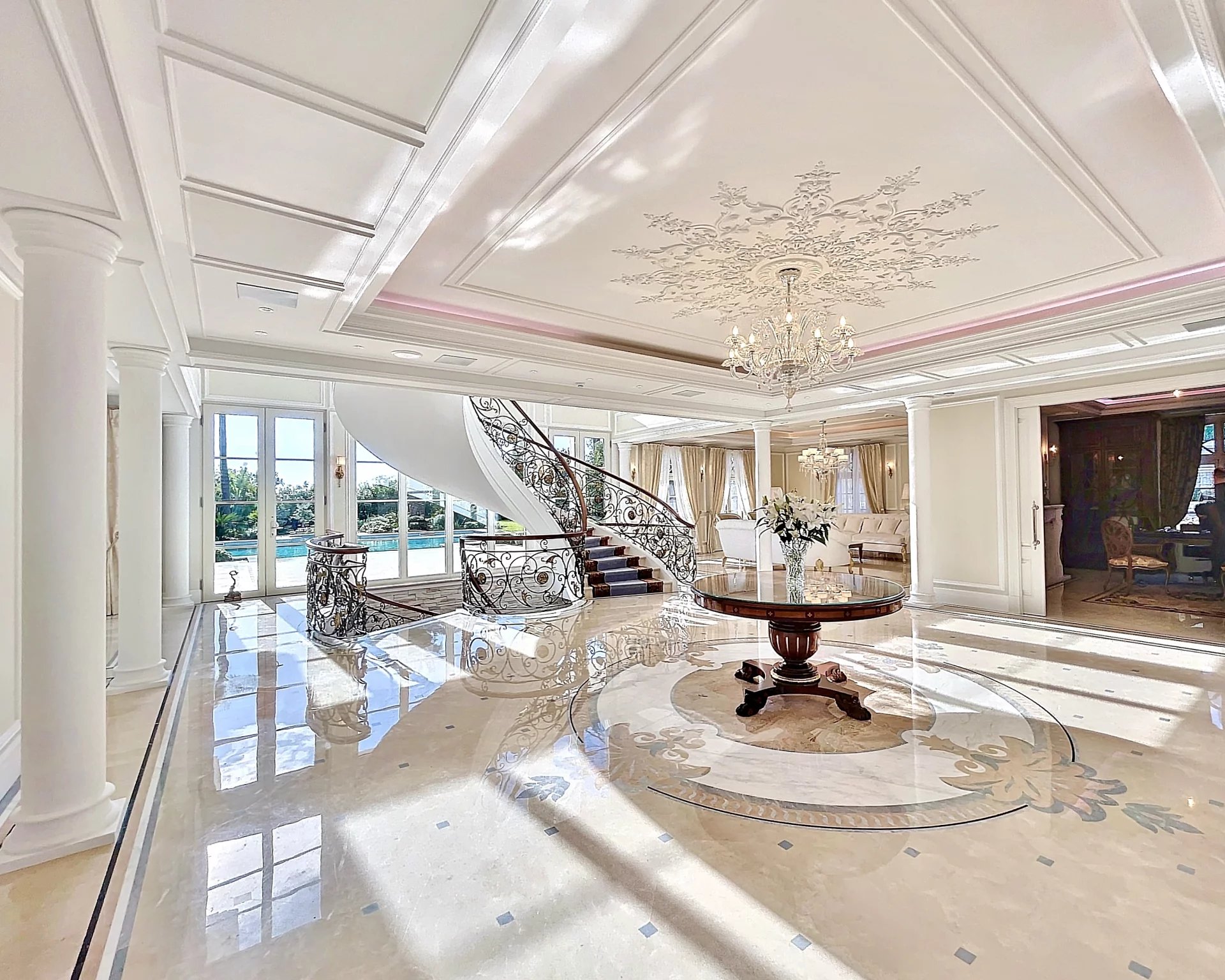
Stone, timber, bronze, glass and concrete each tell a different story. A hand carved limestone façade speaks of permanence and tradition. Weathered timber introduces warmth and intimacy. Bronze doors suggest craftsmanship, while exposed concrete projects bold modern confidence. Material selection is therefore not merely aesthetic but emotional, establishing the personality of a residence without requiring explanation. When combined thoughtfully, these elements create buildings that feel authentic rather than decorative.
Also Read: Why Designers Are Turning To Earth Tones For Timeless Luxury
Scale creates emotion
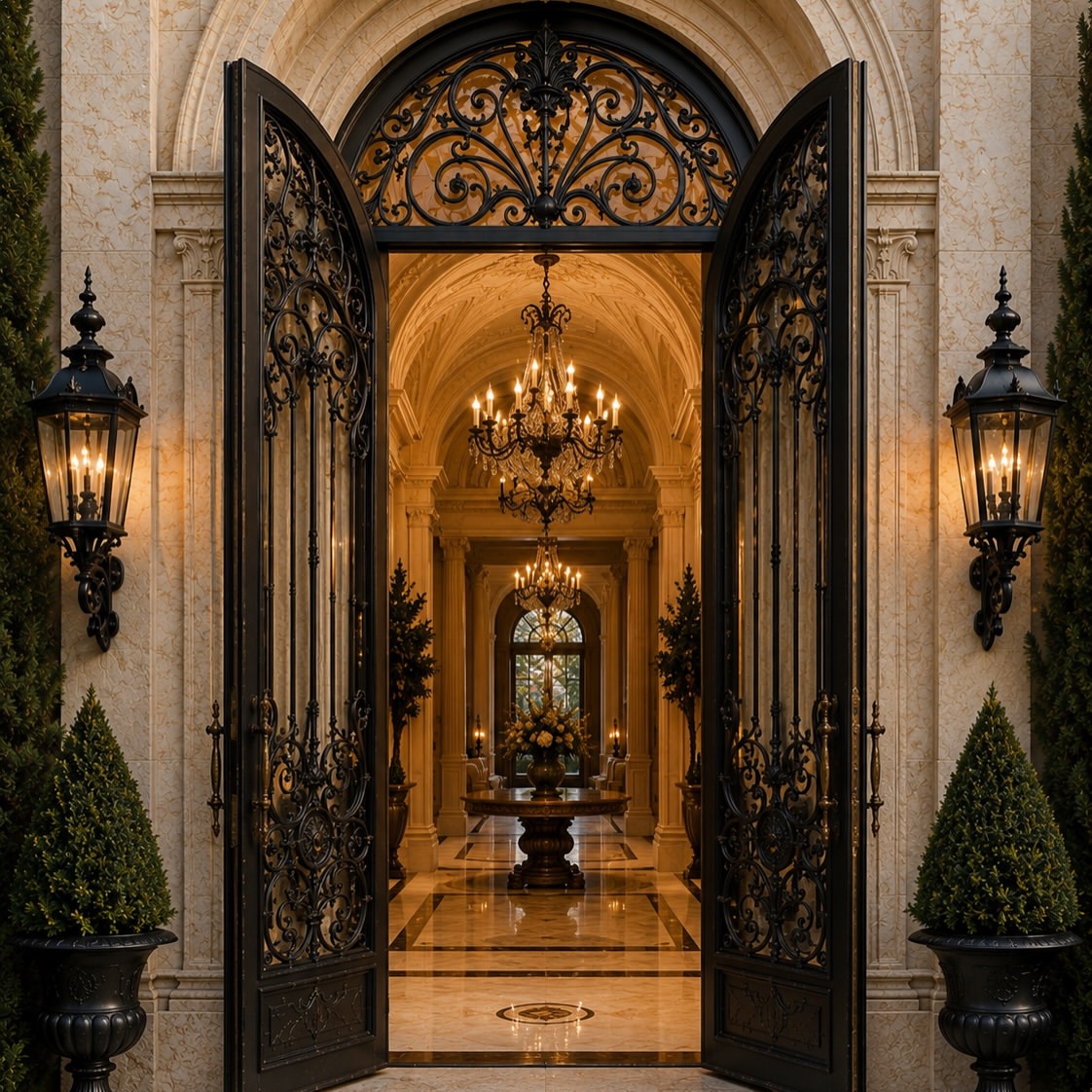
Grand entrances rely less on size than proportion. Double height porticos, oversized pivot doors, dramatic canopies and carefully positioned staircases manipulate human perception, creating moments of awe without overwhelming the architecture. Even minimalist homes achieve grandeur through restraint, where generous volumes and balanced proportions replace ornamentation. The most successful entrances understand that elegance is measured by harmony rather than excess.
Why first impressions remain architecture’s greatest luxury
The finest homes are remembered not because they contain the most extravagant interiors, but because they create an emotional connection before anyone crosses the threshold. A beautifully composed entrance transforms architecture into theatre, allowing proportion, craftsmanship and landscape to tell a story in silence. In luxury architecture, the façade is more than an exterior wall. It is the opening chapter of everything that follows. A façade never exists in isolation. Water features, mature trees, sculptural planting, reflecting pools and subtle lighting all frame the architecture while softening its relationship with the landscape. Together they create a seamless dialogue between built form and nature, ensuring the entrance feels intentional from every angle. As daylight fades, carefully positioned illumination allows the building to reveal an entirely different personality after dark.