Few buildings stop pedestrians in their tracks quite like Reiyukai Shakaden. Rising unexpectedly from the dense urban fabric of Tokyo, its immense sloping roof appears almost extraterrestrial, as though a monumental spacecraft had quietly settled among the city’s office towers. Yet beneath its futuristic silhouette lies one of Japan’s most remarkable interpretations of religious architecture. Completed in 1975 as the spiritual headquarters for the Reiyukai Buddhist movement, the building was designed and constructed by Takenaka Corporation, one of Japan’s oldest and most respected architectural and construction firms. Rather than imitate centuries old temple architecture, its designers sought to reinterpret Buddhist space through an entirely modern language of monumental geometry, dramatic scale and structural precision. The result is a building that feels simultaneously ancient and futuristic, where tradition is expressed not through ornament but through form itself. More than five decades after its completion, Reiyukai Shakaden remains one of Tokyo’s most photographed and debated buildings, proving that sacred architecture can be every bit as radical as the age in which it is built.
Designed by Takenaka Corporation
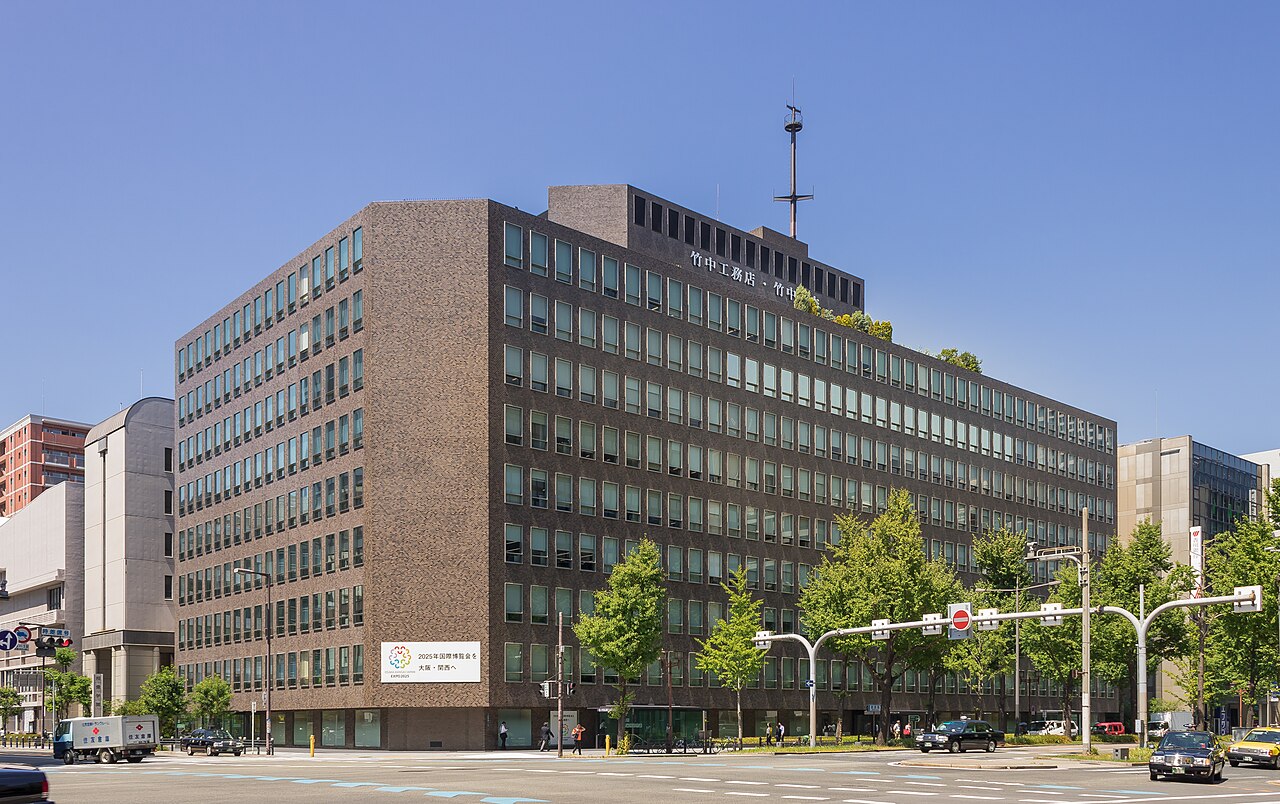
Unlike many celebrated landmarks associated with a single designer, Reiyukai Shakaden was conceived by Takenaka Corporation, whose architectural, engineering and construction teams worked together to realise the ambitious vision. Founded in 1610, Takenaka has shaped some of Japan’s most significant buildings, and the Shakaden stands among its boldest architectural achievements. Rather than following conventional temple typologies, the firm embraced monumental geometry to create a spiritual space unlike any other in post war Japan.
Also Read: How Atelier ARS Became One Of Mexico’s Most Influential Architectural Practices
A Buddhist temple unlike any before it
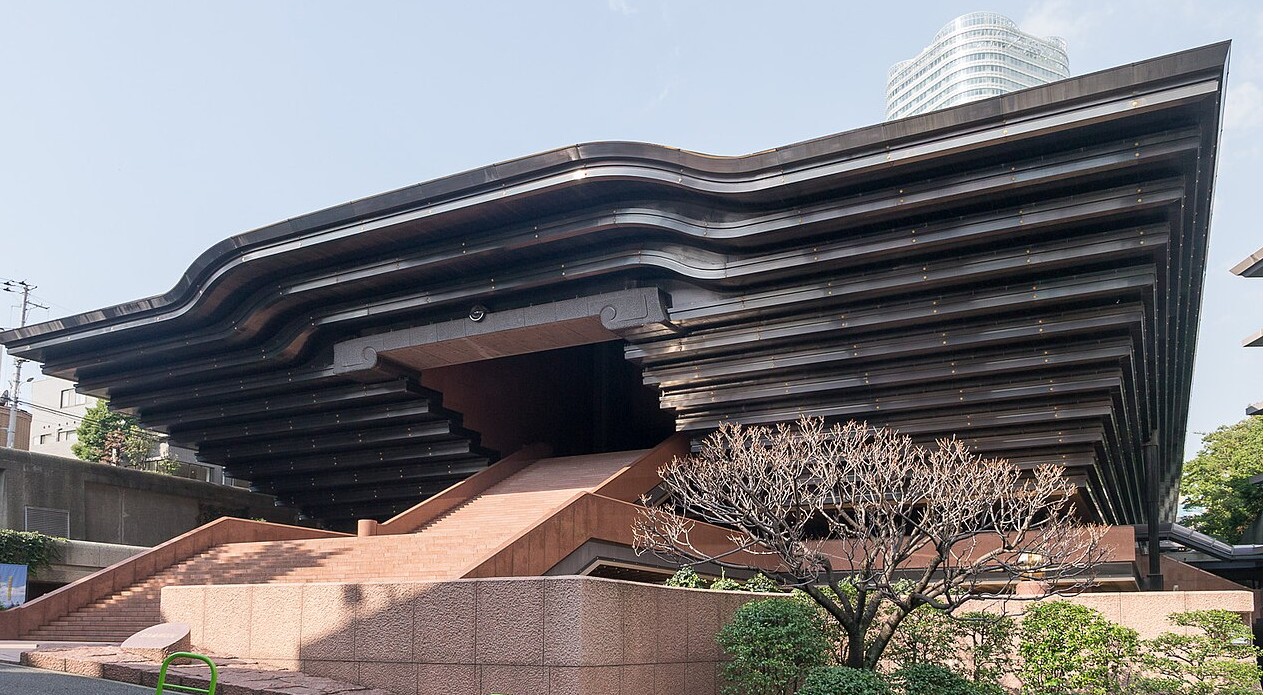
Completed after four years of construction in 1975, the Shakaden serves as the principal gathering hall for the Reiyukai Buddhist organisation. The name translates as the “House of Shakyamuni”, reflecting its role as a place for worship, reflection and community gatherings. Beyond the vast main hall, the complex incorporates conference spaces, cultural facilities, childcare services and public amenities, illustrating its role as both a religious and civic landmark.
Monumental geometry replaces traditional ornament
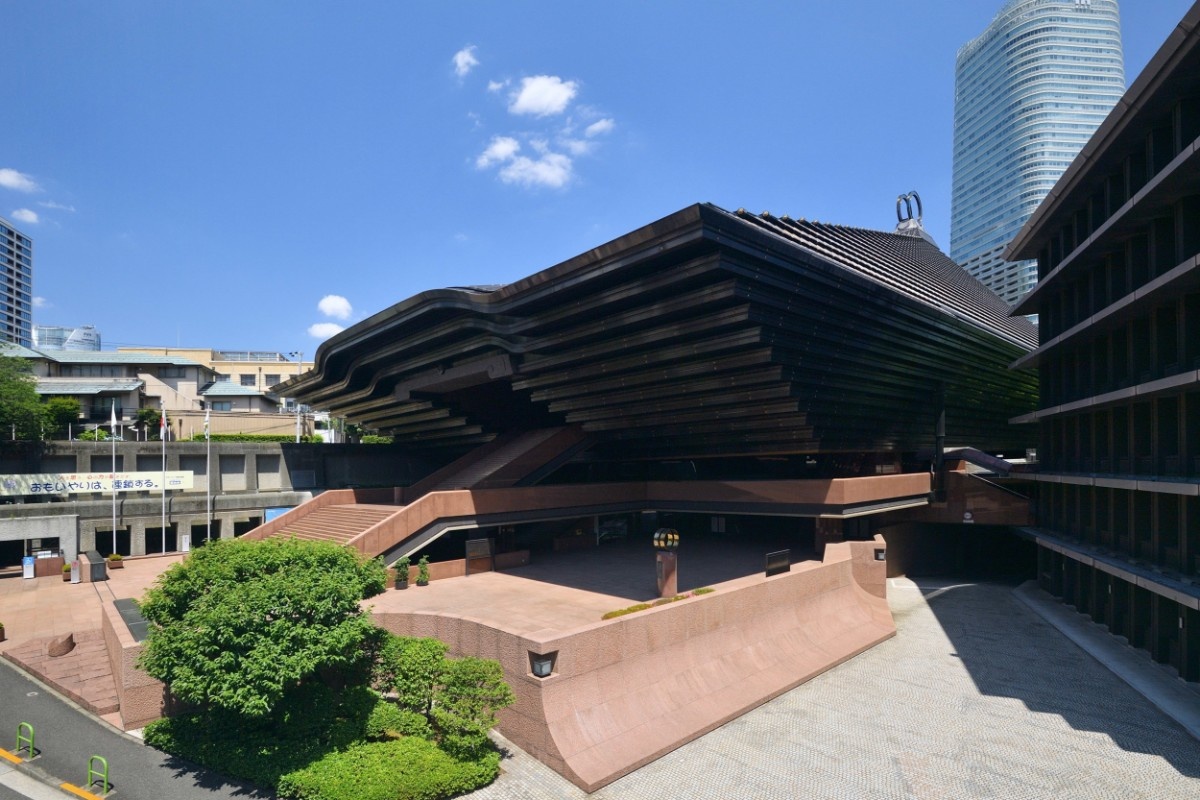
What makes Reiyukai Shakaden unforgettable is its extraordinary roof. The immense pyramidal structure dominates the composition, appearing to float above the building while dramatically cantilevering over its perimeter. Instead of decorative timber brackets or sweeping tiled eaves found in traditional Japanese temples, the architects transformed these historical elements into bold geometric forms, creating a silhouette that feels simultaneously rooted in history and astonishingly futuristic. The monumental stairways, sharply inclined roof planes and powerful symmetry reinforce a sense of ceremony, making arrival itself part of the architectural experience.
Also Read: Sculpting With Timber: The Visionaries Behind Extraordinary Wooden Architecture
A landmark that continues to inspire architects
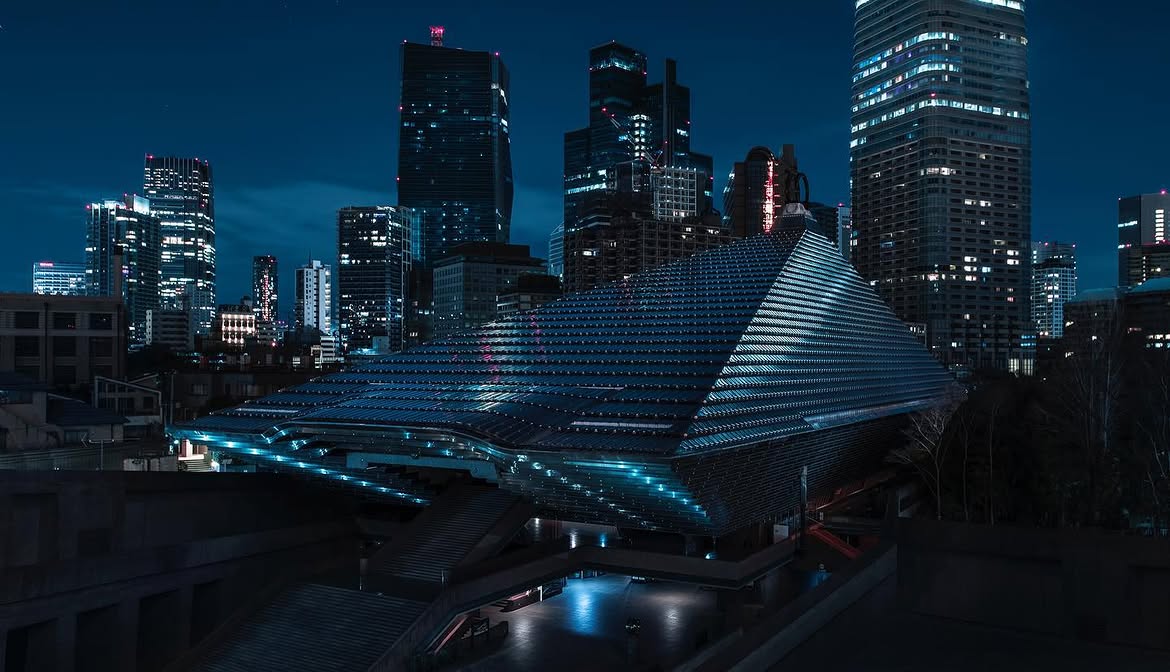
Over the decades, Reiyukai Shakaden has become a favourite among architects, photographers and filmmakers, frequently appearing in discussions surrounding futurism, Metabolism and visionary Japanese architecture. Despite its imposing appearance, the building remains remarkably welcoming, inviting visitors to explore spaces designed for contemplation rather than spectacle. Its ability to appear futuristic nearly fifty years after completion speaks to the timelessness of its design.
Why Reiyukai Shakaden still matters
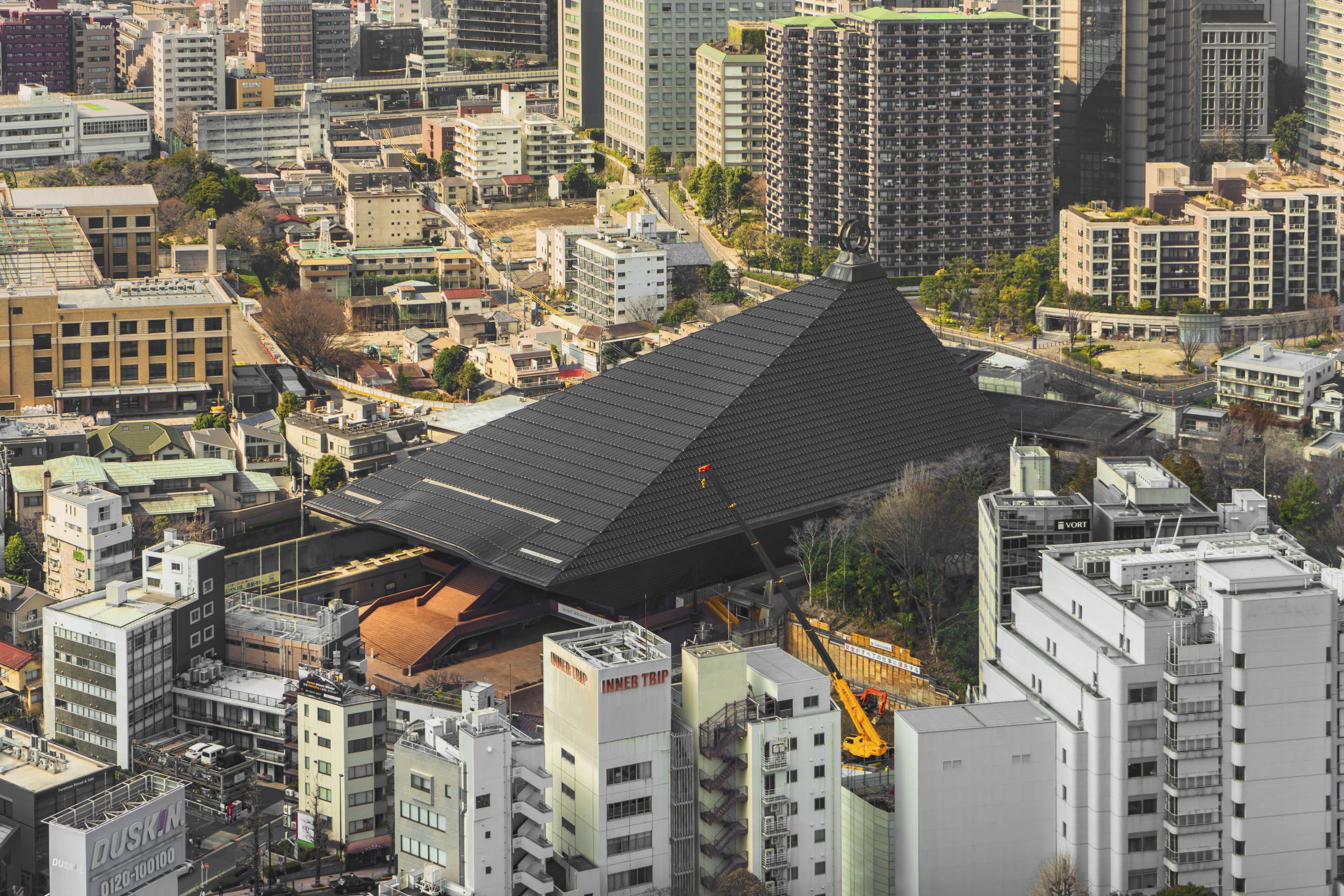
Many religious buildings preserve the past. Reiyukai Shakaden demonstrates that sacred architecture can also embrace the future. By rejecting imitation and instead expressing Buddhist ideals through bold geometry, structural innovation and monumental form, Takenaka Corporation created a building that continues to challenge conventional ideas of what a temple should look like. Nearly half a century later, it remains one of Japan’s most iconic architectural achievements, proving that faith and fearless design can coexist in remarkable harmony.