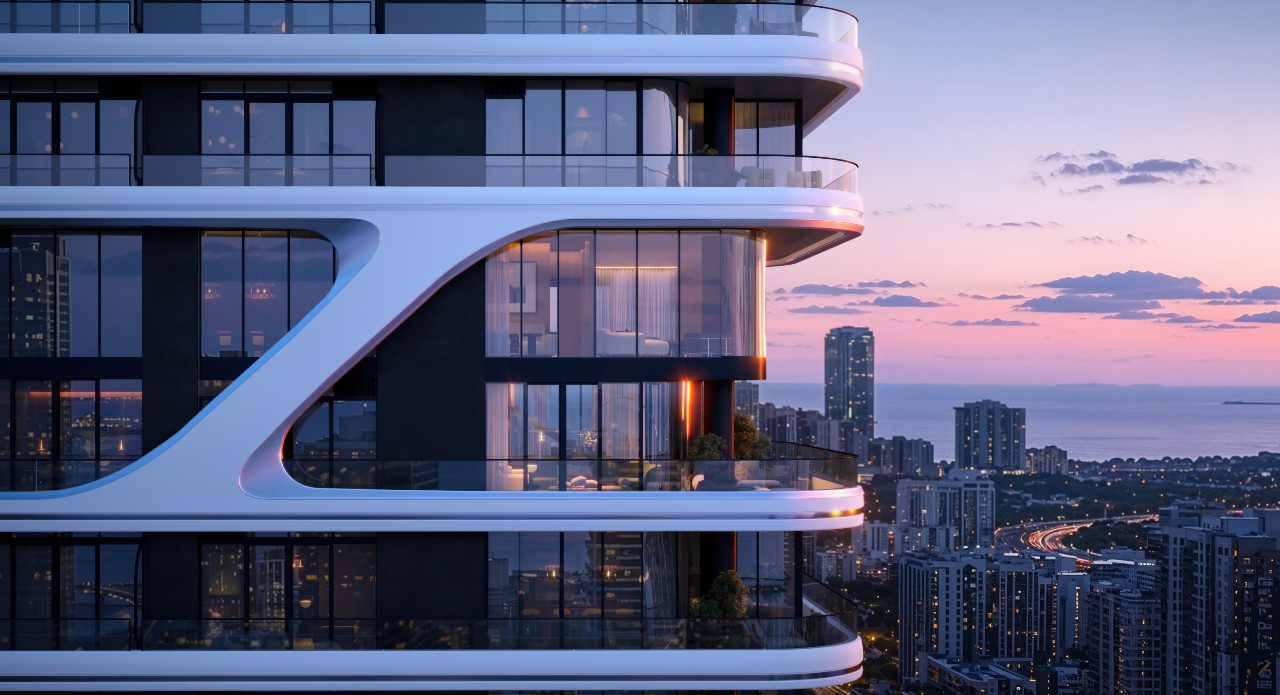


There was a time when timber was considered the poor cousin of marble, granite and concrete. It creaked, aged, caught the occasional splinter and was generally regarded as something you’d find in an old countryside barn rather than a multi million pound residence. Then a handful of architects came along and completely ruined that assumption. They discovered that wood is not merely a building material. It breathes, it ages with dignity, it smells better than most luxury perfumes and, in the right hands, can make even concrete seem emotionally bankrupt. Today, the world’s most extraordinary luxury homes, museums and resorts increasingly celebrate timber not because they have to, but because they can. These five architects have elevated wood from humble construction material into pure architectural poetry.
Kengo Kuma
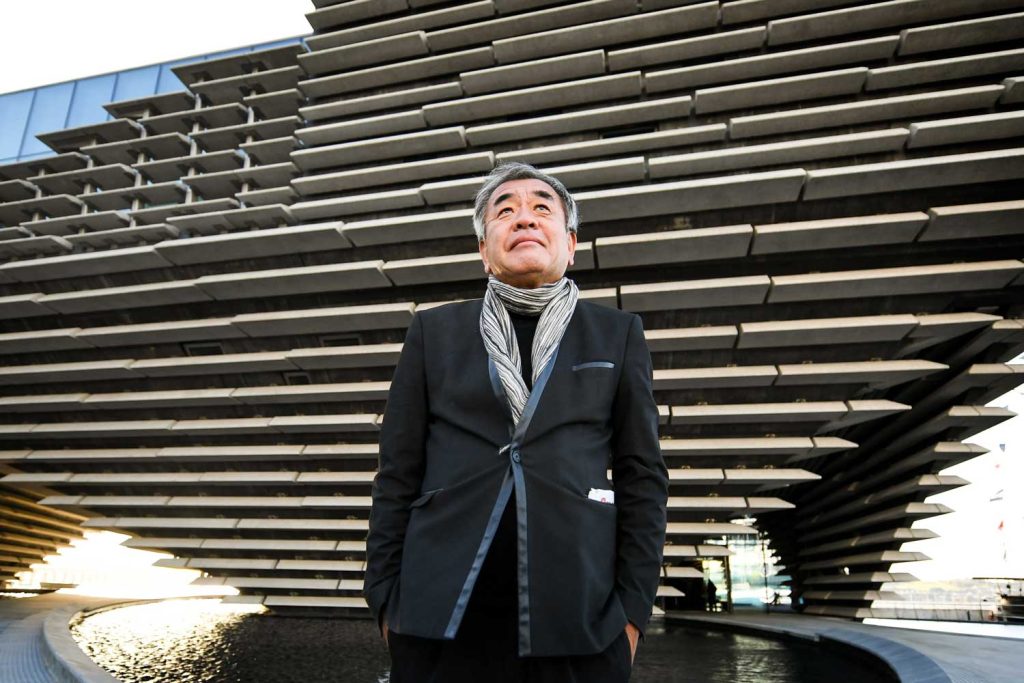
If anyone has devoted an entire career to making wood look almost weightless, it is Japanese architect Kengo Kuma. Rejecting the heavy permanence of concrete, Kuma creates buildings that appear to dissolve into forests and landscapes through intricate wooden lattices and delicate structural systems. Projects such as the Japan National Stadium for the Tokyo Olympics, GC Prostho Museum Research Centre and numerous luxury resorts demonstrate how timber can soften monumental architecture while remaining technically sophisticated. His buildings rarely dominate nature. Instead, they quietly become part of it.
Also Read: How Imre Makovecz Used Organic Architecture To Express A Nation’s Identity
Shigeru Ban
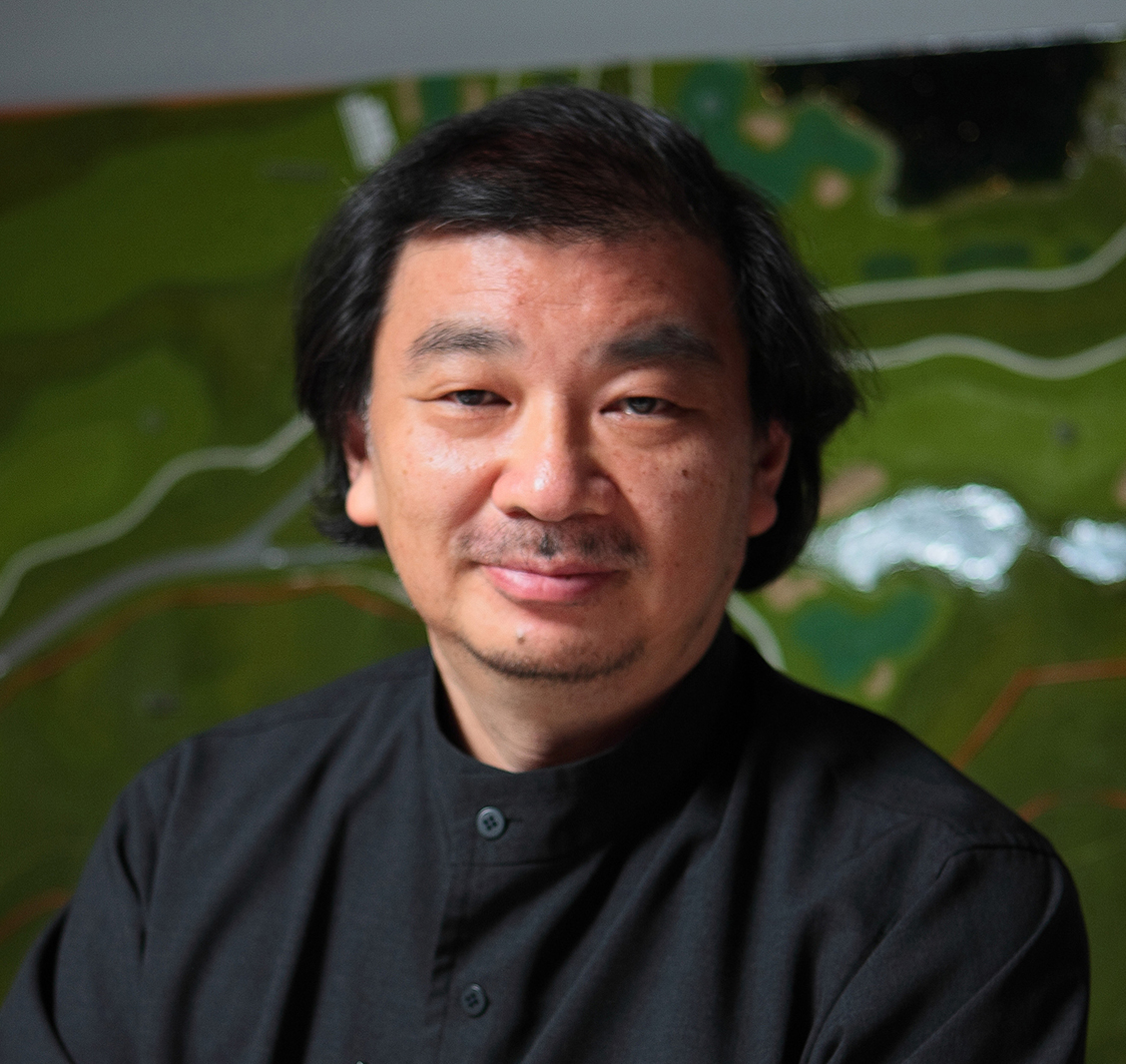
Shigeru Ban proved that sustainable architecture never needed to compromise on beauty. While famous for his humanitarian work with paper tube structures, Ban has become equally influential through his pioneering use of engineered timber. His remarkable Tamedia Office Building in Zurich showcases exposed timber construction without relying on conventional steel connectors, while projects like the Swatch and Omega Campus demonstrate how modern wood engineering can achieve breathtaking structural complexity. Ban’s work continually pushes timber beyond its perceived limits.
Peter Zumthor
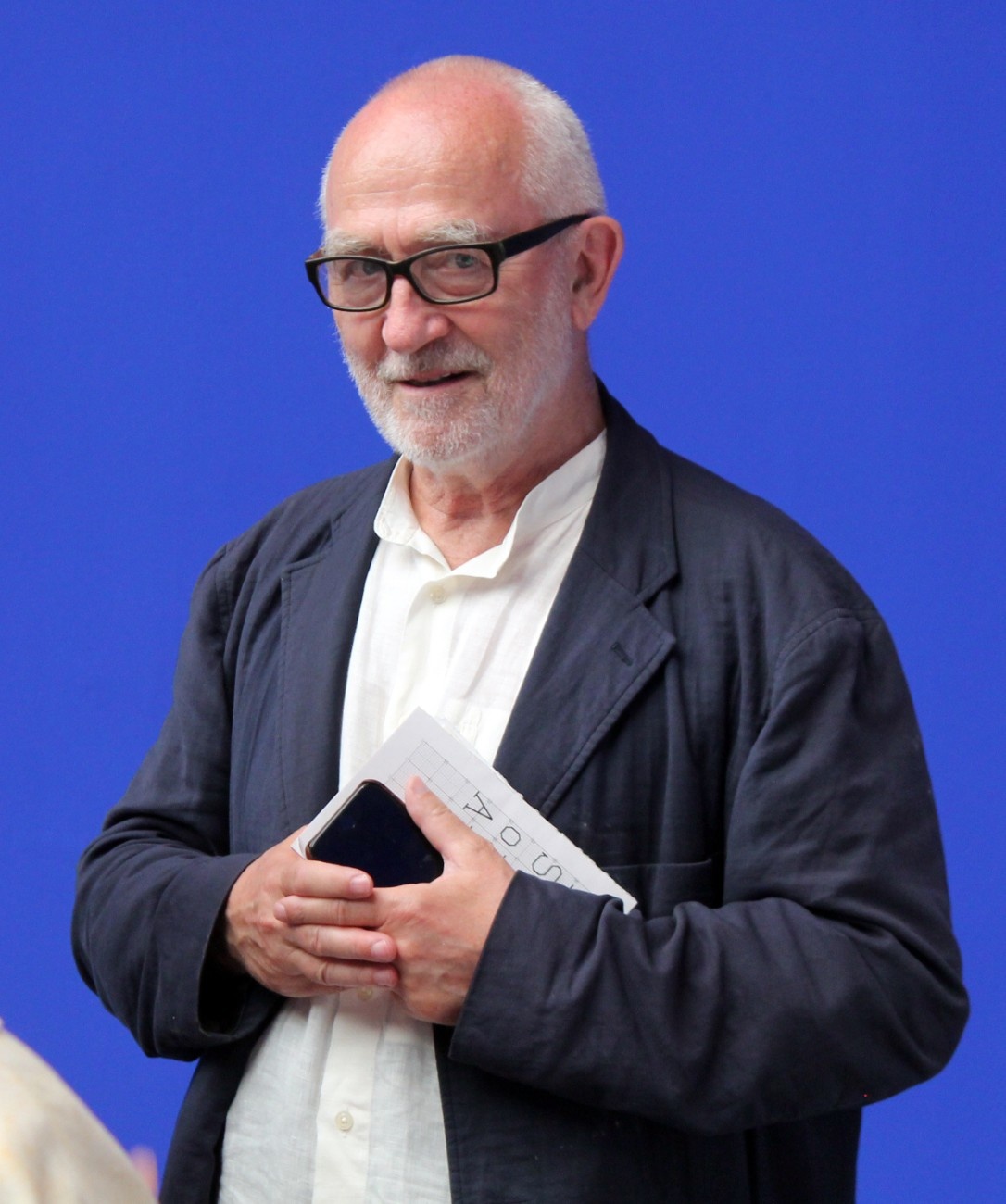
Swiss master Peter Zumthor approaches timber less like a construction material and more like an emotional instrument. Every surface, grain and joint contributes to an atmosphere that cannot be measured on an architectural drawing. His Bruder Klaus Field Chapel and numerous residential commissions reveal an extraordinary sensitivity towards natural materials, where wood acquires warmth, silence and intimacy. Zumthor understands that luxury is not always about extravagance. Sometimes it is simply the feeling of touching perfectly crafted timber that has been allowed to age gracefully.
Snøhetta

The Norwegian practice Snøhetta has demonstrated that timber belongs just as comfortably in bold public architecture as it does in private luxury residences. Their celebrated projects, including the Norwegian Wild Reindeer Pavilion and the award winning Powerhouse Telemark, combine Scandinavian craftsmanship with advanced sustainable engineering. Warm wooden interiors soften dramatic contemporary forms, creating spaces that feel simultaneously modern, inviting and deeply connected to their landscapes.
Herzog And de Meuron
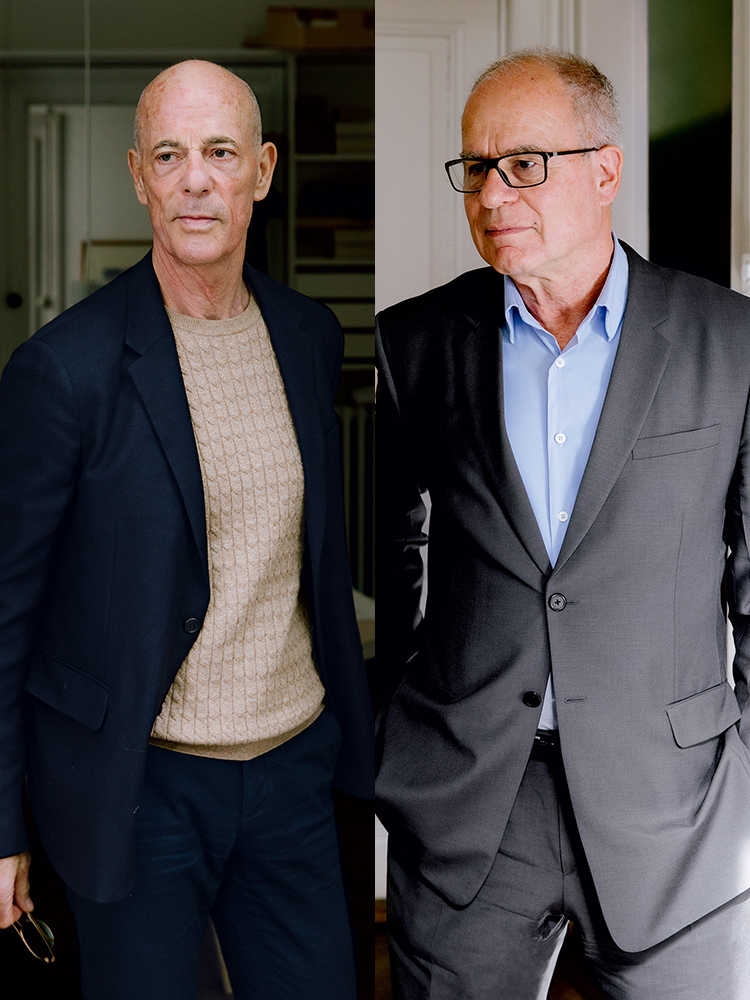
Known globally for projects like Tate Modern and Beijing’s Bird’s Nest Stadium, Herzog & de Meuron have increasingly embraced timber as a material capable of expressing refinement and innovation. Their evolving portfolio of residential developments, cultural buildings and experimental timber structures demonstrates how wood can coexist with glass, steel and concrete without losing its own identity. Rather than treating timber as rustic nostalgia, they transform it into an unmistakably contemporary expression of luxury architecture.