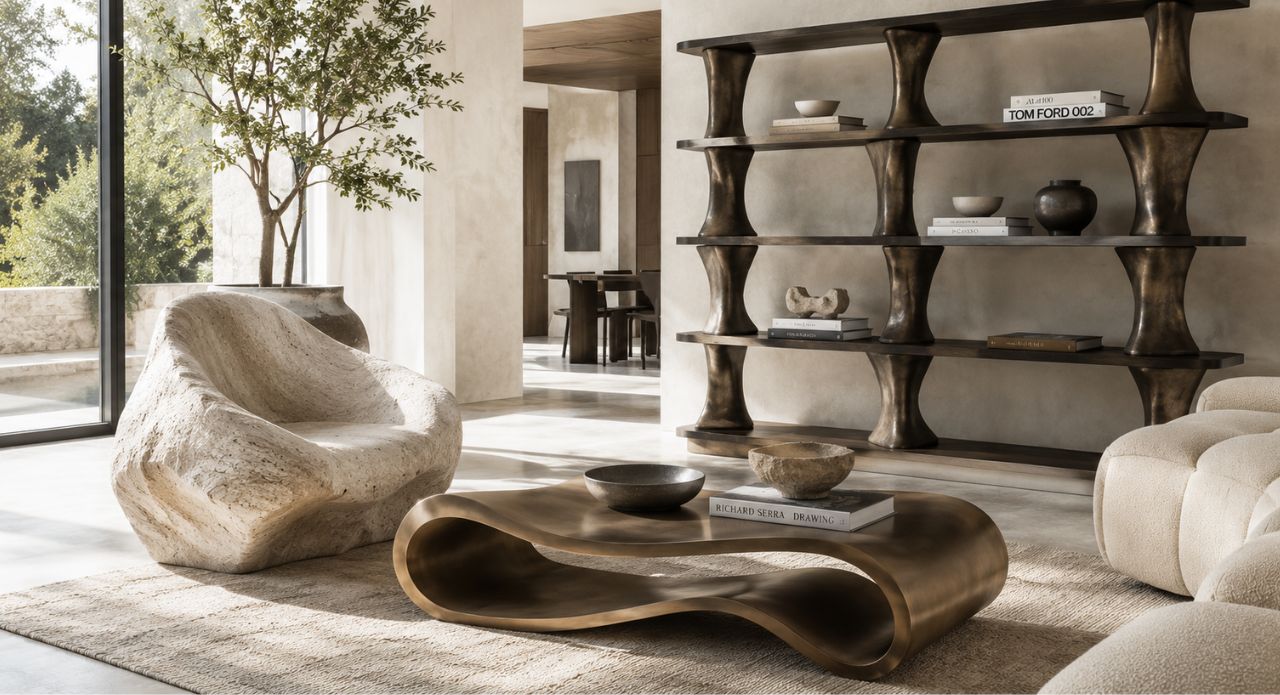


A chair that looks like a carved stone formation. A coffee table resembling a flowing ribbon of bronze. A bookshelf that feels more at home in a gallery than a living room. Luxury interiors are entering a new era, where sculptural furniture sits at its centre.
Design-conscious consumers are increasingly moving beyond conventional silhouettes and investing in pieces that command attention. Furniture is no longer expected to quietly blend into the background. Instead, it is becoming a conversation starter, carrying the same emotional and visual weight as a painting or sculpture.
This transition reflects a growing appreciation for collectible design, where craftsmanship, materiality and artistic intent matter just as much as utility. In many luxury residences, a single statement piece now anchors an entire room, setting its tone and personality.
Furniture Becomes Art
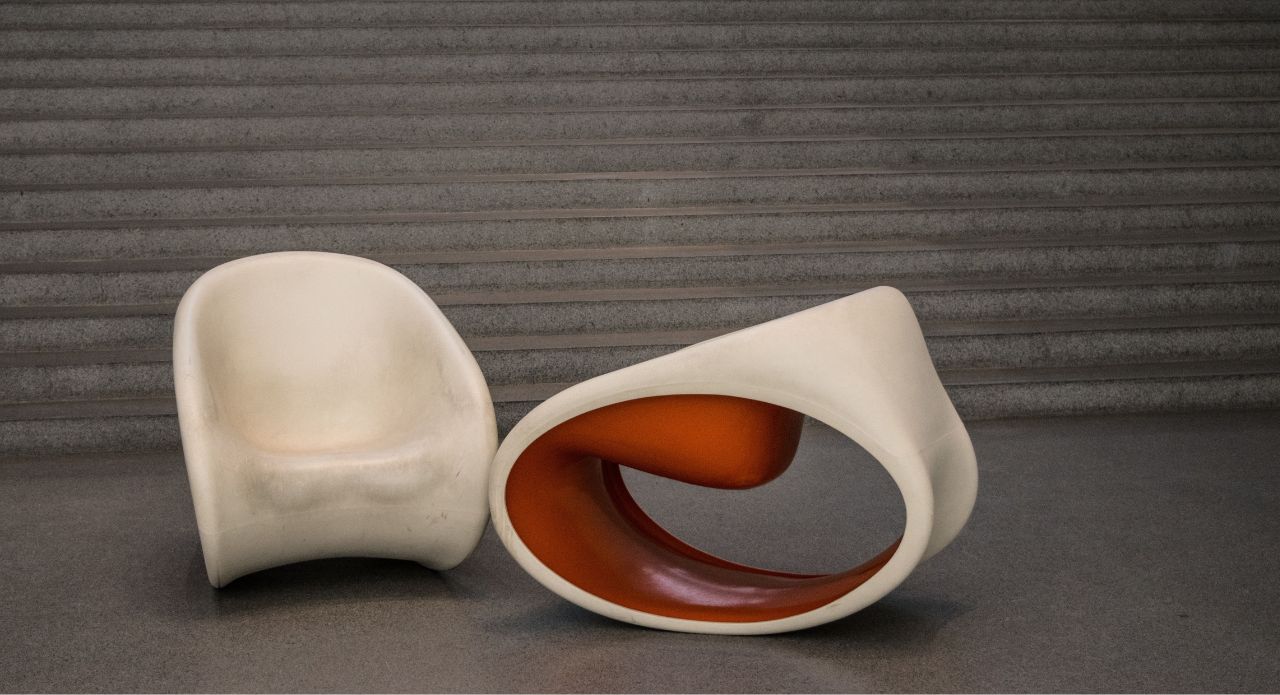
The appeal of sculptural furniture lies in its ability to blur boundaries. Designers are experimenting with organic forms, unexpected proportions and tactile materials ranging from hand-finished wood and marble to cast metal and resin.
Curved sofas, asymmetrical consoles and monolithic side tables have emerged as favourites among collectors and interior enthusiasts. Their presence introduces movement and depth into a space, making interiors feel more layered and personal.
Also Read: Sculpting With Timber: The Visionaries Behind Extraordinary Wooden Architecture
Many contemporary designers draw inspiration from nature, architecture and traditional craftsmanship. Soft, undulating forms reminiscent of dunes, waves and rock formations have become especially popular in recent years. Such pieces invite people to interact with them, creating a stronger connection between object and owner.
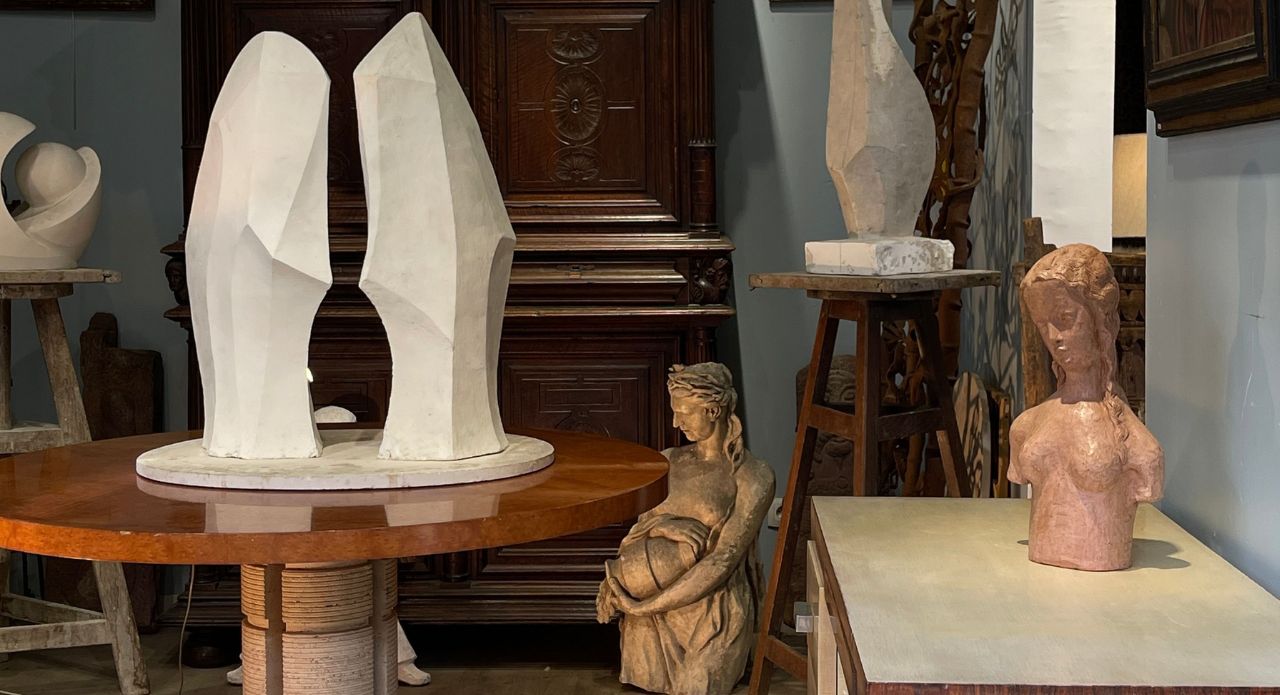
Luxury consumers are also embracing limited-edition and unique creations. Owning a one-of-a-kind piece carries the same appeal as acquiring a work of art, adding a sense of exclusivity to a home.
Designs That Leave Impressions
Social media and design fairs have accelerated the trend, bringing collectible furniture to a global audience. Events such as Milan Design Week and Art Basel regularly showcase pieces that challenge conventional ideas of furniture design.
Also Read: Timeless Timber: THC Jodhpur Revives The Forgotten Art Of Naga Woodwork
The rise of open-plan living has further contributed to its popularity. Large, uninterrupted spaces allow sculptural furniture to stand out, giving each piece the room it deserves.
The growing appeal of sculptural furniture suggests that luxury interiors are becoming increasingly personal, with every piece contributing to a larger story of craftsmanship, artistry and self-expression.