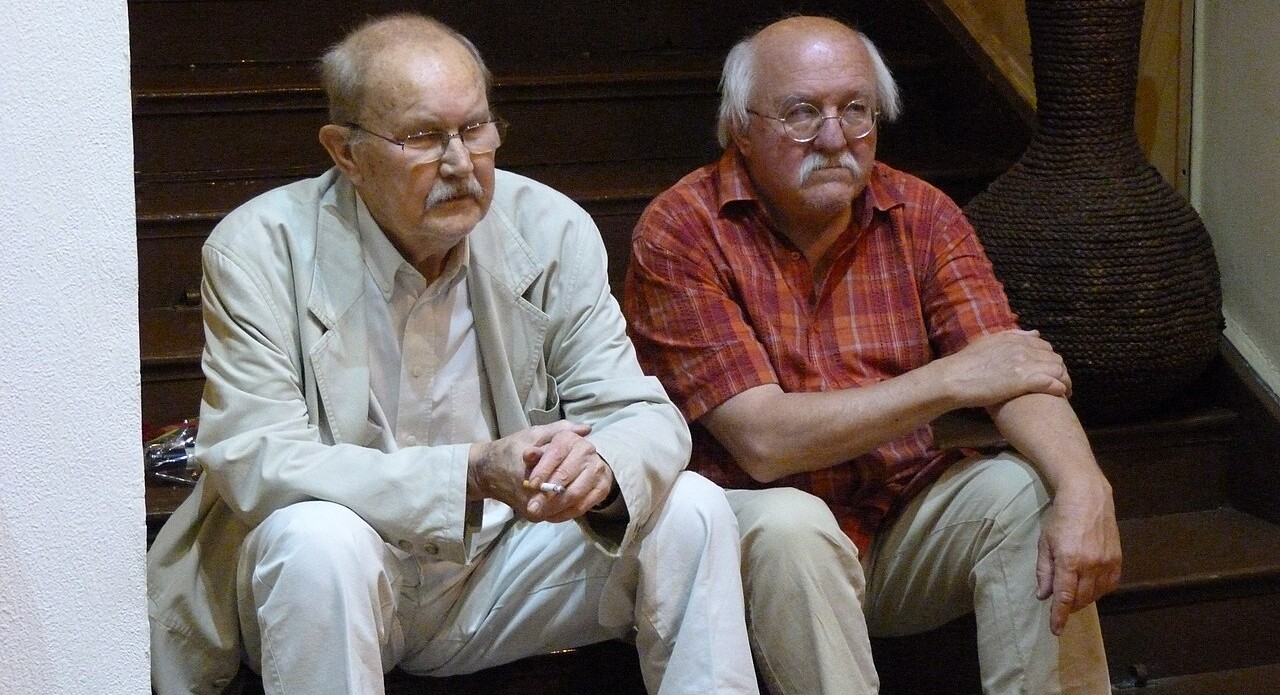


Long before sustainability became architecture’s favourite buzzword, Imre Makovecz understood that the greatest buildings do not simply occupy land; they grow from it. While much of the twentieth century celebrated concrete grids, steel boxes and anonymous glass towers, the Hungarian architect looked backwards to move forwards. He believed forests, folklore, churches and centuries old traditions held more architectural wisdom than any drafting table. His buildings breathe like living organisms, their sweeping timber frames resembling wings, ribs and ancient trees rather than engineered structures. For Makovecz, architecture was never merely about shelter. It was about giving physical form to the identity of an entire nation.
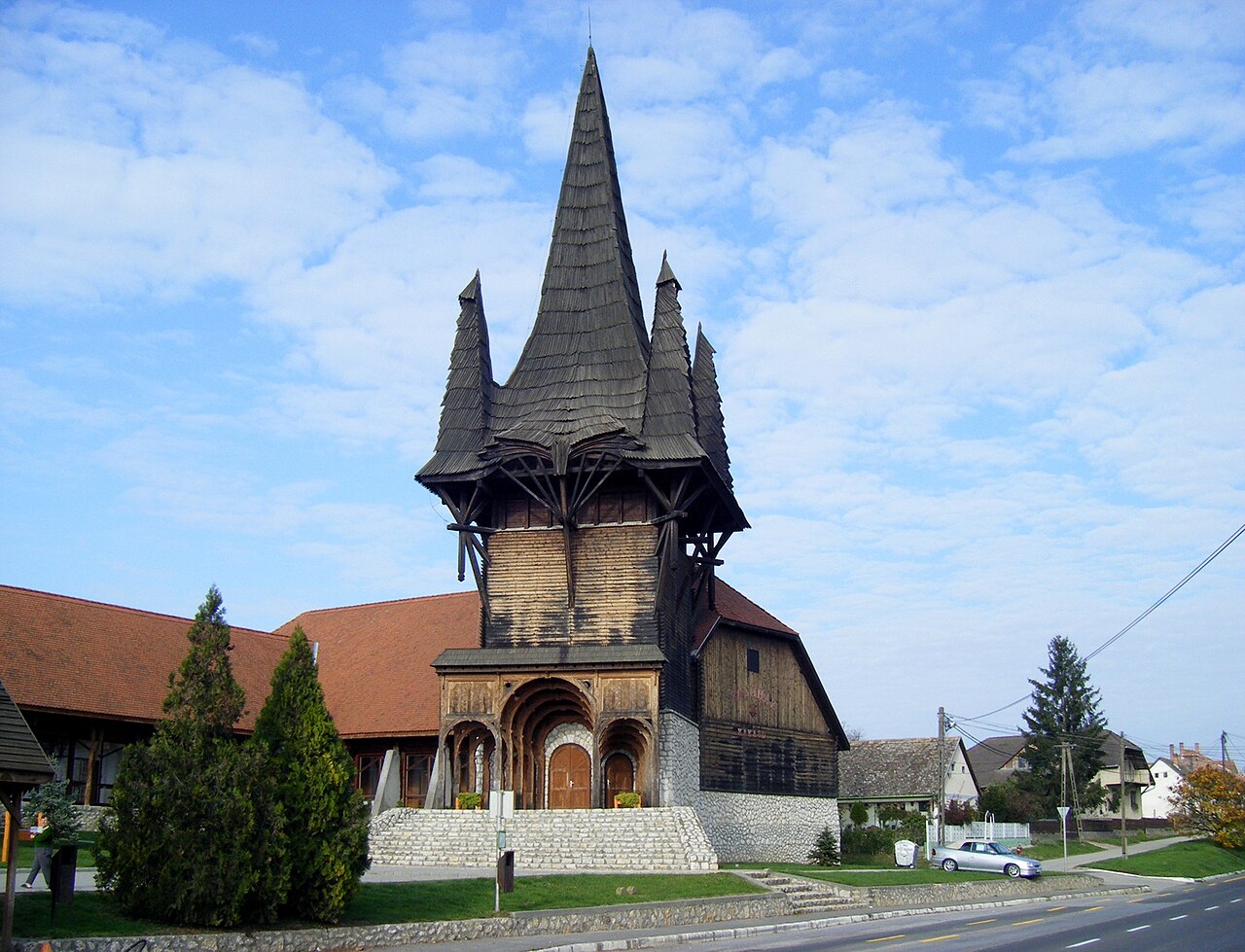
His architecture grew from Hungary’s history and mythology
Born in Budapest in 1935, Imre Makovecz developed an architectural philosophy rooted in Hungarian culture rather than international modernism. Drawing inspiration from ancient Magyar mythology, Christian beliefs and vernacular craftsmanship, he rejected standardised architecture that ignored local identity. Instead, every project sought to reconnect people with their cultural roots. Timber became his preferred material, while sculptural roofs, curved forms and symbolic details transformed ordinary buildings into emotional experiences that reflected Hungary’s collective memory.
Also Read: Why Irene Pérez And Jaume Mayol Are Among The Most Influential Voices In Mediterranean Architecture
The Holy Spirit Church in Paks became his architectural masterpiece
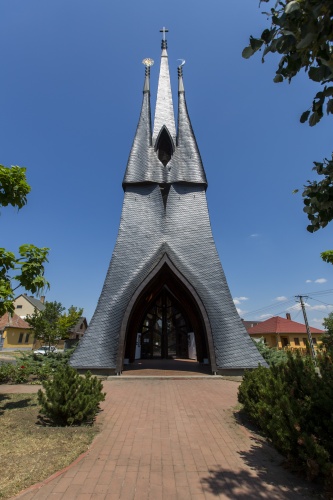
Among Makovecz’s finest works is the Holy Spirit Roman Catholic Church in Paks, completed in 1990. Rather than following conventional church architecture, the building rises like a living creature emerging from the landscape. Its soaring timber ribs resemble the skeleton of a great bird, while the dramatic roofline evokes wings stretching towards the sky. Natural light filters through carefully positioned openings, creating interiors that feel deeply spiritual without relying on excessive ornamentation. The church demonstrates Makovecz’s belief that architecture should communicate emotion before function, using organic forms to express faith, hope and cultural continuity.
The Stephaneum celebrates education through architecture
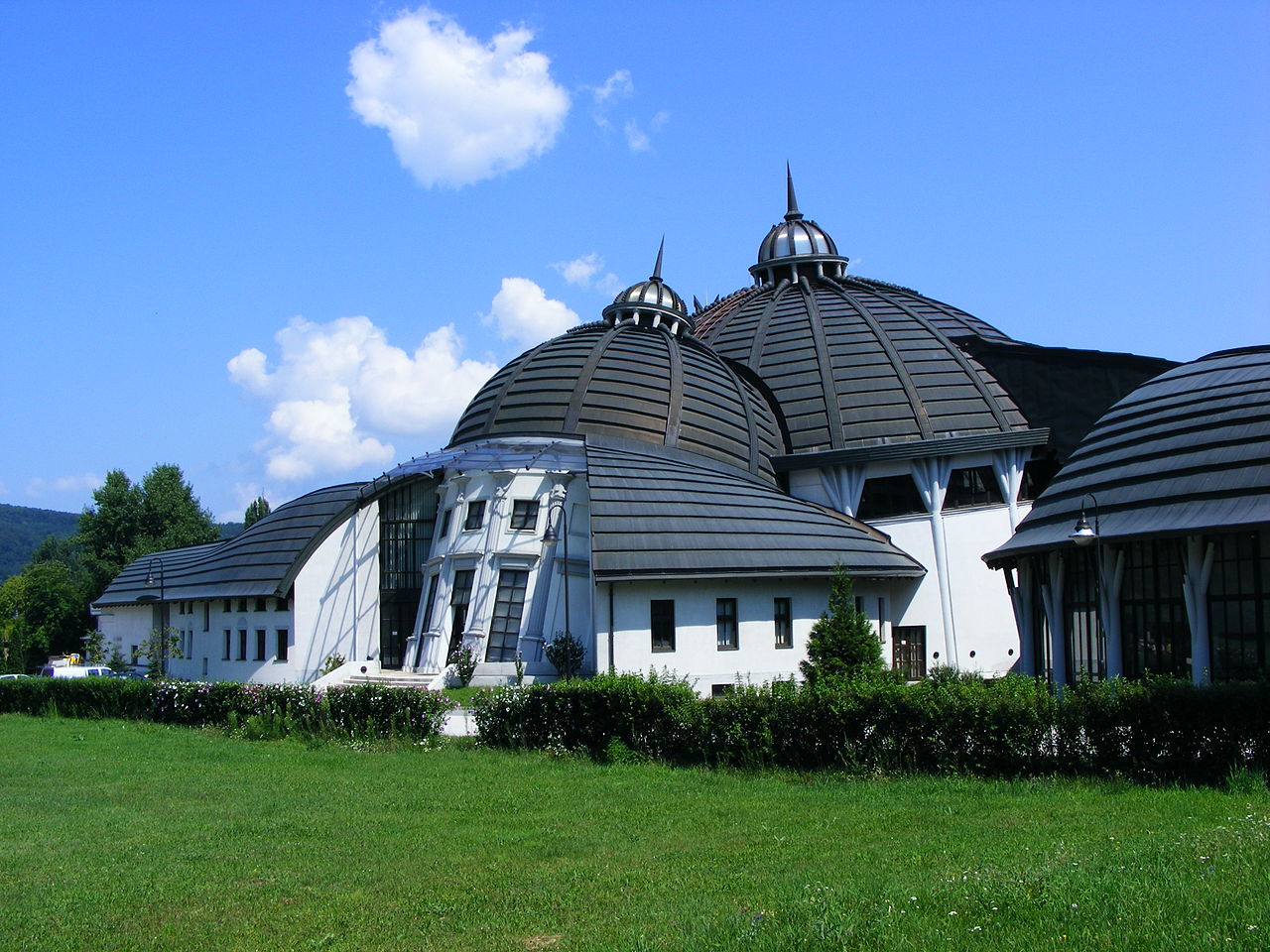
His vision continued with the Stephaneum at Pázmány Péter Catholic University in Piliscsaba, where architecture becomes an extension of learning and spirituality. Large timber structures frame expansive interiors, while sculptural roof forms and carefully controlled daylight create spaces that feel simultaneously monumental and welcoming. The building avoids rigid geometry in favour of flowing forms that encourage movement and contemplation. Here, education is not housed inside architecture. It is elevated by it.
Also Read: Top Spanish Architects Who Shaped Modern And Contemporary Design
Organic architecture became a cultural movement
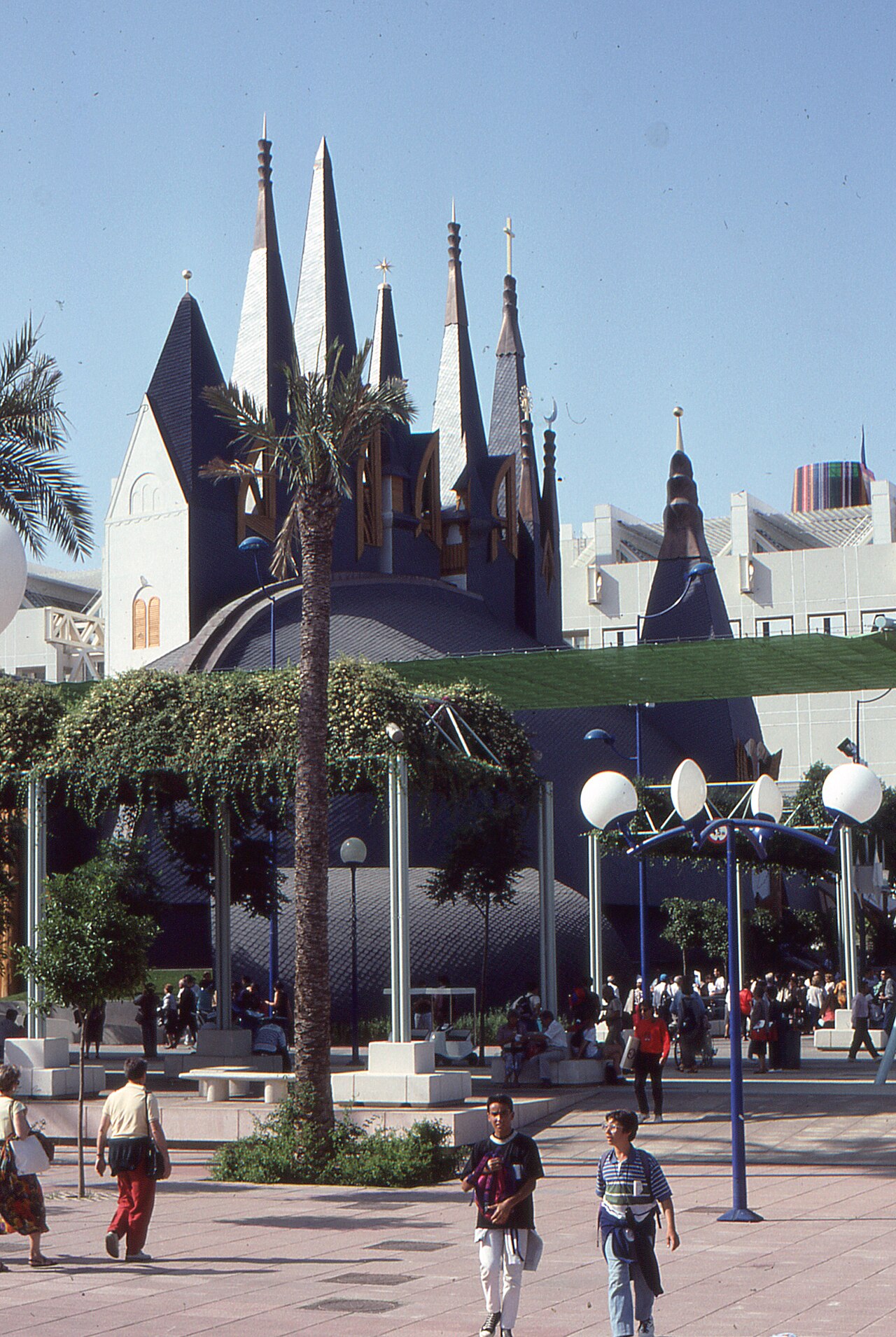
Unlike many architects who interpreted organic architecture purely through environmental design, Makovecz gave the movement a distinctly cultural dimension. His buildings respond to landscape, climate and local materials, but they also preserve stories, traditions and spiritual values. Every curved beam, handcrafted joint and expressive roof carries symbolic meaning rooted in Hungary’s history. This unique approach transformed architecture into a cultural archive, where buildings became guardians of national identity rather than simply functional structures.
A legacy that continues to inspire architects worldwide
Imre Makovecz remains one of the defining figures of twentieth century architecture, creating an unmistakable design language that continues to influence architects across Europe and beyond. His work reminds us that the finest architecture is not always the tallest or the most technologically advanced. Sometimes its greatest achievement is preserving a people’s memory through timber, light and craftsmanship. In an age where cities increasingly resemble one another, Makovecz proved that architecture reaches its highest purpose when it tells the story of the place and the people it was built to serve.