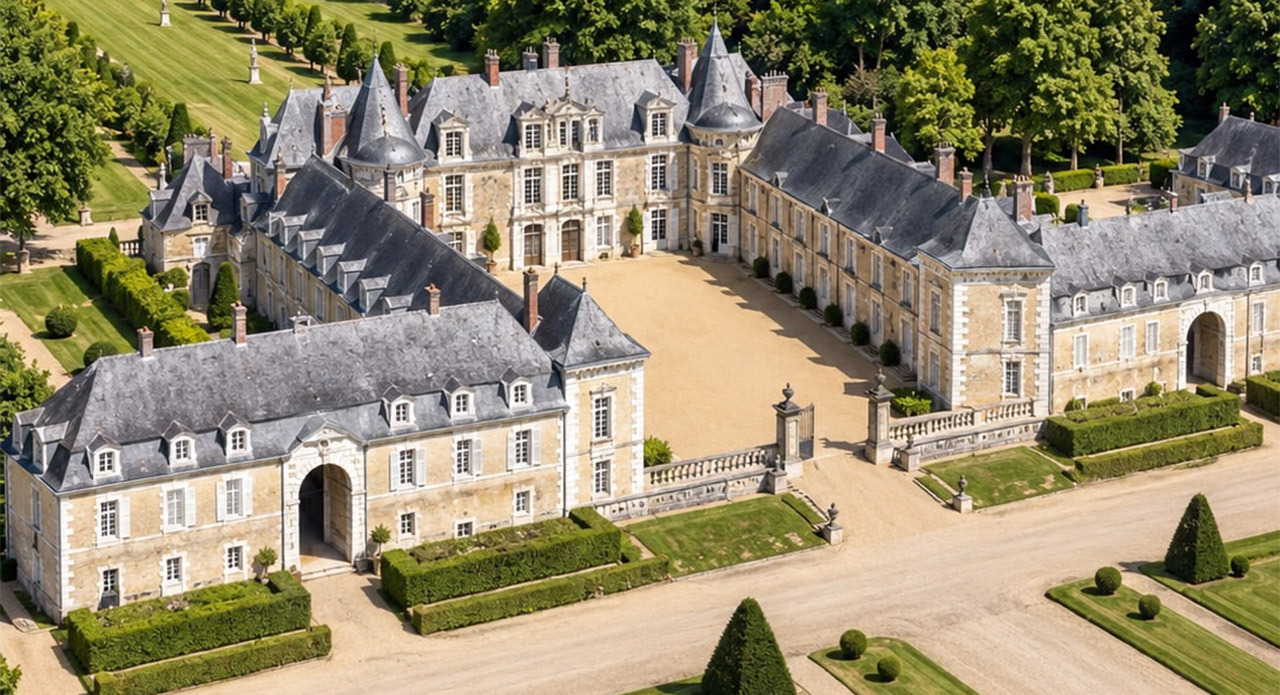


Spain has never been a nation that whispers and neither has its architecture. Long before the rest of Europe learned to admire restraint Spain was busy embracing excess emotion and a rather glorious disregard for the rulebook. This is a land where stone sweats history steel bends to drama and buildings behave less like shelters and more like declarations. Into this sun baked theatre stepped architects who designed not to reassure but to astonish combining engineering bravado cultural memory and a streak of madness that would make a Victorian gentleman drop his monocle. The result is architecture that refuses to behave politely stands defiantly against indifference and announces to the world with theatrical confidence that Spain does not merely build it performs.
Antoni Gaudí The Man Who Ignored Straight Lines

Antoni Gaudí looked at conventional architecture and decided nature knew better. Straight lines bored him, curves obsessed him, and gravity became something to negotiate rather than obey. His buildings feel alive breathing twisting and evolving like organisms frozen mid movement.
The Sagrada Família remains one of the most audacious architectural projects ever attempted a structure that refuses to be rushed even by time itself. Gaudí proved that architecture could be spiritual structural and wildly imaginative all at once and Spain has never looked the same since.
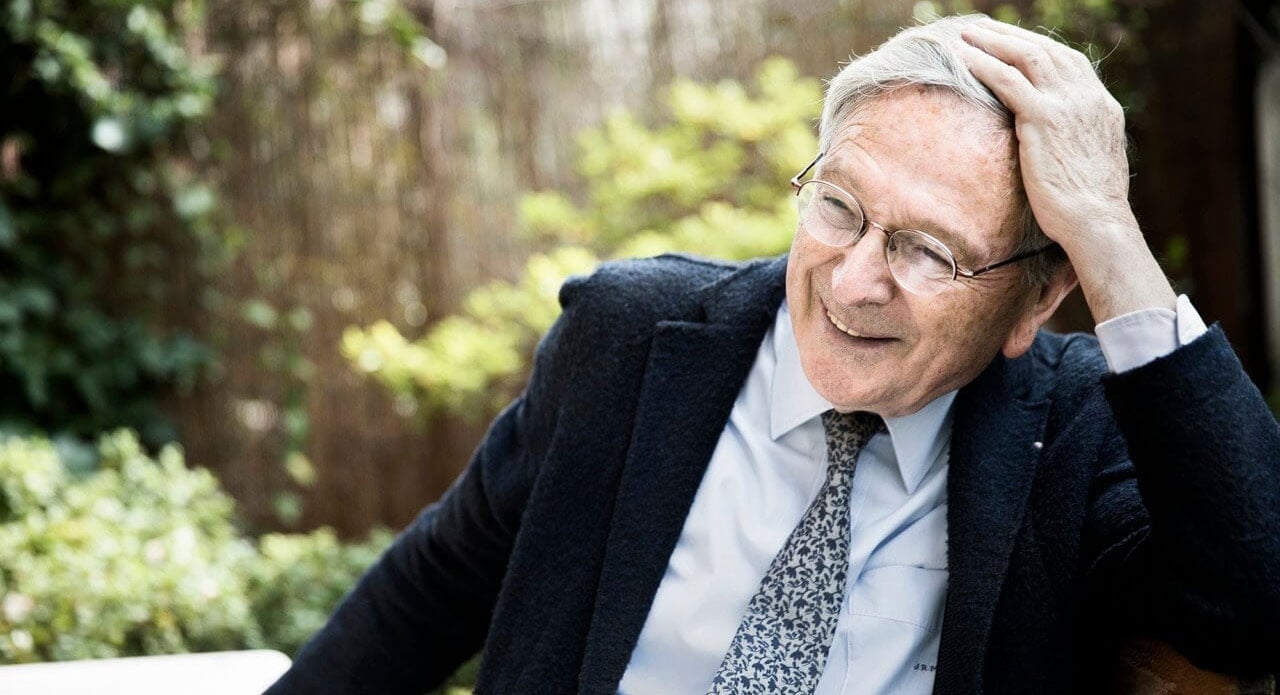
Rafael Moneo The Intellectual Modernist

Rafael Moneo brought clarity discipline and intellectual depth to Spanish architecture. Where others chased spectacle Moneo focused on context proportion and meaning. His buildings feel calm considered and deeply rooted in their surroundings.
From museums to civic institutions his work demonstrates that modern architecture can be powerful without being loud. Moneo reshaped how Spain builds serious public architecture proving that restraint when done properly can be revolutionary.
Ricardo Bofill The Architect Of Monumental Drama

Ricardo Bofill never believed architecture should be subtle. He thought buildings should command attention intimidate slightly and leave a lasting impression. His work blends classical geometry with modern materials creating structures that feel theatrical monumental and unapologetically bold.
Projects like Walden 7 challenged how people live collectively while his later works flirted with grandeur on an epic scale. Bofill gave Spanish architecture its sense of drama and showed the world that housing could be both ambitious and expressive.
Enric Miralles The Poet of Chaos And Movement

Enric Miralles designed buildings that appear to be in motion even when standing still. His work is fragmented layered and emotional responding to site history and memory rather than tidy diagrams.
Projects such as the Scottish Parliament reveal his ability to turn complexity into meaning. Miralles believed architecture should be experienced rather than explained and his influence continues to shape experimental design across Europe.
Santiago Calatrava The Engineer with A Flamboyant Streak

Santiago Calatrava completes the list as the architect who made engineering theatrical. Trained as both architect and engineer he designs structures that stretch twist and soar with sculptural confidence.
Bridges stations and cultural landmarks become feats of movement and balance under his hand. While often controversial Calatrava pushed Spanish architecture onto the global stage proving that structure itself could be the spectacle.
A Legacy Of Fearless Expression
Together these five architects gave Spain one of the most distinctive architectural identities in the world. Gaudí brought imagination Moneo brought intellect Bofill brought drama Miralles brought emotion and Calatrava brought kinetic energy. They did not design to please everyone. They designed to express ideas push limits and leave marks. And in doing so Spanish architecture became impossible to ignore.