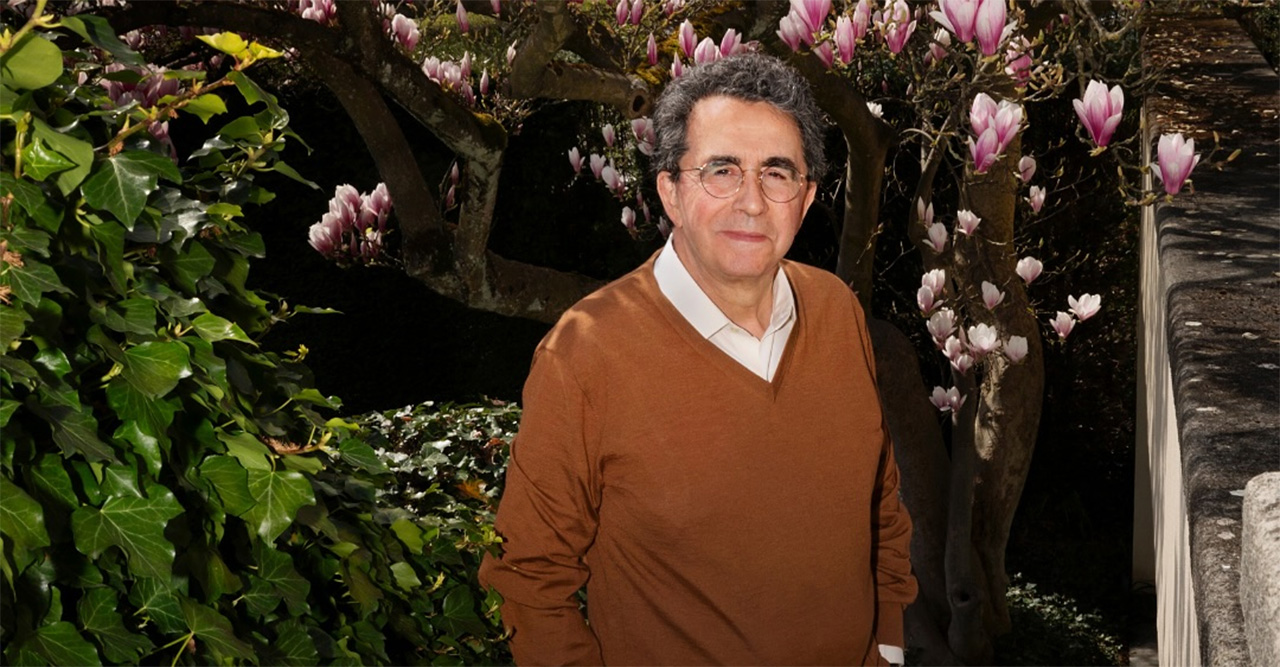


If buildings could stretch after a long nap and announce, “Look at me, I’m fabulous,” they’d probably look like something Santiago Calatrava designed. This is a man who took the cold, metallic seriousness of structural engineering and thought, “Yes, but what if it moved like a bird taking off?” While most architects argue about façades and budgets, Calatrava is busy bending steel like it’s warm taffy and making concrete perform acrobatics your spine could only dream of. He doesn’t just design buildings—he orchestrates them, turning cities into open-air theatres where bridges swoop, museums unfurl and transit hubs pose dramatically for photographs they know they’ll get. Subtle? Absolutely not. Spectacular? Always.

Early Life And Architectural Philosophy
Calatrava’s journey began in Valencia, where he trained first as an architect and then doubled down with a degree in civil engineering—because apparently doing one of the hardest things in the world wasn’t challenging enough. This dual training became the backbone of his design philosophy: architecture should be both technically brilliant and emotionally captivating. Inspired by skeletal structures, natural forms and kinetic movement, his work blends mathematics with sculpture, treating load-bearing elements as opportunities for beauty rather than obstacles.

Signature Design Language And Vision
Few architects have a style so instantly recognisable that you can identify it from an airport window seat, but Calatrava’s designs manage exactly that. He creates structures that look perpetually in motion—bridges that lean forward, stations that fan out like wings, roofs that ripple like giant mechanical creatures about to stretch. White concrete, flowing lines and organic symmetry dominate his palette. His architecture rarely whispers; instead, it sweeps into a city with the confidence of a runway model who knows every camera is already pointed at them.

Major Works That Captured Global Attention
Calatrava’s global breakthrough came with the Turning Torso in Malmö, a residential tower that twisted itself 90 degrees just because it could. Then his bridges began popping up everywhere—from the Puente del Alamillo in Seville to the Zubizuri Bridge in Bilbao—each one a sculptural composition of cables, asymmetry and pure bravado. The City of Arts and Sciences in Valencia cemented his reputation as a visionary, a futuristic complex of museums, theatres and aquariums that look like they landed from an optimistic version of the future. Meanwhile, the World Trade Center Transportation Hub in New York, with its “Oculus” design, delivered one of the most dramatic public spaces built in the 21st century, an interior bathed in light like the ribcage of a serene mechanical whale.

Legacy And Continuing Impact
Despite occasional controversy over budgets or engineering challenges, Calatrava’s influence on contemporary architecture remains undeniable. He pushed the boundaries of what structural expression could look like, inviting architects to think bigger—sometimes literally. His blend of engineering rigor and sculptural ambition paved the way for a new era of expressive, dynamic design. Whether loved or critiqued, his buildings are impossible to ignore, and that is precisely the point. Calatrava’s legacy is one of boldness, movement and the refusal to let cities stand still.