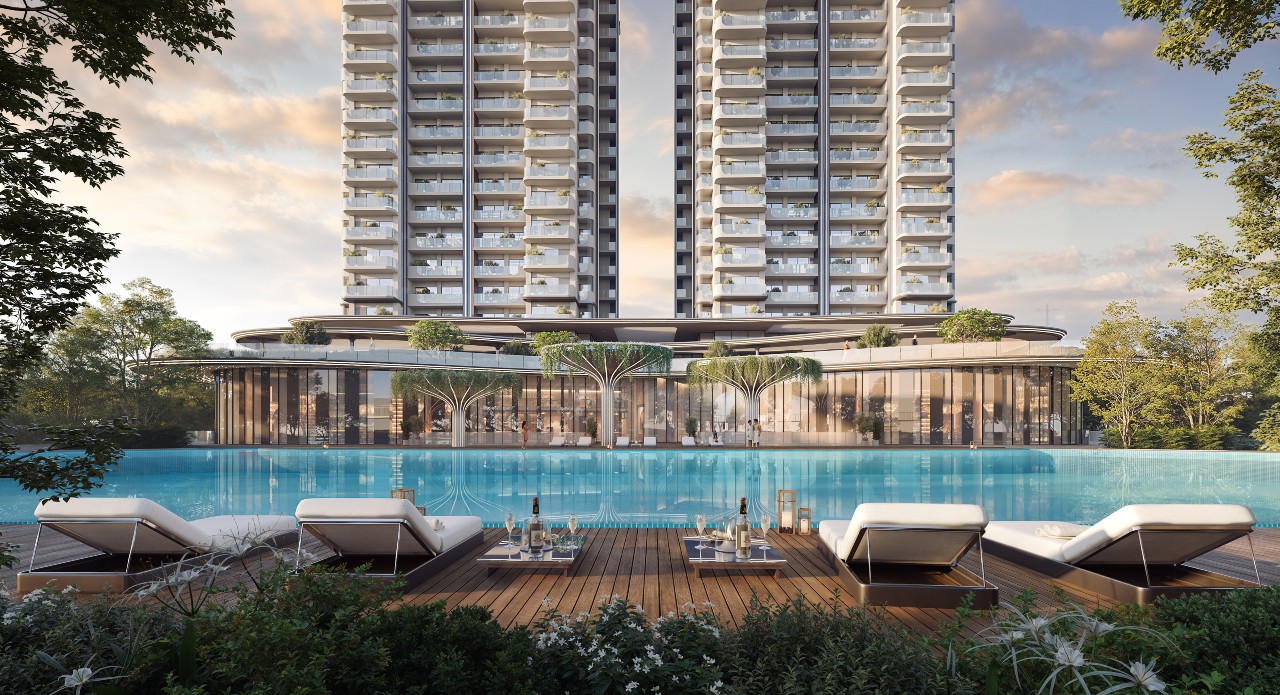


When M3M India unveiled Phase 1 of Gurgaon International City, it was not merely launching another residential cluster in the ever expanding sprawl of Gurugram. It was, in effect, staging a quiet referendum on the future of urban India. The verdict arrived with alacrity. Within three days of launch, the inventory was entirely spoken for, garnering approximately Rs 2,000 crore in residential sales.
In a market that often mistakes noise for demand, this was demand speaking in crystalline clarity. Launched in November 2025, Gurgaon International City, or GIC, is a 150 acre integrated master development planned with an investment of roughly ₹7,200 crore and an ambitious revenue potential of nearly ₹12,000 crore. But numbers, impressive as they are, only tell half the tale. The other half lies in the idea.

The Forest as Blueprint
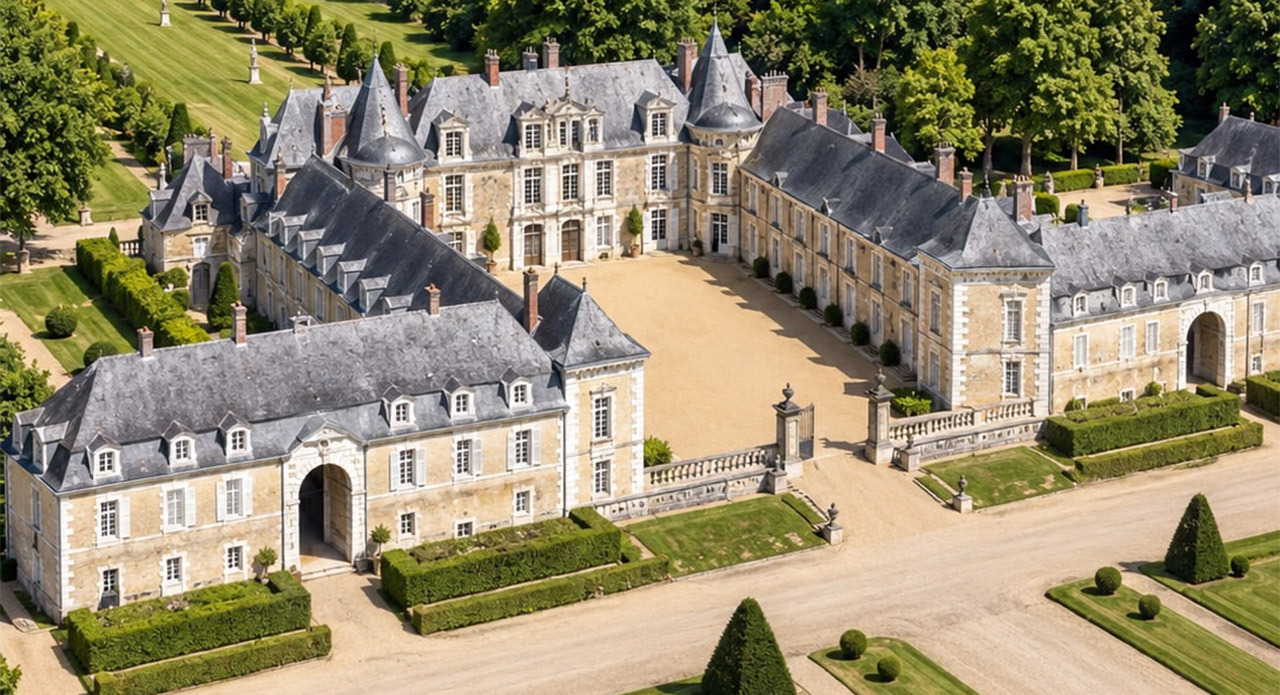
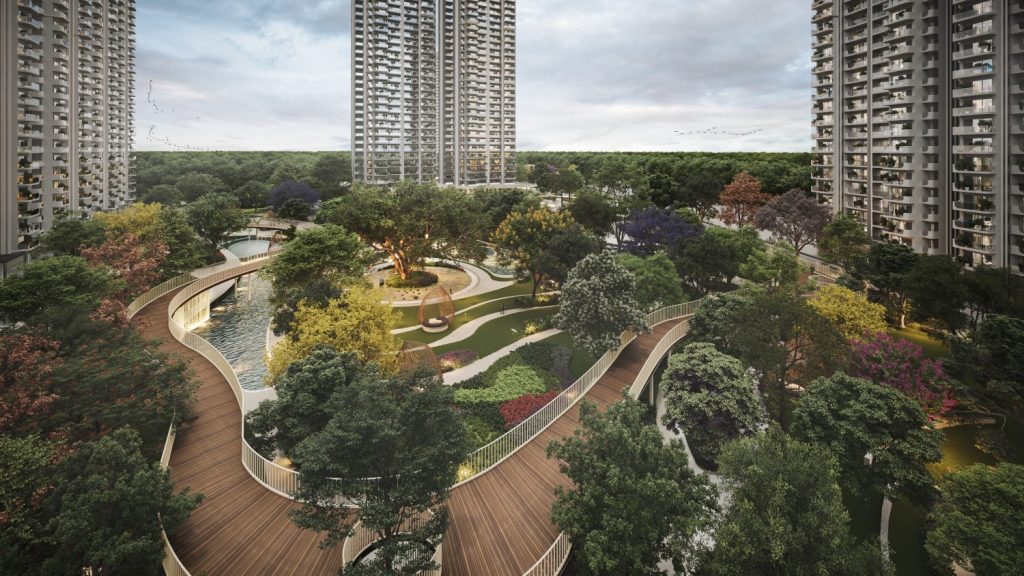
Conceptualised as a forest inspired, nature integrated Live Work Unwind ecosystem, GIC attempts what many developments promise but few deliver. It binds residential, industrial and lifestyle infrastructure into a single, thoughtfully orchestrated master plan.
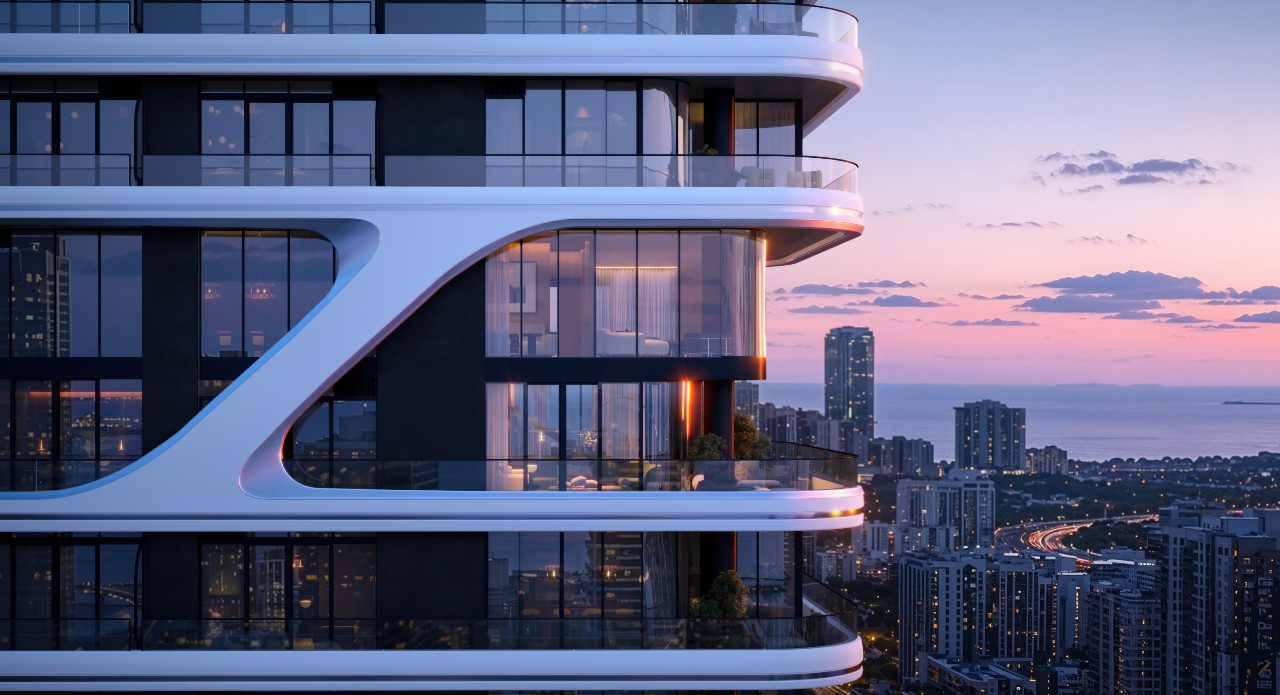
Phase 1 comprised industrial plots alongside residential offerings that struck distinct chords with modern buyers. M3M Forestia West introduced spacious 3 BHK residences designed for upwardly mobile families, while Smartworld Nature’s Court offered 2.5 BHK homes that resonated strongly with young professionals and first time homeowners.
The speed of absorption underscores a deeper shift in buyer psychology. Today’s home seeker is less enamoured by isolated luxury and more persuaded by organised, well connected, employment linked ecosystems. The aspiration is no longer for an address alone, but for an integrated life. Robin Mangla, President, M3M India, said “The sell-out of M3M Forestia West and Smartworld Nature’s Court Phase 1 within three days is more than a sales milestone, it signals the arrival of nature-integrated, aspiration-led, affordability-backed urban living as the next big real estate wave.”
Connectivity as Currency
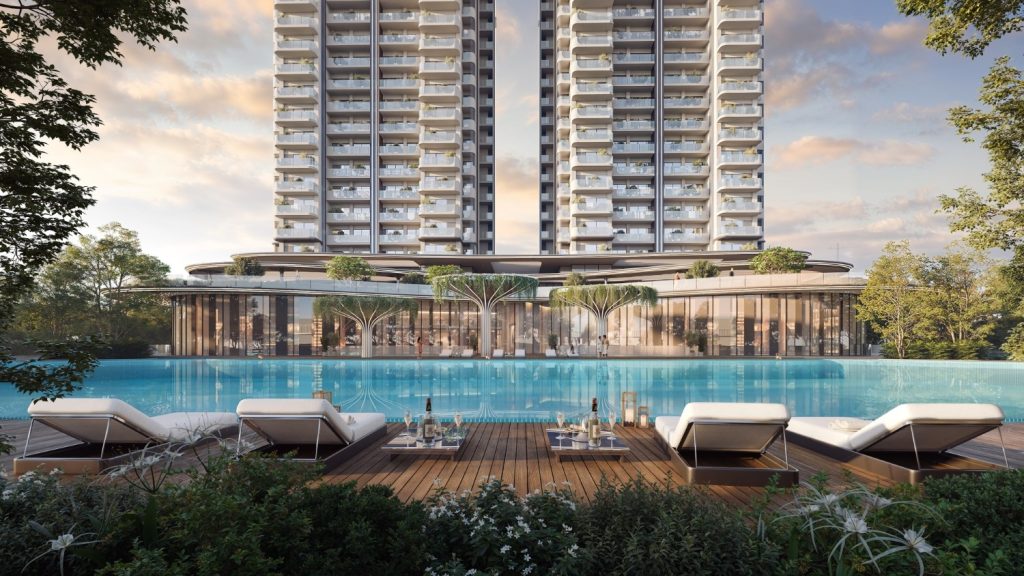
Real estate, as the old maxim reminds us, is about location. GIC appears to have taken that aphorism rather seriously. The development is strategically linked to three major expressways, including the nearly ready Rewari Gurgaon Expressway, which is expected to reduce travel time by up to 60 percent. For a generation that measures time in productivity and possibility, this reduction is not merely infrastructural. It is existential.
The surrounding landscape further burnishes the project’s appeal. Lakes shimmer in proximity, the Aravalis rise in ancient reassurance, and bird sanctuaries lend a pastoral grace that feels almost rebellious in a city known for glass and grit. Expansive green spaces, forest trails, skywalks and wellness focused amenities transform the rhetoric of sustainability into lived experience.
Industry Meets Intention
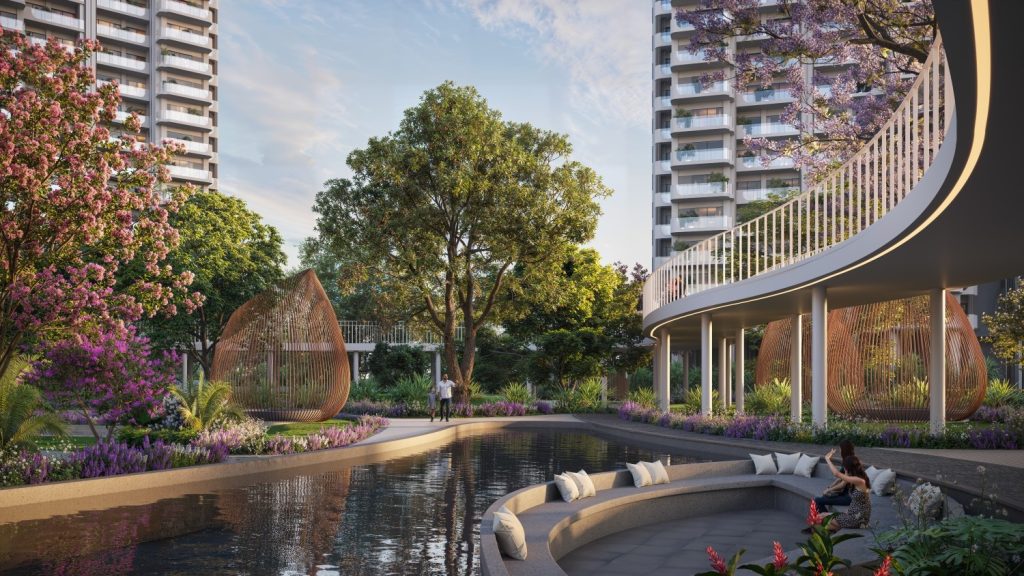
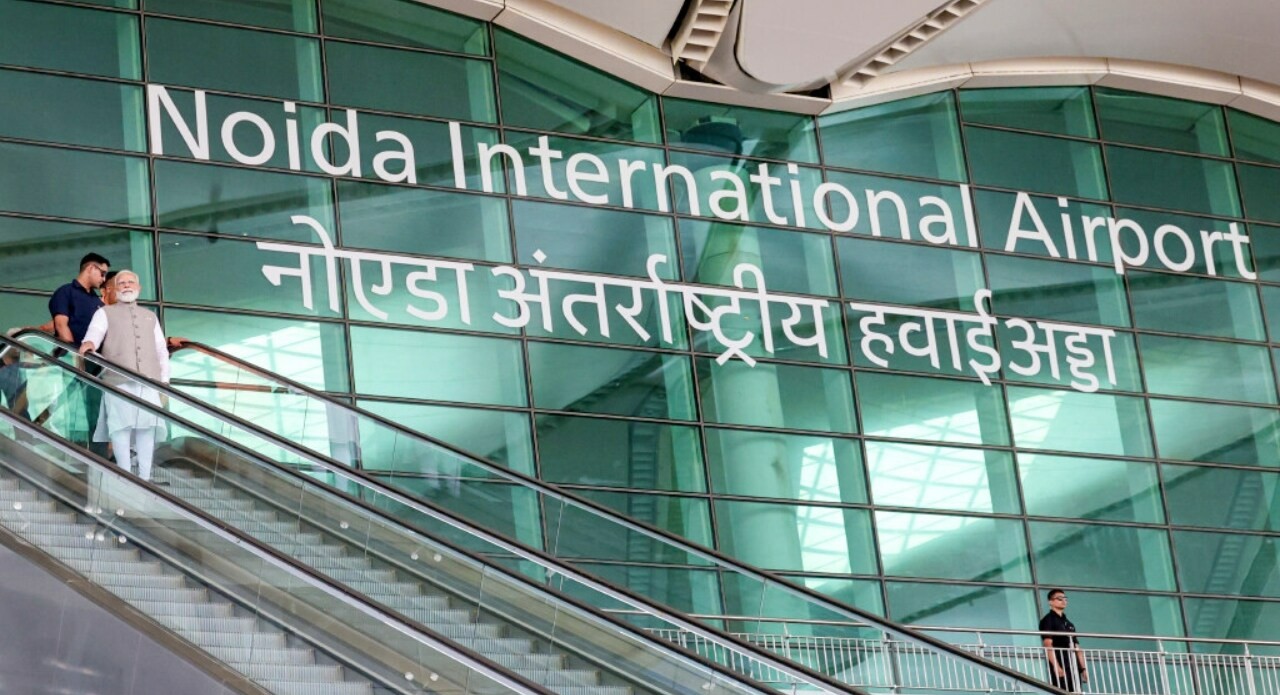
Yet GIC is not a bucolic retreat masquerading as a township. It is equally an industrial and technological proposition. Planned as a low emission, clean industry hub, it will feature the M3M Innovation Park, a data centre, an EV hub, retail avenues and luxury residential zones in seamless adjacency.
The development is expected to attract global corporations such as Apple, Tesla and Microsoft, thereby reinforcing a self sustaining employment ecosystem. In doing so, it addresses one of urban India’s perennial paradoxes: homes on one end of the city, jobs on the other, and traffic in tyrannical between. By co locating employment and residence, GIC gestures toward a more rational urban grammar.
The New Urban Buyer
The enthusiastic response to Phase 1 also mirrors the evolving demographic of Gurugram. Young working professionals, many migrating from Tier 2 and Tier 3 cities, are seeking communities that bridge aspiration and affordability. They desire accessible price points, yes, but also structured environments that promise security, connectivity and upward mobility.
Rising urban migration, improved infrastructure and a hunger for organised living have converged in this emerging growth corridor. GIC, with its forest inspired master planning and large scale integrated infrastructure, appears to have anticipated that convergence with uncommon prescience.