

The real estate landscape of Delhi-NCR is undergoing a quiet yet consequential metamorphosis, one defined not merely by the ascent of taller towers, but by the elevation of aspiration itself. Branded residences, once the preserve of global capitals, have found fertile ground in this region, offering a persuasive blend of design pedigree, curated services, and the reassuring imprimatur of internationally recognised names. Parallel to this rise is the emergence of what may be described as billionaire neighbourhoods, rarefied enclaves where privacy, scale, and architectural distinction converge to create habitats as much symbolic as they are residential. Together, these phenomena are recalibrating the grammar of luxury, shifting the conversation from square footage to stature, and from ownership to experience. It is against this backdrop of evolving urban desire that Outlook Luxe engaged in a candid and wide ranging conversation with Pankaj Bansal, Promoter, M3M India, whose recent collaboration with the illustrious fashion house Elie Saab signals not just a partnership, but an assertion that the future of Indian luxury real estate will be authored at the intersection of global aesthetics and domestic ambition.

Your partnership with Elie Saab for branded residences signals a decisive move toward globally aligned luxury. What inspired this collaboration, and how does it elevate the living experience beyond traditional high-end housing?
Pankaj Bansal: True luxury is no longer about scale. It’s more about design integrity, emotion, and relevance that endures. And so, this collaboration was inspired by this shared belief and not just opulence. ELIE SAAB represents a global design philosophy where craftsmanship, emotion, and timeless elegance converge. By partnering with them, we are moving beyond conventional high-end housing into the realm of curated living, where architecture, interiors, and lifestyle are conceived as one cohesive experience. These residences are not just homes; they are expressions of a refined global sensibility, tailored for India’s evolving luxury buyer.
In a market that is becoming increasingly design conscious, how does the Elie Saab association influence architectural language, interiors, and the emotional appeal of these residences for the modern luxury buyer?
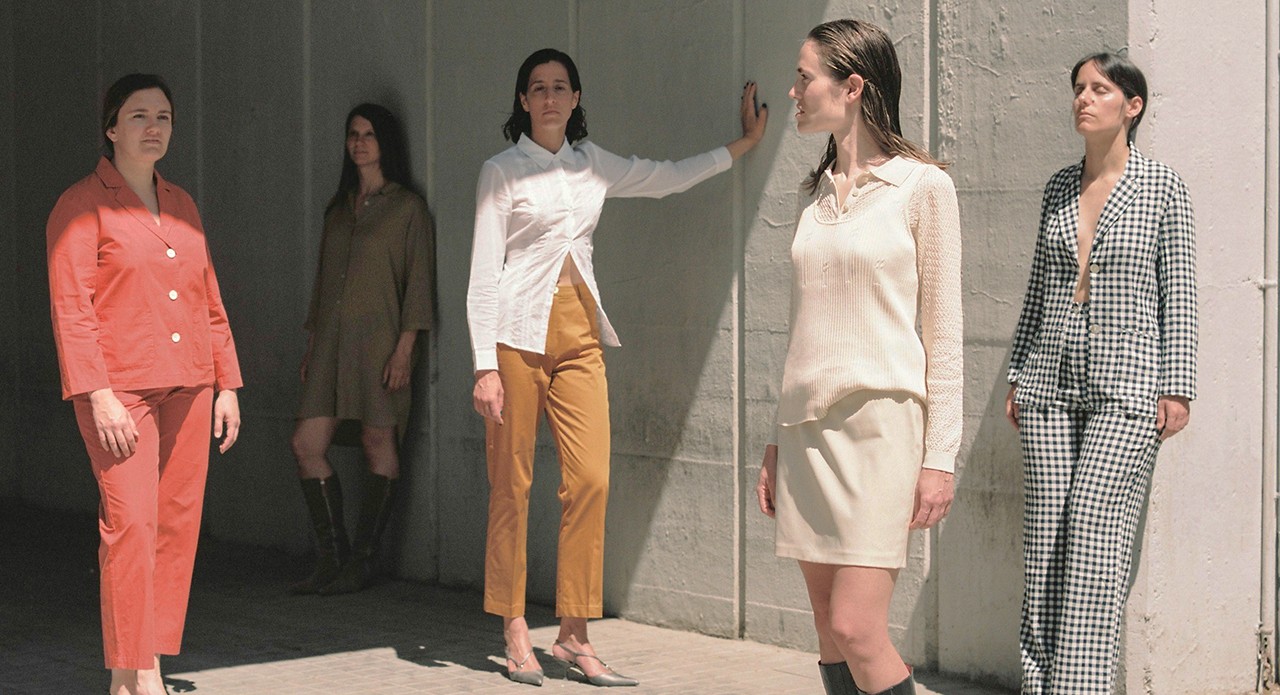
PB: Design is deeply emotional. When it is done right, a home then doesn’t just impress you- it stays with you. A great design will always account how that space will make you feel the moment you enter it. The ELIE SAAB association introduces that distinctive architectural and interior language rooted in proportion, materiality, and understated elegance. From bespoke furniture crafted in Italy to thoughtfully layered interiors, every detail is intentional. For the modern luxury buyer, who is globally exposed and design-aware, this creates an immediate emotional connection. The home feels personal, sophisticated, and enduring, rather than trend-driven.
Also Read: M3M India And Smartworld Developers Launch ELIE SAAB Signature Residences In India
As a leader who has closely observed the evolution of premium housing, how would you define the emerging concept of the billionaire neighbourhood, and what factors are driving its rapid ascent?
PB: This new billionaire neighbourhood is not defined by scale or price. It is defined by curation. So, this neighbourhood is not crowded and is defined by values and not visibility. It brings together limited residences, global brands, privacy, and a shared design philosophy within a meticulously curated ecosystem. Its rapid ascent is driven by a new generation of ultra-affluent buyers who value discretion, global benchmarks, and legacy-ready assets. They are not buying addresses; they are buying ecosystems that reflect who they are and how they live.
Do you believe billionaire enclaves are merely about exclusivity, or are they reshaping the social and cultural fabric of urban luxury living?
PB: Modern luxury is moving from being seen to being felt. Exclusivity is only the entry point. What truly defines these enclaves is shared cultural alignment. When like-minded individuals live within thoughtfully designed environments, it fosters a quiet community built on privacy, taste, and global outlook. These enclaves are reshaping urban luxury by shifting the focus from visibility to values-where luxury is experienced inwardly rather than displayed outwardly.
Branded residences are often described as the intersection of hospitality and real estate. In your view, how are they redefining buyer expectations, particularly among globally exposed Indian investors?
PB: Today’s buyer doesn’t want just a house. They want a globally benchmarked living experience. Globally exposed Indian investors now expect homes to deliver the same seamlessness as the world’s finest hotels without compromising privacy. Branded residences redefine expectations by offering service-led living, curated amenities, and consistently high design standards. Buyers are no longer comparing homes only within India; they are benchmarking against London, Dubai, and New York. This shift has made branded residences a natural choice for those who view real estate as both a lifestyle upgrade and a strategic asset.
Looking ahead, do you see branded residences as a passing luxury trend or a structural shift in how affluent individuals choose to live, invest, and build legacy assets?
PB: Branded residences are not a moment in luxury. They are the future of legacy living. This is a structural shift. As wealth becomes more global and legacy-focused, buyers are gravitating toward residences that offer permanence, brand credibility, and long-term value. Branded residences sit at the intersection of lifestyle, investment, and inheritance. They are designed to remain relevant decades from now which is exactly how today’s affluent buyers think about the future.