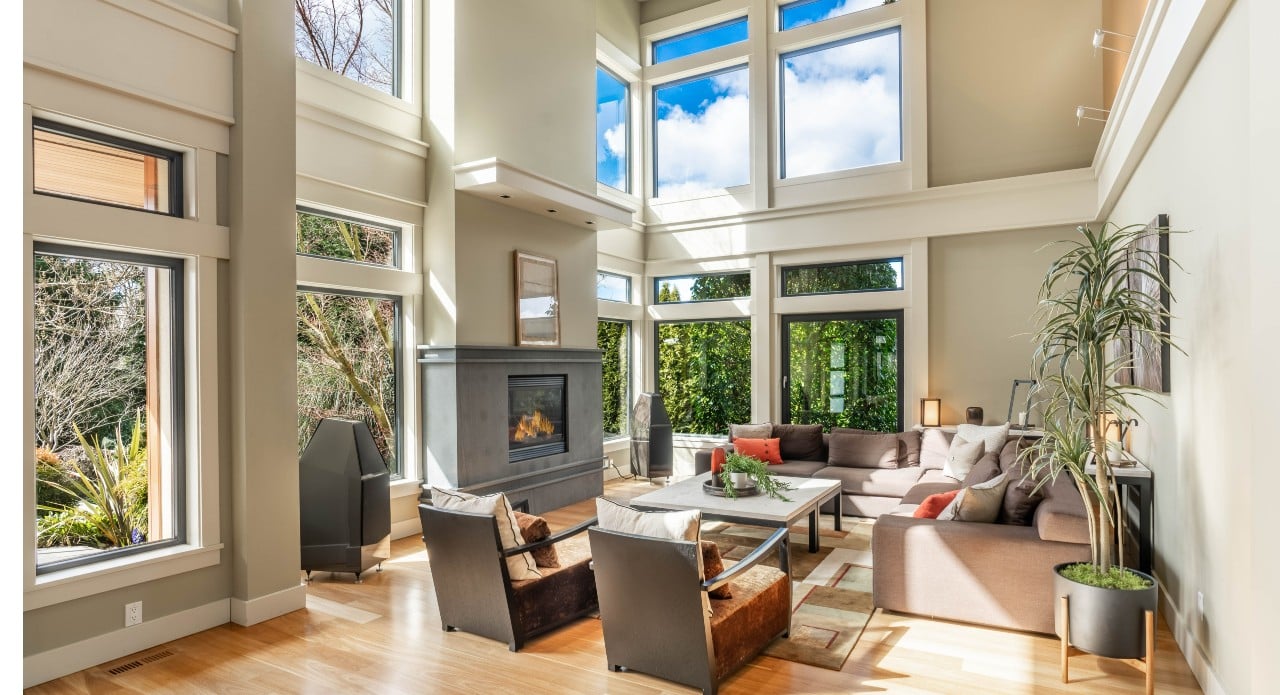


Long before electricity illuminated our homes with the flick of a switch, the greatest architects understood that the finest source of light arrived free every morning. They designed buildings that greeted the sunrise, softened the afternoon glare and allowed daylight to travel gracefully through every room. Today, despite remarkable advances in artificial lighting, natural light remains architecture’s most irreplaceable material. It shapes mood, defines space, reveals texture and transforms ordinary rooms into extraordinary experiences. A beam of morning sunlight across polished timber or the soft glow filtering through a courtyard often creates more drama than the most expensive chandelier ever could. Designing with daylight is therefore far more than placing larger windows into a façade. It is a careful study of orientation, climate, shadow, proportion and movement throughout the day. When mastered, light becomes an invisible architect, guiding how we live, work and connect with our surroundings. The world’s finest homes are not remembered because they are the brightest, but because they know precisely how to let the sun become part of the architecture itself.
Courtyards bring nature and light into the heart of the home
For thousands of years, courtyards have remained one of architecture’s most effective responses to climate and human wellbeing. Rather than relying solely on perimeter windows, architects introduce open air spaces within the building itself, allowing daylight and fresh air to penetrate deep into the home’s interior. These internal gardens become places of reflection while also improving natural ventilation and reducing dependence on artificial lighting. As the sun moves overhead, changing patterns of light and shadow animate surrounding walls and floors, making the architecture feel alive. Courtyards also create moments of privacy, allowing residents to experience nature without sacrificing intimacy, particularly in dense urban environments where conventional gardens are often impossible.
Skylights transform ceilings into living canvases
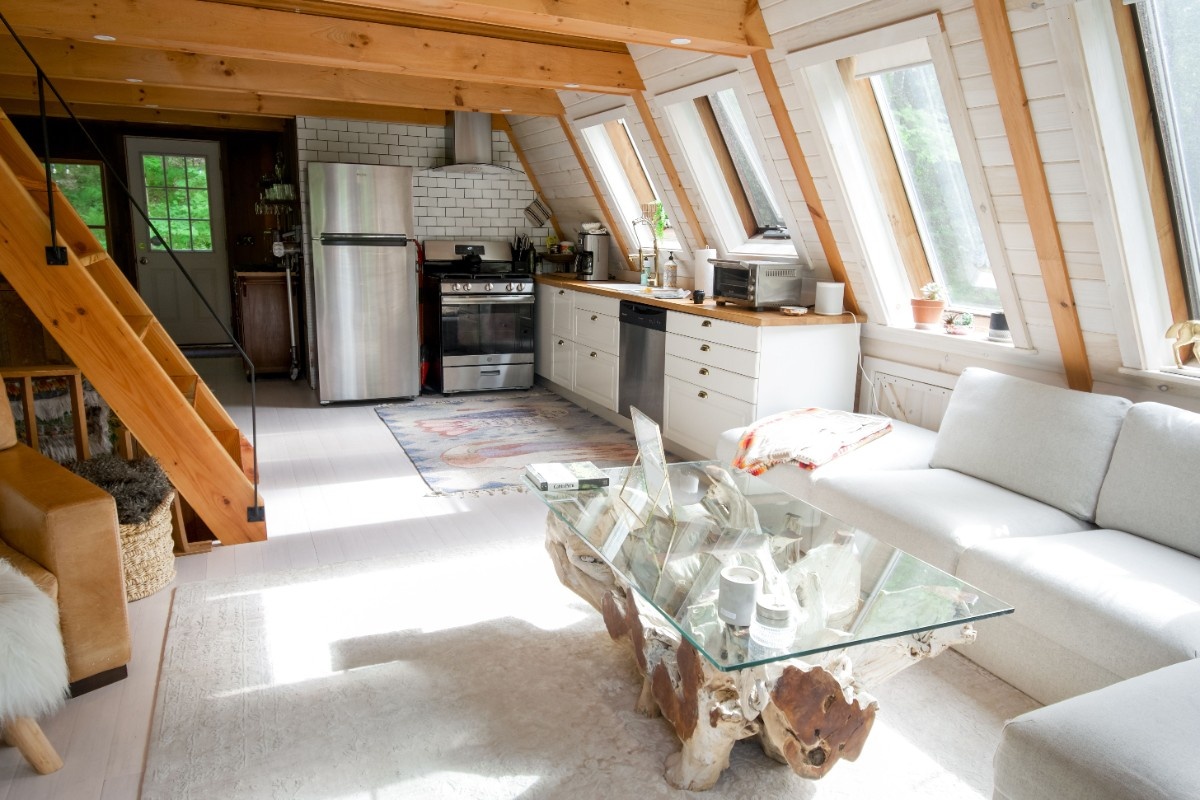
Some of architecture’s most memorable spaces receive their light not from the sides but from above. Skylights, roof lanterns and carefully designed light wells introduce daylight in ways conventional windows cannot, creating interiors that feel calm, uplifting and almost spiritual. Unlike direct sunlight entering through a façade, overhead illumination spreads evenly across walls and ceilings, revealing the natural textures of timber, stone and concrete with extraordinary subtlety. Throughout the day, shifting sunlight paints changing compositions across the interior, ensuring no two moments feel identical. In many contemporary homes, the ceiling becomes an active architectural surface where light itself replaces ornamentation.
Also Read: How Atelier ARS Became One Of Mexico’s Most Influential Architectural Practices
Light gives materials their true character
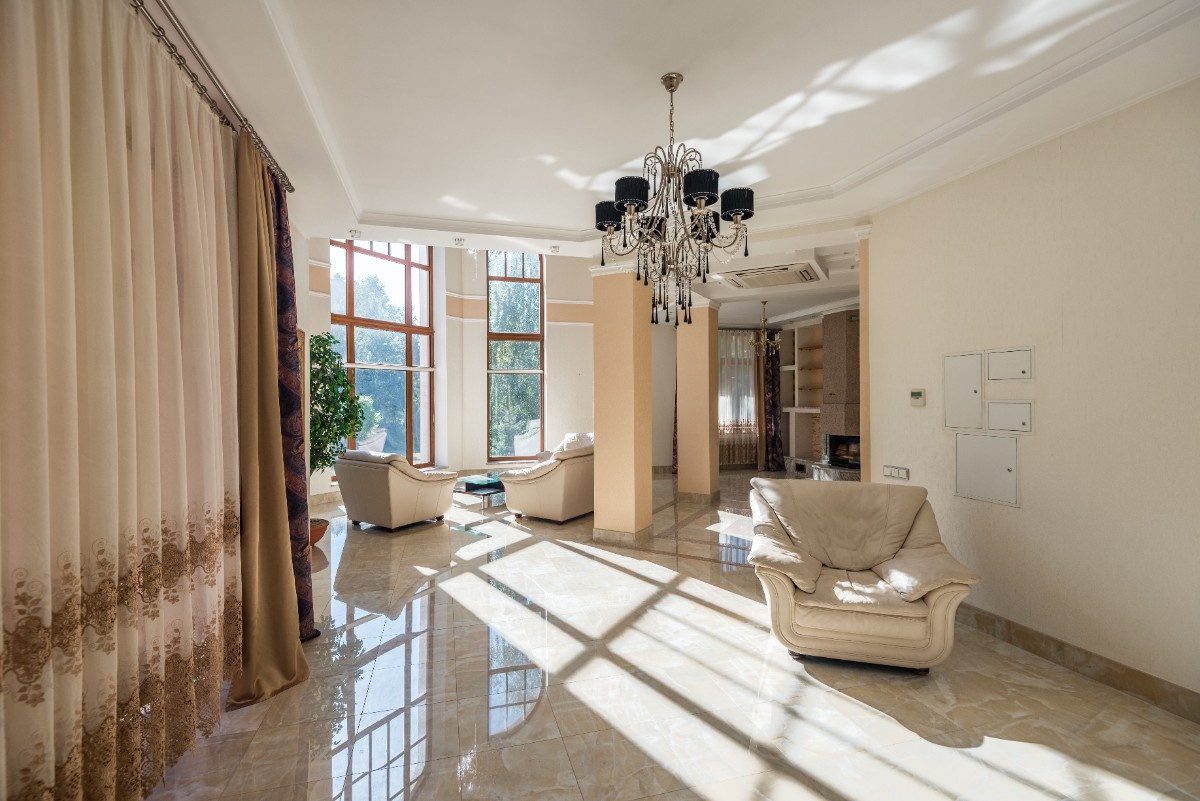
Without natural light, even the most luxurious materials lose much of their emotional impact. The warmth of oak, the subtle veining of marble, the texture of exposed concrete or the handcrafted imperfections of natural stone all reveal themselves differently as daylight changes. Morning light introduces crisp clarity, midday sunlight emphasises detail and texture, while the golden tones of late afternoon create warmth and intimacy. Great architects understand that materials should never be viewed as isolated objects but as surfaces designed to interact continuously with natural light. It is this dialogue between daylight and craftsmanship that gives exceptional homes their richness and depth.
Also Read: The Art Of First Impressions: Why Grand Entrances And Facades Matter
Designing with daylight creates healthier homes
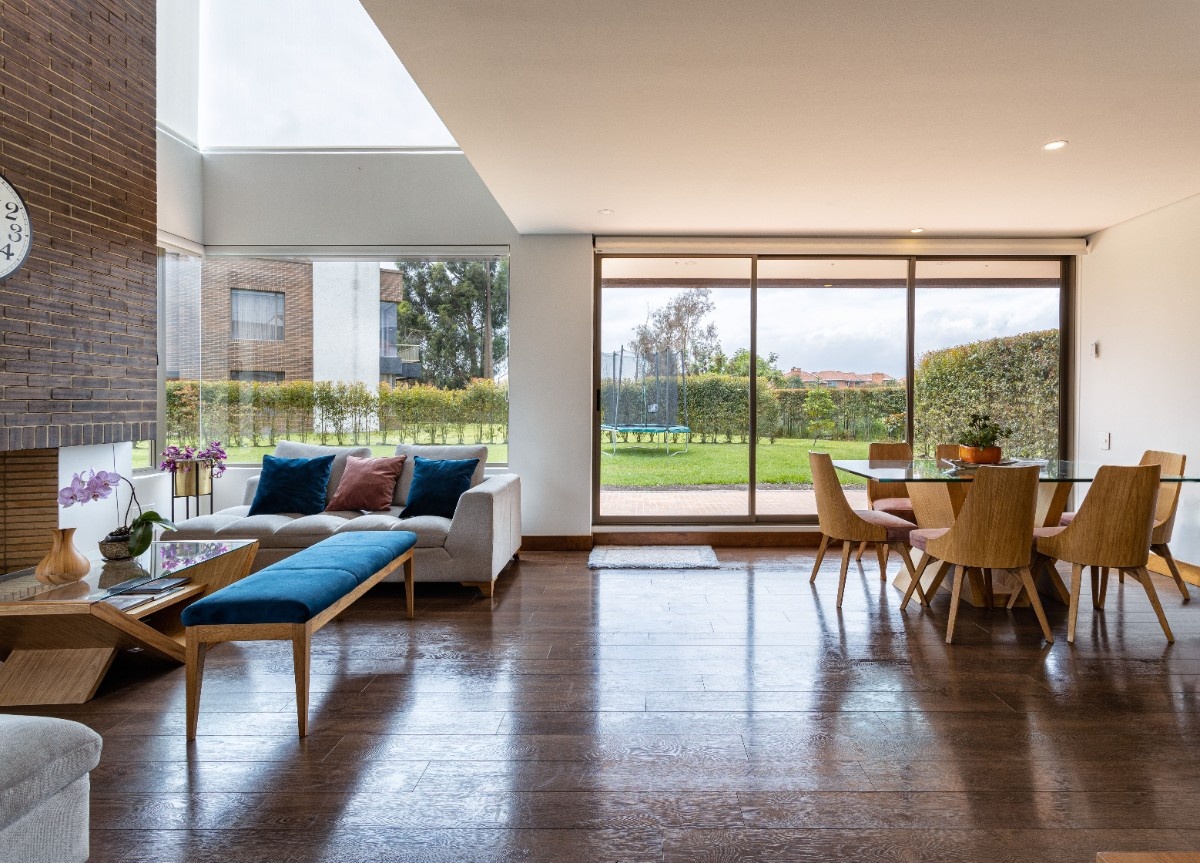
Natural light is not merely an aesthetic consideration but a fundamental contributor to wellbeing. Numerous studies have demonstrated that access to daylight improves mood, regulates circadian rhythms, enhances productivity and supports overall physical and mental health. Architects increasingly integrate generous daylight strategies not only to reduce dependence on artificial lighting but also to create homes that feel healthier and more comfortable throughout the year. Combined with natural ventilation and biophilic design principles, daylight transforms architecture into an environment that supports the rhythms of everyday life while reducing energy consumption and strengthening the connection between occupants and the natural world.
Why natural light remains architecture’s greatest luxury
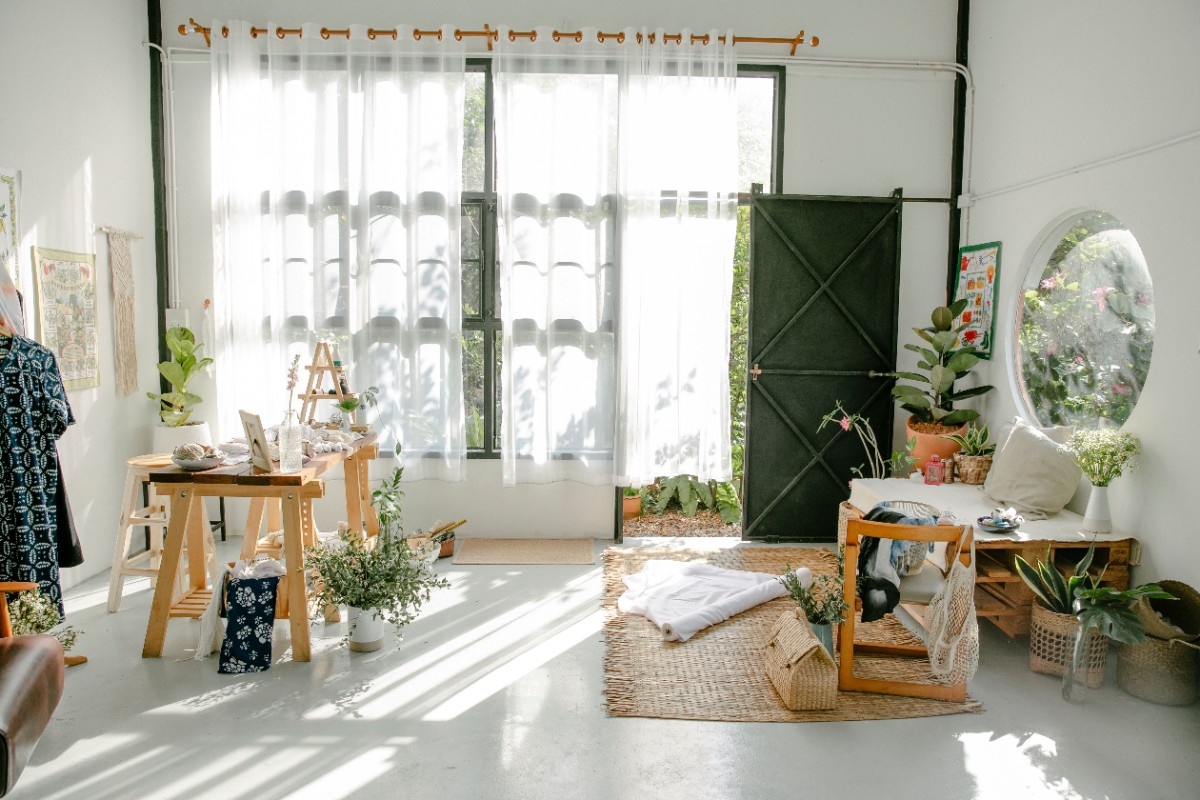
Luxury is often associated with rare materials, bespoke craftsmanship and extraordinary scale, yet one of architecture’s greatest luxuries remains entirely free. Natural light possesses an unmatched ability to shape atmosphere, define space and transform ordinary moments into memorable experiences. The finest homes do not simply contain daylight; they are choreographed around it, allowing the movement of the sun to dictate how spaces are experienced from dawn until dusk. In an era increasingly defined by technology and artificial environments, architecture that embraces natural light feels more valuable than ever. It reminds us that the greatest buildings are not only designed to shelter us but also to reconnect us with the timeless rhythms of nature.