How The Past Is Shaping India’s Contemporary Art Scene
Past Perfect closed in Gurugram having made a simple case: classical Indian art is not just history, it is a rare, appreciating asset. A Mughal miniature that recently sold for INR 132 crore at Christie's proves the point. For one month, over 70 such treasures finally got the attention they have long deserved
For nearly a month this summer, The Quorum Club in Gurugram held more than 70 works of classical Indian art under one roof, several of them worth several lakh rupees apiece, some centuries older than most standing forts in the region. Past Perfect: ‘A Thousand Years of Indian Art’, which ran from 13 August to 7 September 2026, closed just days ago. But the case it made, that these objects are treasures in the most literal sense, is worth returning to.
“We want visitors to slow down with these objects,” says Supriya Lahoti, Co-founder of Heirloom Art, one of the three organisations behind the show. “To spend time looking closely, asking questions, and discovering the histories embedded within them.” Across more than 70 works spanning the 9th to the 19th centuries, ‘Past Perfect’ made its case that classical art is less a relic than a rare, appreciating asset, the kind of material that only grows harder to find with every year that passes.
A Millennium of Makers
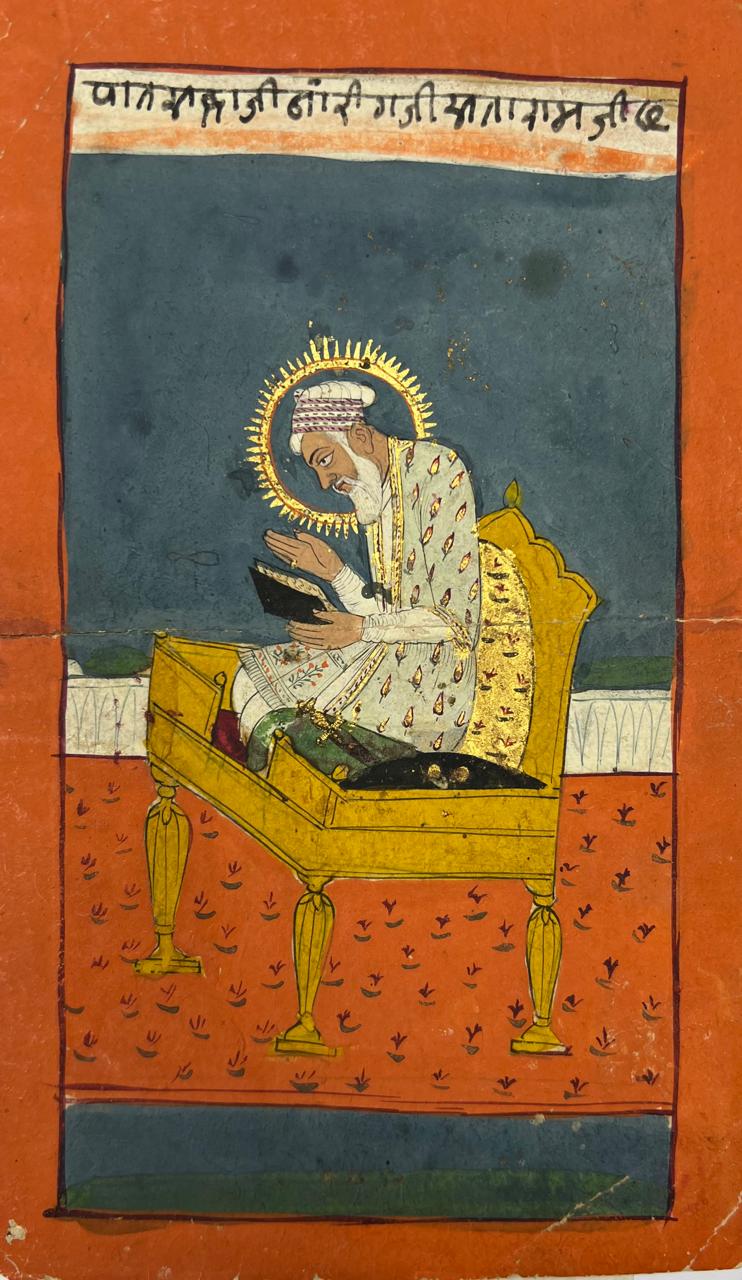
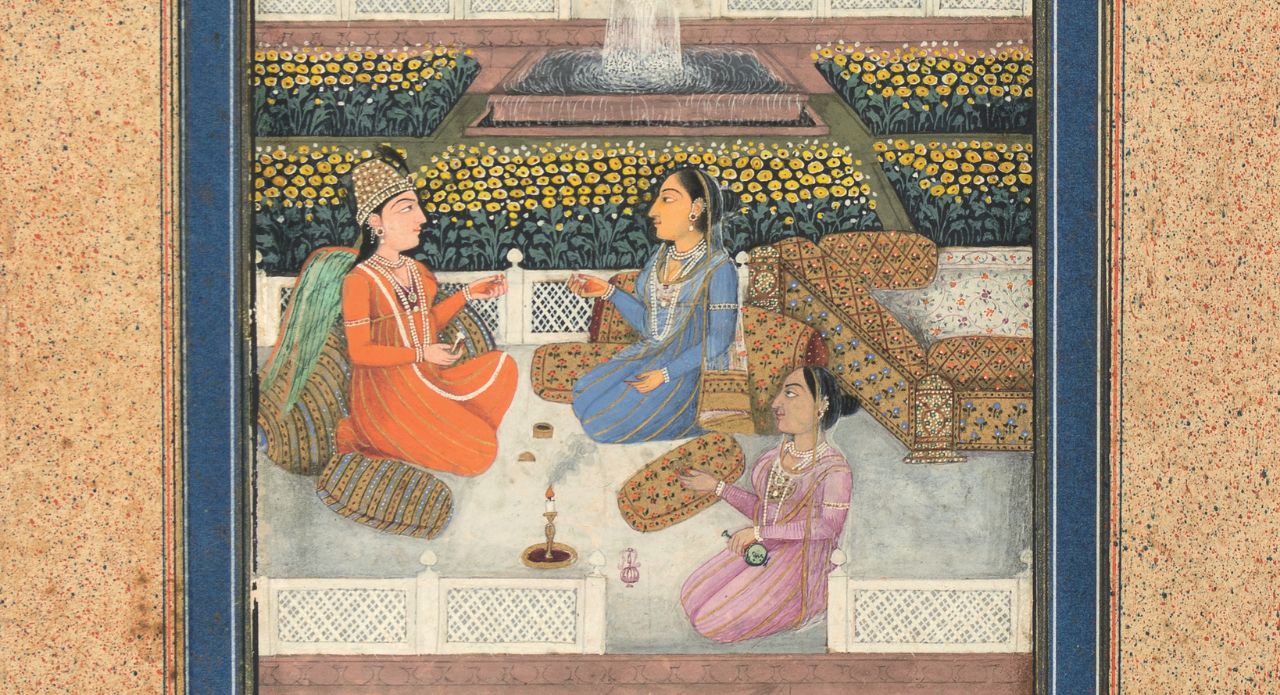
The works resisted any single narrative. Deccani, Rajput and Provincial Mughal paintings sat alongside illustrated Shahnama folios, Jain manuscript pages, depictions of Radha and Krishna, and Franco-Indian albums. Sculpture carried its own weight, from images of Durga and Surya to Pala-era bronzes, carved wood, silver and textiles.
A pair of early eighteenth-century ‘Rasikapriya’ folios painted at the Amber court under Sawai Jai Singh topped the list at INR 10,00,000 each. A Provincial Mughal portrait of a noble lady, circa 1730, followed at INR 6,00,000. A Jaipur folio of the tantric goddesses Varahi and Kurukulla, once part of the Royal Mandi Collection, was priced at INR 5,00,000, and a Deccani ragamala folio that had already passed through a Boston auction house in 2012 before resurfacing here was listed at INR 4,50,000. Rare, in this market, is not a figure of speech. It is the entire premise.
Also Read: Five Indian Art Traditions That Made Peacock Iconic
Assembling that range under one roof was rare; assembling it through three specialists working in concert was rarer still. Todywalla Auctions brought a classical Indian art calendar built since 2022, Heirloom Art brought founders trained in Asian art at the School of Oriental and African Studies, University of London (SOAS), and Itihāsology brought a public-history platform built on making old material feel unfinished. Together, they staged Quorum Club’s first classical Indian art show at this scale.
When History Turns Contemporary
The point was made most vividly a continent away. In October 2025, Christie’s London sold Basawan’s ‘A Family of Cheetahs in a Rocky Landscape’, a Mughal miniature painted around 1575 and held for decades in Prince Sadruddin Aga Khan’s private collection, for approximately INR 132 crore, the highest price ever paid for a classical Indian or Islamic painting at auction. The full sale of 95 works brought in roughly INR 592 crore against a pre-sale estimate of about INR 103 crore, the strongest result the South Asian art market has recorded. A four-hundred-year-old painting is not always a museum curiosity. Sometimes it is one of the better-performing assets in the room.
‘Past Perfect’ made a quieter version of the same argument closer to home. On September 5, Ricky Chopra International Counsels hosted a fireside salon on the Koh-i-Noor’s legal afterlife, provenance, restitution, and who gets to claim ownership of contested heritage, a reminder that value and history are rarely far apart in this material.
Also Read: Where Luxury Becomes Inheritance: The Rise of the Heirloom Home
Which is, in the end, the simplest case for a show like this. These paintings and bronzes are not just rare, they are easy to miss, tucked into private collections and catalogue pages until an evening like this pulls them back into view. For one month in Gurugram, treasures that usually go unseen finally got the attention they have long deserved.