Beyond Luxury: The Biggest And Most Opulent Homes Ever Built
Sprawling estates, monumental palaces and billionaire residences redefine the meaning of luxury, bringing together architectural ambition, extraordinary scale and opulent living across the globe
There are homes that offer comfort, residences that make a statement and then there are architectural behemoths that seem to exist in a league of their own. Built with staggering budgets, sprawling footprints, elaborate interiors and ambitions that often blur the line between private residence and palace, the world’s largest homes are more than real estate. They are monuments to power, heritage, wealth and imagination. Across continents, these extraordinary estates have been shaped by royalty, industrialists, billionaires and visionaries, with some stretching across acres of land while others rise dramatically above the city skyline.
Marble corridors, ballroom sized living spaces, private gardens, ornate domes, sprawling entertainment suites and architectural flourishes define these residences, where the idea of home is elevated to an entirely different scale. From the grandeur of India’s historic palaces to contemporary mega mansions in the United States and monumental residences built for heads of state, these properties reveal how luxury can take countless forms. Outlook Luxe takes a look at some of the biggest and most opulent homes ever built, where architecture, scale and extravagance converge.
La Reverie, Palm Beach, USA
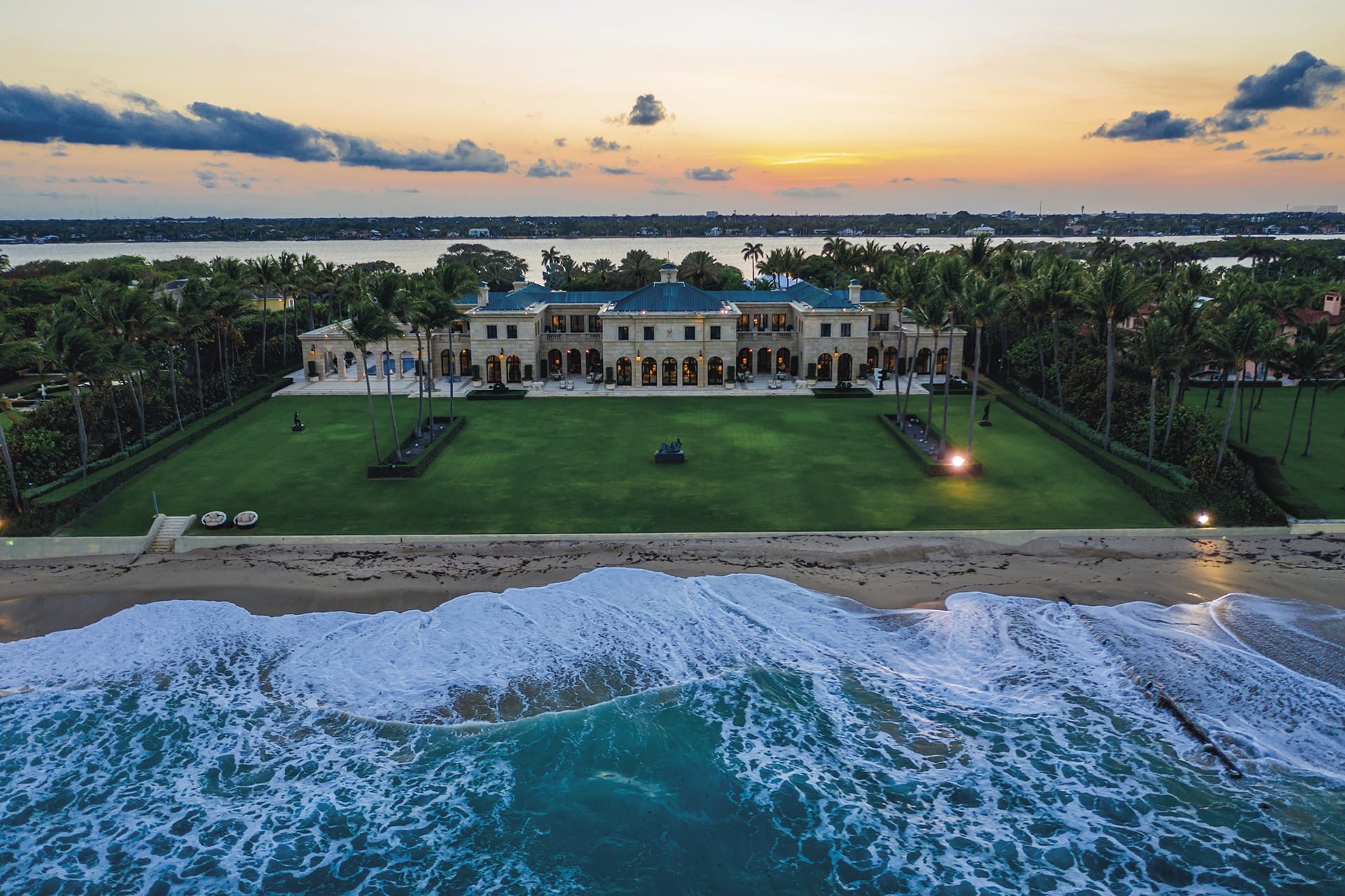
Palm Beach has long been synonymous with grand estates, but La Reverie occupies a particularly extravagant corner of the American luxury real estate landscape. The palatial property is celebrated for its sprawling architecture, elaborate interiors and the sort of scale that turns a private home into an architectural spectacle. Characterised by expansive living spaces, lavish detailing and an estate setting, it embodies the old world glamour associated with Florida’s wealthiest enclaves.
Palm Beach itself has become a playground for some of the world’s most affluent homeowners, where privacy, manicured landscapes and oceanfront living are central to the appeal. La Reverie reflects that tradition of grandeur, with an architectural presence that places it among the region’s most talked about residential estates.
Also Read: Kabhi Khushi Kabhie Gham’s Raichand Mansion Comes Alive In Mumbai For Its 25th Anniversary
The One, Bel Air, USA
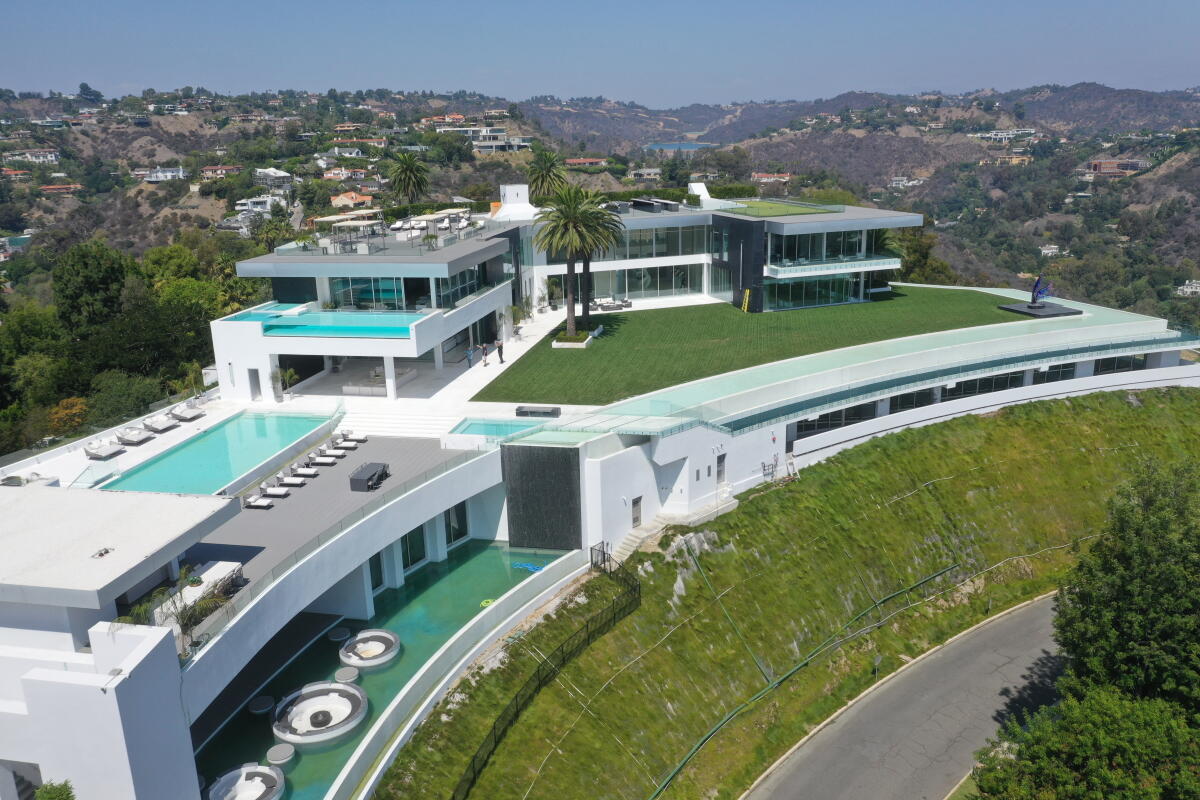
Designed to redefine the idea of a modern mega mansion, The One in Bel Air, Los Angeles, is a contemporary property built around sheer scale, spectacle and indulgence. Spanning approximately 105,000 square feet, the residence became widely known for its extraordinary size, expansive entertainment spaces and panoramic views of Los Angeles.
The estate was conceived with an array of luxury amenities, including multiple swimming pools, entertainment areas, a nightclub, wellness facilities, expansive terraces and elaborate interiors. Its design reflects a distinctly contemporary approach to ultra luxury living, where private residences increasingly resemble self contained resorts. The One became one of the most talked about mega mansions in the United States, a symbol of the excesses and ambitions associated with California’s billionaire real estate market.
Antilia, Mumbai, India
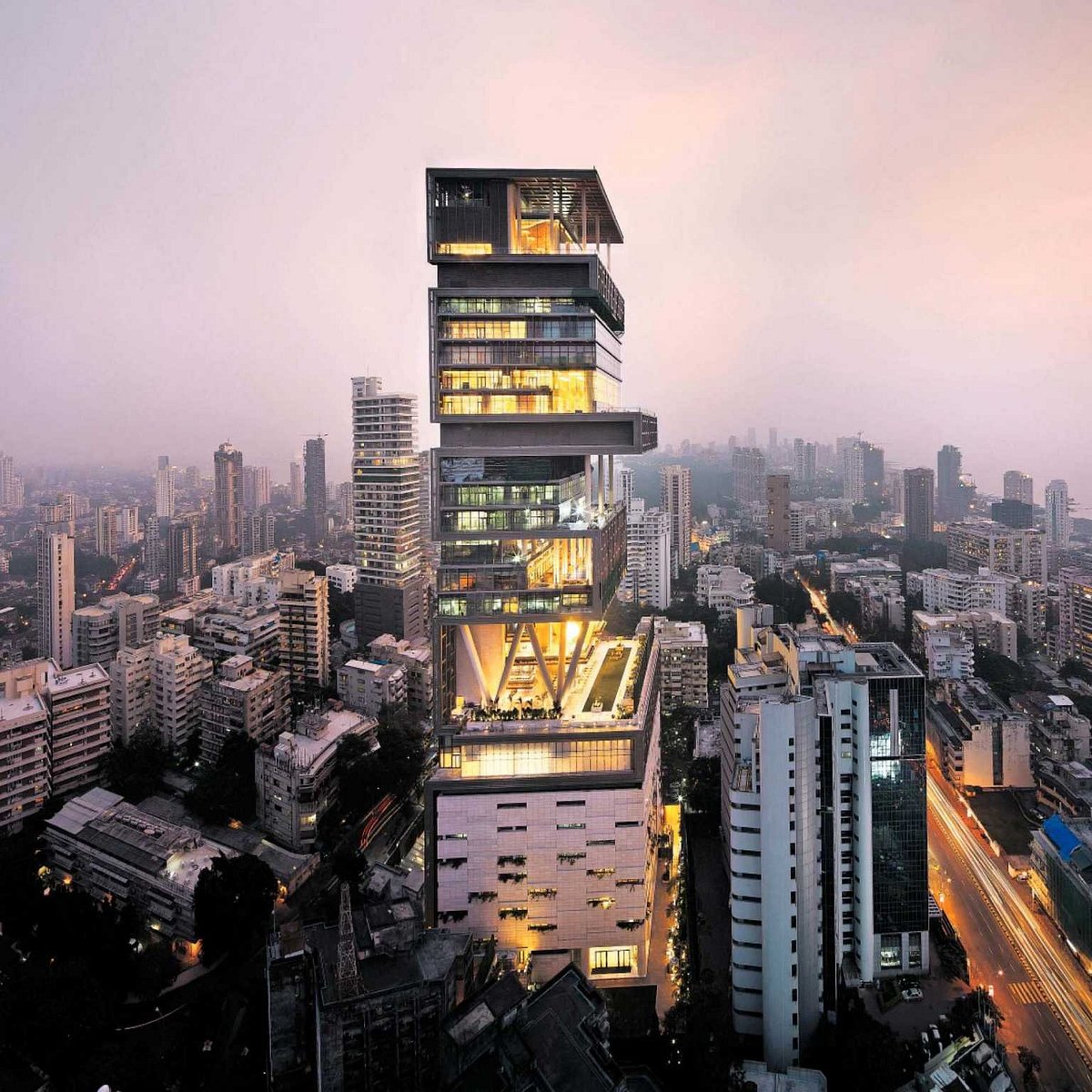
Few private residences have achieved the global recognition of Antilia, the towering Mumbai home of the Ambani family. Rising above the city’s skyline on Altamount Road, the 27 storey structure is an architectural statement that challenges the conventional idea of a mansion. Designed with an unconventional vertical layout, the residence reportedly spans approximately 400,000 square feet and features a range of private facilities, including multiple swimming pools, a ballroom, a theatre, extensive wellness spaces, gardens, a temple and dedicated parking infrastructure.
The building’s design incorporates varying floor heights, structural elements and distinct architectural treatments, making it far more complex than a typical high rise. Antilia represents a contemporary interpretation of extraordinary residential luxury, where an entire world of amenities, hospitality and private living is contained within a single towering structure.
Buckingham Palace, London, UK
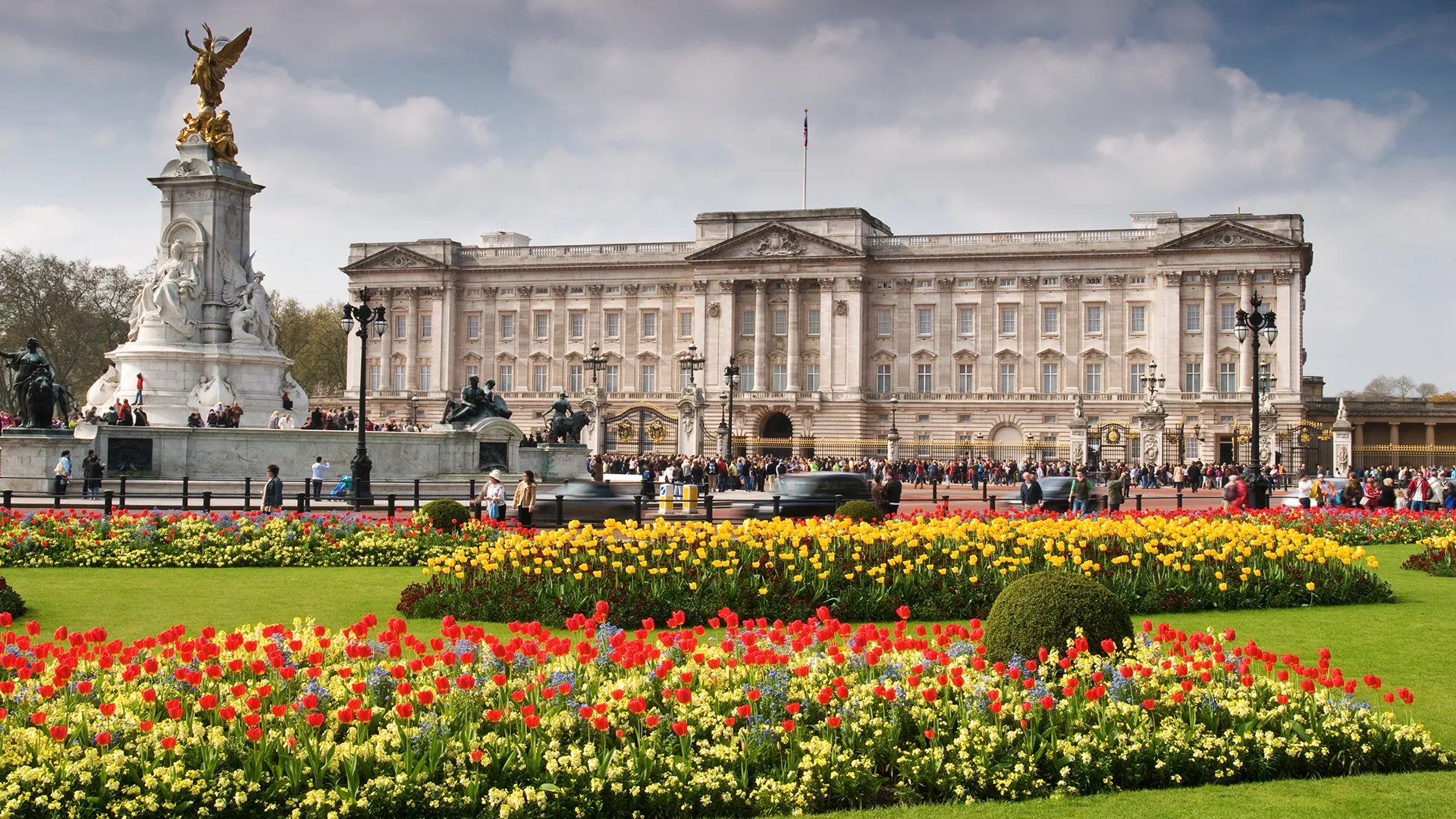
Few residences carry the architectural, cultural and historical weight of Buckingham Palace. Serving as the official London residence of the British monarch, the palace is an enormous complex comprising 775 rooms, including 19 State Rooms, 52 royal and guest bedrooms, 188 staff bedrooms, 92 offices and 78 bathrooms.
Its grand façade, ceremonial halls, elaborate furnishings and expansive gardens reflect centuries of royal tradition. The State Rooms, in particular, are designed to host official receptions, diplomatic gatherings and ceremonial occasions, with art, chandeliers and historic furnishings lending them a distinctly regal character. Beyond its architectural scale, Buckingham Palace is an enduring symbol of the British monarchy, combining residential functions with state duties, ceremonial life and an extraordinary heritage that few buildings anywhere in the world can rival.
Umaid Bhawan Palace, Jodhpur, India
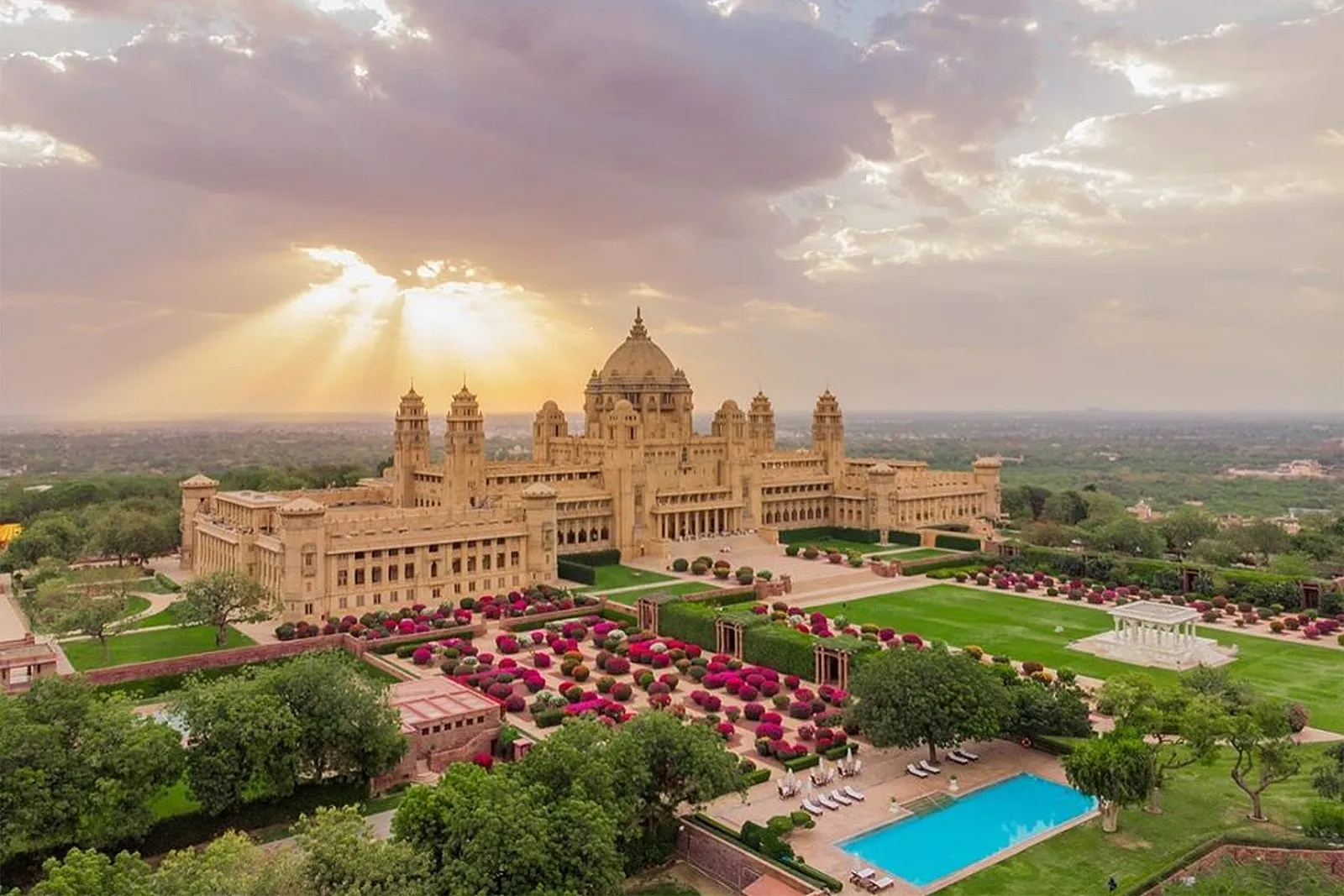
Perched above Jodhpur, Umaid Bhawan Palace is a monumental blend of royal heritage, Art Deco influences and sandstone architecture. Built during the reign of Maharaja Umaid Singh and completed in 1943, the palace was conceived as a royal residence and also as a means of providing employment during a period of drought.
Constructed using golden sandstone, the estate features imposing domes, grand corridors, landscaped gardens and elaborate interiors that reflect a distinctive architectural style. The property is divided between the royal family’s private residence, a heritage hotel and a museum, allowing visitors to experience a portion of its grandeur. Its scale, craftsmanship and historical significance make Umaid Bhawan Palace one of India’s most remarkable residential landmarks, where regal living and architectural heritage remain intertwined.
A K Saray, Turkey
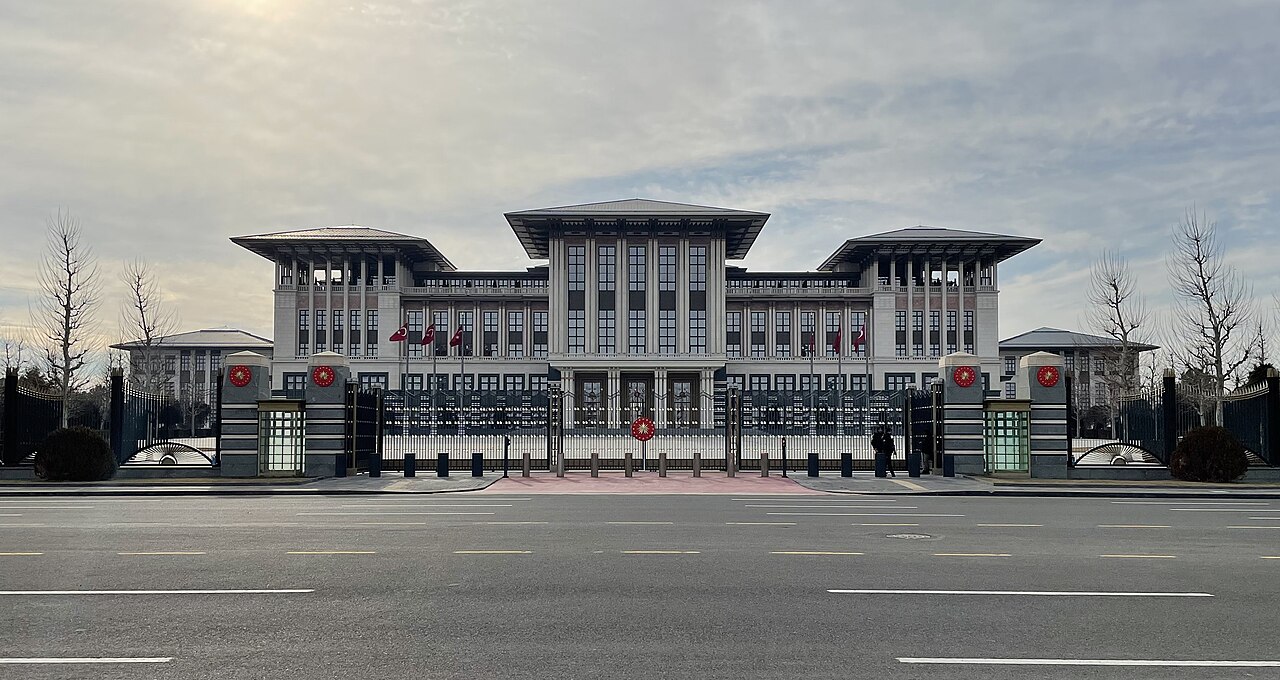
Known internationally as the Presidential Palace or Presidential Complex in Ankara, A K Saray is a monumental residence and administrative complex associated with the Turkish presidency. Built on a sprawling estate, the complex features grand architectural forms, expansive interiors and an enormous footprint that reflects its role as both a state residence and a centre for official functions.
Its scale has attracted considerable international attention, particularly for its extensive buildings, ceremonial spaces, landscaped grounds and elaborate architectural detailing. The complex incorporates offices, reception halls, meeting facilities and residential spaces, making it considerably more than a conventional private home. Its architecture draws on a mixture of contemporary design and traditional references, creating a building that is designed to communicate institutional authority and grandeur on an exceptional scale.
Lakshmi Vilas Palace, Vadodara, India
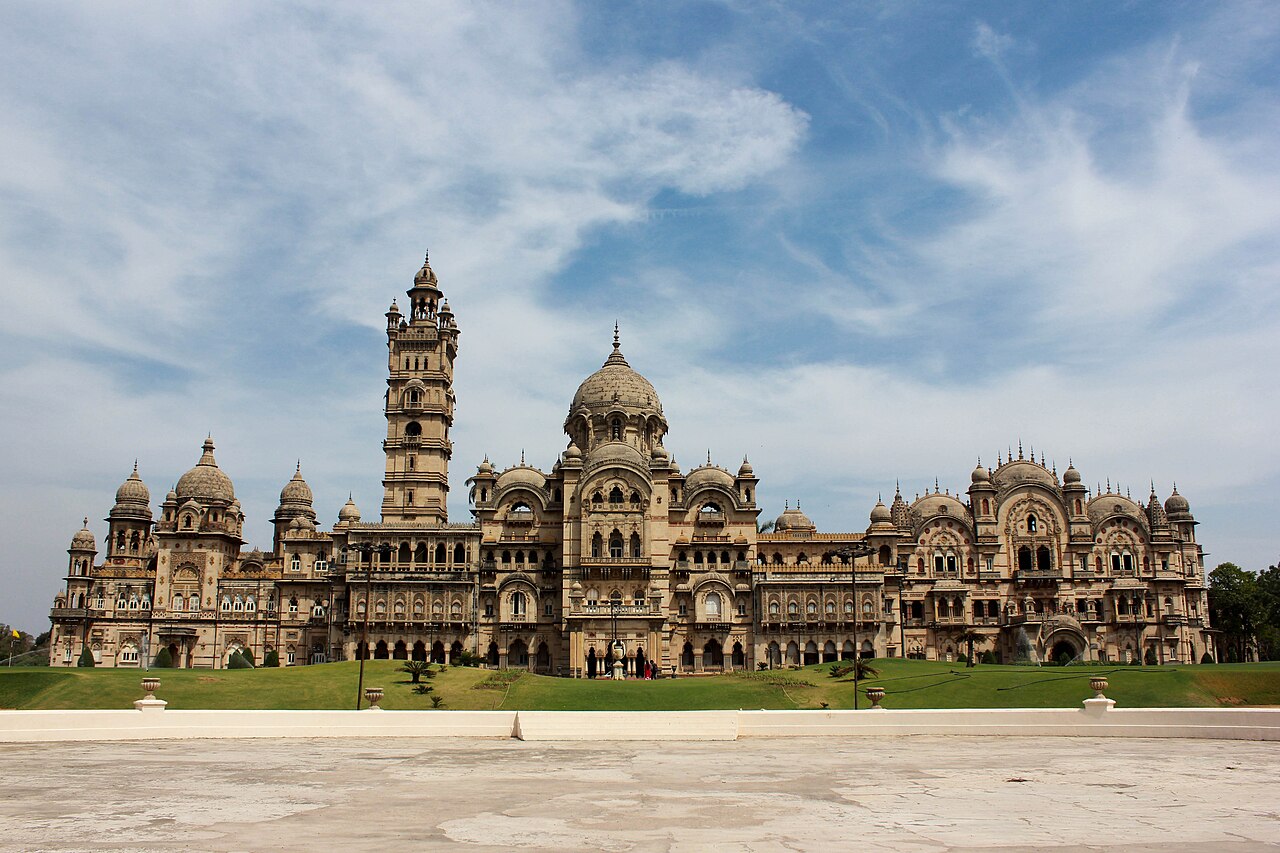
Built for Maharaja Sayajirao Gaekwad III, Lakshmi Vilas Palace in Vadodara is one of India’s most spectacular royal residences. The palace is often cited as being several times larger than Buckingham Palace, with its sprawling complex and remarkable architectural composition reflecting the ambitions of the Gaekwad dynasty.
Designed by Major Charles Mant, the palace combines Indo Saracenic influences with European architectural elements, featuring elaborate façades, domes, arches, intricate detailing and expansive interiors. Its interiors are equally striking, with grand halls, ornate furnishings, artworks and decorative features that reflect the royal family’s wealth and cultural patronage. The palace remains associated with the Gaekwad family and continues to stand as an extraordinary example of India’s princely architectural heritage, where scale, craftsmanship and regal history come together.