BRICS In Style: Decoding The Diplomatic Dress Code Of World Leaders
BRICS Summit 2026 in New Delhi offers a closer look at diplomatic dressing, as world leaders use tailored suits, bandhgalas, closed-collar jackets and cultural touches to project national identity. From Narendra Modi’s signature style to Xi Jinping and Prabowo Subianto’s formal codes, the summit reveals how restraint shapes political fashion
New Delhi’s boulevards are strung with lights, its roundabouts marked by a new BRICS Friendship Rose Garden, and Bharat Mandapam is dressed for its moment as member nations and guest economies gather for the 18th BRICS Summit on September 12 and 13. Amid trade communiqués and the New Delhi Declaration, another language is being spoken at the summit: the quiet grammar of diplomatic dressing. On the evening of September 12, following the ceremonial tree planting at Bharat Mandapam, leaders from Brazil, Russia, India, China, South Africa, Iran, Egypt, Ethiopia, Indonesia and the UAE assembled for the ritual family photograph, turning a single frame of handshakes and tailored jackets into a study in how nations choose to present themselves.
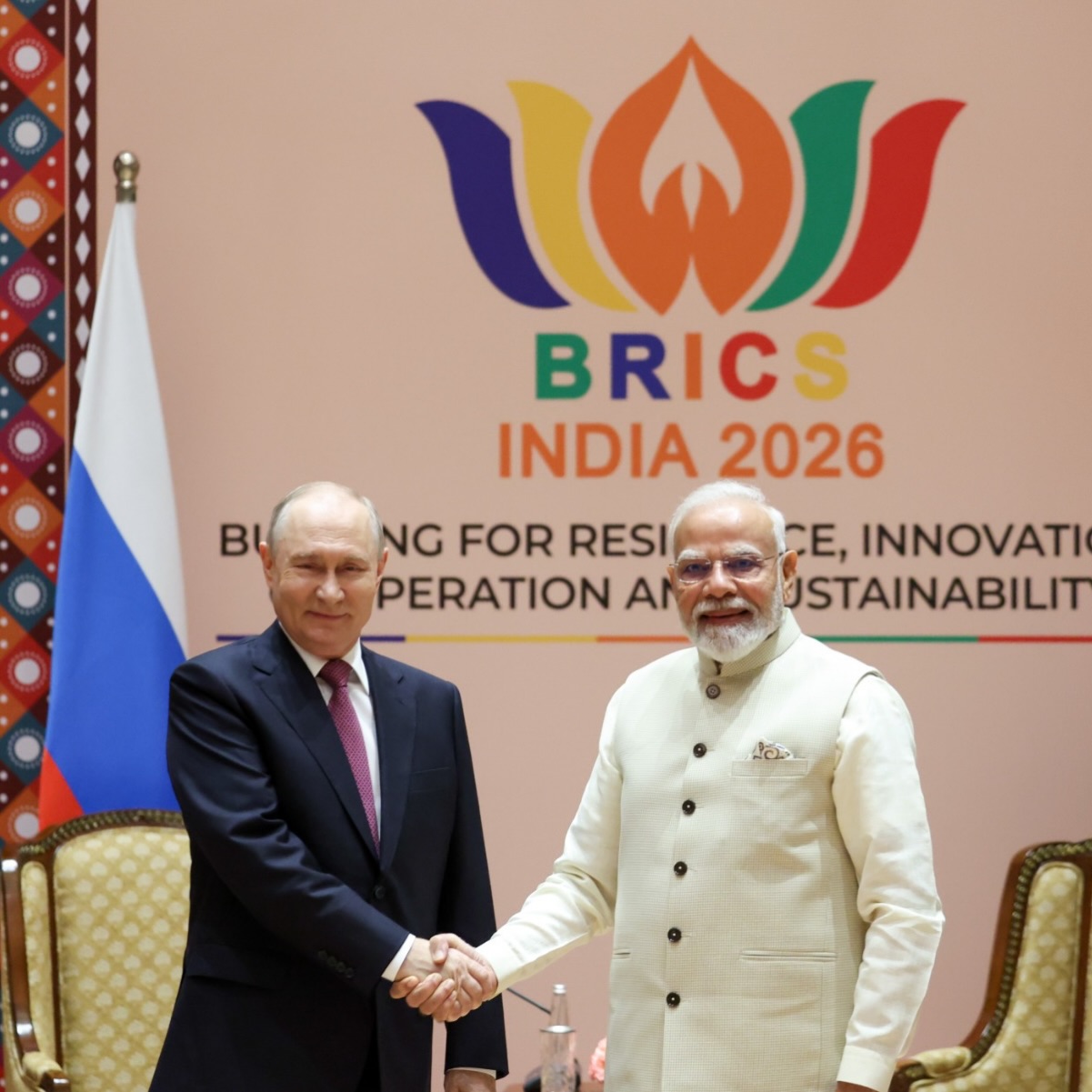
The Host’s Soft Power
Host-nation style sets the tone for BRICS leaders’ fashion this year. Prime Minister Narendra Modi’s sartorial signature, the bandhgala or Nehru jacket, cut close and worn without a tie, has long doubled as understated nation-branding, neither fully Western nor overtly ceremonial.
Also Read: Xi Jinping’s Presidential Motorcade: Inside His BRICS 2026 Arrival In Delhi
India has used this tailored-yet-rooted register at past summits to frame its hospitality, with handwoven textiles and khadi mementoes turning state visits into showcases of the country’s craft heritage.
Suits That Say Nothing
Set against Modi’s tailored diplomacy, the visiting delegations reveal a careful sameness, each following one unspoken rule of diplomatic attire: dress to be photographed beside everyone else without upstaging the room. Look closer, though, and each leader retains a distinct style code.

Xi Jinping (China)
Xi Jinping adhered to his signature dark, sharply tailored western business suit, paired with a crisp white dress shirt and a solid-colored tie.

Vladimir Putin (Russia)
Vladimir Putin maintained a strictly formal aesthetic at the summit. He wore his characteristic tailored black business suit, paired with a white shirt and a dark tie. He avoids experimental styles or local garments at summits, choosing a sharp, standardized look to project control and political institutional stability.

Cyril Ramaphosa (South Africa)
Cyril Ramaphosa is dressed in a formal dark charcoal or black business suit jacket paired with a crisp white dress shirt. He has accessorized it with a red patterned necktie featuring a subtle textured print, and he is wearing a small official lapel pin on his left suit lapel.

Masoud Pezeshkian (Iran)
During his arrival for the BRICS Summit 2026 in New Delhi, Iranian President Masoud Pezeshkian dressed in a classic dark two-piece suit paired with a white dress shirt, opting for a tieless collar.
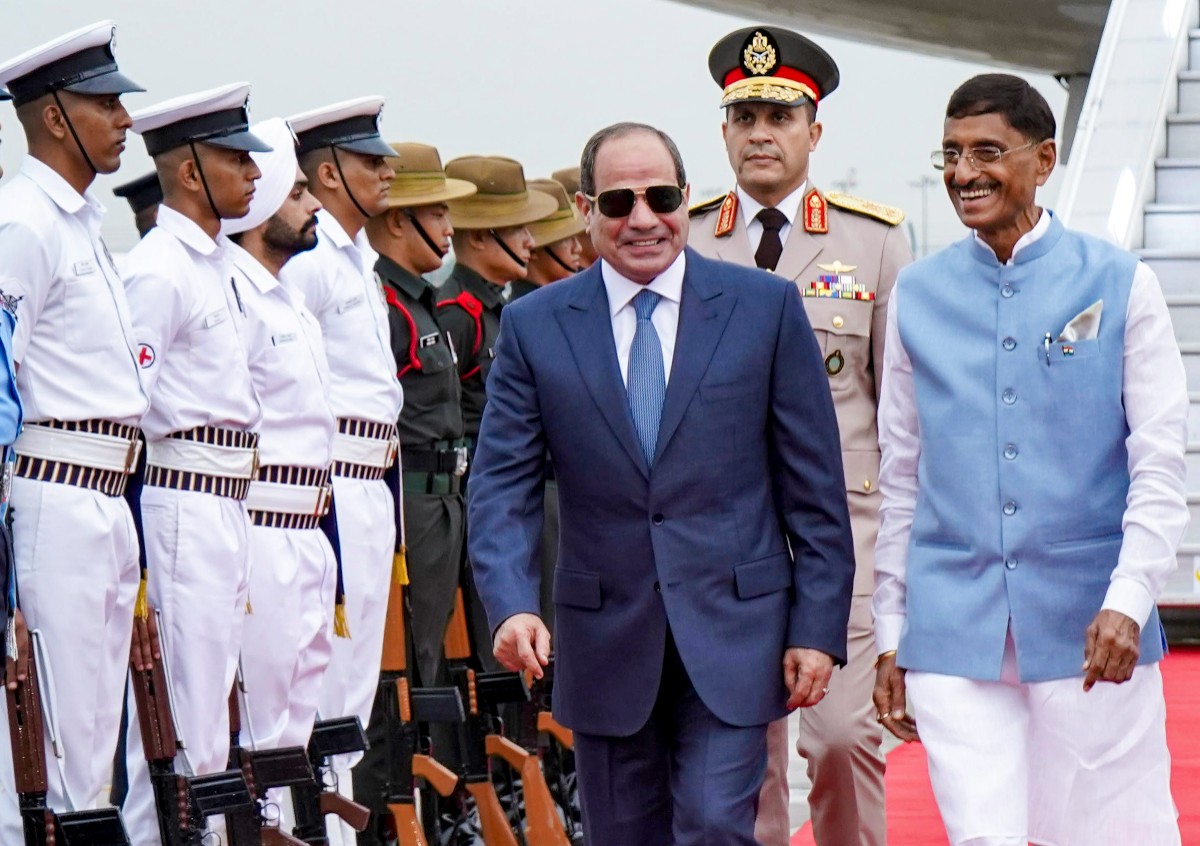
Abdel Fattah El-Sisi (Egypt)
Egyptian President Abdel Fattah El-Sisi is dressed in a sharply tailored single-breasted navy-blue business suit buttoned neatly at the center, paired with matching formal trousers and a crisp white dress shirt. He completes the commanding look with a textured slate-blue necktie and his signature dark, square-framed aviator-style sunglasses, giving a modern and disciplined edge to his arrival on the red carpet.

Prabowo Subianto (Indonesia)
For his bilateral reception and summit sessions at Bharat Mandapam, President Prabowo wore a traditional yet formal appearance. He chose a tailored, dark business suit paired with Indonesia’s traditional black songkok (peci) cap, a signature element of his diplomatic attire that projects Indonesian nationalist identity and respect during major international forums.

Abiy Ahmed (Ethiopia)
Ethiopian Prime Minister Abiy Ahmed Ali is dressed in a classic, formal diplomatic ensemble featuring a single-breasted black business suit jacket buttoned neatly at the waist, matching tailored trousers, and a crisp white dress shirt. He completes the look with a lavender-pink patterned silk tie, adding a sophisticated splash of color to the formal attire as he is welcomed on the tarmac by an Indian dignitary dressed in a traditional light-blue Nehru vest.
Also Read: BRICS Summit 2026: 500+ Luxury Cars Including GLS, Vellfire and S-Class Reserved For Leaders
Seen together, these wardrobes make fashion part of diplomatic protocol rather than personal display. Dark suiting conveys seriousness, while the absence of obvious branding keeps attention on the occasion rather than the individual. Even delegates from the BRICS Women’s Business Alliance at the family photograph favoured structured silhouettes over statement dressing.
That restraint is what makes diplomatic style worth watching. A pressed lapel, restrained tie or buttoned jacket can signal equal standing among nations that otherwise compete for attention. In the single frame at Bharat Mandapam, the leaders of a multipolar world chose, quite literally, to dress alike.