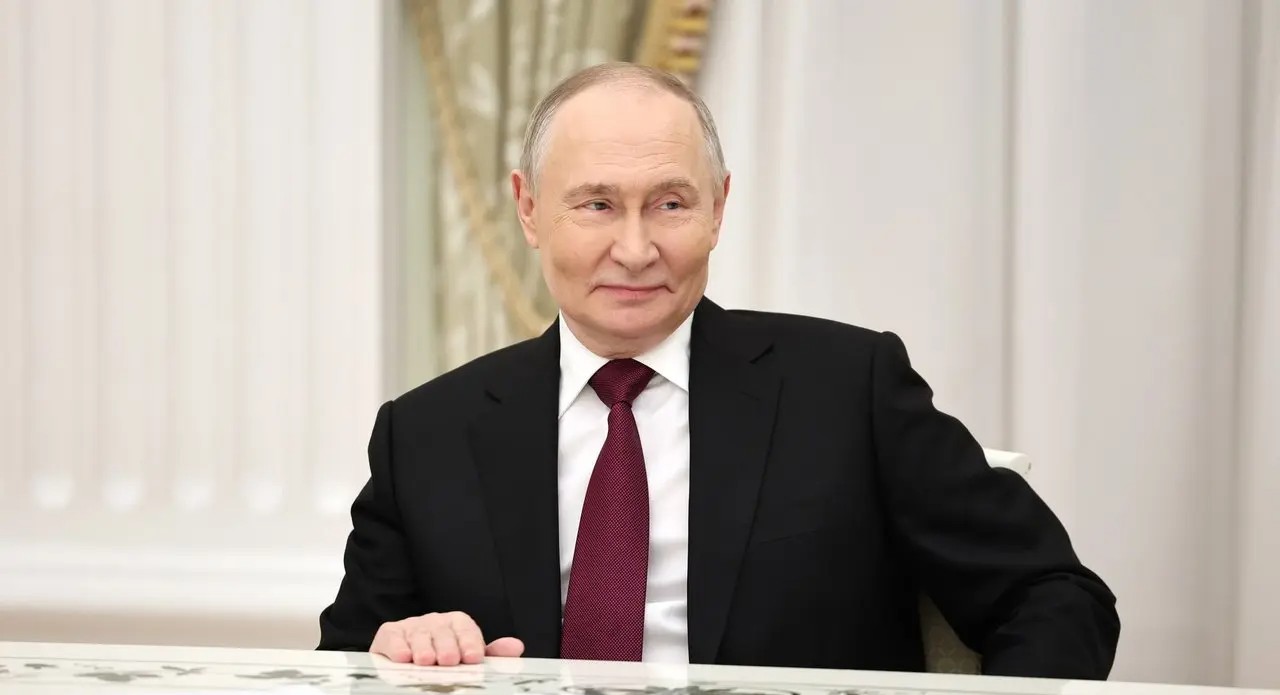


There are two ways to arrive in Delhi. You can get into a taxi, discover that the air conditioning has given up somewhere near India Gate and spend the next 45 minutes wondering whether you will ever see your destination again. Or you can be Vladimir Putin. In that case, the road tends to behave rather differently. The Russian President is expected in New Delhi for the 18th BRICS Summit on September 12 and 13, where he will join Prime Minister Narendra Modi and other world leaders at Bharat Mandapam. And while the diplomatic conversations will, quite rightly, dominate the headlines, there is another piece of theatre taking shape outside the conference rooms: the convoy.
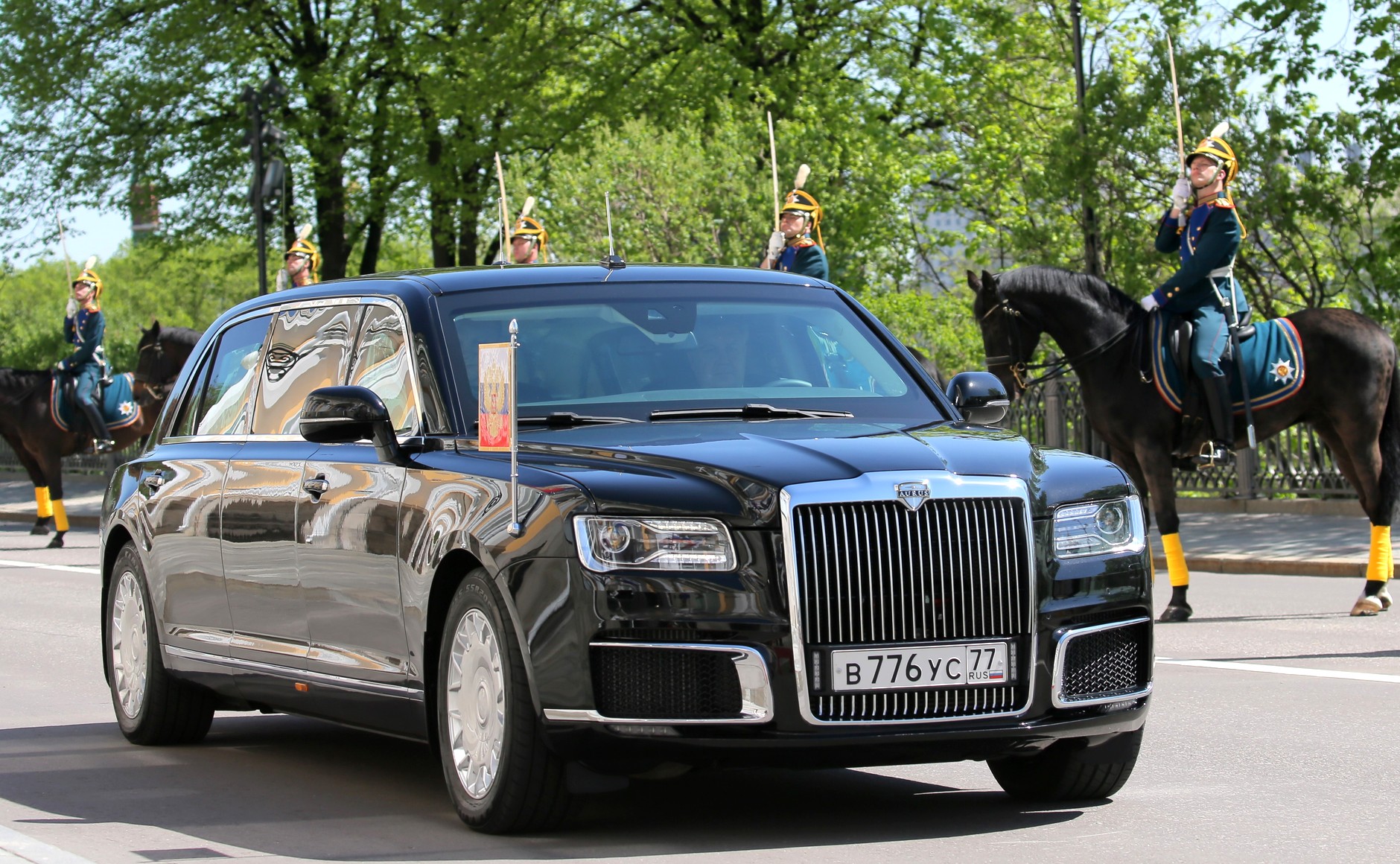
Because when one of the world’s most heavily protected leaders moves through a city, you don’t simply put him in a nice car and tell the driver to avoid potholes. You effectively move a small travelling fortress. Delhi has already begun rehearsing for the arrival of the BRICS delegations. Motorcade drills have been conducted across the capital, with traffic restrictions affecting dozens of roads and multiple diversion points. Police and security agencies have been rehearsing routes connecting hotels, the airport and Bharat Mandapam, while vehicles in the motorcades are being fitted with GPS tracking.
Also Read: Jennifer Aniston’s Bel Air Mansion: Inside Her Mid-Century Modern Home
And this is where Putin’s convoy becomes particularly interesting for anyone who thinks a car is merely something with four wheels and an engine. Putin’s preferred presidential transport is the Aurus Senat, the enormous Russian luxury limousine developed as part of the country’s attempt to create a homegrown alternative to the Mercedes and BMW machinery traditionally favoured by heads of state. It is not exactly the sort of thing you would choose for a quick trip to the supermarket.
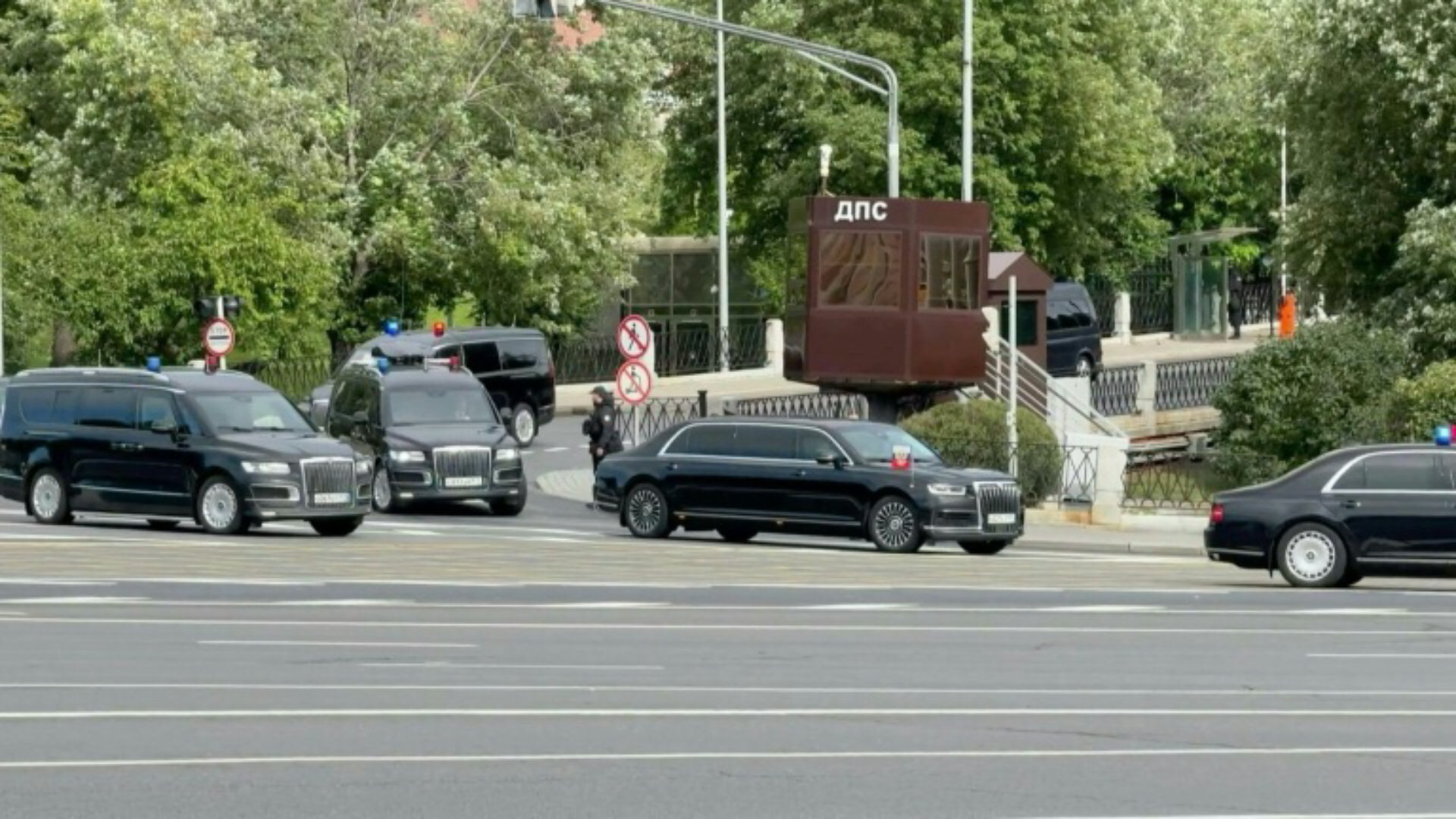
The Senat is built around the same fundamental principle as every serious presidential car: make it look like a luxury limousine while quietly turning it into something considerably more difficult to hurt. For Putin, the car is not merely transportation. It is part of the security architecture surrounding him. That architecture becomes even more elaborate once the Senat is placed inside a convoy. There are lead and escort vehicles, security personnel, traffic control, communications equipment and emergency support. The point is not to create a procession that looks impressive on television. It is to make sure that the principal vehicle is protected from every conceivable direction while keeping the convoy moving.
And Delhi is getting a taste of that choreography already. Traffic rehearsals ahead of the summit have involved more than 35 roads and 22 diversion points in some exercises, with major routes across central and south Delhi affected. Nearly 4,800 traffic personnel are expected to be deployed as foreign delegations arrive. For ordinary Delhi motorists, this means something rather less glamorous than international diplomacy. It means finding a road suddenly closed, discovering that your carefully planned shortcut has become a security corridor and developing a previously unknown appreciation for the Delhi Metro.
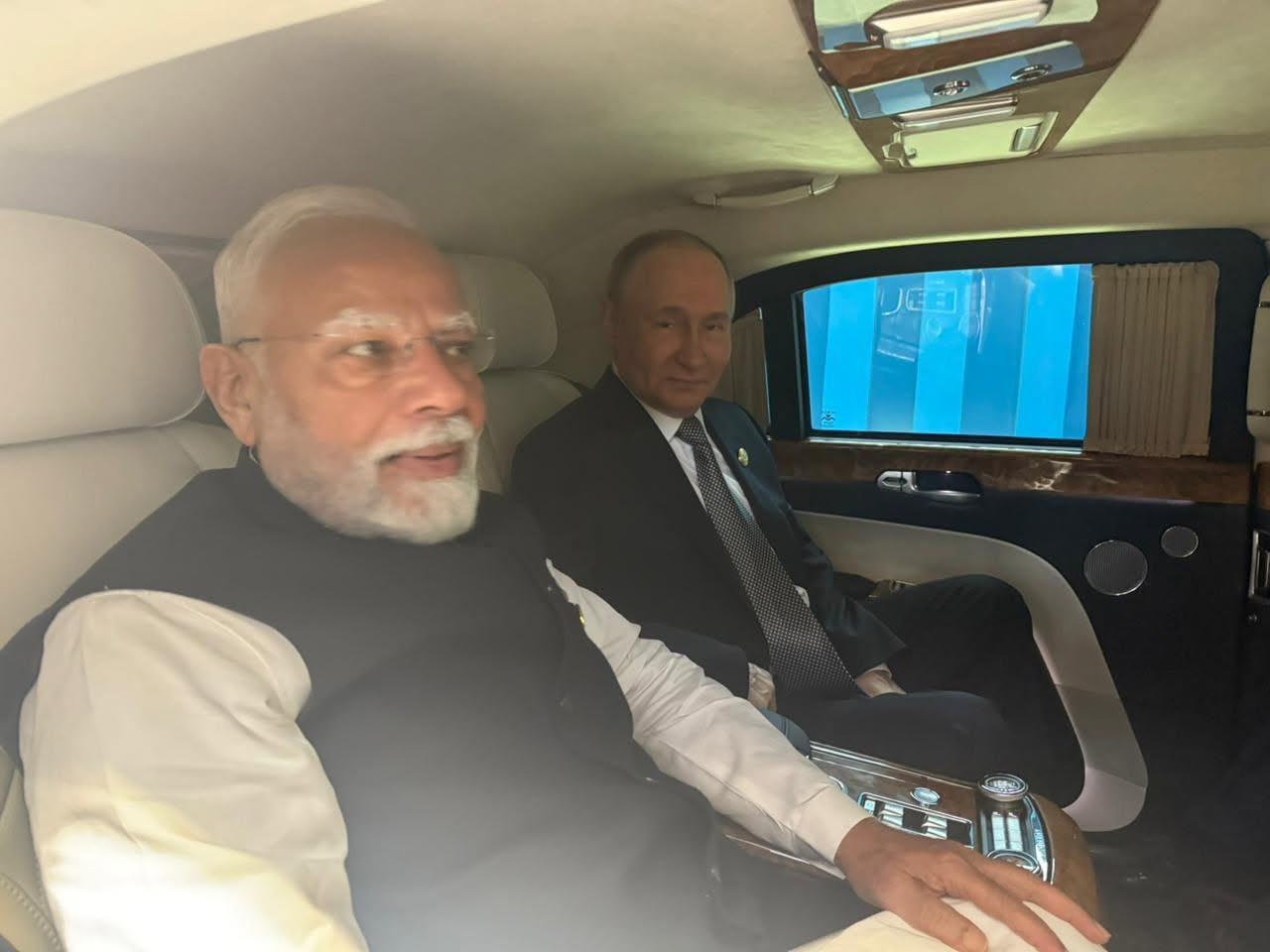
But there is something fascinating about watching a presidential motorcade operate. The cars themselves are only half the story. The other half is the choreography. Every junction has to be understood. Every route has to be rehearsed. Every vehicle has to know where the others are. And when the principal car moves, everything around it effectively becomes part of the machine. Putin and Modi have already demonstrated that cars can become diplomatic stages. During their recent meeting in Bishkek, the two leaders travelled together to the opening ceremony of the World Nomad Games, repeating a travelling arrangement they had used previously.
Also Read: Rolex Unites Four One-of-One Cosmograph Daytonas For A Landmark Charity Auction
But Delhi will be different. This time, the roads will be carrying not merely two leaders but an entire gathering of presidents, prime ministers, security teams and diplomatic delegations. The BRICS Summit will turn parts of the capital into a carefully controlled network of corridors, with Bharat Mandapam at its centre. And somewhere inside all of this will be Putin, sitting behind layers of glass, steel, security personnel and considerably more planning than any sensible person would ever want to contemplate before leaving home.
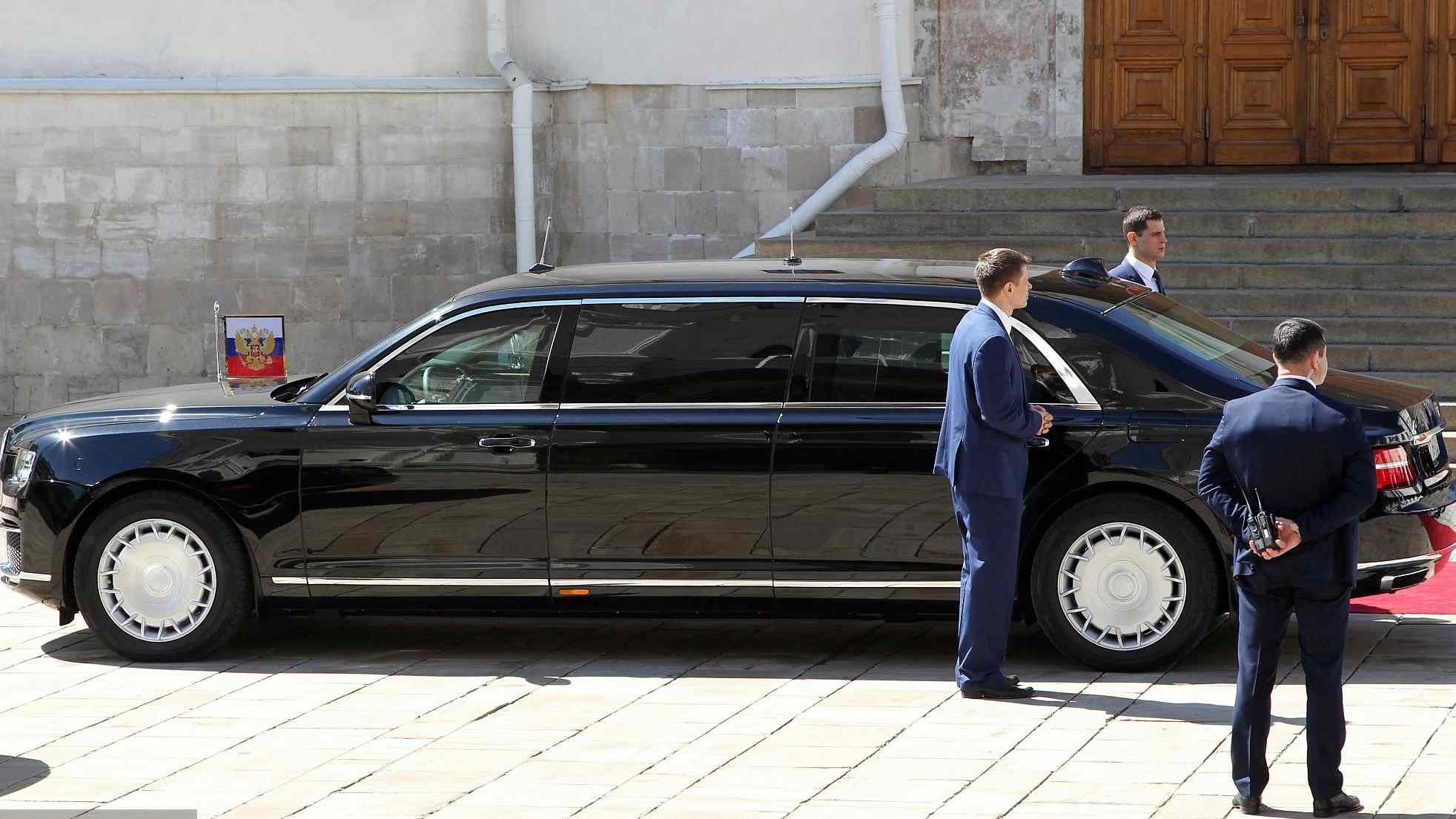
It is easy to look at a presidential convoy and see excess. But that is rather missing the point. These machines are not designed to be sensible. They are designed to keep moving when almost everything else has stopped. So, while the diplomats inside Bharat Mandapam discuss trade, geopolitics, currencies and the future of BRICS, Delhi will have another show playing outside. It involves black cars, flashing lights, sealed roads and enough security hardware to make an ordinary traffic jam look like a village fête. And knowing Delhi, someone will still try to overtake it.