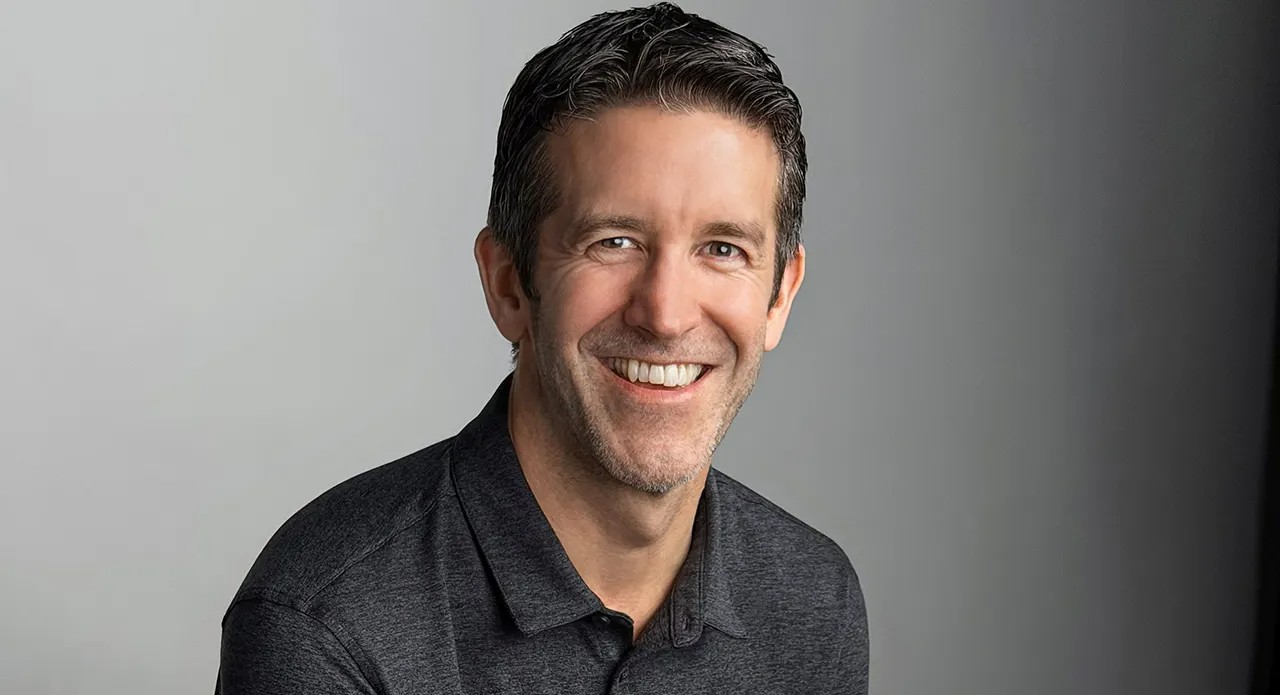


September has always been a rather important month for Apple. It is when the company traditionally unveils its newest toys and millions of perfectly happy iPhone owners suddenly begin wondering whether their current phone has become embarrassingly old. This year, however, September brought a rather bigger change. On September 1, 2026, John Ternus officially became Apple’s new CEO, succeeding Tim Cook, who has moved into the role of Executive Chairman.
This is not the usual corporate succession story. Ternus is not a financial wizard parachuted into Cupertino with a spreadsheet and a collection of reassuring phrases. He is an engineer who has spent a quarter of a century working on the machines Apple actually makes. And now, rather wonderfully, the man who spent his career worrying about what happens inside an iPhone gets to worry about what happens inside Apple itself.
The Engineer Who Knows Apple From The Inside
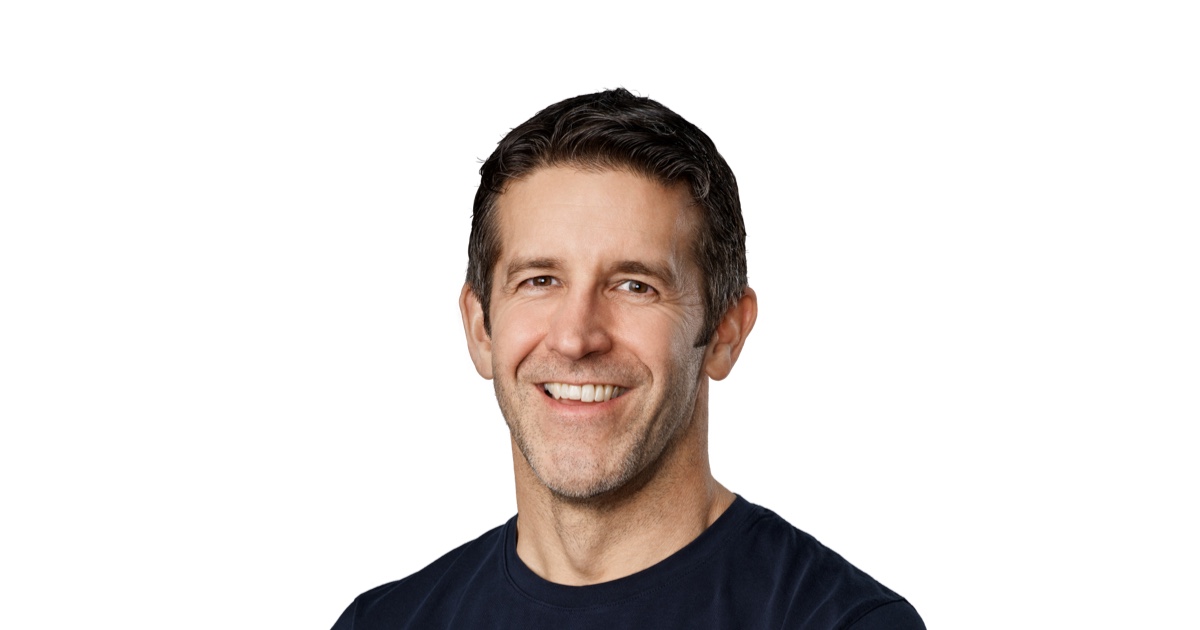
Ternus joined Apple in 2001 and initially worked within the Product Design team before becoming vice president of Hardware Engineering in 2013. He joined Apple’s executive team as senior vice president of Hardware Engineering in 2021. Over the years, his remit has stretched across some of the company’s most important products, including the iPhone, iPad, Mac, Apple Watch and AirPods. He has also been closely involved with the transition of the Mac to Apple silicon, one of the most significant engineering shifts in the company’s modern history. In other words, Ternus does not merely know what Apple sells. He knows why it works. And that distinction could become extremely important.
From AirPods To Apple Silicon
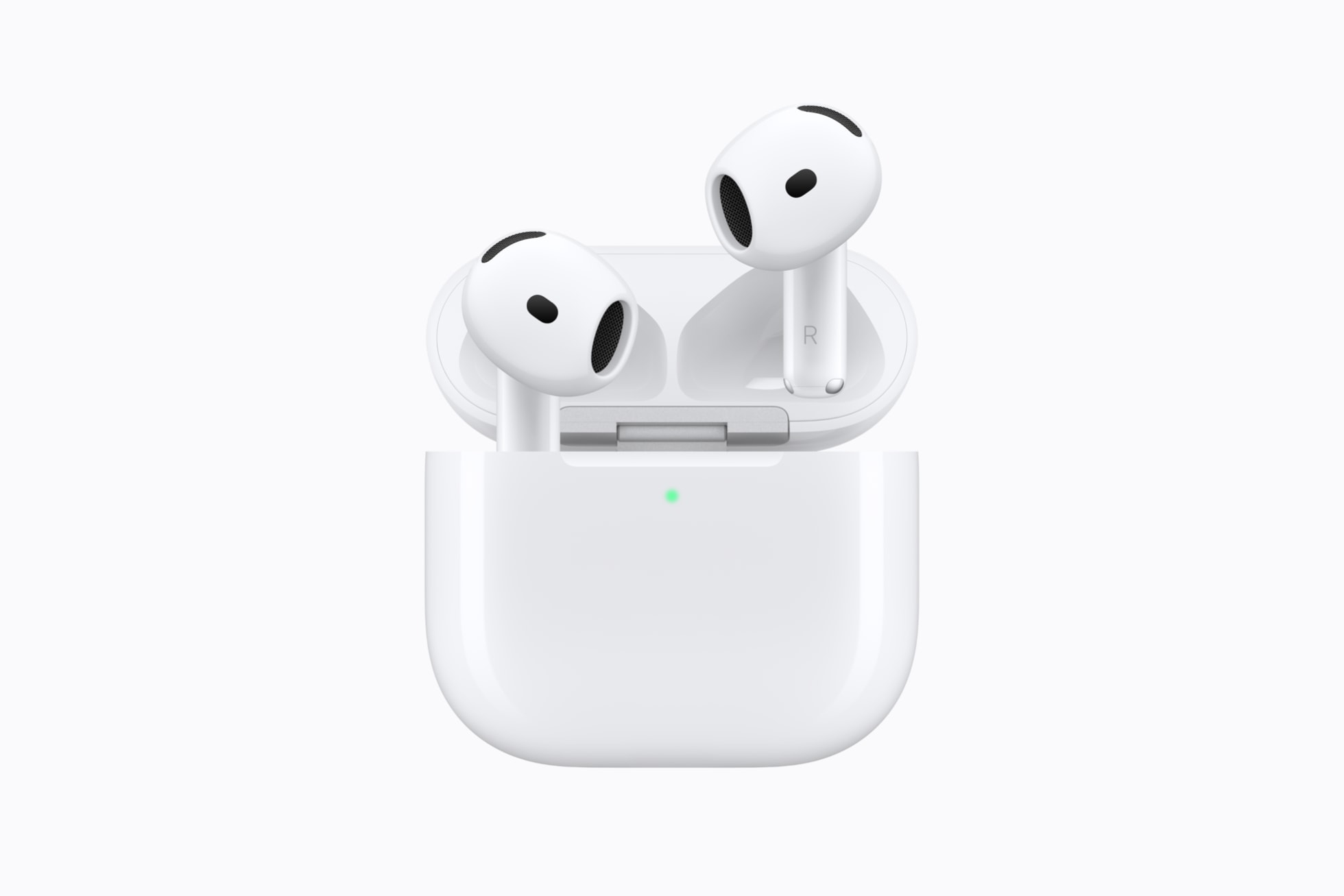
Ternus has been involved with hardware development across multiple generations of Apple’s products, including the first generation AirPods and successive generations of iPad. His engineering leadership also played a role in the iPhone 12 and iPhone 12 Pro and the company’s transition towards its own silicon architecture. This is the sort of career that rewards an unhealthy fascination with detail. The thickness of a component, the strength of a material, how heat moves through a chassis or how a hinge behaves after thousands of openings might seem terribly boring to most people. At Apple, these are the things that eventually become the product.
Also Read: Apple’s Foldable iPhone: Why It Could Become Apple’s Next Luxury Tech Accessory
The Porsche 935 Is An Engineer’s Kind Of Toy
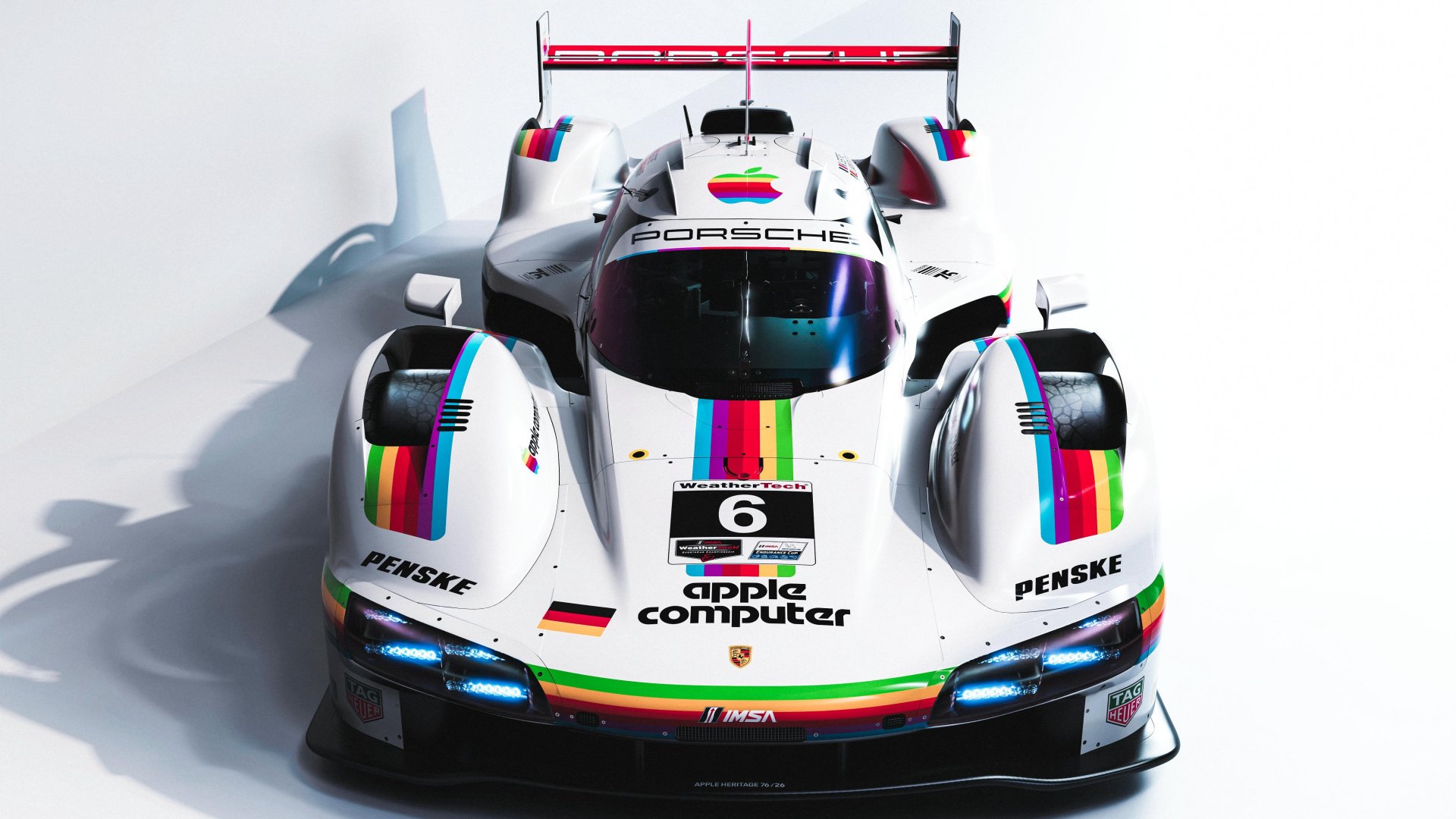
There is a useful automotive comparison here, although it comes with one important caveat: the Porsche 935 is not being presented as Ternus’s personal car. It is simply a rather brilliant illustration of the engineering mentality he represents. The 2019 Porsche 935 was limited to just 77 examples worldwide and was based on the 911 GT2 RS. Underneath its gloriously outrageous bodywork sits a 3.8 litre twin turbocharged flat six producing 700 PS. It is also not road legal, because apparently Porsche decided that 700 PS and a number plate were an unnecessary combination. The 935 is essentially what happens when engineers are allowed to prioritise performance over practicality. Every surface, component and aerodynamic element exists for a reason. It is not luxury in the traditional sense. It is luxury through engineering. That is also an interesting way of looking at Ternus’s Apple career. Consumers see the polished aluminium, glass and titanium. Engineers see tolerances, thermals, structural integrity, materials and thousands of tiny decisions that have to work perfectly together. The drama is on the outside. The real obsession is underneath.
Tim Cook Leaves A Very Large Chair
Of course, Ternus has not inherited a small company. Tim Cook spent 15 years as Apple’s CEO after succeeding Steve Jobs, transforming the company into an enormous global business while expanding its services, supply chain and sustainability ambitions. Ternus therefore does not need to prove that Apple can sell products. His bigger challenge is deciding what comes next. Artificial intelligence, Apple silicon, new computing formats, wearables and the future of the iPhone will all demand decisions from the new CEO. More importantly, he must preserve Apple’s obsession with product quality while finding the next category capable of producing the sort of excitement that the iPhone once did.