Is Maximalism Back in Luxury Fashion? Maheka Mirpuri on the New Rules of Luxury
Maheka Mirpuri discusses maximalism in luxury fashion, the return of bold colour and craftsmanship, and how personal expression is reshaping luxury fashion in 2026
For a while, restraint was the dominant luxury code. Quiet palettes, discreet branding and pared-back silhouettes shaped a fashion landscape that prized understatement. Now, the pendulum appears to be swinging. Designers such as Sabyasachi Mukherjee and Gaurav Gupta have shown how opulence, craftsmanship and visual drama can become central to a contemporary luxury vocabulary.
The renewed interest in maximalism is not simply about excess, but about using clothes as a more expansive form of self-expression. Recent fashion commentary has traced this shift across couture, ready-to-wear and street style, with Indian designers drawing particularly strongly on the country’s long relationship with ornamentation and craft.
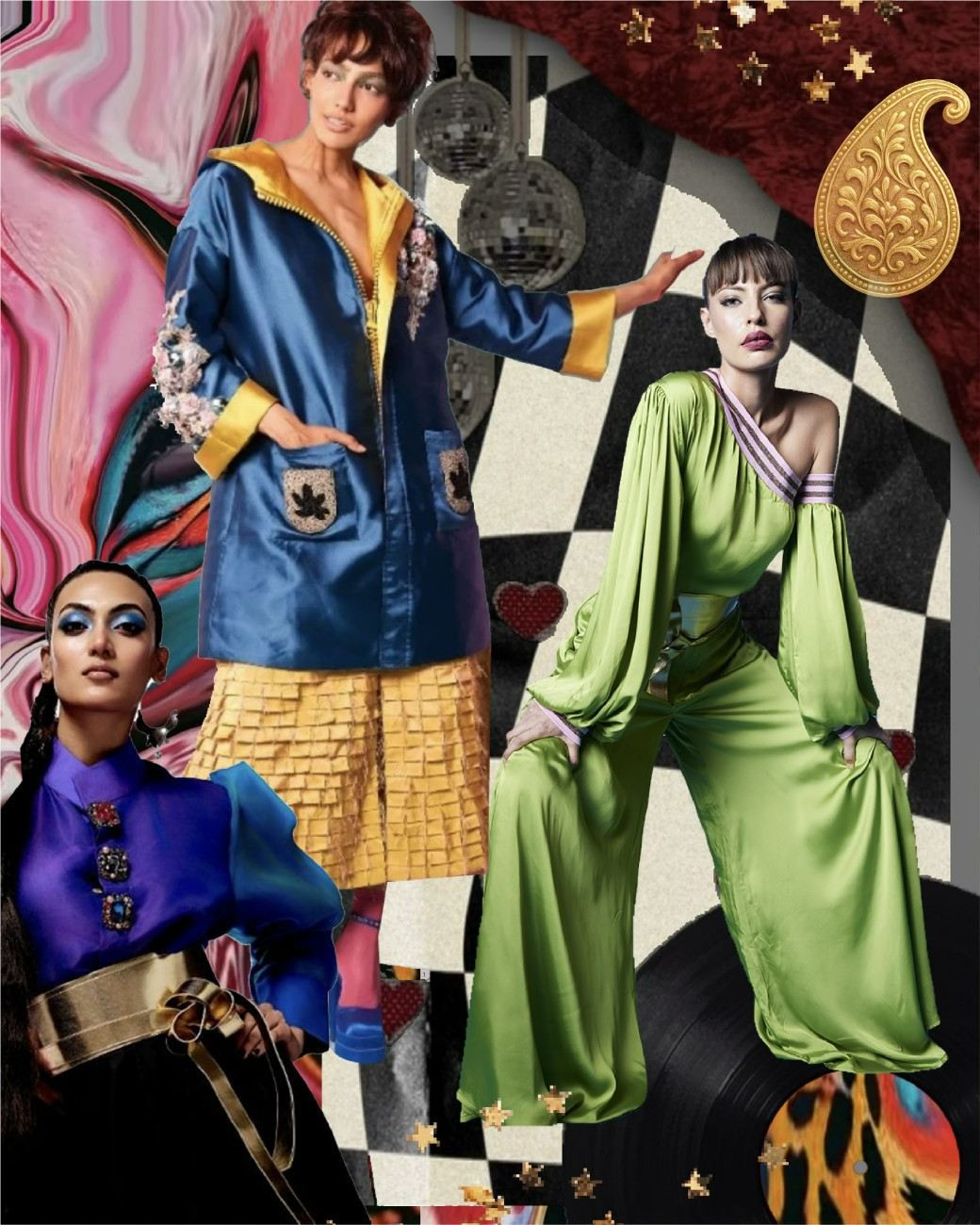
Maximalism Finds Its Voice
For Mumbai-based designer Maheka Mirpuri, this movement is less a trend than a philosophy she has built into her work for decades. Her fashion house was established in 1996, beginning with a single hand-painted scarf before evolving into a couture label known for vibrant palettes, intricate embroidery and highly individualised dressing.
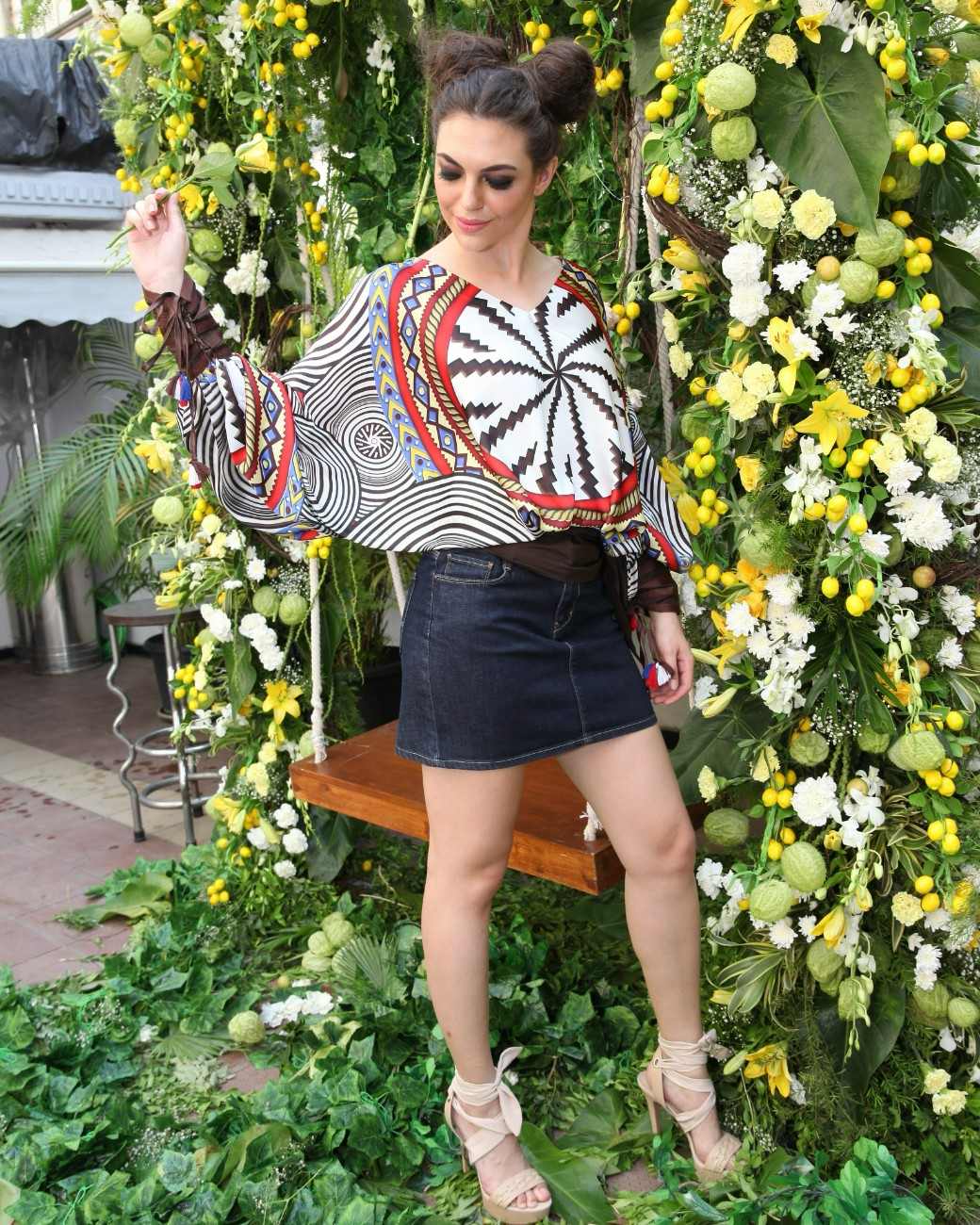
Speaking about the shift away from quiet luxury, Mirpuri said that she is currently drawn to colour and clothes with a strong visual presence. “Maximalism isn’t excess. It’s just how you express it,” she said. For her, a dramatic garment does not necessarily demand an equally elaborate look. An embellished jacket can sit comfortably with something as simple as jeans, provided the wearer feels at ease in it.
That confidence is central to her understanding of fashion. “You should not look as though you’re wearing somebody else’s piece,” she said, arguing that experimentation works only when it feels authentic to the person wearing it. Her collections therefore use colour, hand painting and embroidery not merely as decoration, but as tools for communicating personality.
Craft Meets Personal Luxury
Craftsmanship remains at the heart of that vocabulary. Mirpuri traces her creative beginnings to physically painting scarves, with her first sale priced at INR 1,500 in the 1990s. Three decades later, hand painting, embroidery and intricate detailing continue to form the foundation of her couture. “The craftsmanship is the soul of my work,” she shared.
Also Read: “Maximalism In My Designs Is To Celebrate Individuality & Make A Statement”: Mayyur Girotra
That emphasis on individuality extends to the experience of buying couture. Mirpuri personally spends time with clients, understanding their preferences, body language and comfort before shaping a look around them. She describes this one-to-one interaction as a defining part of her label, with trust built over years bringing clients back from across the world.
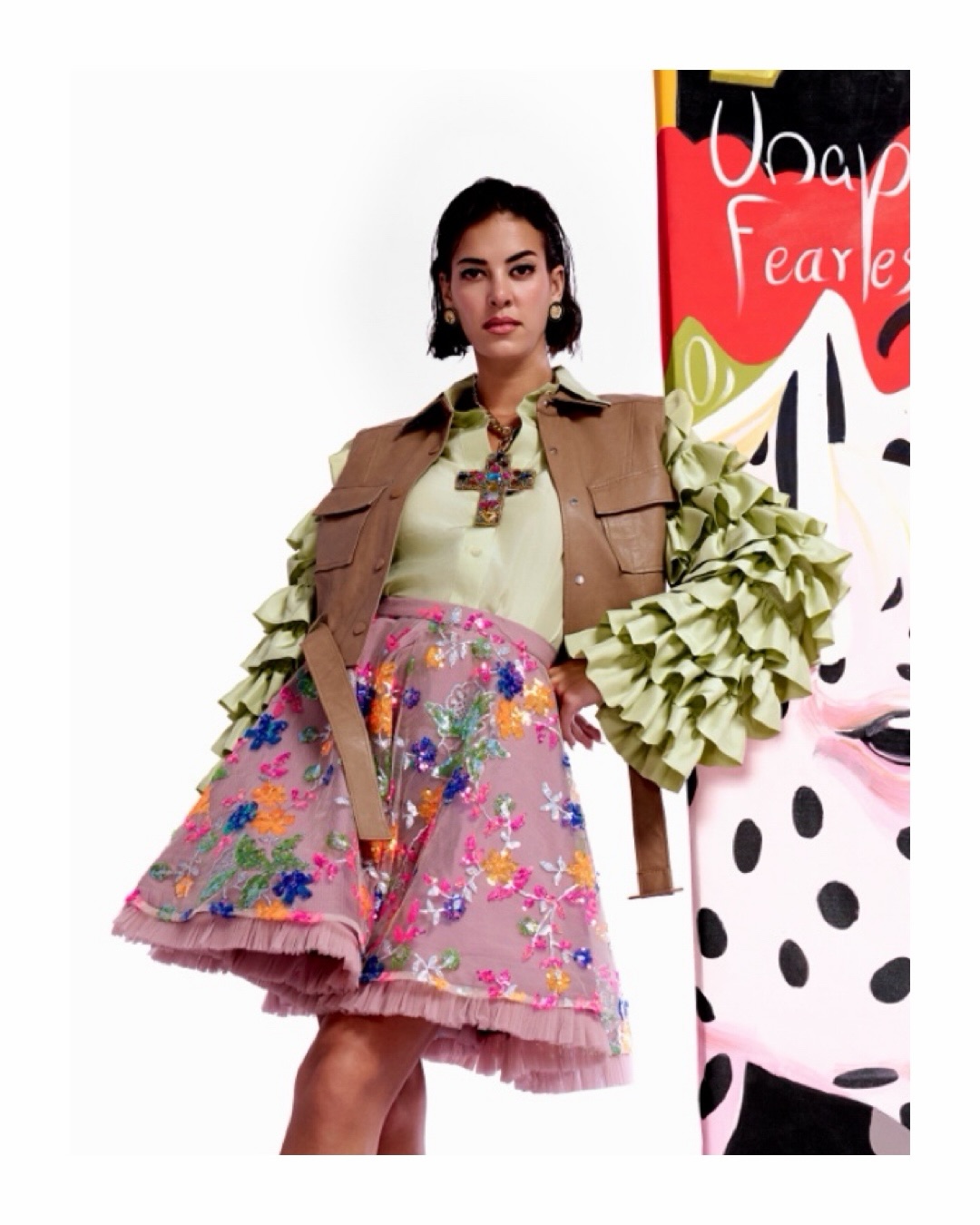
Her creative universe now extends beyond clothing. A new café within her atelier brings together art, colour, vintage pieces and fashion, allowing clients to linger over coffee in a space designed around the same visual language as her couture. For Mirpuri, this reflects a broader transformation in luxury itself. “The future of luxury is not really only in individual products,” she said. People increasingly seek authenticity, personalisation and experiences that become memories.
In that sense, maximalism’s return is not simply about dressing louder. It is about giving luxury room for personality, craft and emotion once again.