World Cotton Day: Why These Indian Labels Are Making Cotton Couture
This World Cotton Day, discover the Indian fashion labels giving cotton a luxurious new identity. From handwoven Jamdani and indigenous cottons to organic fabrics, these designers are transforming a familiar textile into contemporary dresses shaped by craft, thoughtful design and a more considered approach to Indian fashion
Cotton has never really been an ordinary fabric in India. It has clothed generations, travelled through regional weaving traditions and carried the imprint of everything from block printing to embroidery and handloom. Yet when conversations around luxury fashion begin, cotton is often overshadowed by silk, velvet and cashmere. A closer look at contemporary Indian fashion tells a different story.
This World Cotton Day, October 7, is a good moment to look at the Indian labels giving the everyday fibre a more considered place in the modern wardrobe. Through indigenous textiles, hand techniques, organic cotton and thoughtful silhouettes, these designers are showing that luxury can be expressed through the way a fabric is made, handled and worn.
Cotton With A Couture Mindset
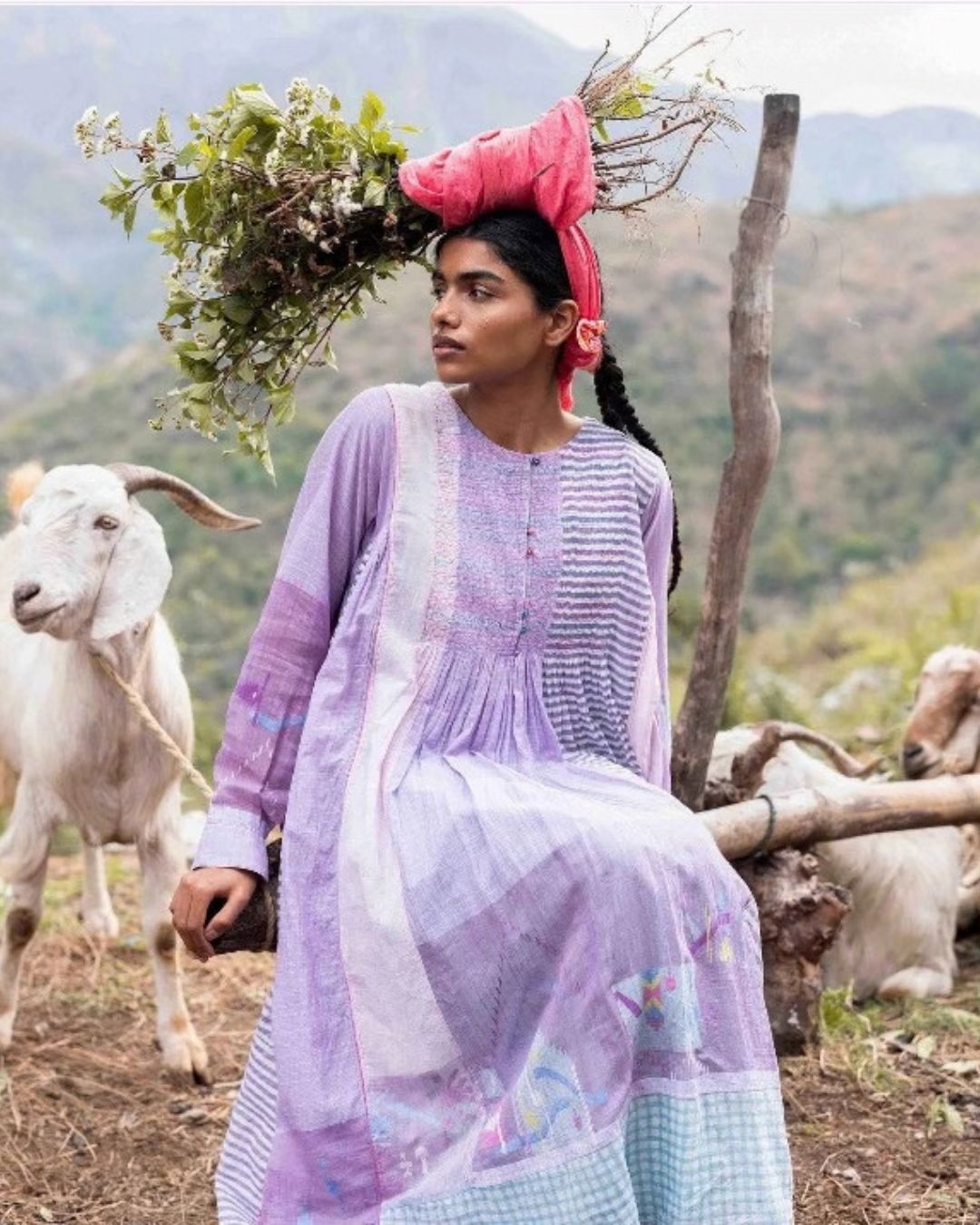
Injiri
Chinar Farooqui’s Injiri takes Indian textile traditions and gives them room to breathe in contemporary wardrobes. The label’s Lirielle Jamdani Dress, priced at around INR 68,900, is made from 100 per cent cotton and features handwoven Jamdani from West Bengal. The beauty lies in the detail of the weave rather than overt embellishment. It is cotton as textile heritage, translated into a dress that feels distinctly modern.
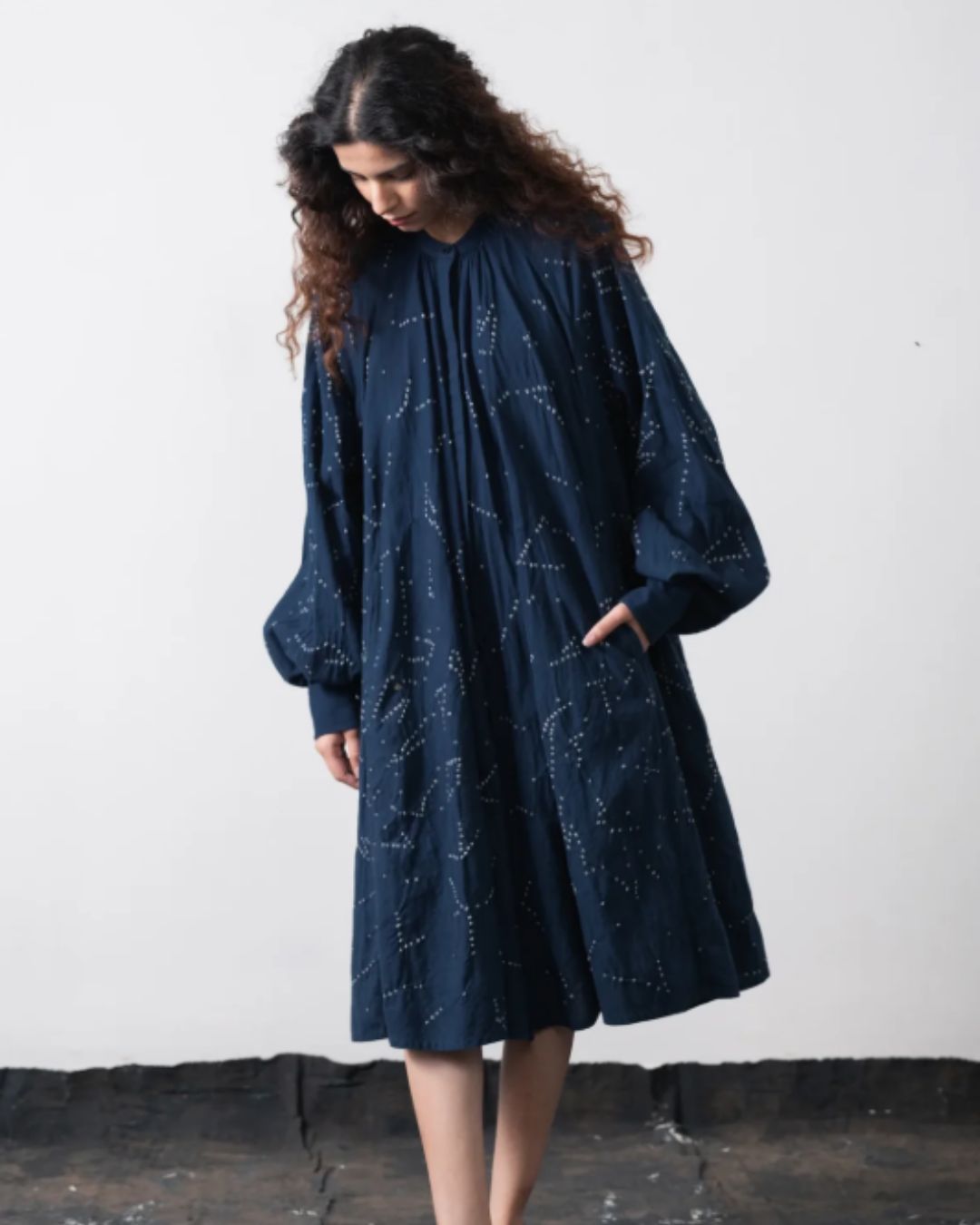
11.11 / eleven eleven
At 11.11, cotton is treated with the attention usually reserved for more precious textiles. The label works extensively with indigenous cottons, handspinning, handloom weaving and natural dyes, allowing the material and its making to remain visible. Its cotton dresses are understated in silhouette but rich in texture, with the process behind the garment becoming part of its luxury appeal. A piece such as its Space Blue Cotton Dress, priced at around INR 39,000, captures that quiet approach to cotton, where the fabric does much of the talking.
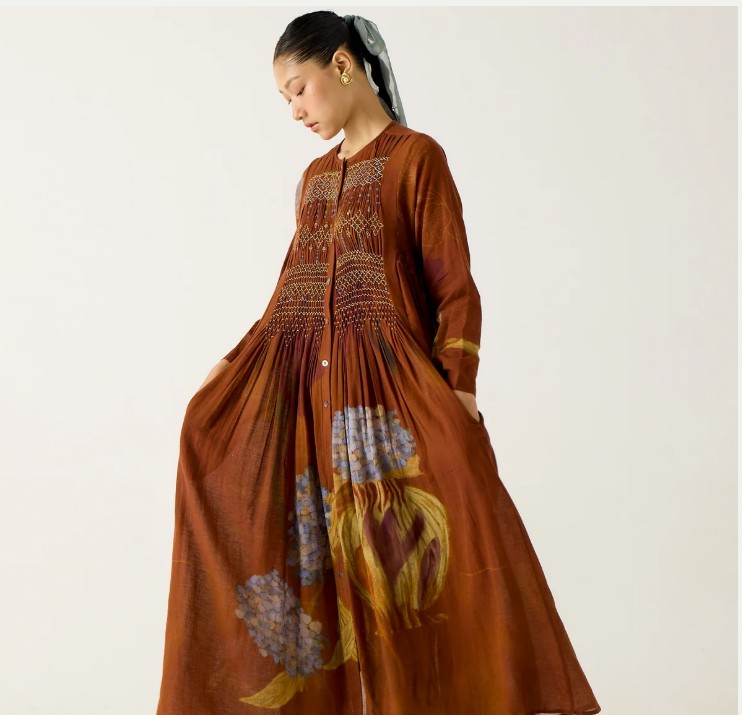
CORD
Cotton pieces by CORD can feel like living, breathing stories waiting to be told. The label’s Frida Dress, available for approximately INR 18,000, brings that sensibility into an easy everyday silhouette. Crafted in pure cotton, the dress combines a foliage-inspired print with smocking, gathers and a buttoned front, giving the fabric enough character to stand on its own.
Also Read: Cotton Clothing That Helps You Stay Cool in Extreme Summer
CORD’s approach makes a case for Indian cotton fashion that feels expressive without becoming overly precious.
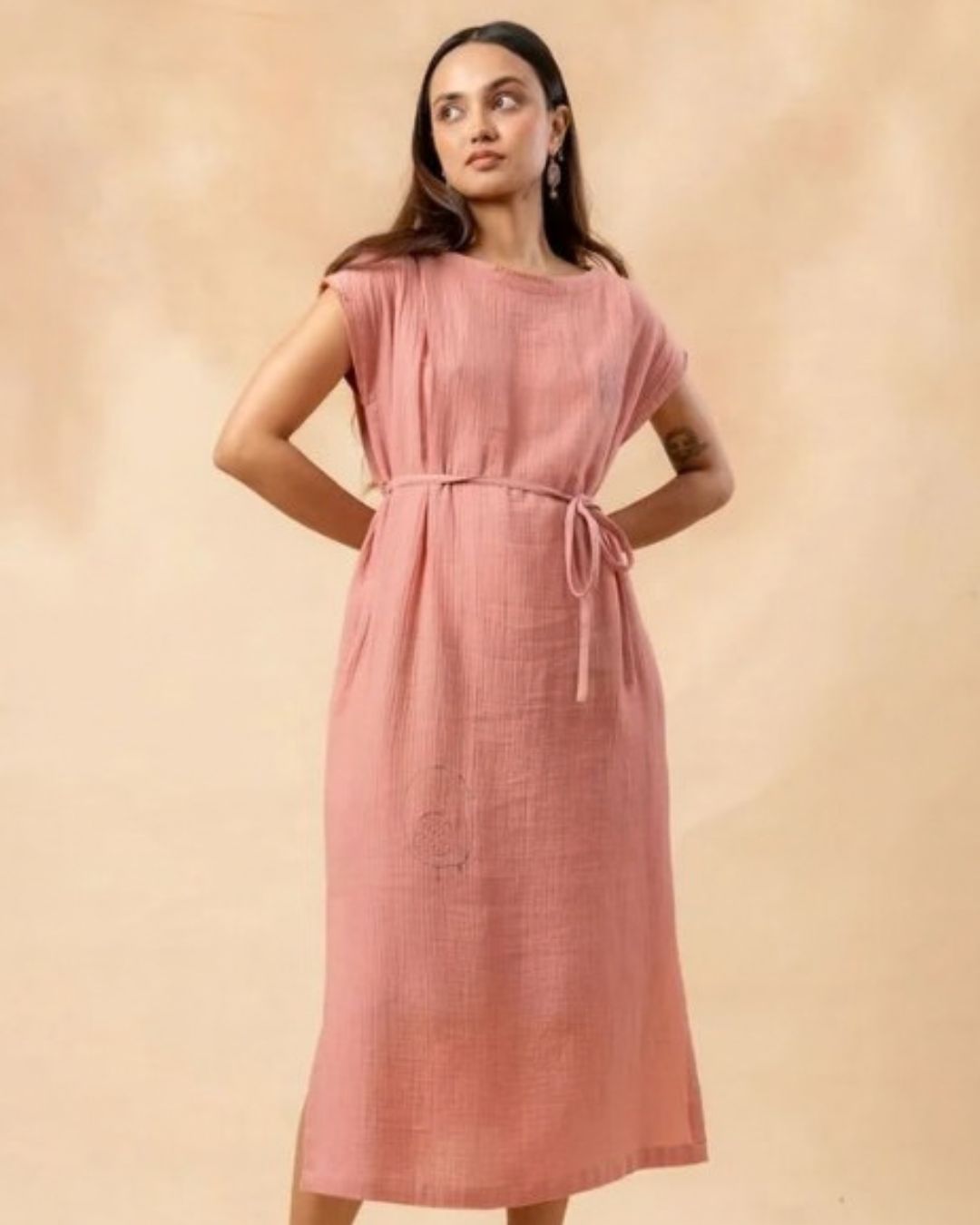
Doodlage
Doodlage brings another perspective to cotton luxury by placing conscious design at the centre of its clothing. Its Erna Organic Cotton Dress, priced at around INR 7,800, combines an organic cotton base with doodle embroidery, a waist belt, side pockets and a relaxed straight silhouette. The label’s larger practice of working with surplus and discarded textiles also makes its cotton pieces part of a broader conversation around more responsible Indian fashion.
When Cotton Becomes Luxury
What connects these labels is not simply the use of cotton. It is the decision to give the fabric a stronger design identity. A handwoven Jamdani dress tells one story; an indigo cotton silhouette tells another; embroidery, print and artisanal finishing open up yet more possibilities.
That is where Indian cotton fashion becomes particularly interesting. Luxury does not always have to announce itself through elaborate embellishment or an immediately recognisable fabric. Sometimes, it sits in the handfeel of a textile, the time taken to weave it, the skill behind its detailing or the thoughtfulness of its construction.
Also Read: How Tata Trusts’ Antaran Is Giving Indian Handlooms a Modern Makeover
Cotton, in these wardrobes, is no longer merely the easy summer staple. It is becoming a canvas for craft, memory and contemporary design, proving that one of India’s most familiar fibres can have a distinctly luxurious second life.